The review set presents a polarized picture of River Oaks Healthcare Center: many families and residents praise the caregiving, therapy, and administrative teams, while others describe significant operational and clinical concerns. Positive feedback centers on nursing and therapy — reviewers frequently highlight attentive, compassionate nurses and aides, successful rehabilitation outcomes, and therapists who assist with complex needs such as prosthetic coordination. Administrative, finance, and social-work staff are described as helpful and communicative in numerous accounts, and several families characterized the overall atmosphere as family-like and respectful.
Care quality appears uneven. Strengths include strong physical-therapy and rehab services, clear updates to families, and staff who provide dignified, person-centered interactions. However, a recurring theme is inconsistent responsiveness: delayed responses to call buttons and slow assistance with dressing, transfers, and feeding are described. Several accounts indicate problems with timely hydration and meal assistance, and others cite medication-management and communication gaps. These operational issues raise concerns about the facility’s ability to provide consistent basic-care processes for higher-dependency residents.
Safety and clinical oversight are other notable patterns. Multiple reviewers raised concerns about monitoring and emergency recognition, including lack of bed-alarm use in some cases and slow recognition of deteriorating conditions. There are also mentions of inconsistent turning and bathing schedules that create risk for skin integrity. A small number of serious allegations describe significant adverse outcomes; these are serious and warrant careful inquiry by prospective residents and families and by regulators or legal counsel when appropriate.
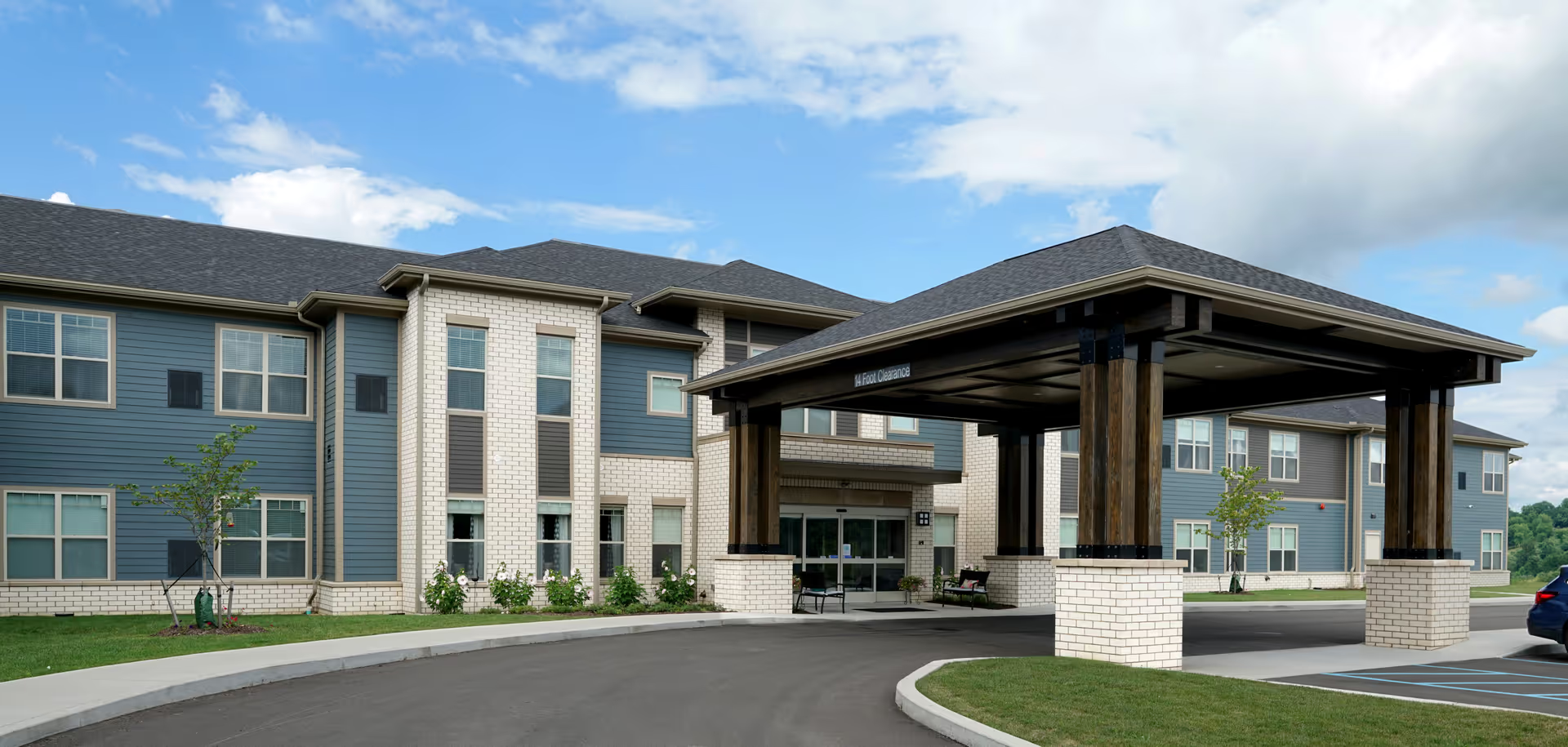
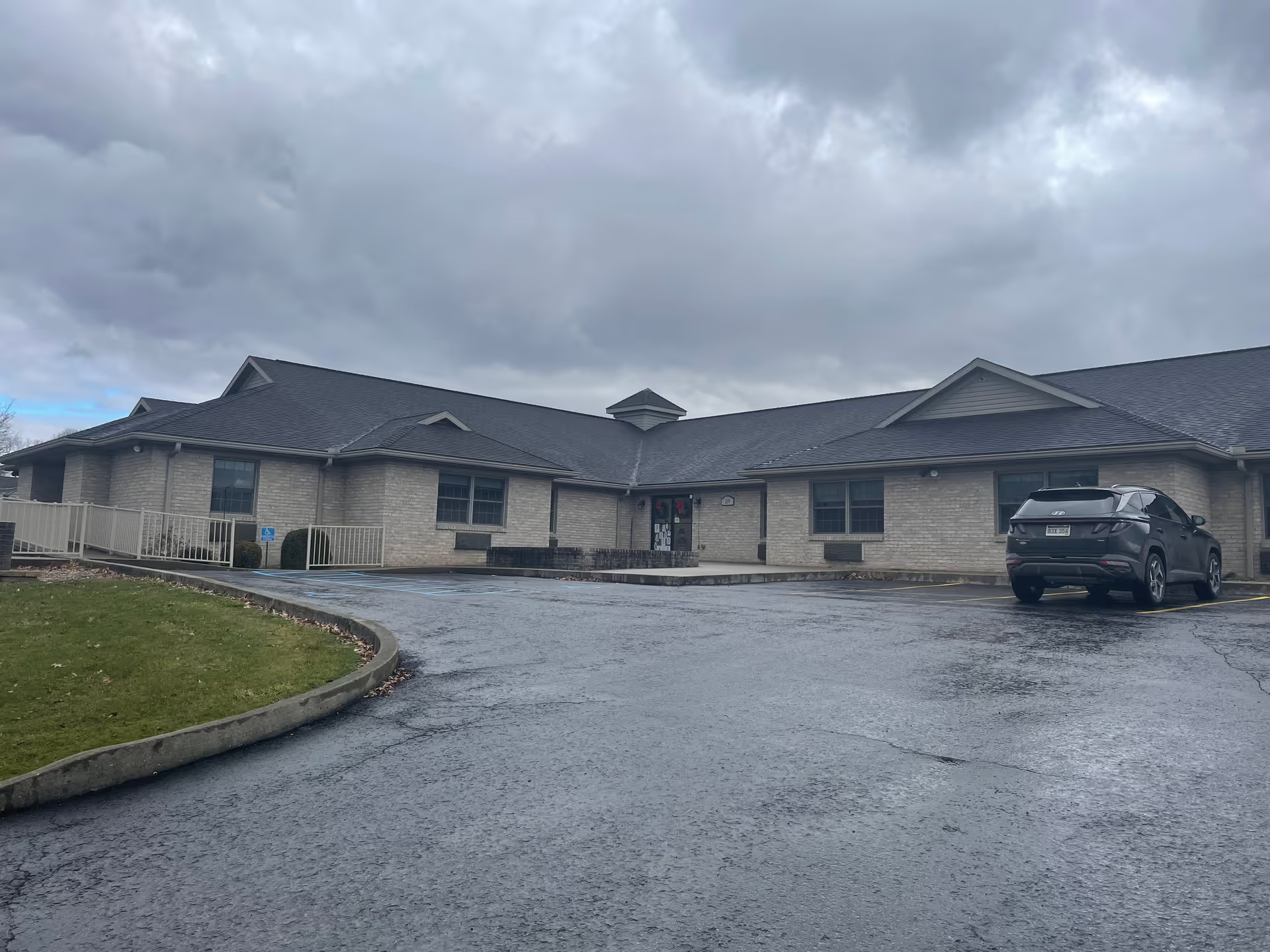
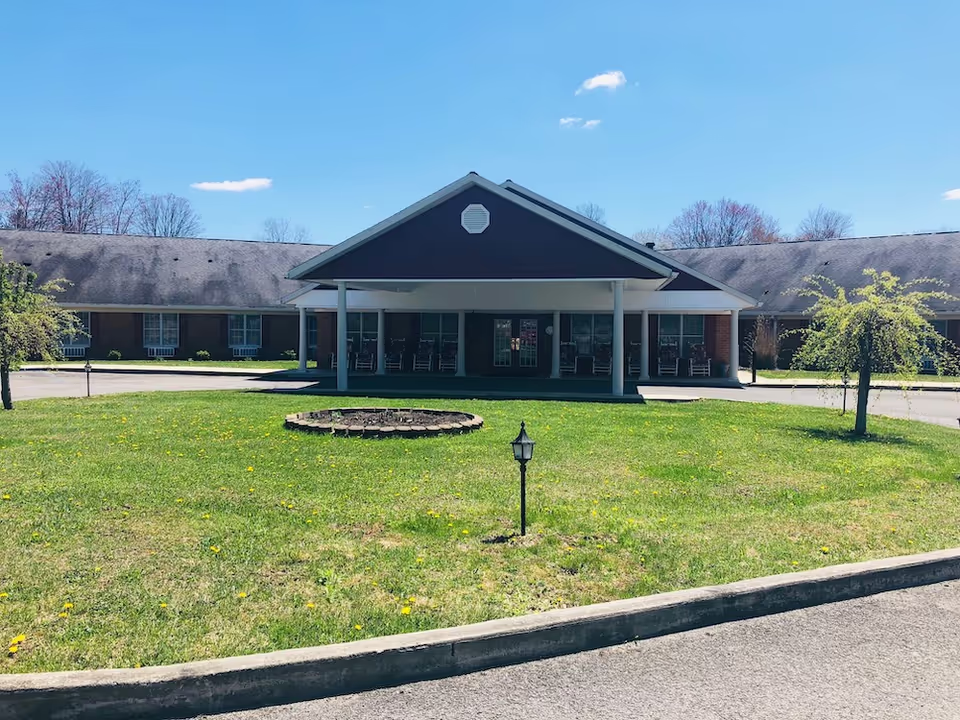
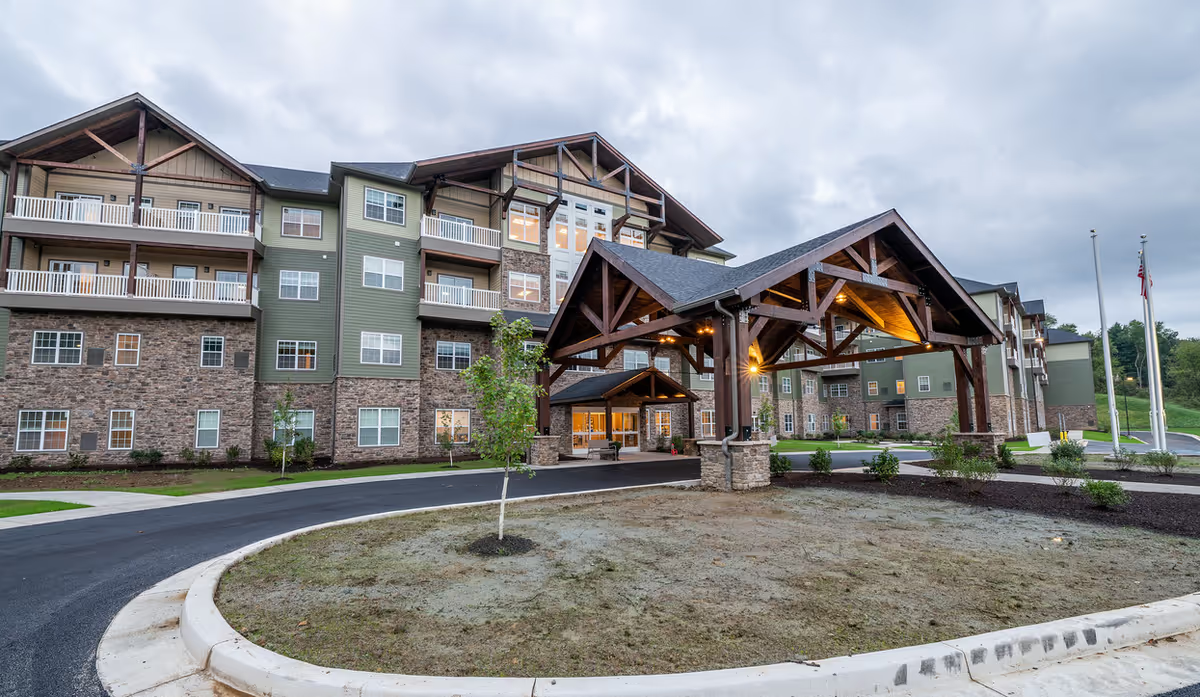
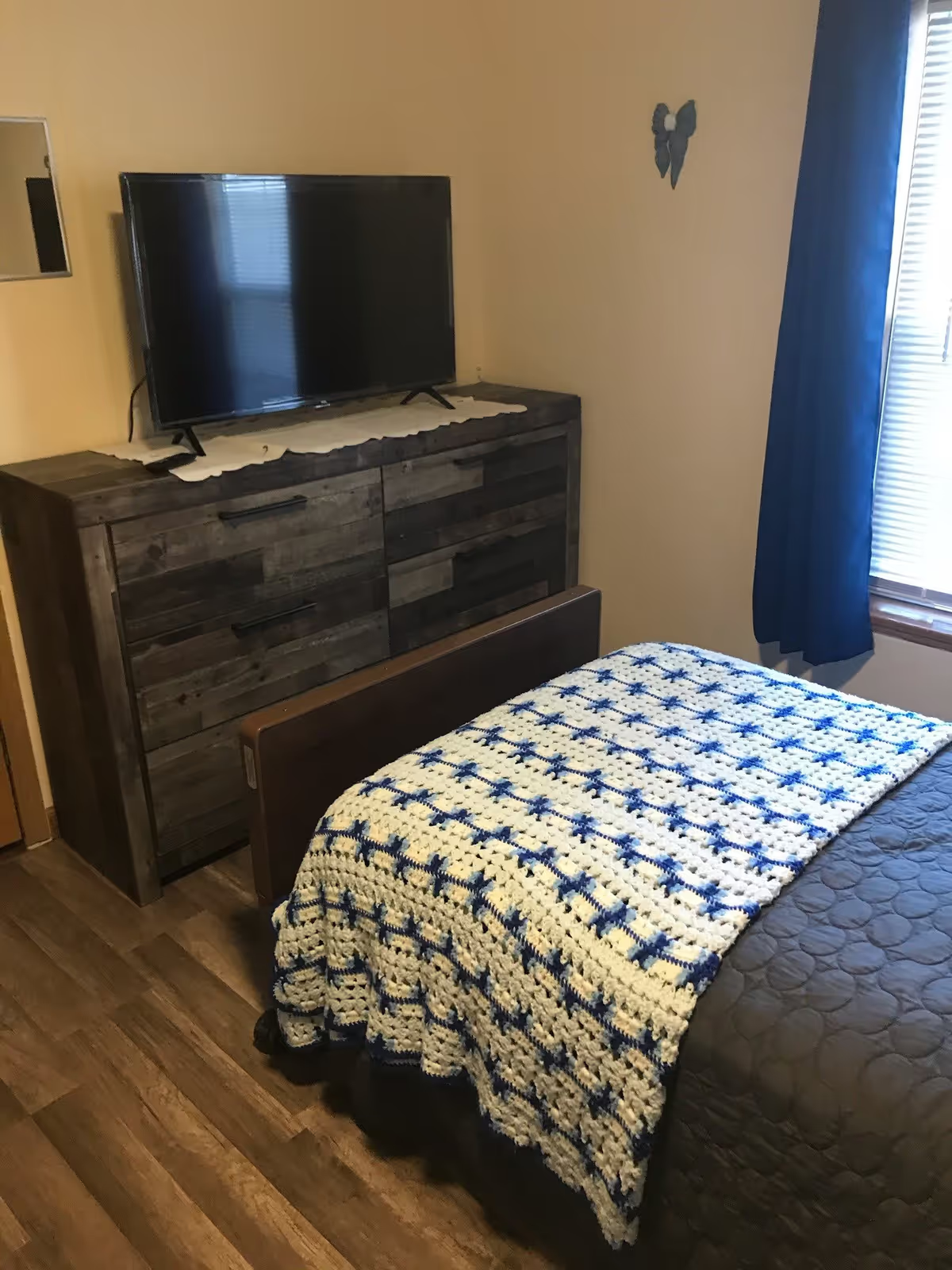
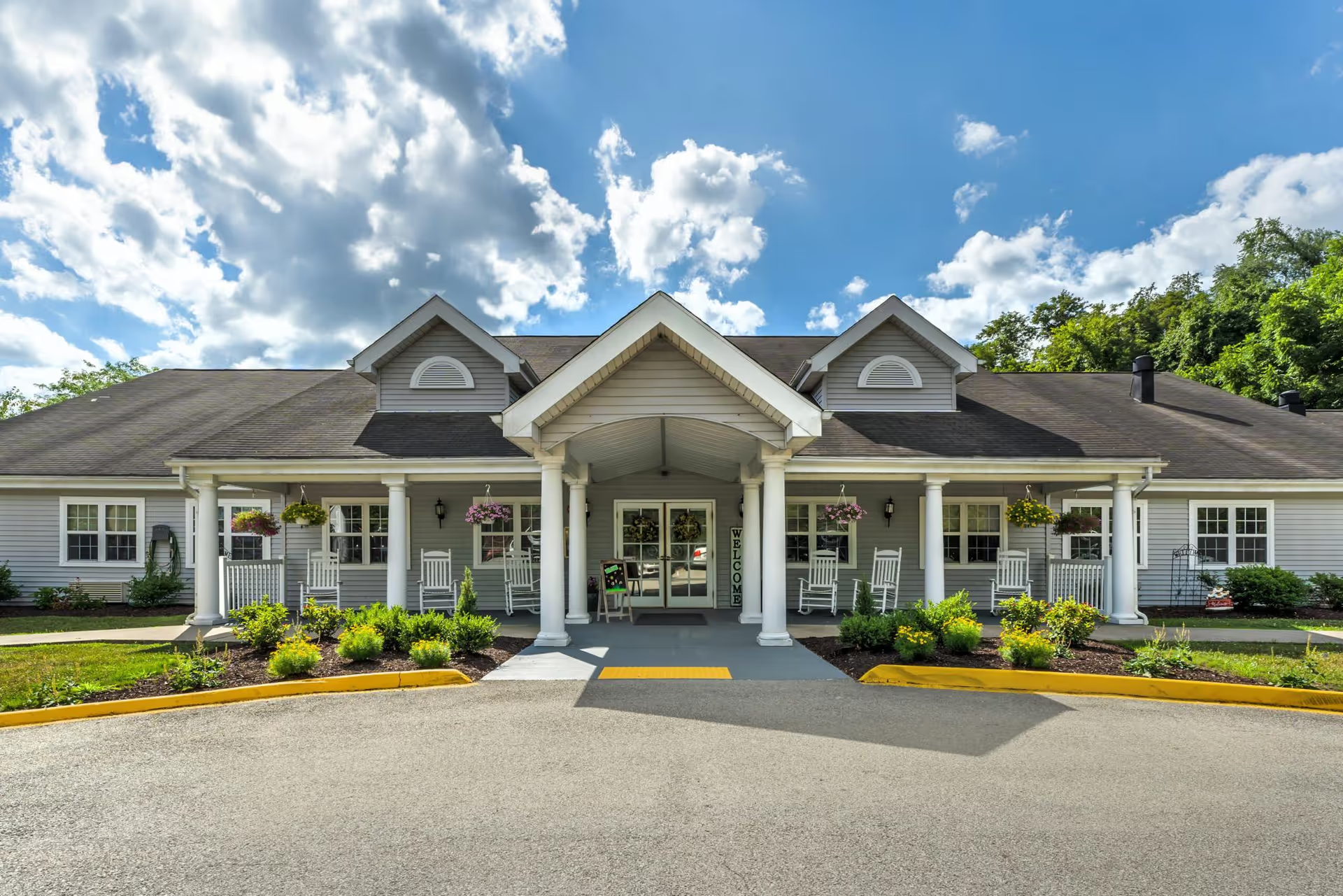
Dining and activities show mixed impressions. Several reviewers complimented food quality and engaging programming, while others described unsatisfactory meals. Activities and social programming are generally seen as a positive aspect, contributing to resident engagement. Facility condition is described as mostly clean and comfortable, though some reviewers noted areas that could use refurbishment and cited slow response to maintenance requests (for example, delayed repair or replacement of room equipment).
Management and staff culture appear variable across shifts and roles. Some families praised prompt, transparent communication and administrative problem-solving; others described rude or demeaning interactions with specific office or leadership personnel and concerns about staff distraction or inconsistent professionalism. There are also comments about variable performance among third-party contracted staff, which contributes to uneven care experiences.
For prospective residents and families: River Oaks demonstrates clear strengths in therapy, compassionate bedside caregiving, and family-oriented communication in many cases, but the facility also exhibits operational weaknesses that have been linked to delayed assistance, nutrition/hydration management problems, safety-monitoring gaps, and inconsistent staff conduct. Visitors should evaluate the facility’s responsiveness during tours (call-button response time, observation of staff interactions), ask about staffing levels and use of bed alarms, review incident and complaint handling procedures, and seek specific examples of how the facility addresses nutrition, medication communication, and maintenance requests before making a placement decision.