Overall assessment Pierpont Center at Fairmont Campus generates a distinctly mixed but identifiable profile. Many family members and residents praise the facility’s frontline caregivers and therapy teams, describing attentive nursing, engaged CNAs, and strong physical and occupational therapy programs that support mobility improvement and discharge home. The dining program and activity schedule are also frequent strengths: reviewers note regular meals (three times daily), appealing menu items, and a range of social and recreational events that contribute to a home-like atmosphere for many residents. Facility upkeep is often described positively, with well-maintained grounds, clean common areas, and dedicated hobby spaces.
Care and staffing patterns Clinical care experiences vary. A substantial portion of feedback highlights compassionate, hands-on nursing and therapists who communicate proactively and tailor rehabilitation plans. Conversely, a recurring operational theme is inconsistent staffing and workload strain; these shortages are cited as contributing to delays in responding to call requests, medication administration issues, and variability in day-to-day care. There are also specific clinical concerns raised about incontinence-care timeliness and pressure‑injury prevention practices, which suggest opportunities to strengthen routine monitoring and nursing workflows.
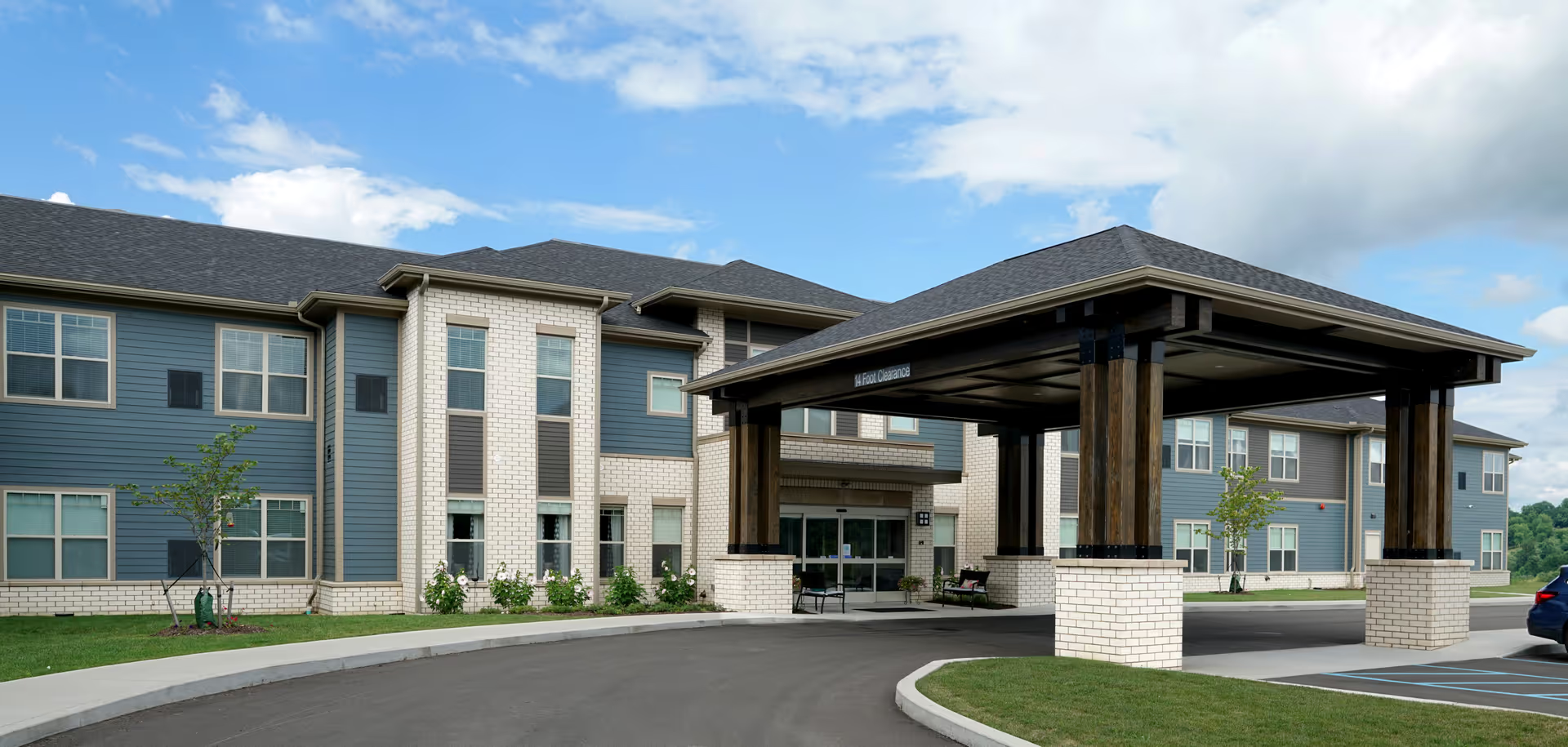
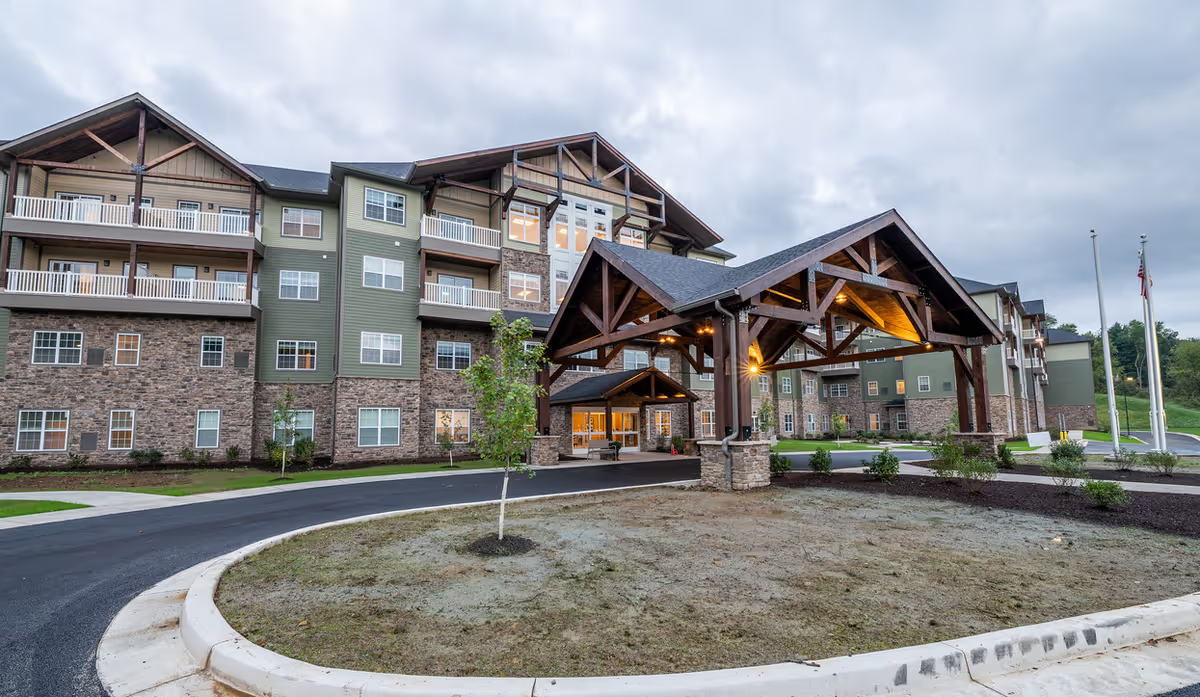
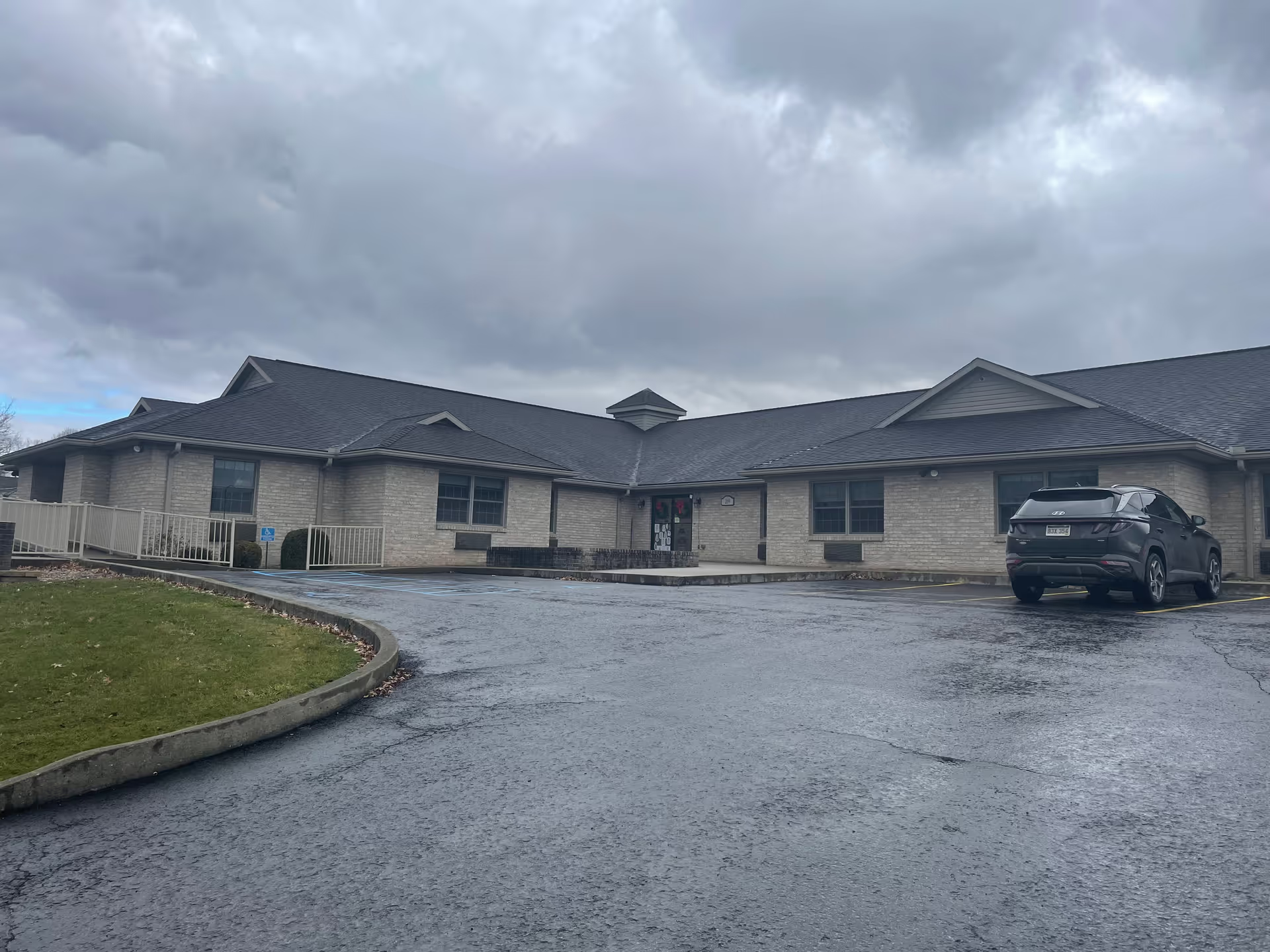
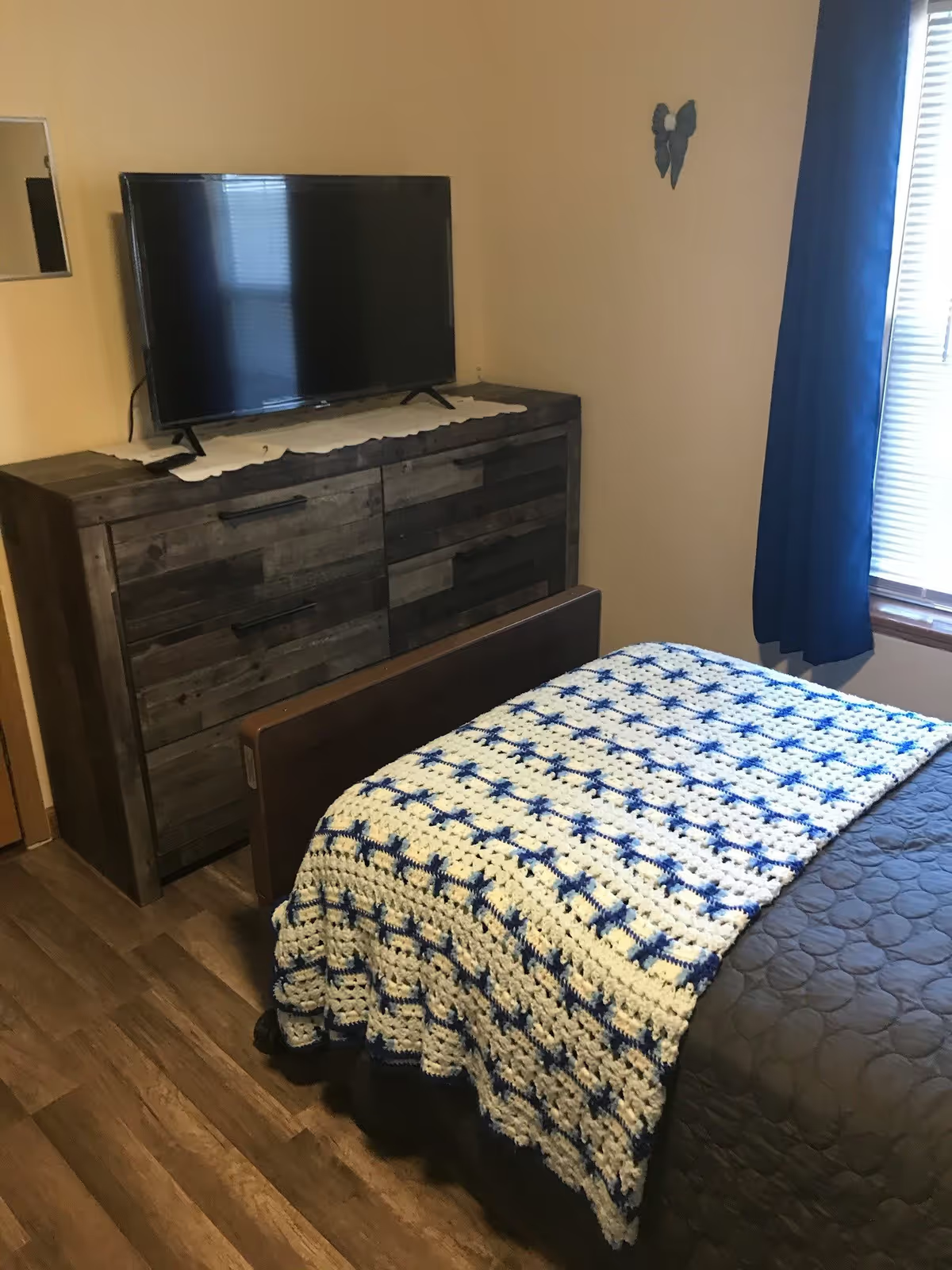
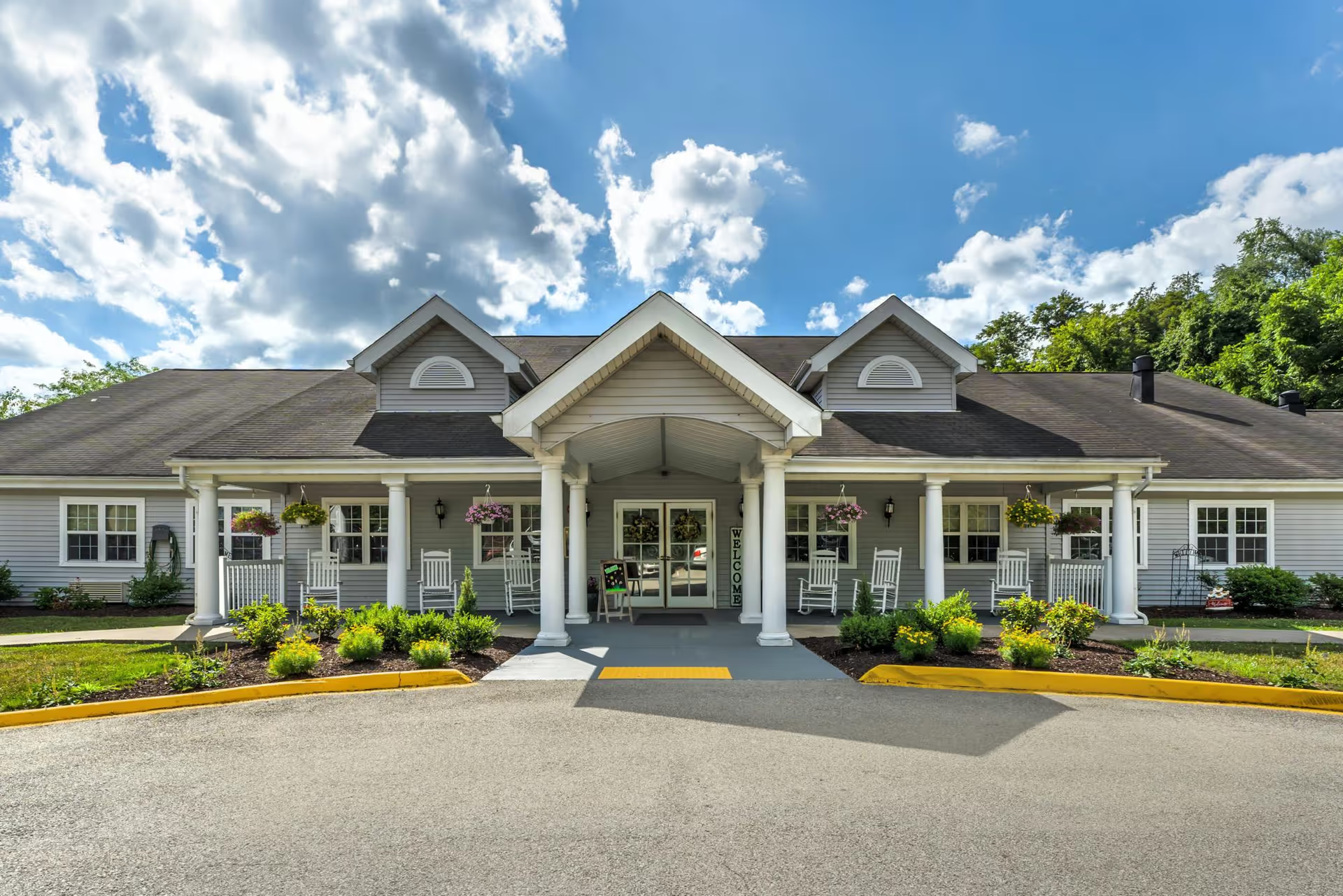
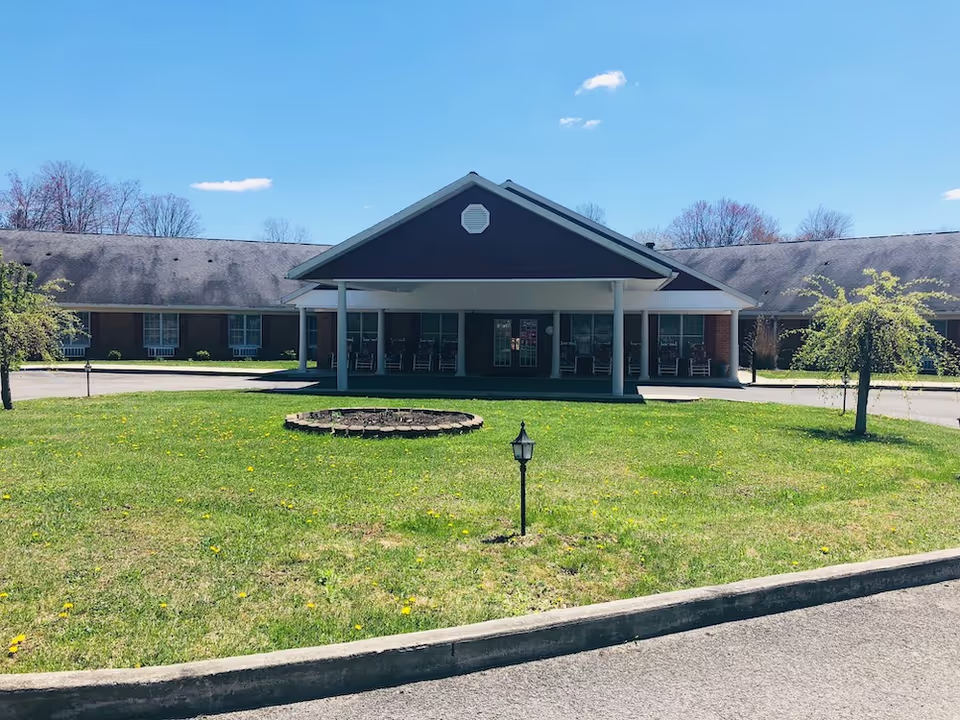
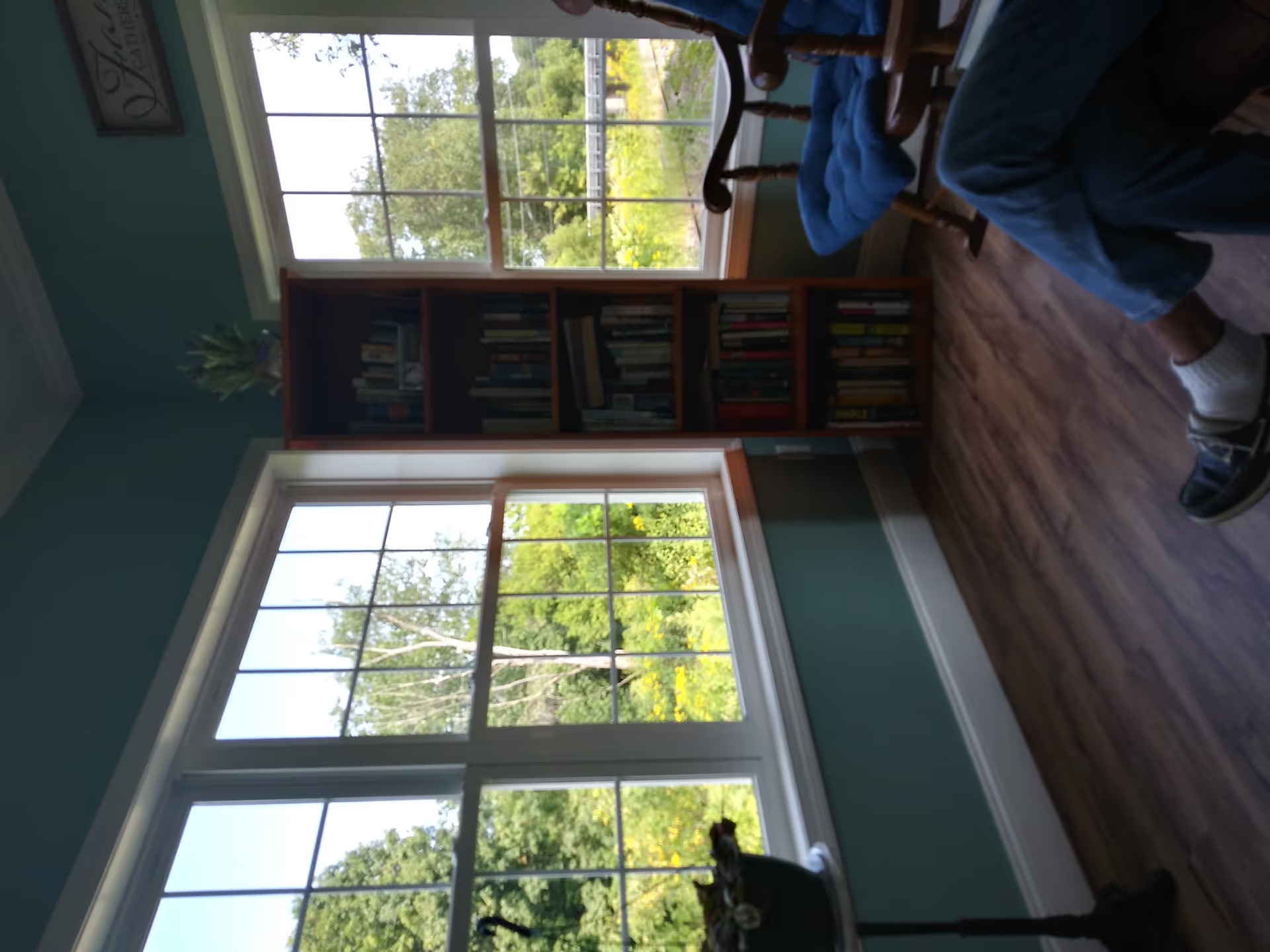
Dining, activities, and environment Dining and activities are consistent positives. Reviewers commonly describe good-quality meals, engaged kitchen staff, and an active calendar of events that supports social engagement. Facility ambience and maintenance receive generally favorable remarks for interiors and outdoor spaces, though some reviewers would prefer larger rooms and a brighter decor in living areas. A minority of comments flag sanitation and odor concerns in particular hallways or areas, indicating uneven performance in environmental services.
Management, communication, and administration Management and administrative performance shows variability. Several reviewers commend accessible administrators and therapy leadership who provide helpful communication and discharge planning. Others cite lapses in communication, slow responses to family inquiries, scheduling or billing disputes, and occasional procedural failures (for example, rescheduled tests or fee handling). Personal-property tracking and handling also emerge as an operational weakness; missing or returned-damaged items were described often enough to suggest a need for clearer inventory and transfer procedures. Finally, limited on-site physician coverage and administrative process gaps were noted as contributors to family concerns about clinical oversight.
Patterns and guidance for prospective families The predominant pattern is one of strong interpersonal care and rehabilitation capability tempered by intermittent operational and administrative weaknesses. Prospective families should weigh the facility’s evident strengths in therapy and frontline caregiver engagement against the risk of inconsistent staffing, episodic cleanliness issues, and communication or billing friction. Useful questions at tour or intake include current nurse-to-resident staffing ratios, protocols for call-response and medication administration, wound- and incontinence-care procedures, property-inventory policies, and how the facility manages scheduling or billing disputes. Doing so will help align expectations with the facility’s strengths and areas that may require closer monitoring.