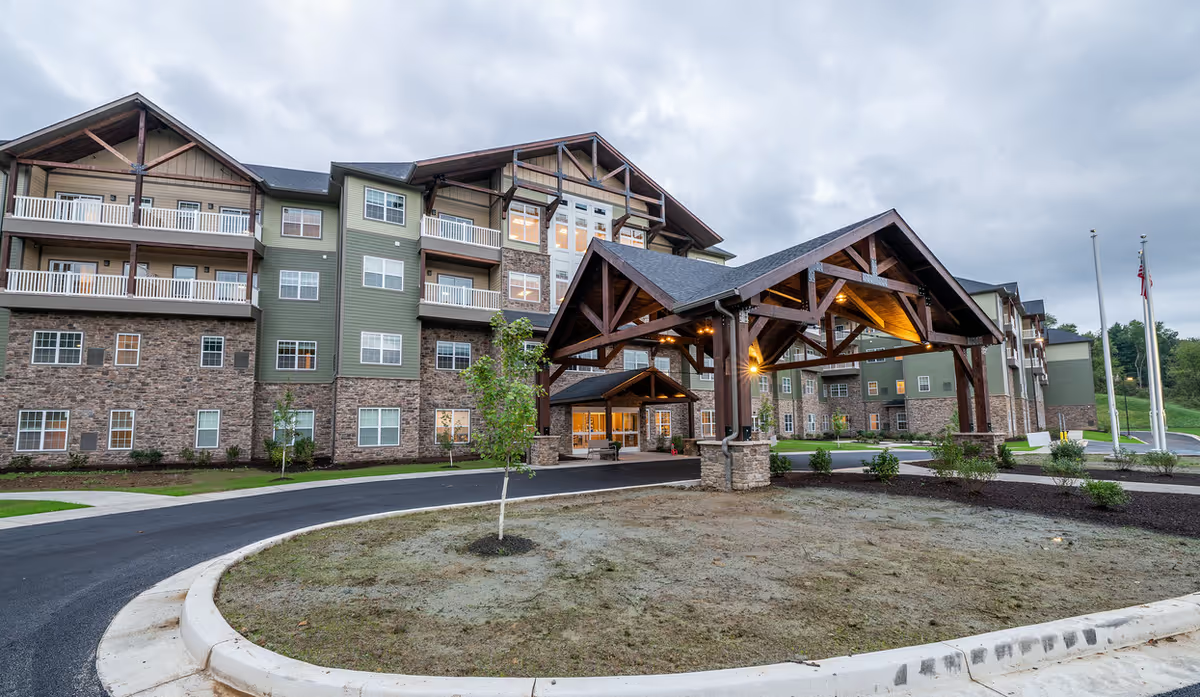
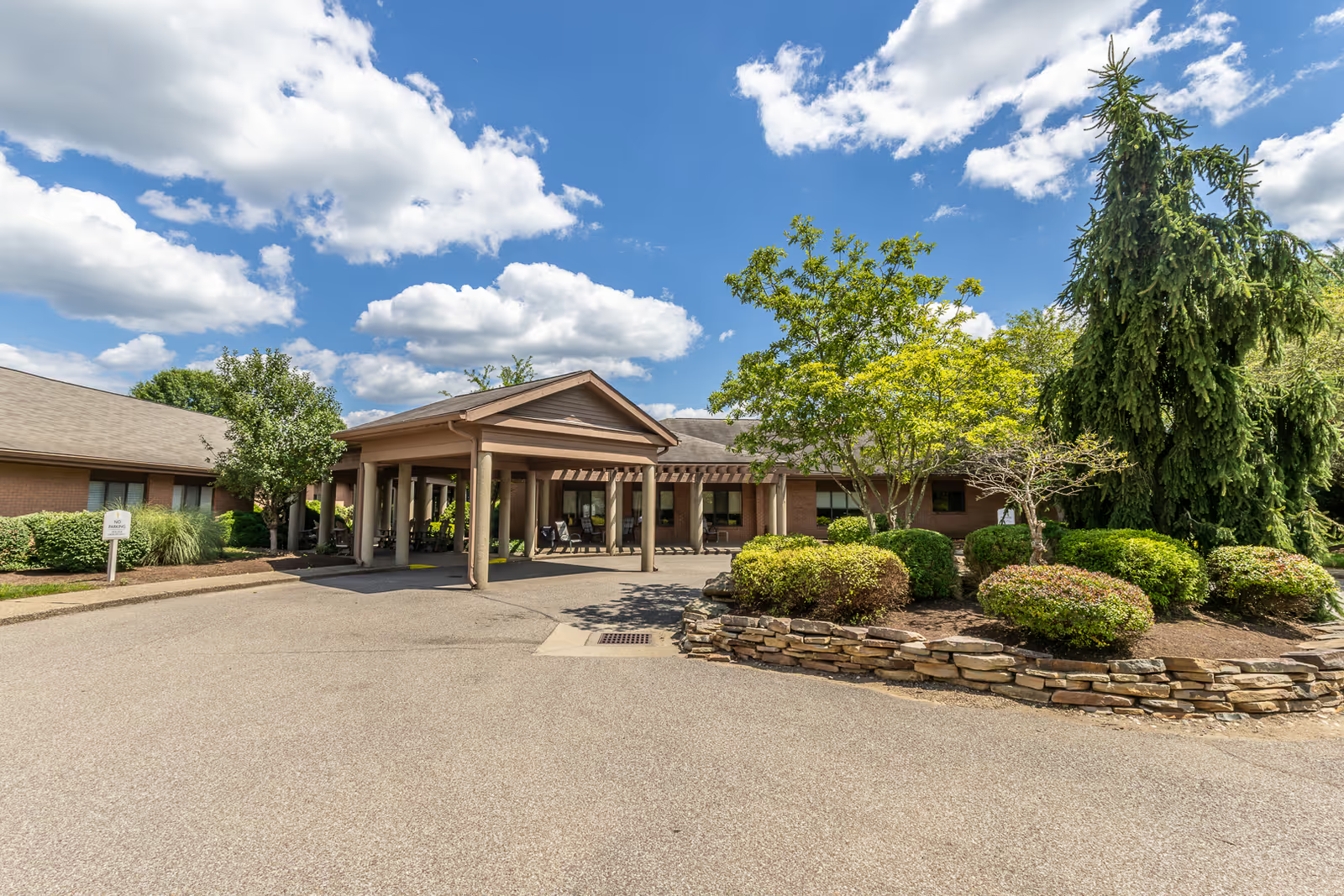
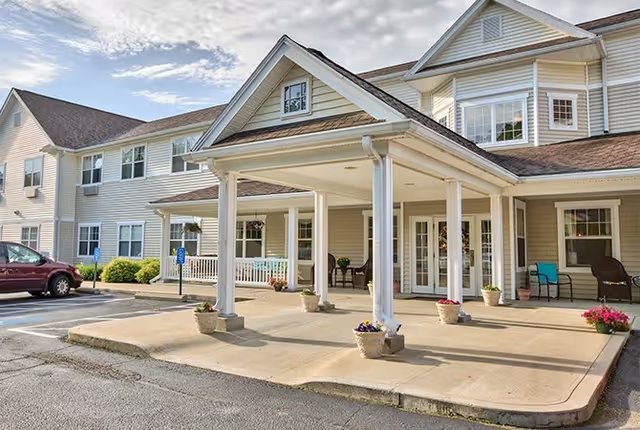
Feedback for Crestview Manor reflects a mix of clear strengths and recurring operational concerns. Many accounts emphasize warm, compassionate frontline caregivers — particularly CNAs and some nursing staff — and describe a clean facility with respectful resident interactions. The facility's family-owned character and an on-site owner are noted as positives by families who experienced responsive attention, and front-desk staff and reception are frequently described as helpful. Dining and activities are definite strengths in multiple accounts: meals were characterized positively and the activity program, including pet-friendly opportunities, is viewed as engaging and beneficial to residents' quality of life.
Clinical quality and day-to-day care present a more mixed picture. Several descriptions highlight knowledgeable clinical staff and willingness to incorporate family suggestions, but there are repeated concerns about understaffing and staff workload that appear to affect responsiveness. Reviewers describe issues consistent with gaps in medication-management processes, delays in therapy and rehabilitation initiation, and variability in monitoring and safety practices. These operational weaknesses have been associated with adverse events in specific accounts, and they suggest the need for clearer protocols and oversight to ensure consistent clinical performance.
Management and communication are another area of contrast. Some families experienced polite, helpful administrators and direct access to management, while others described inconsistent administrative professionalism, turnover in care-coordination roles (including social work), and inadequate follow-up after incidents. Communication lapses between staff and families — particularly around incident notification and post-event updates — recur as a theme and have contributed to perceptions of inadequate incident response. A few families also indicated discrepancies between the facility's advertised rating and their personal experience.
For prospective residents and families, the facility appears to offer a warm, activity-rich environment with compassionate direct-care staff and solid housekeeping and dining services. At the same time, it would be prudent to evaluate clinical oversight, staffing levels, medication-safety practices, and the facility's incident-notification procedures during a visit. Specific questions to consider include typical staffing ratios for the unit, protocols for medication administration and reconciliation, expected timelines for therapy services, and examples of how families are notified and involved after clinical incidents. Observing staff–resident interactions during mealtimes and activities can help corroborate the positive aspects while targeted inquiries to management can clarify the facility’s approach to the operational concerns noted above.