Reviewer commentary about Grant County Nursing Home is mixed, with a clear split between strong praise for many direct-care staff and repeated operational concerns that appear to influence family experience. Positive comments emphasize continuous nursing coverage, a clean environment, and an effective physical rehabilitation program; negative observations center on staffing levels, inconsistent professionalism among some caregiver groups, and variability in the quality of clinical attention.
Care quality: Several families described appropriate treatment plans, active participation in physical rehabilitation, and responsive 24-hour nursing coverage. At the same time, reviews indicate uneven clinical performance; some families experienced timely, attentive care while others perceived lapses in responsiveness and consistency of routine care. This suggests the facility can deliver good clinical outcomes but that execution may vary by shift or by staff assignment.
Staff and management: Many reviewers used terms such as compassionate, hardworking, honest, and attentive when referring to nurses and therapists. However, there are also recurring remarks about unprofessional behavior among some caregiver groups and workplace dynamics that staff morale may be affecting resident experience. Short staffing was explicitly noted and likely contributes to both delays in care and the variability in professional conduct. Family communication was described as courteous in a number of accounts, indicating strengths in visitor relations paired with potential management challenges around workforce stability and training.
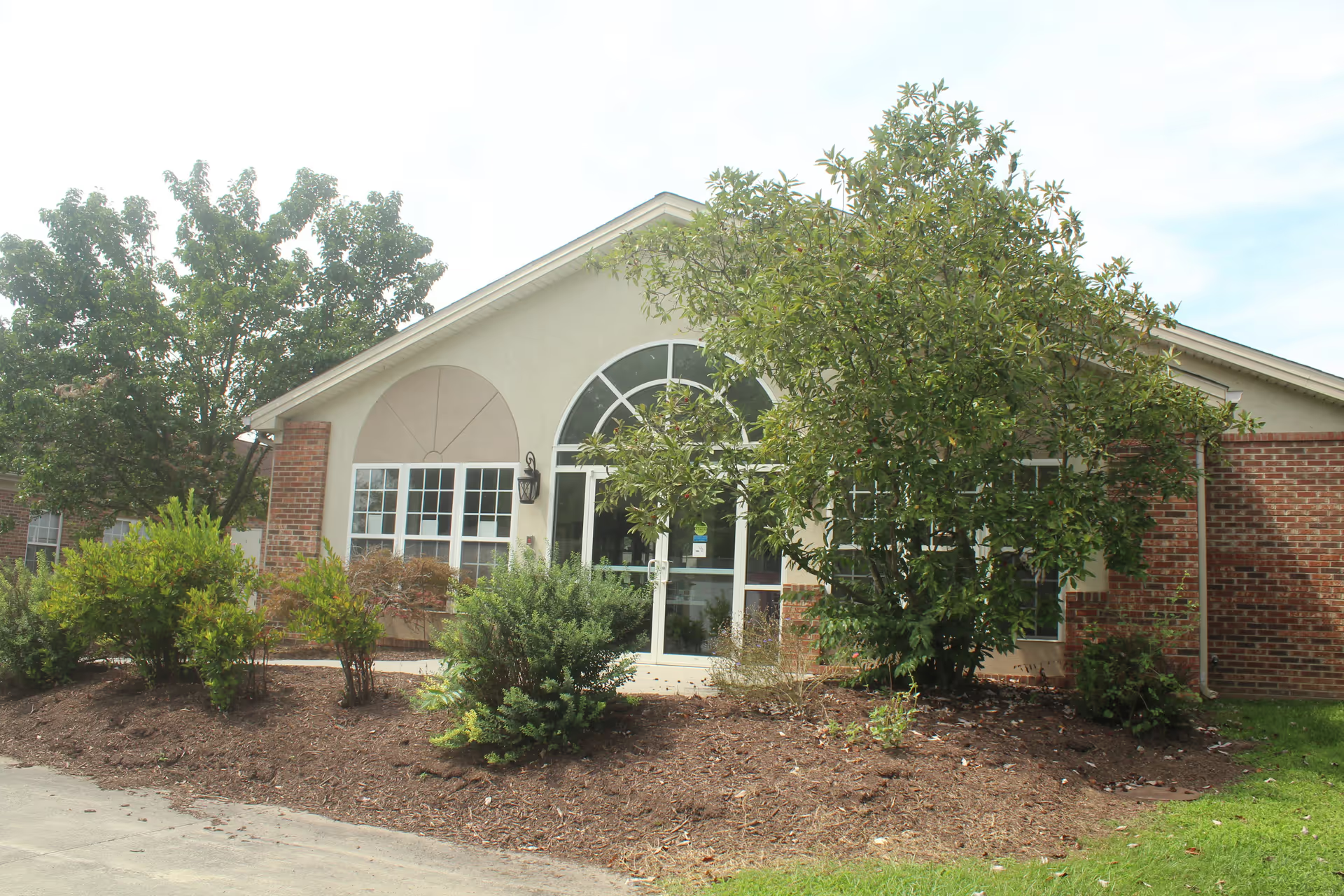
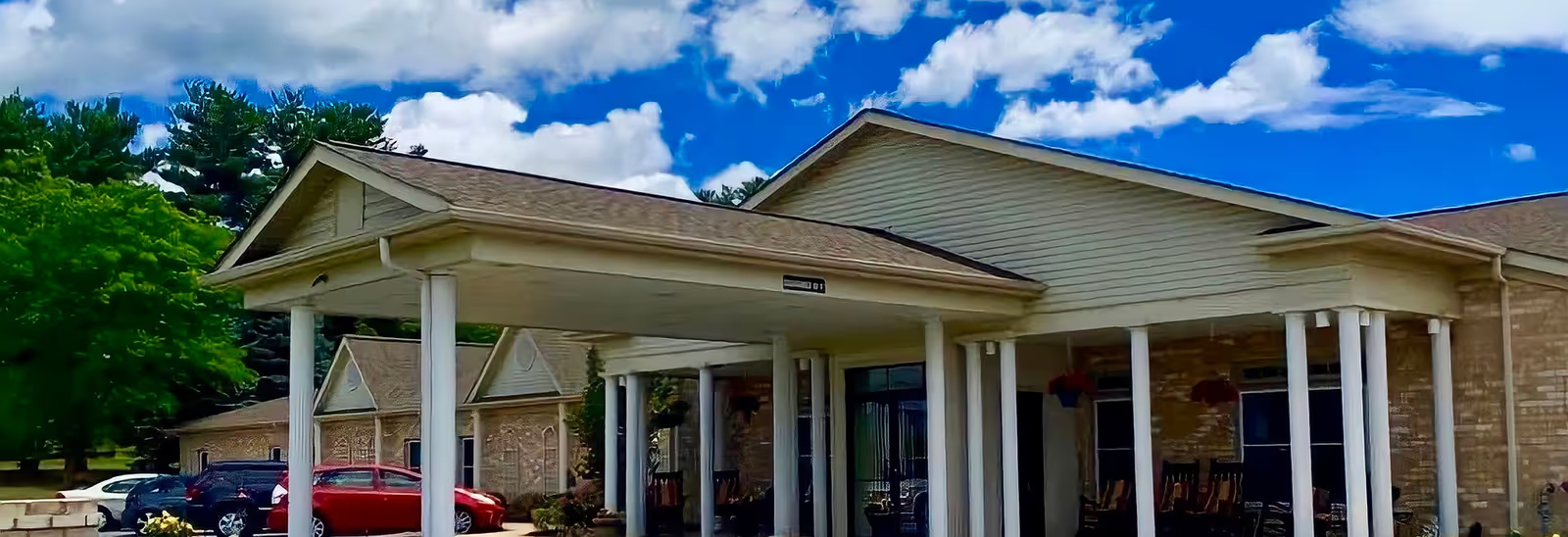
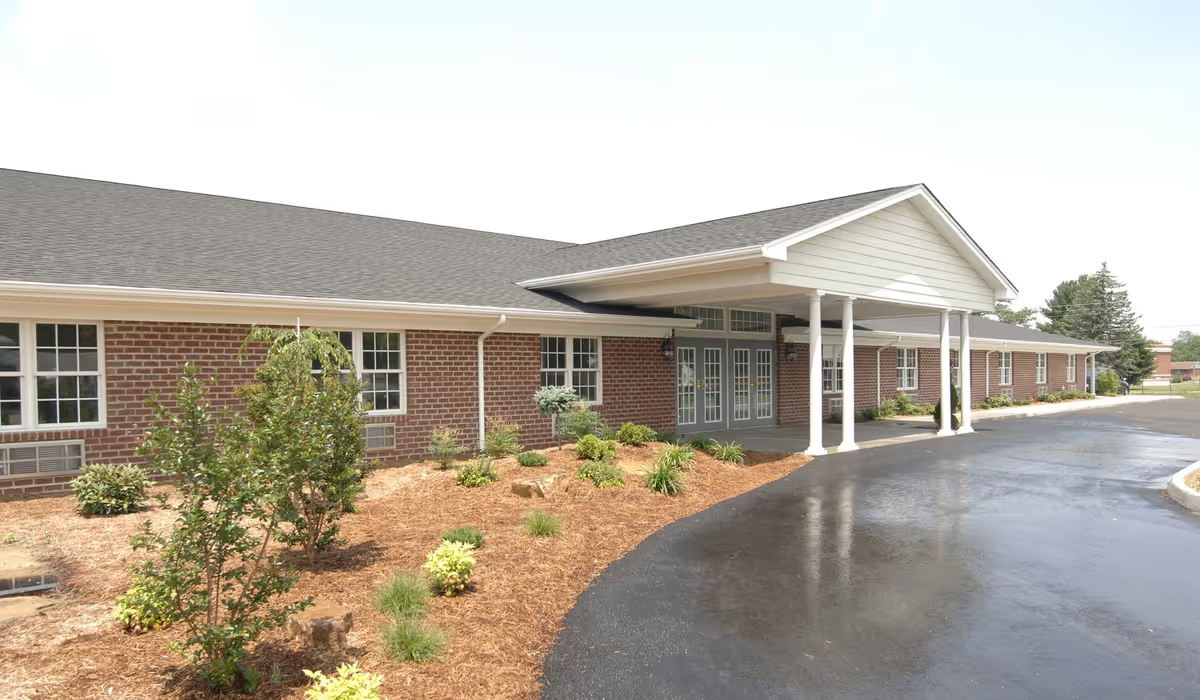
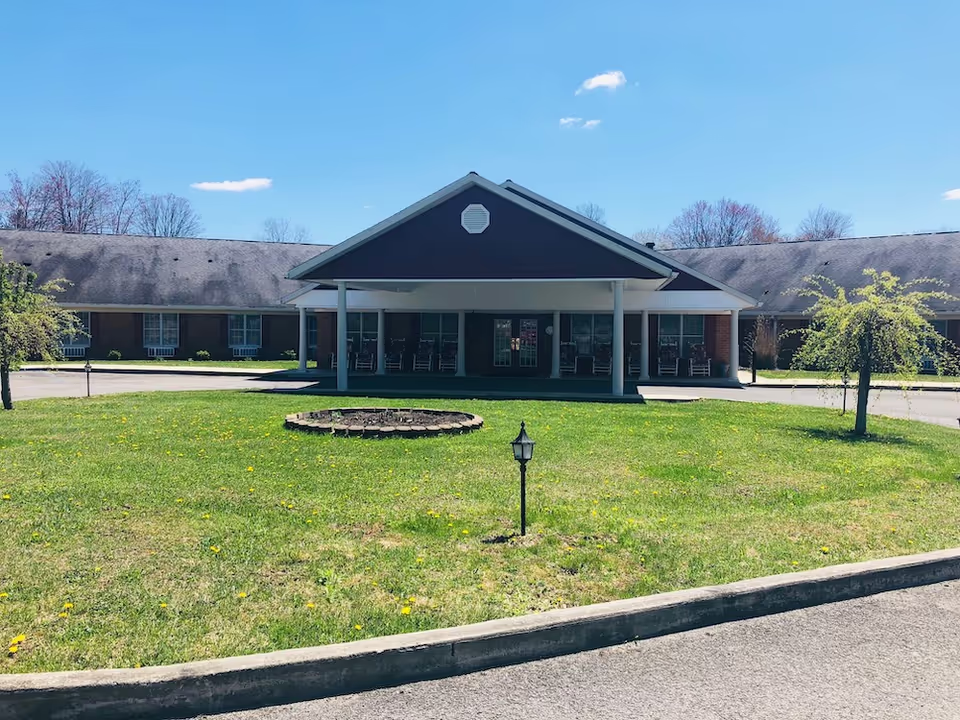
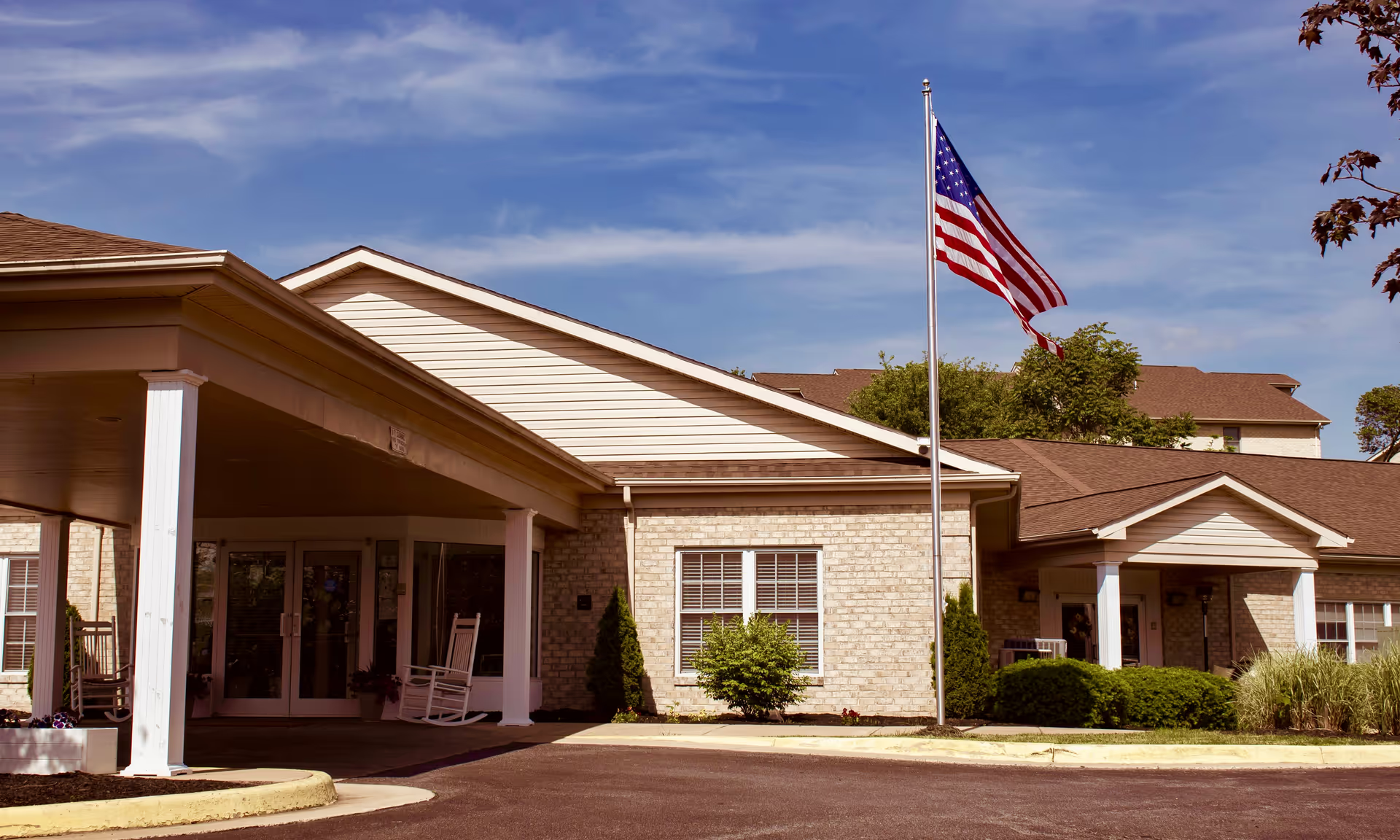
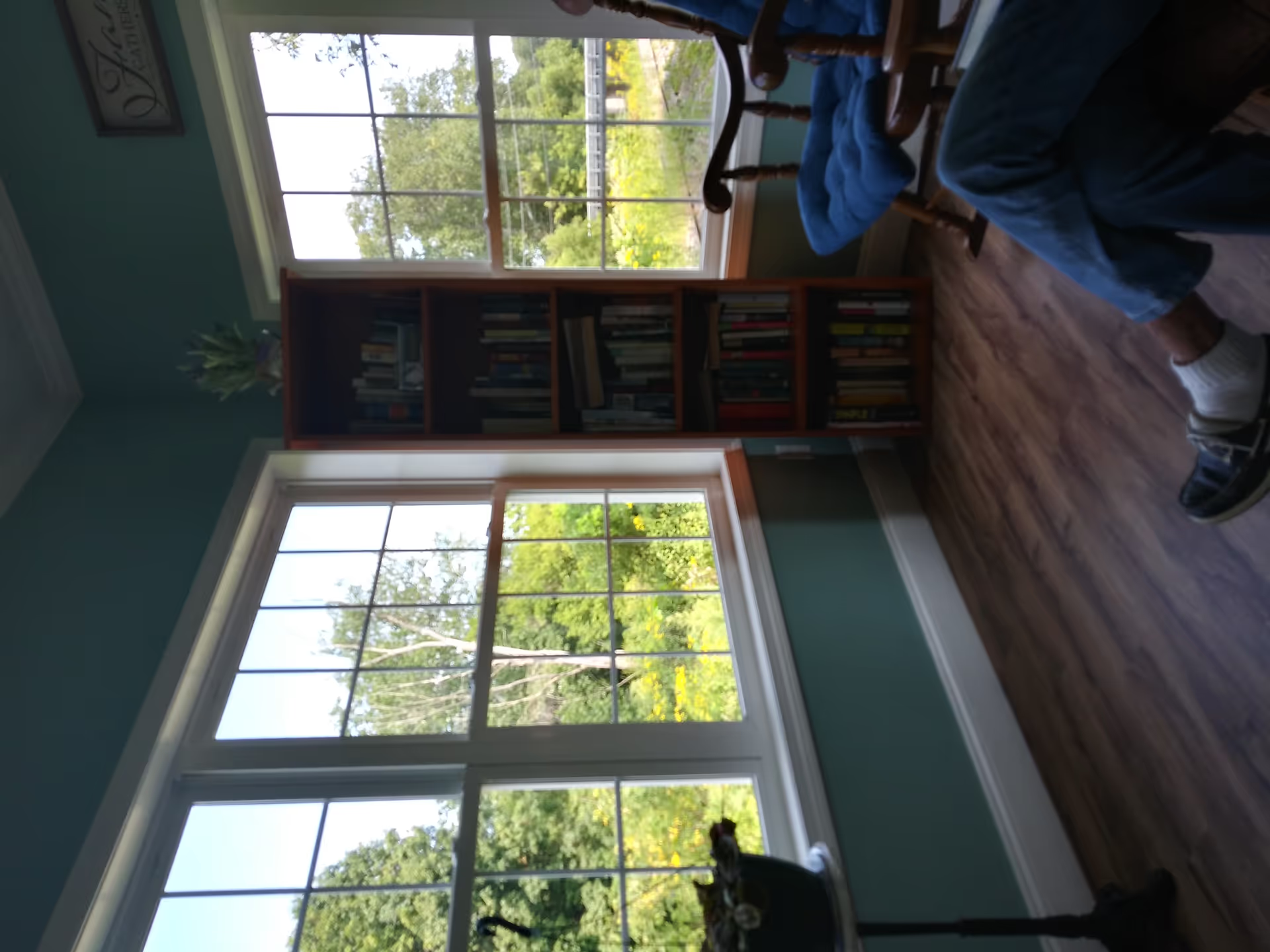
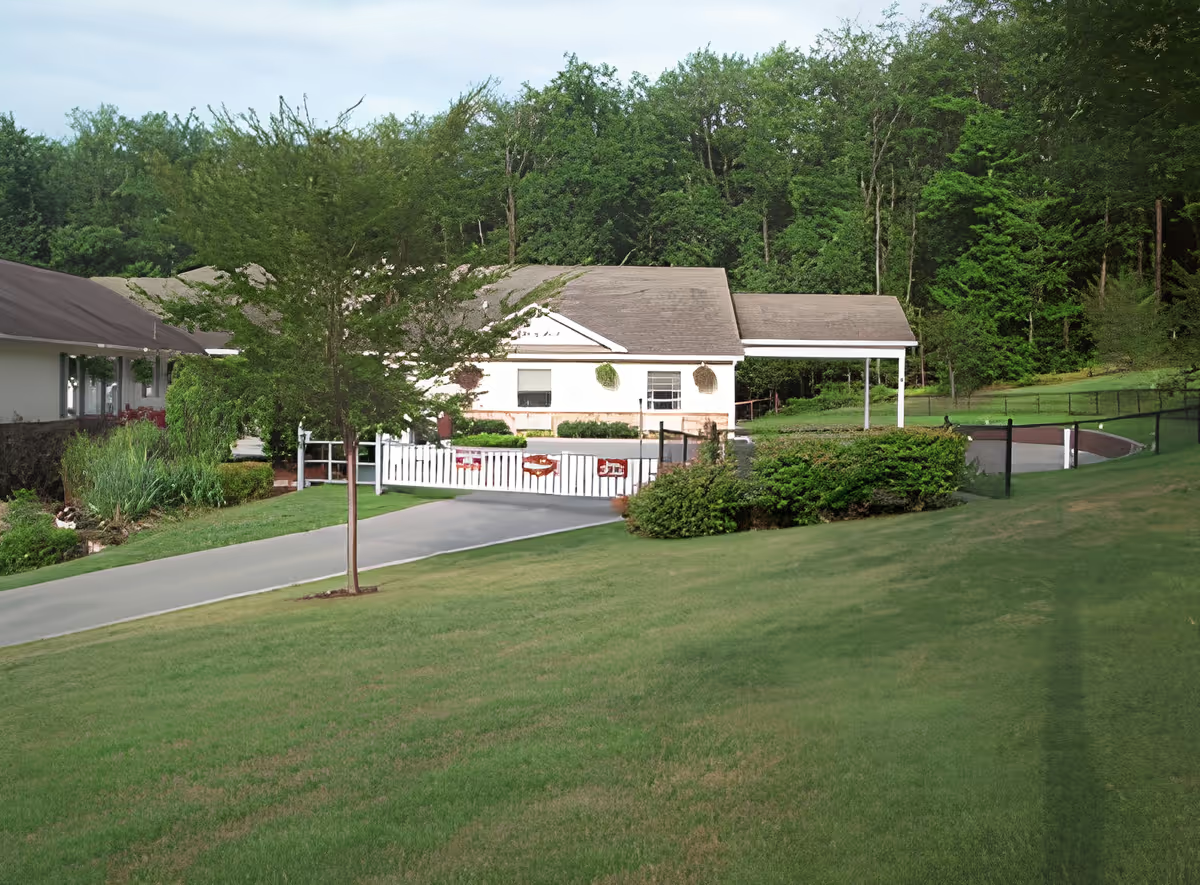
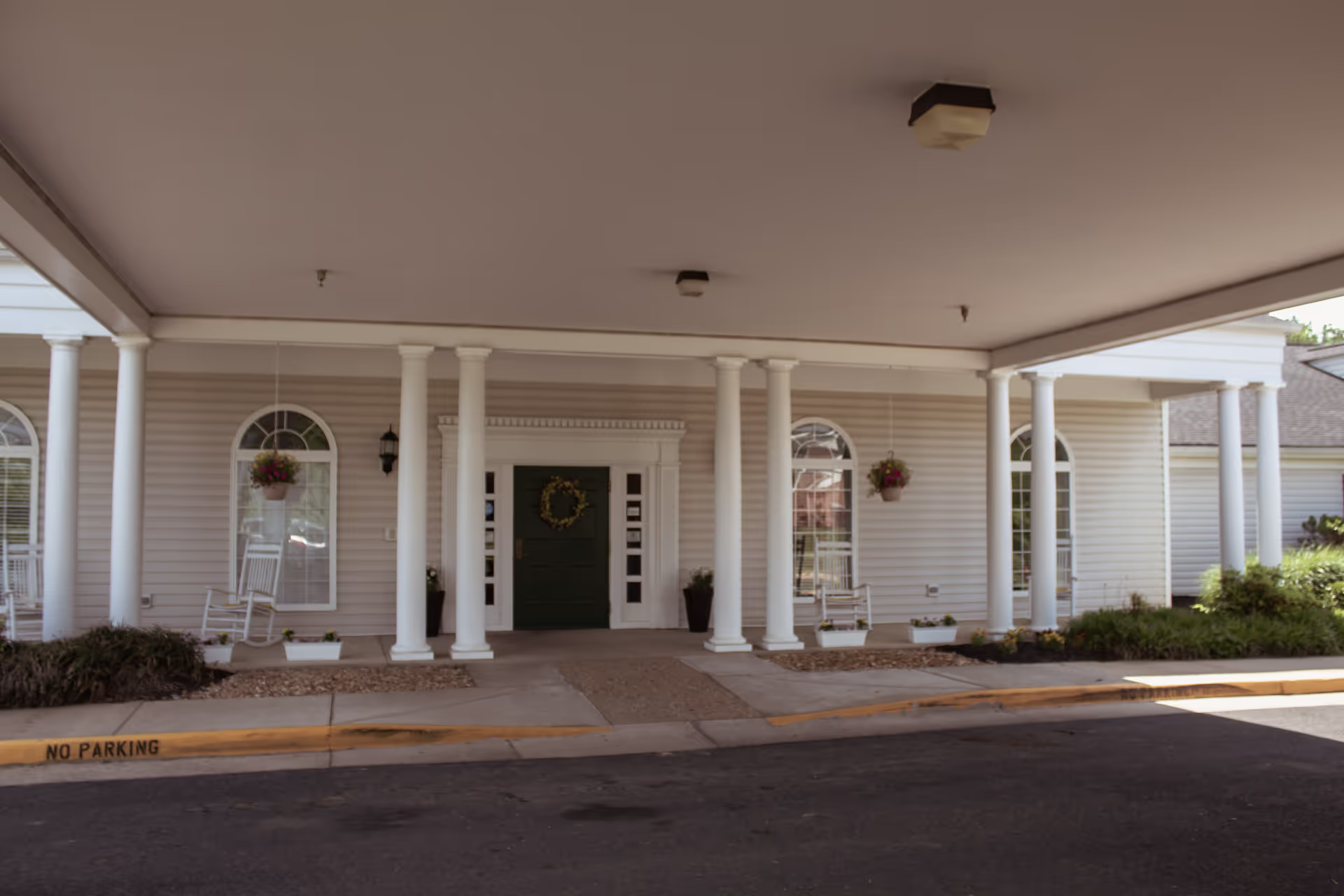
Facilities and environment: The building and common areas were described positively, with several comments about a clean, welcoming atmosphere and warm staff interactions. There was no consistent commentary on dining quality in the available summaries, so no firm conclusion can be drawn about meals; similarly, most praise around activities focused on the physical rehabilitation program, with limited detail about broader recreational offerings.
Activities and social support: The physical rehabilitation program received specific praise, and therapy staff were noted as attentive. Conversely, some residents felt emotional distress from being away from home and from having limited nearby family support; this indicates the facility may need to prioritize social engagement and outreach for residents with fewer external caregivers.
Notable patterns: The dominant pattern is polarization—many families strongly endorse the staff and services, while a minority express serious dissatisfaction. Key operational issues that appear to drive negative experiences are staffing shortages and inconsistent staff professionalism. Prospective residents and families should consider visiting multiple shifts, asking about current staffing levels and turnover, and meeting therapy and nursing leadership to assess consistency of care and the availability of social supports for residents without nearby family.