Overall impression: Salem Center receives consistent praise for the compassion and hands-on care delivered by frontline staff and therapy teams, with many families highlighting positive rehabilitation outcomes and attentive personal care. The facility's therapy departments (PT/OT) and short-term rehab services are frequently described as skilled and effective, and many families reported that staff helped residents regain mobility and adjust to new care needs. Several reviews also note thoughtful assistance with admissions paperwork and family outreach that eased placement transitions.
Care and staffing: Clinical care is often characterized as kind, patient, and cooperative; staff teamwork and long-tenured caregivers are recurring strengths. At the same time, staffing capacity is a clear operational concern. Reviewers describe consistent shortages of aides and overnight personnel, which contributes to staff being overextended and families perceiving delays in routine care. These staffing constraints appear to be systemic rather than isolated and are more pronounced on certain shifts.
Dining and activities: The facility offers an active programming schedule and has supported family contact through video chats and adapted visitation during COVID‑19. Activities and communal spaces are regarded positively and contribute to residents' comfort. Dining quality is uneven: some families praised meals and daily provision of food, while others described lack of seasoning and variability in menu execution. Additionally, reviewers noted a need for more robust contingency plans for activities and virtual programming when the activity director or technology options are unavailable.
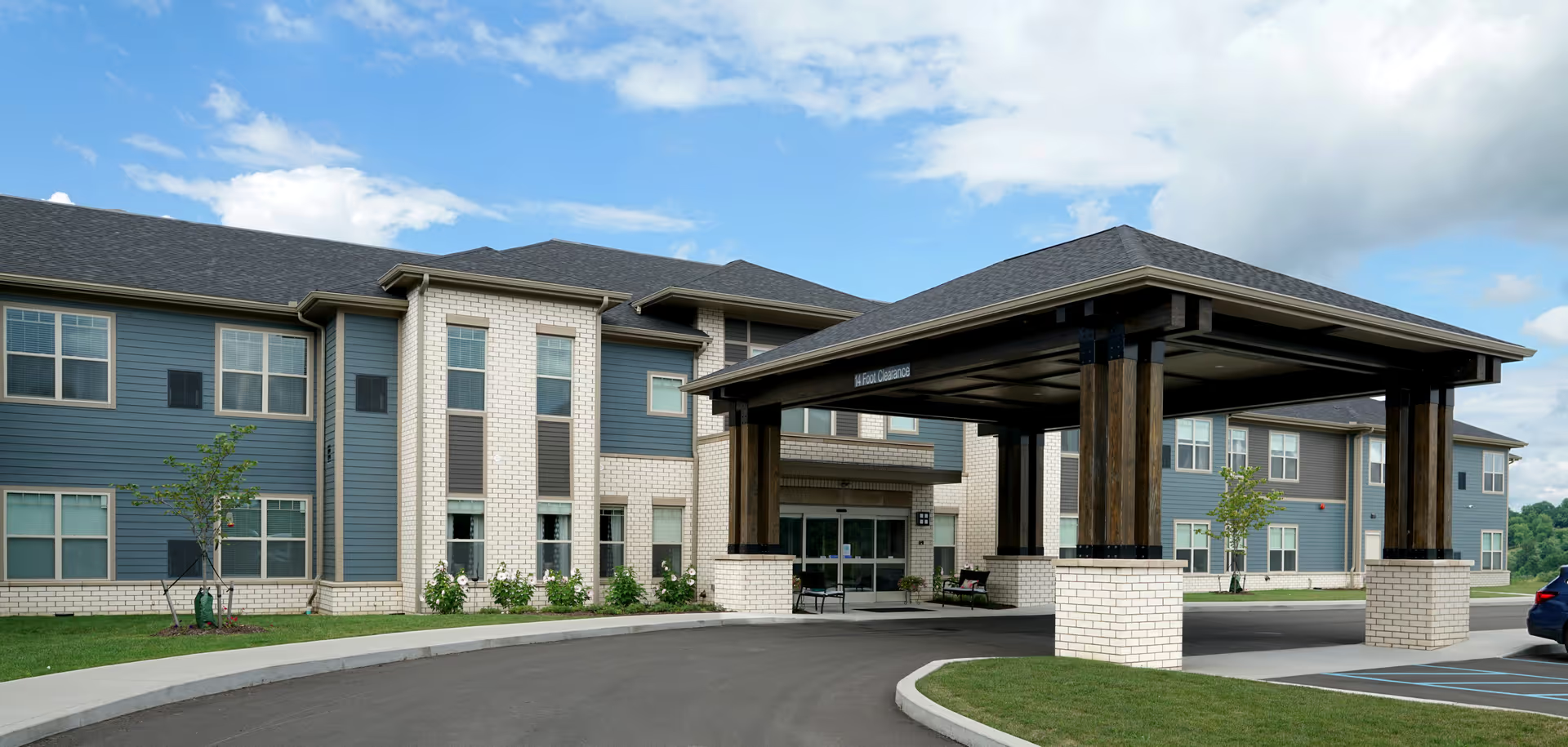
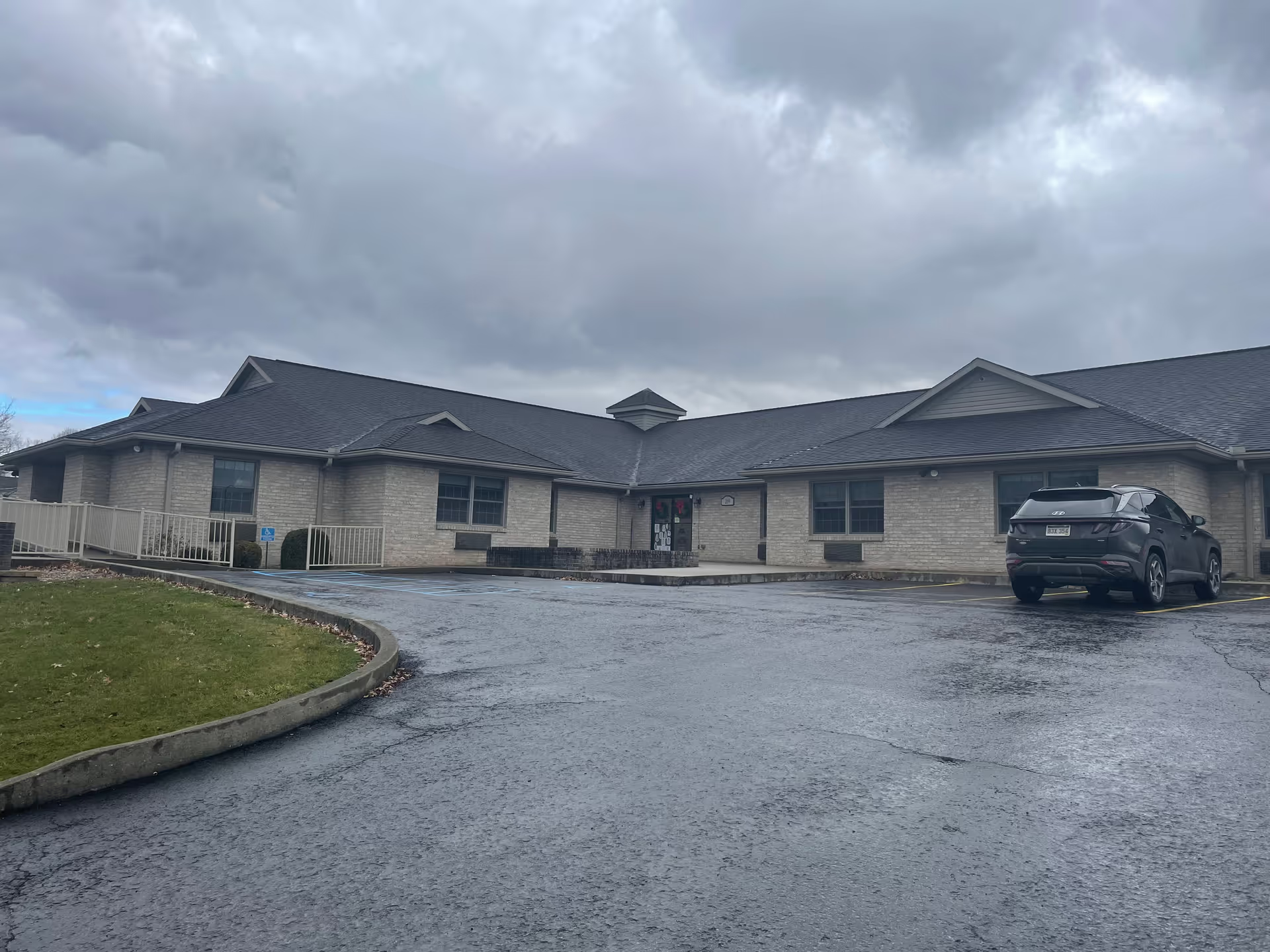
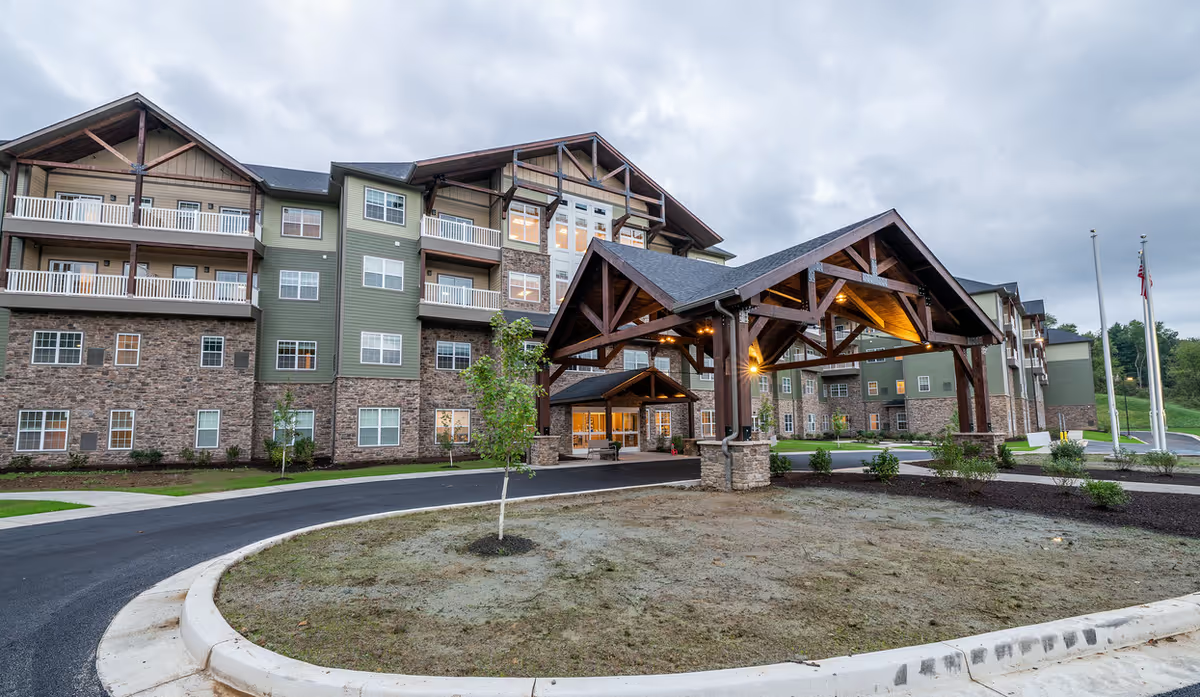
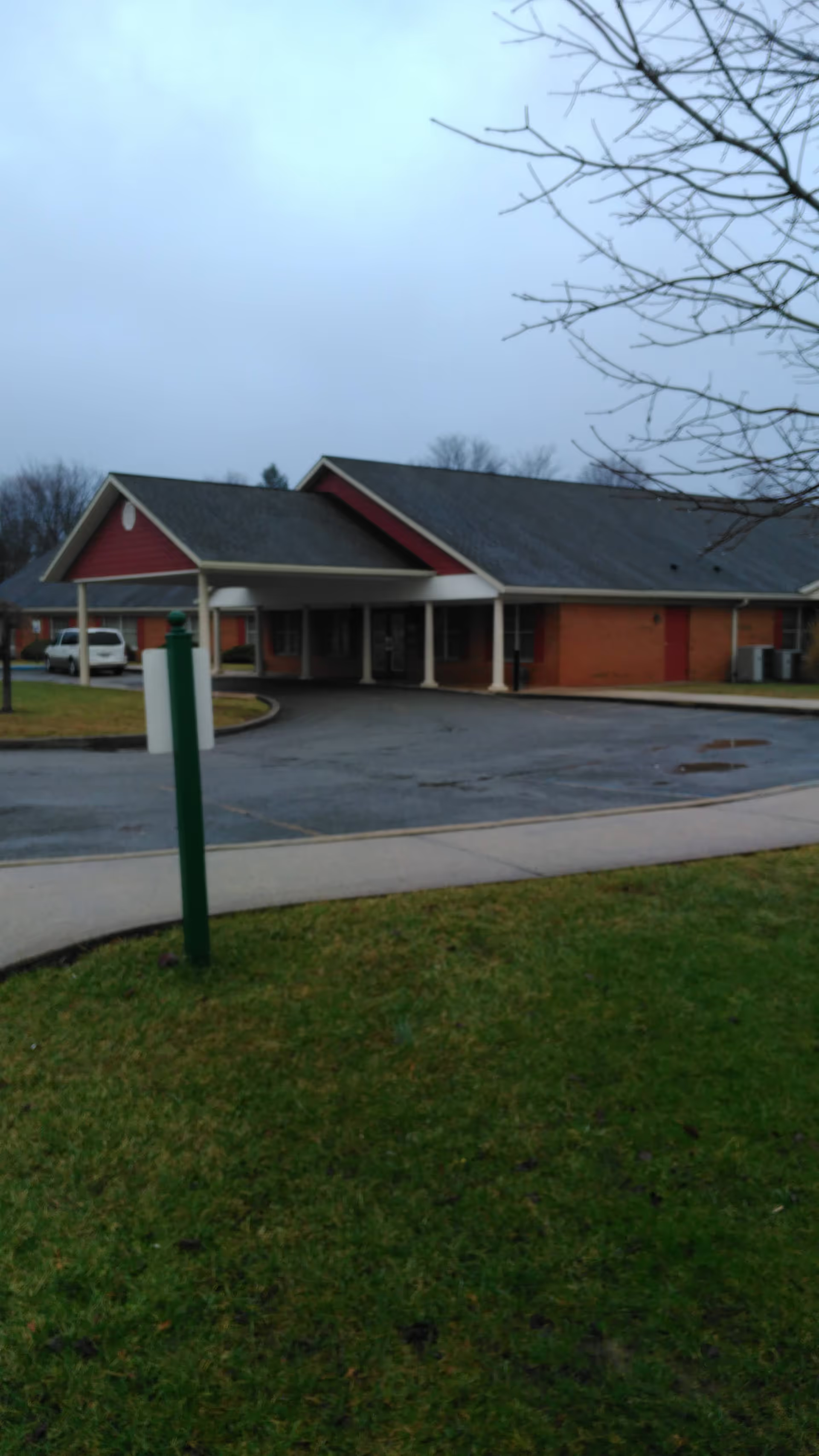
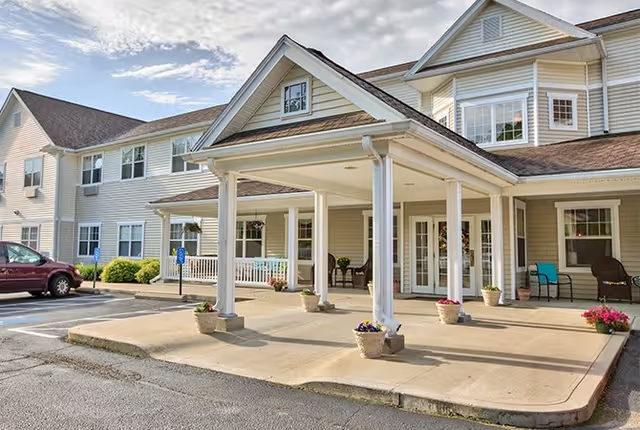
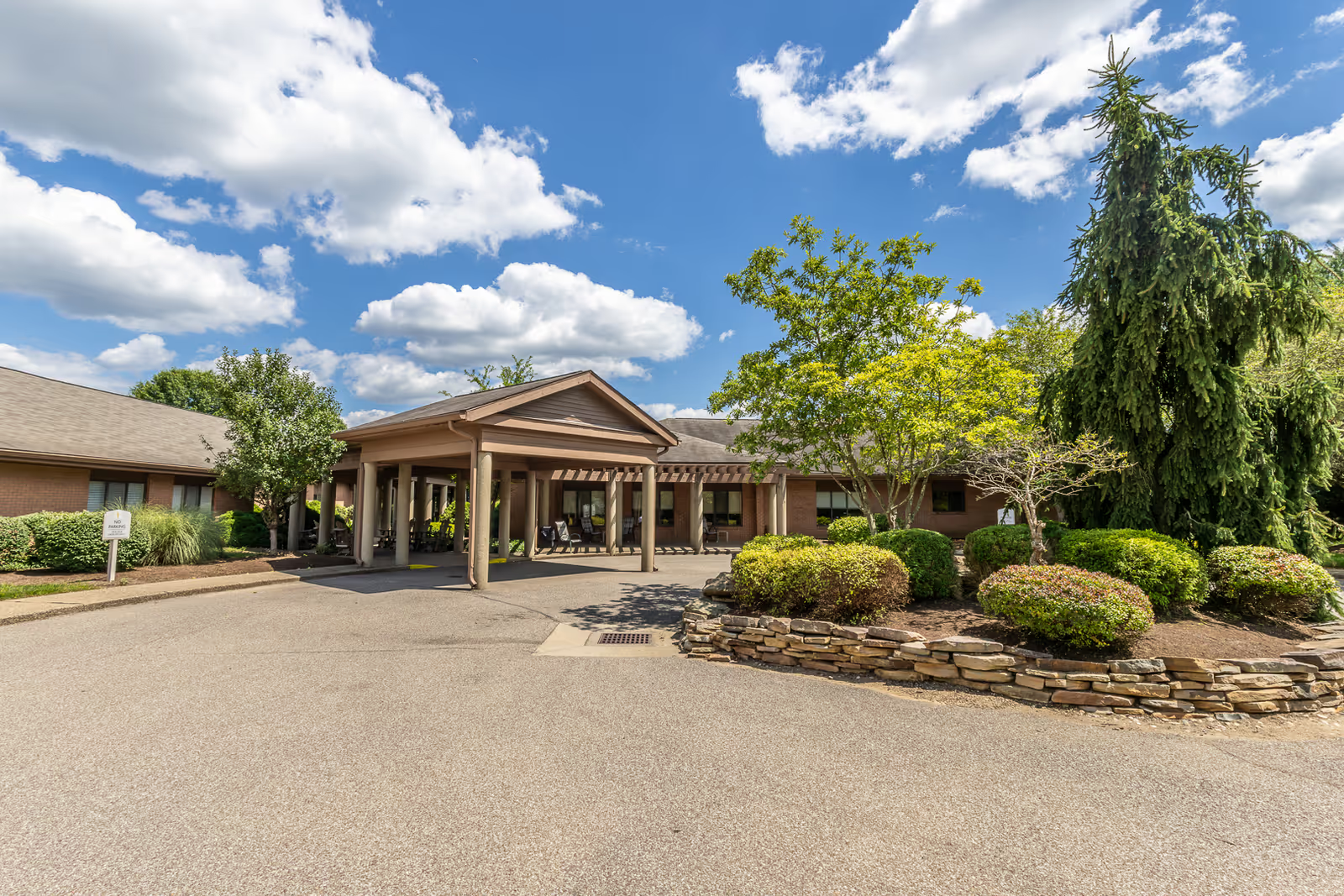
Facilities and environment: Many reviewers appreciate the physical environment — pleasant courtyards, a spacious atrium, and generally clean common areas. However, there are intermittent sanitation and odor concerns reported in specific areas and occasional comments about maintenance (for example, seating options for residents). Front-desk understaffing was also mentioned as affecting first impressions and administrative throughput.
Management and communication patterns: Communication quality is mixed. Numerous clinical staff are described as communicative and responsive, but families also described inconsistent leadership responsiveness and delays in administrative communications (delayed emails, conference-scheduling issues). A few reviews raised serious concerns about family communication and conflict resolution related to legal/POA interactions; these appear to be isolated but are consequential when they occur. Taken together, the pattern suggests reliable bedside care with uneven administrative and leadership performance.
Notable patterns and recommendations: Prospective families can expect compassionate bedside care, effective rehabilitation services, and pleasant communal spaces. Key areas for the facility to address include stabilizing staffing levels (especially overnight and aide coverage), improving leadership and administrative communication workflows, standardizing meal quality, and strengthening activity continuity plans (including virtual backups). Addressing these operational traits would likely reduce family stress and better align management-level practices with the positive clinical care described by many families.