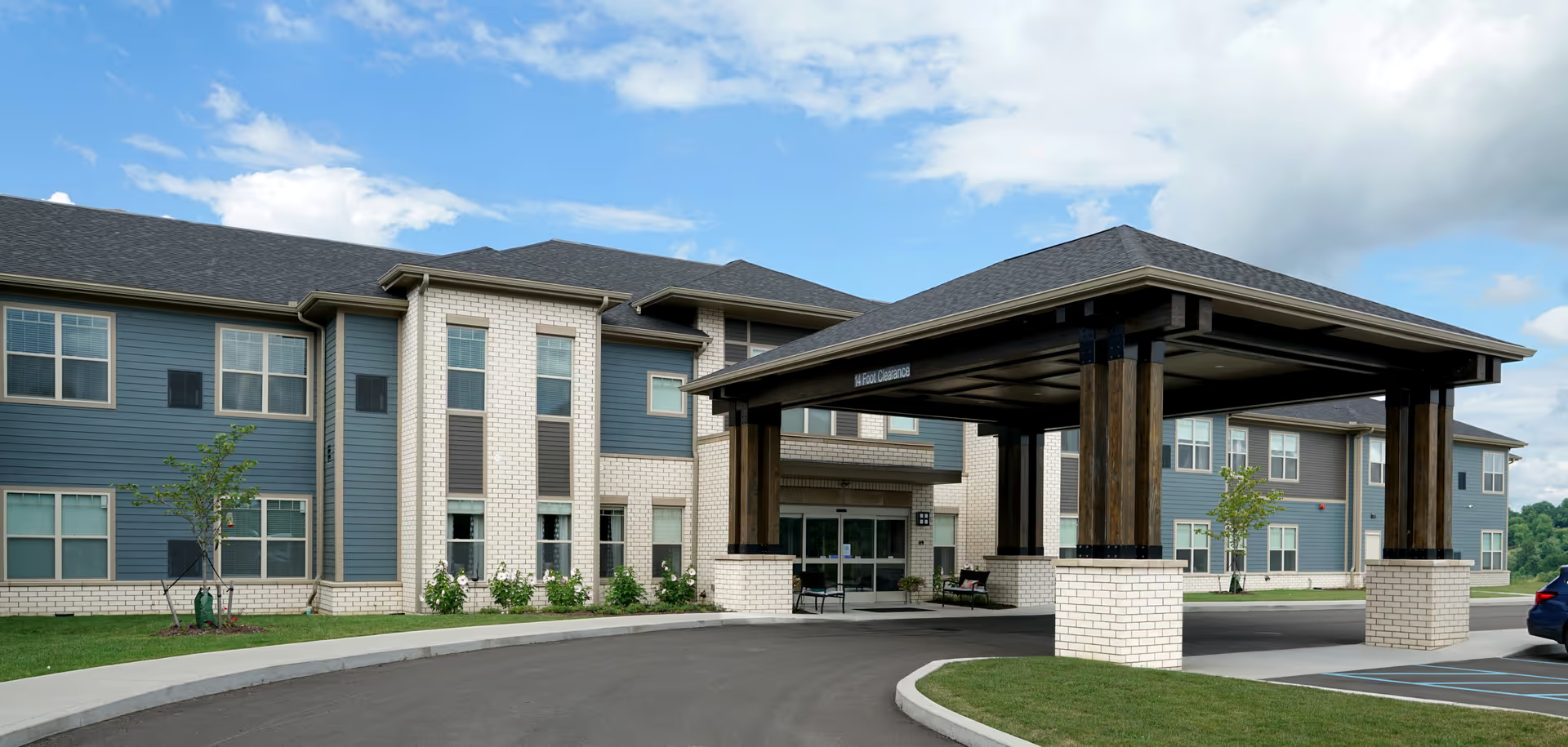
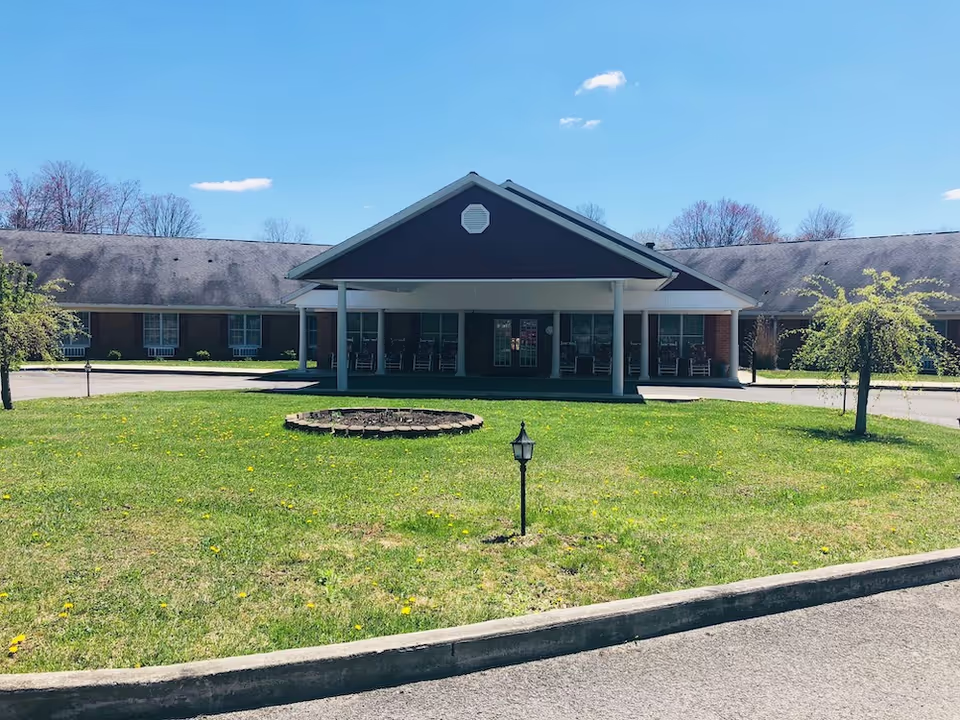
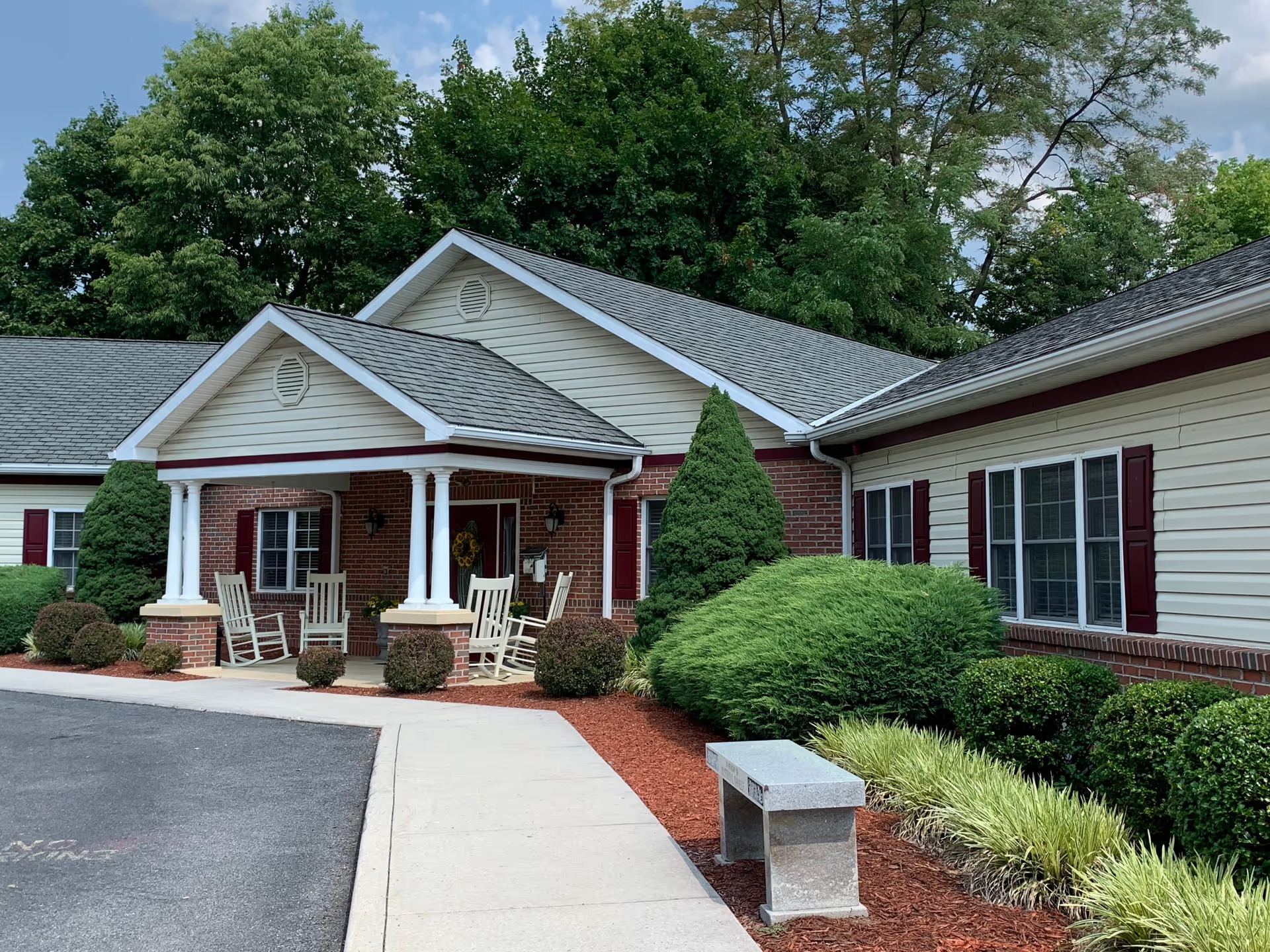
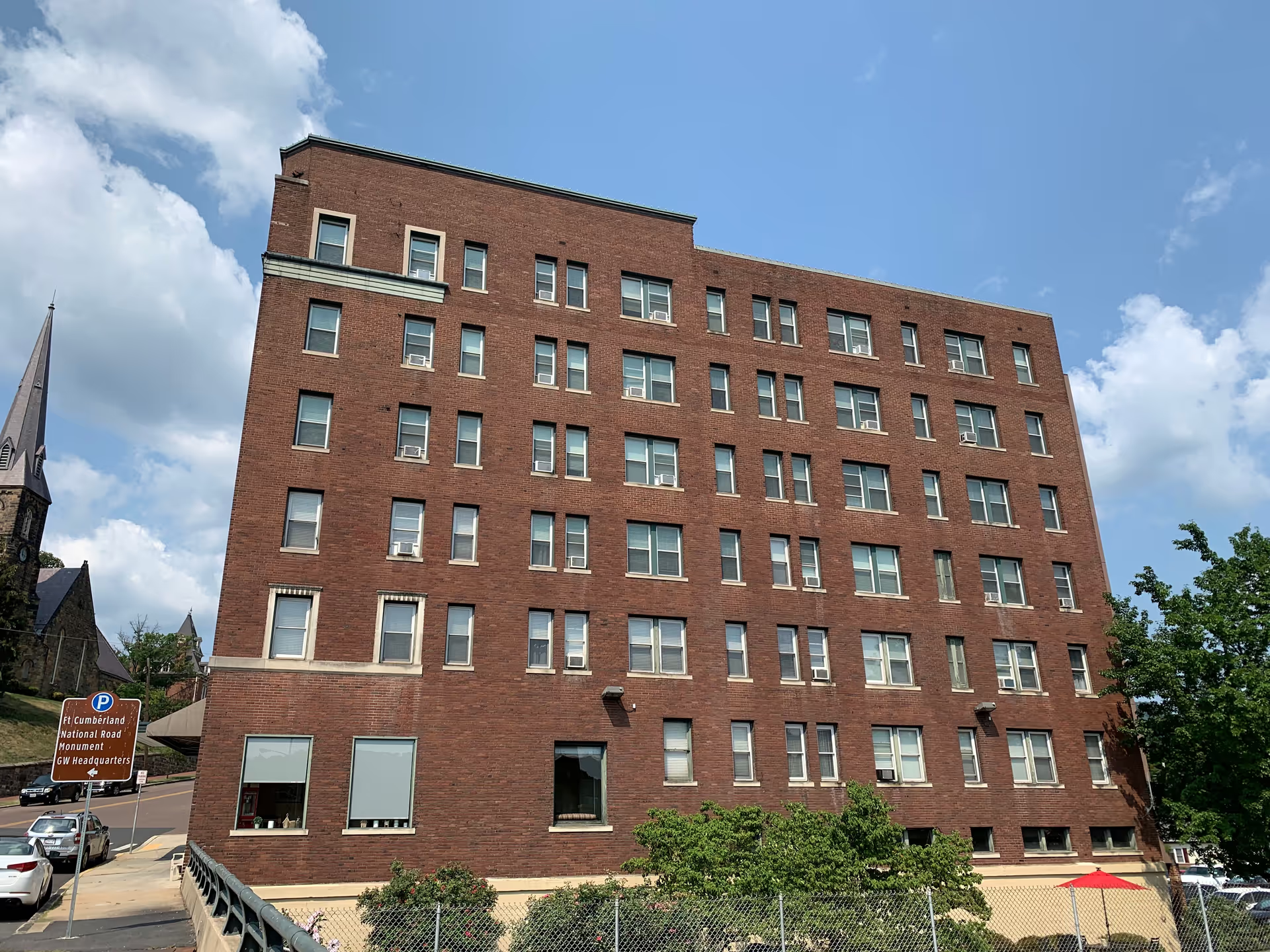
Hopemont State Hospital elicits mixed impressions. Several accounts describe meaningful recovery outcomes for residents engaged in the facility’s substance-use programs; reviewers cited long-term sobriety and effective rehabilitation when participants were actively engaged. Some individuals also described positive, supportive interactions with particular staff members and continuity of care that helped with outpatient maintenance and recovery goals.
At the same time, a number of safety and operational concerns appear across reviews. Reviewers raised issues indicating lapses in staff conduct and accountability, including allegations of criminal behavior by employees and instances that suggest weaknesses in supervision. There are specific references to medication- and substance-monitoring gaps, which reviewers linked to inconsistent drug-testing practices and broader questions about clinical oversight. These concerns contribute to an overall impression of inconsistent care quality and variable supervision levels.
Facility and operational issues were also noted. Cleanliness and general maintenance were described as below luxury standards, with isolated sanitation concerns in some areas. Driving and transport practices were identified as a safety risk by reviewers who described unsafe driving behaviors by staff, pointing to broader deficiencies in transport and on-campus safety protocols. Reviewers also described gaps in incident response procedures and communication, including delays or failures in notifying families and authorities following serious events.
Dining and activities receive less consistent commentary in the available summaries. There is no detailed feedback on meal quality or menu variety; reviewers more often focused on the therapeutic and peer-support aspects of programming. The facility’s recovery-oriented activities appear to be a strength for motivated residents, while recreational and lifestyle amenities may be modest rather than upscale.
Management and oversight emerge as a recurring theme. Reviewers pointed to negative management practices, weak enforcement of policies, and insufficient accountability mechanisms for staff performance and safety. Taken together with the clinical concerns, these management-pattern issues suggest organizational-level improvements are needed in incident reporting, staff screening and monitoring, and standardization of care processes.
In summary, Hopemont State Hospital may provide effective substance-use rehabilitation and supportive peer environments for residents who actively engage in programming. However, prospective residents and families should weigh these potential benefits against documented operational weaknesses: inconsistent clinical supervision, sanitation and facility-maintenance shortfalls, transport-safety concerns, and gaps in management oversight and communication. Those considering the facility should ask specific questions about current staff screening and monitoring practices, incident-reporting procedures, medication and drug-testing policies, and what measures have been implemented to address past safety and notification gaps.