Reviews of Beaver Dam Health Care Center–Bedrock Healthcare reflect a sharply mixed picture, with strong positive experiences described alongside serious operational concerns. Many families and residents praise individual staff members, therapy services, meals, and social programming; however, a notable subset of accounts raises questions about consistent execution of basic care and facility-level oversight. The result is a polarized set of experiences that prospective residents and families should weigh carefully.
Care quality and clinical oversight: Positive accounts emphasize compassionate, attentive caregiving and effective inpatient rehabilitation that produced measurable improvements for some patients. At the same time, multiple reports indicate inconsistent responsiveness to routine care needs, lapses in medication handling and documentation, delays in attending to residents, and concerns about infection-related transfers to hospital. There are also references to regulatory survey findings and subsequent investigations; these items, together with descriptions of clinical oversights, suggest variability in clinical governance and quality-control practices.
Staff and management: Reviewers repeatedly identify warm, helpful front-line staff and administrators who are welcoming and supportive. Yet other accounts describe inconsistent staff competence, inter-shift communication breakdowns, and perceptions of inadequate leadership responsiveness (including difficulties reaching nursing leadership or administration). This variability appears to affect day-to-day reliability of care and family communication. Some reviewers specifically flagged turnover, insufficient clinical supervision, and ownership/management unfamiliarity with clinical operations as contributing factors.
Dining and activities: Many reviews commend the food quality and variety, as well as active social programming, scheduled activities, and transportation to appointments. These offerings are cited as meaningful contributors to resident quality of life. Conversely, some families reported uneven meal quality, limited activity availability in certain periods, and missing amenities, indicating that dining and programming can be strong in practice but inconsistent across time or units.
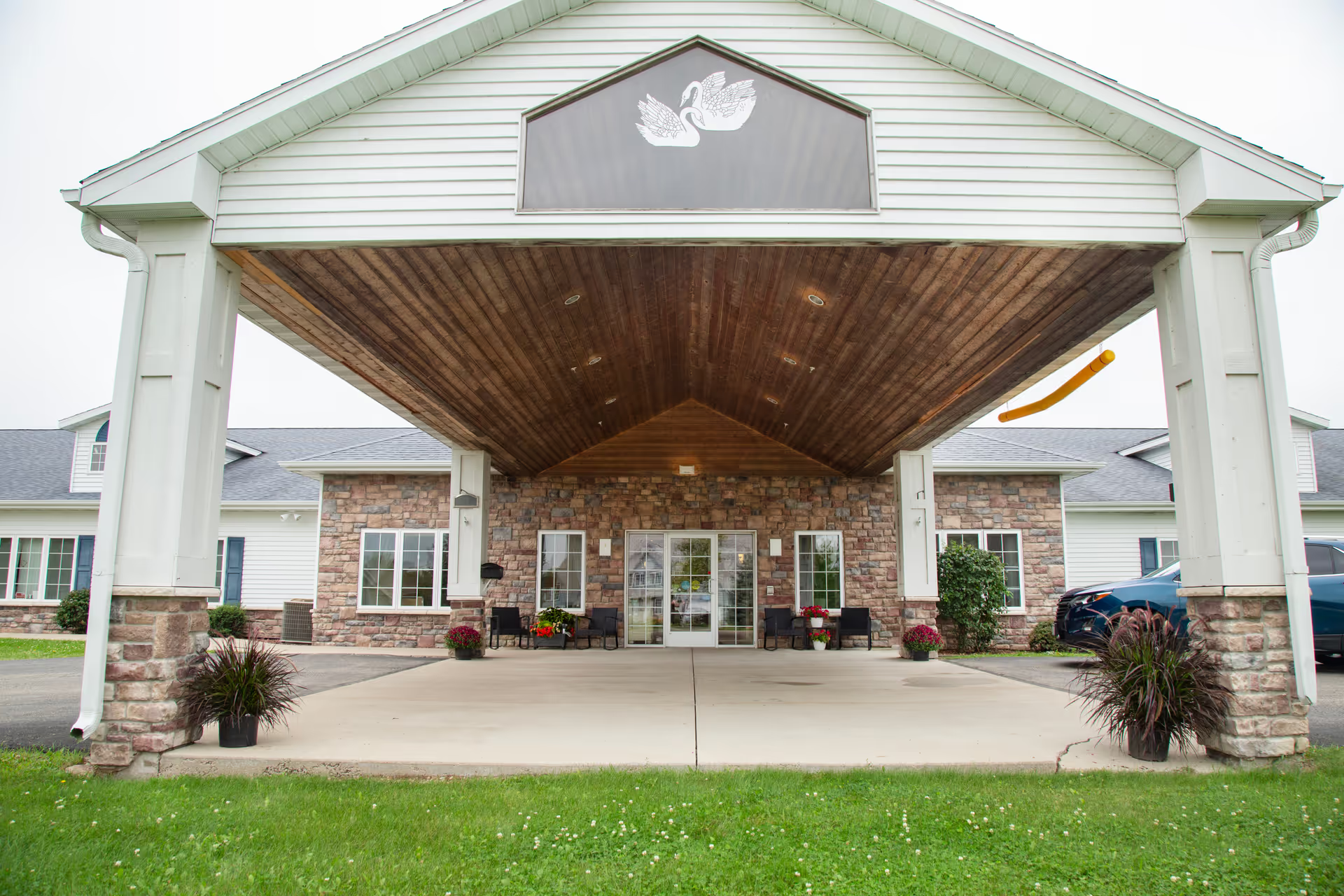
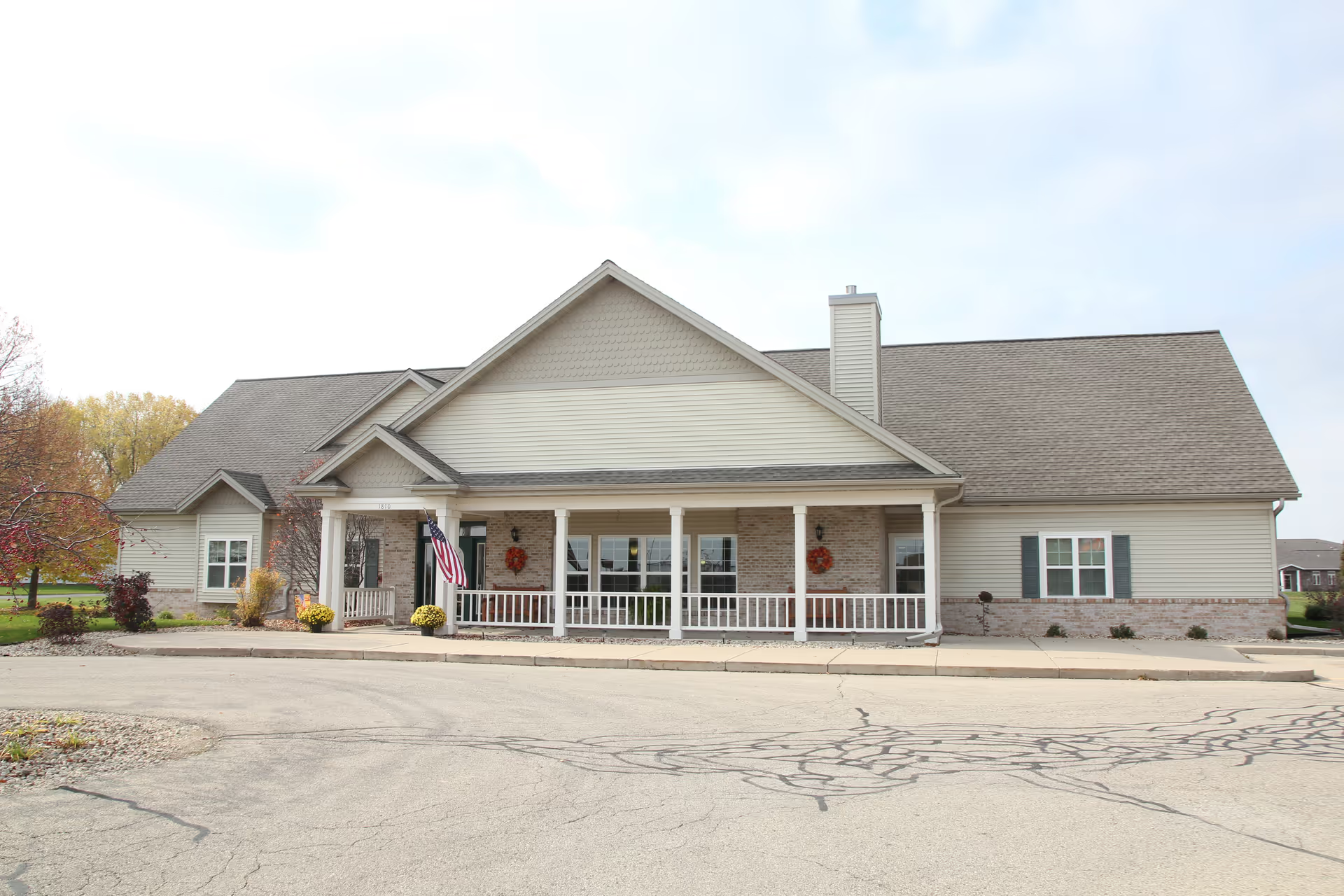
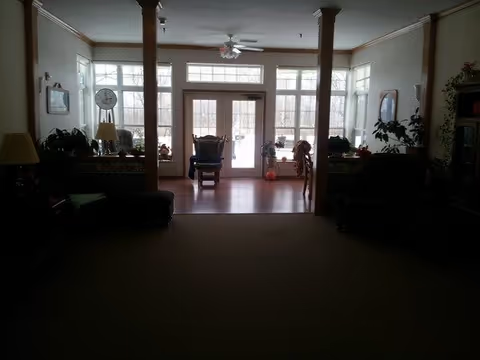
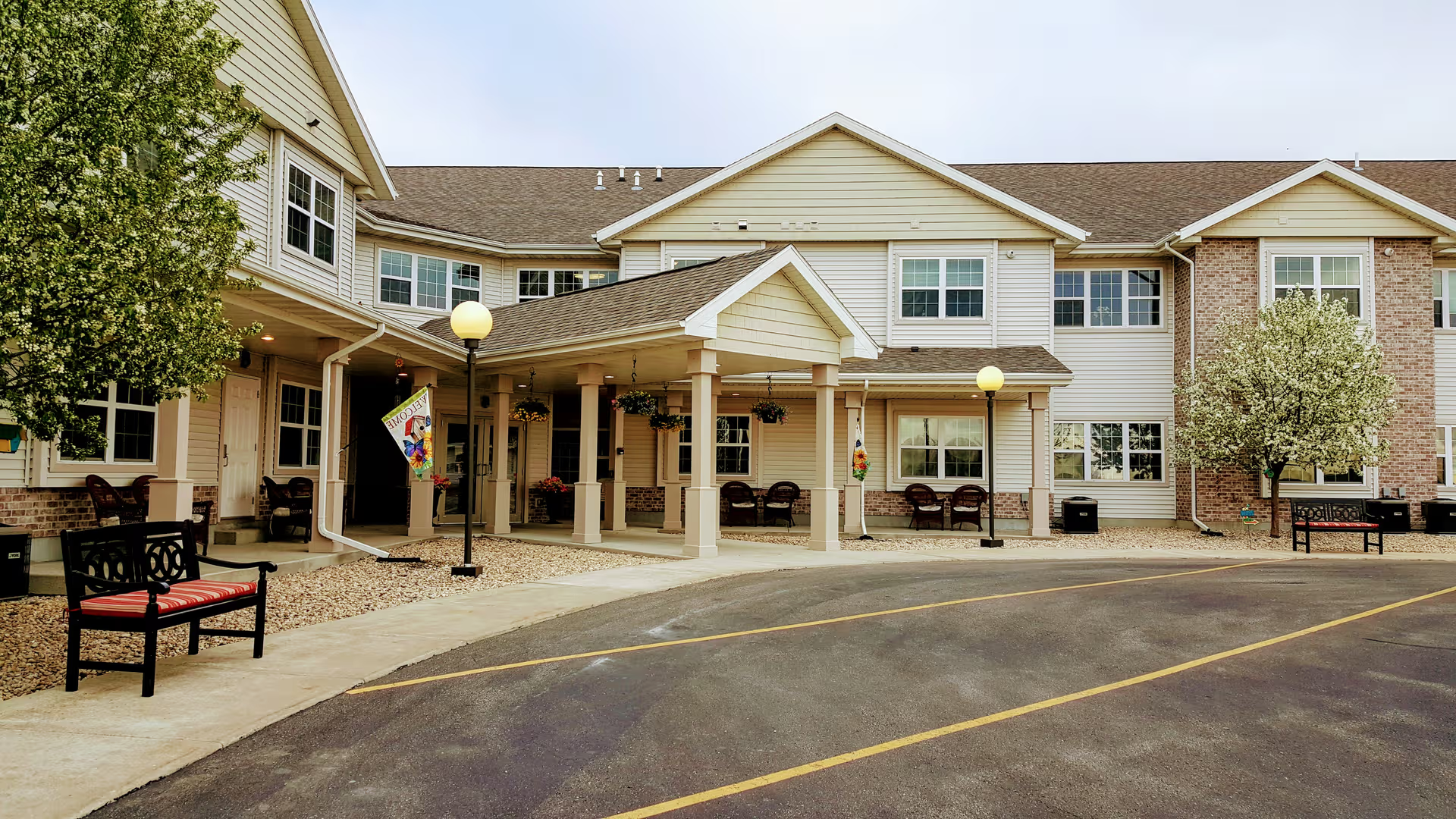
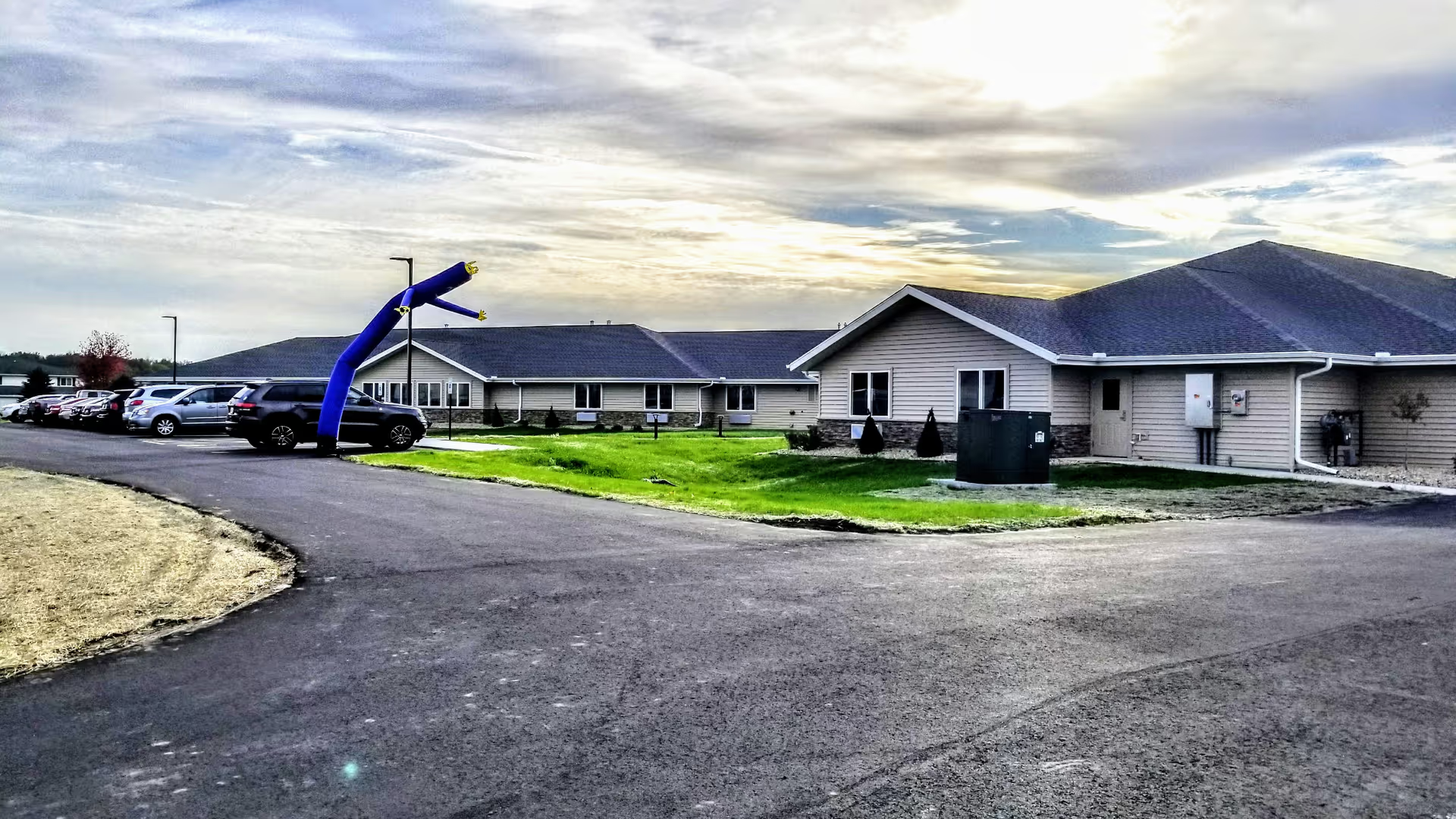
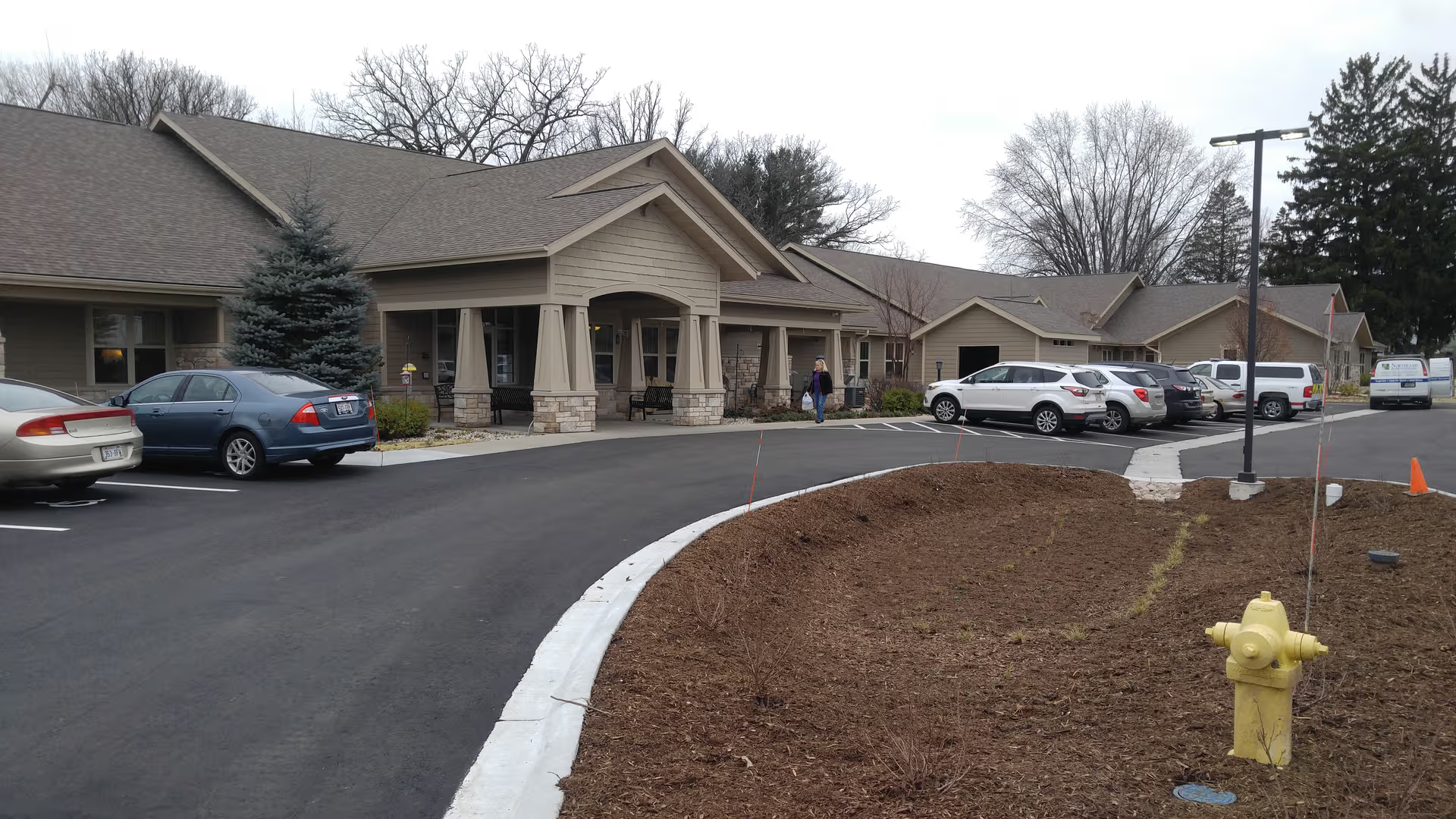
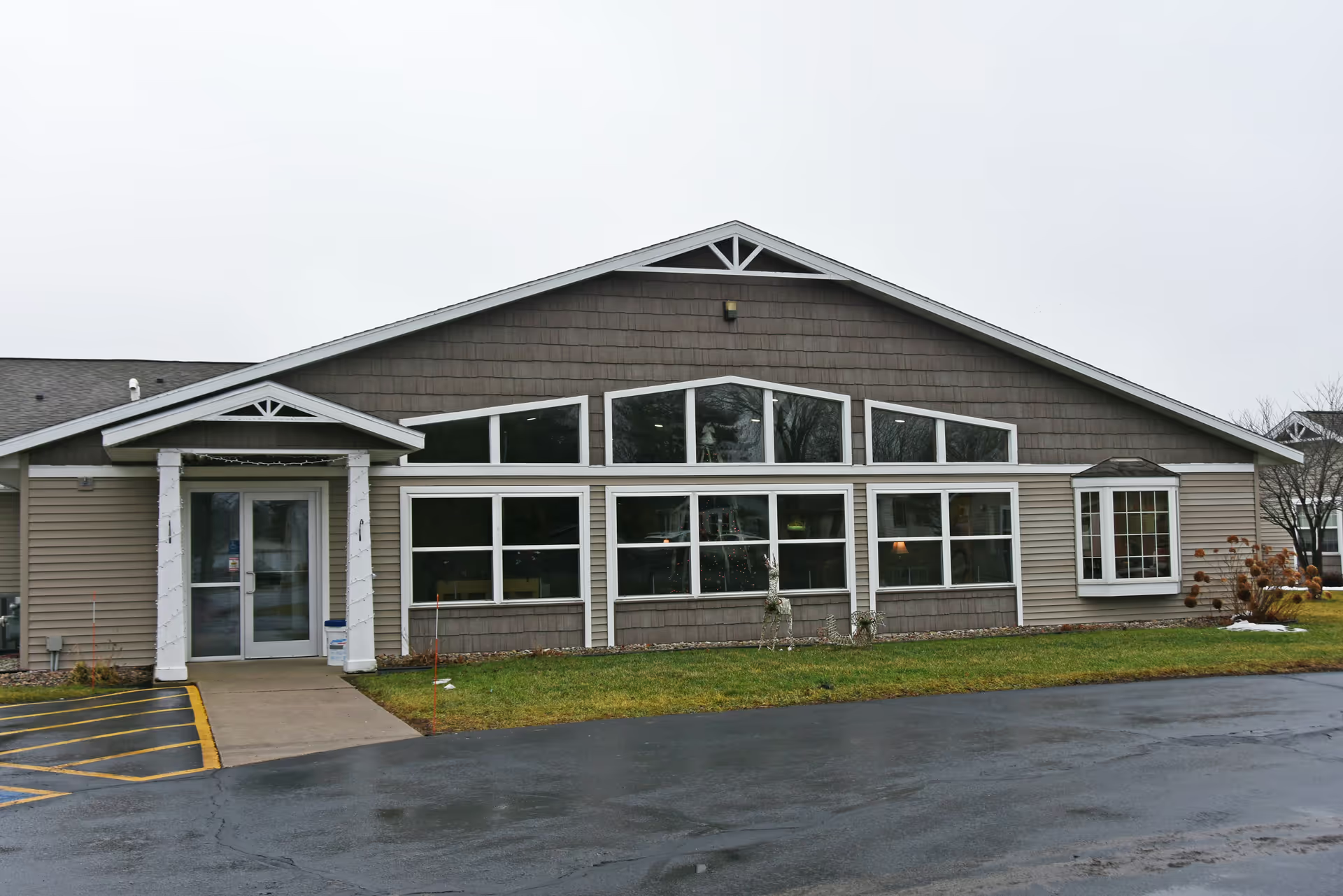
Facilities and safety: Several reviewers describe a generally clean, comfortable facility and apartment-style units; others raise sanitation and pest-control concerns, problems with environmental controls (for example, extremely warm rooms), and issues with equipment or room safety (such as missing bed rails or unsafe bathroom setups). Practical matters such as parking availability and winter snow removal were also noted as potential access and safety considerations for visitors and staff.
Administration, billing, and compliance: There are mixed reports about administrative responsiveness. Positive feedback highlights helpful admissions and discharge coordination, while negative feedback cites unanswered billing inquiries, perceived billing irregularities, and concerns about documentation or telehealth billing practices. Reviewers also described hesitancy to raise concerns for fear of retaliation. The presence of regulatory survey findings and investigations in the record elevates the importance of directly reviewing compliance history when evaluating the facility.
Notable patterns and considerations: The dominant theme is variability—some residents receive attentive, coordinated care and benefit from strong therapy and social programming, while others experience gaps in basic care, communication, and facility maintenance. Families considering this center should conduct an in-person visit, request recent state survey reports and corrective-action information, clarify medication administration and documentation procedures, verify the scope and delivery model of advertised therapy services, and ask how the facility manages staff training, inter-shift communication, and complaint escalation. Those steps can help determine whether the facility’s strengths align with a prospective resident’s clinical and lifestyle needs.