Overall impression: Reviews present a mix of strong positives and notable operational concerns. Many families and visitors praise Charleston House Memory Care for its attentive caregiving, appealing physical environment, engaging activities, and quality dining; these strengths contribute to a generally warm, home-like atmosphere for residents. At the same time, several recurring operational issues — particularly around staffing, communication, and some aspects of personal-care delivery — appear often enough that prospective families should evaluate those areas directly during a tour and in follow-up conversations with leadership.
Care and staff: Numerous accounts emphasize compassionate, available caregivers and a staff that is willing to engage with families about resident needs. Memory-care programming and one-on-one attentiveness are frequently cited as strengths. However, a consistent theme is staffing instability: reviewers describe short staffing, overworked employees, and turnover. Those conditions are tied to concerns about inconsistent responsiveness to personal-care needs and a small set of serious allegations regarding staff conduct and personnel practices. In practical terms, families should ask about current staffing ratios, staff tenure, training in dementia care, and the facility’s process for documenting and addressing care concerns.
Dining: Dining receives generally positive comments, with multiple mentions of fresh, high-quality meals and residents enjoying food. A few reviews reflect limited personal exposure to meal service when stays were brief, but the prevailing impression is that dining is a strength of the community. Inquiries about special-diet accommodations, meal schedules, and monitoring during assisted-feedings are reasonable given other safety-related comments.
Activities and engagement: The activity program is frequently described as robust, with tailored memory-care activities, social events, and frequent outings that contribute to resident engagement and satisfaction. At the same time, some families noted variability in activity staffing and leadership, including instances where program responsibilities appeared to shift to residents or where favoritism affected participation. Prospective families should review typical weekly activity calendars and ask how staffing is allocated to activities versus direct caregiving.
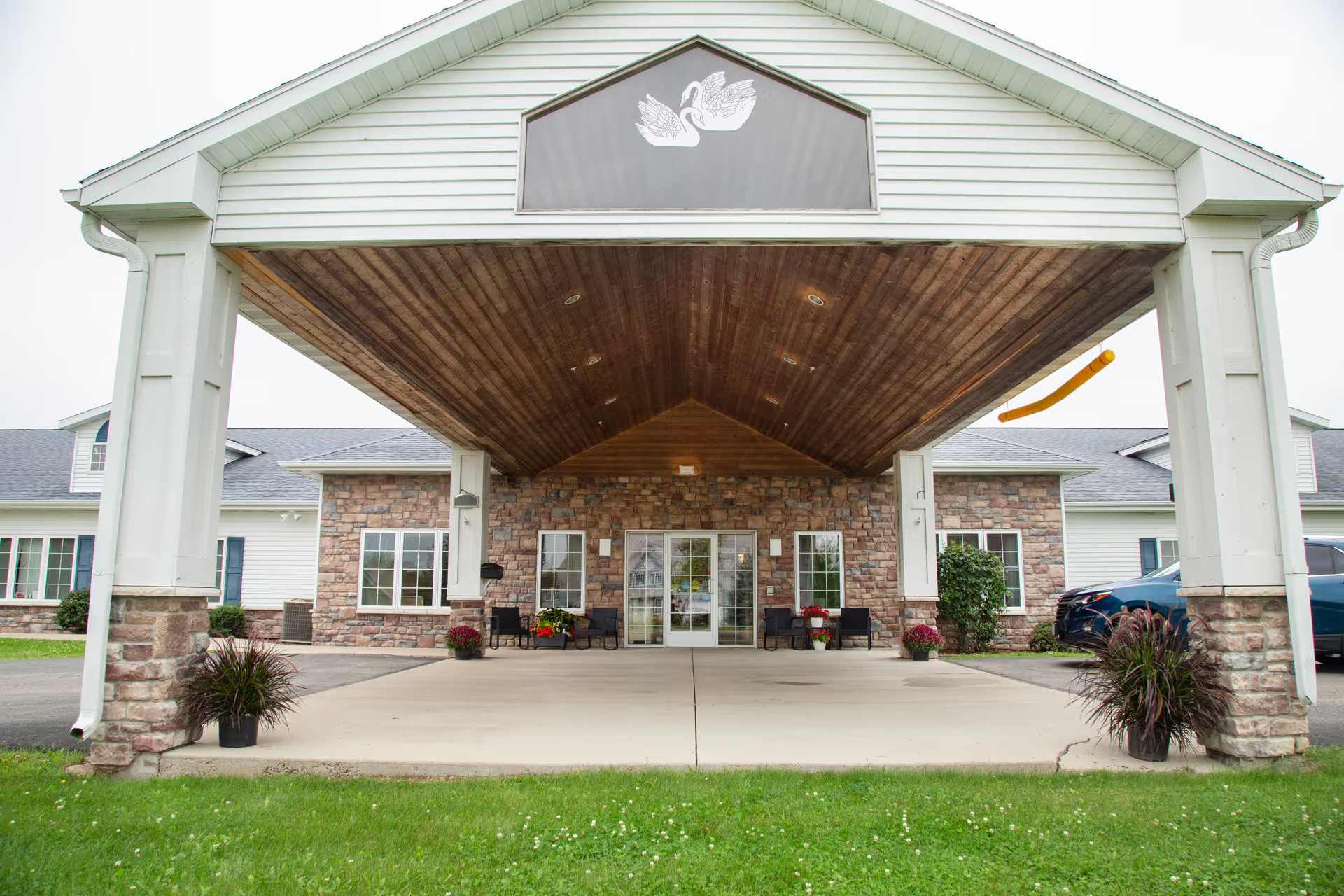
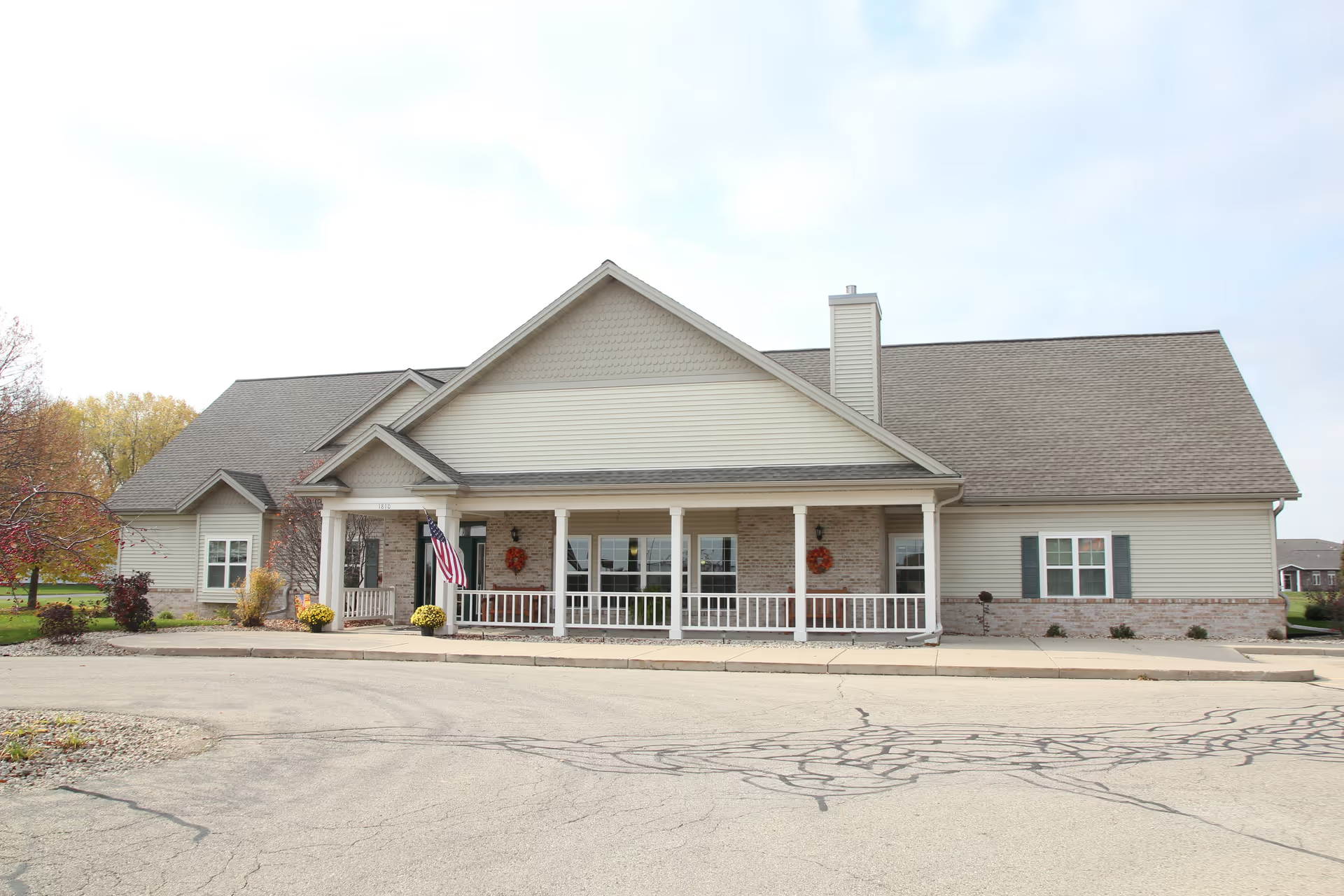
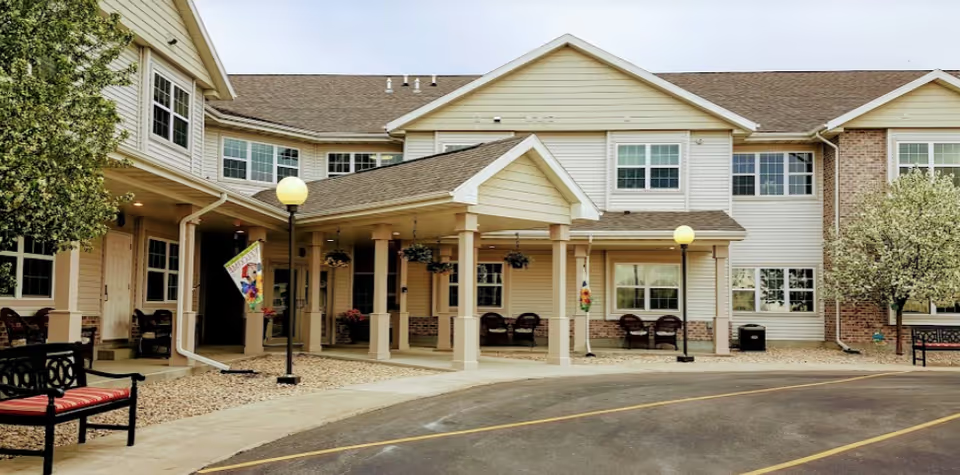
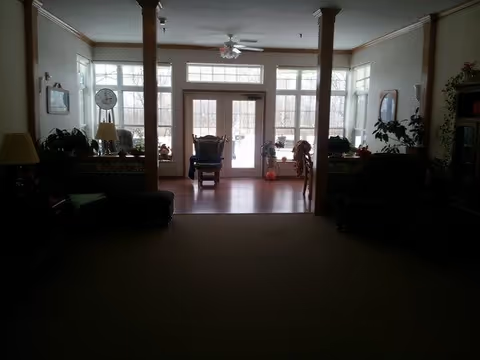
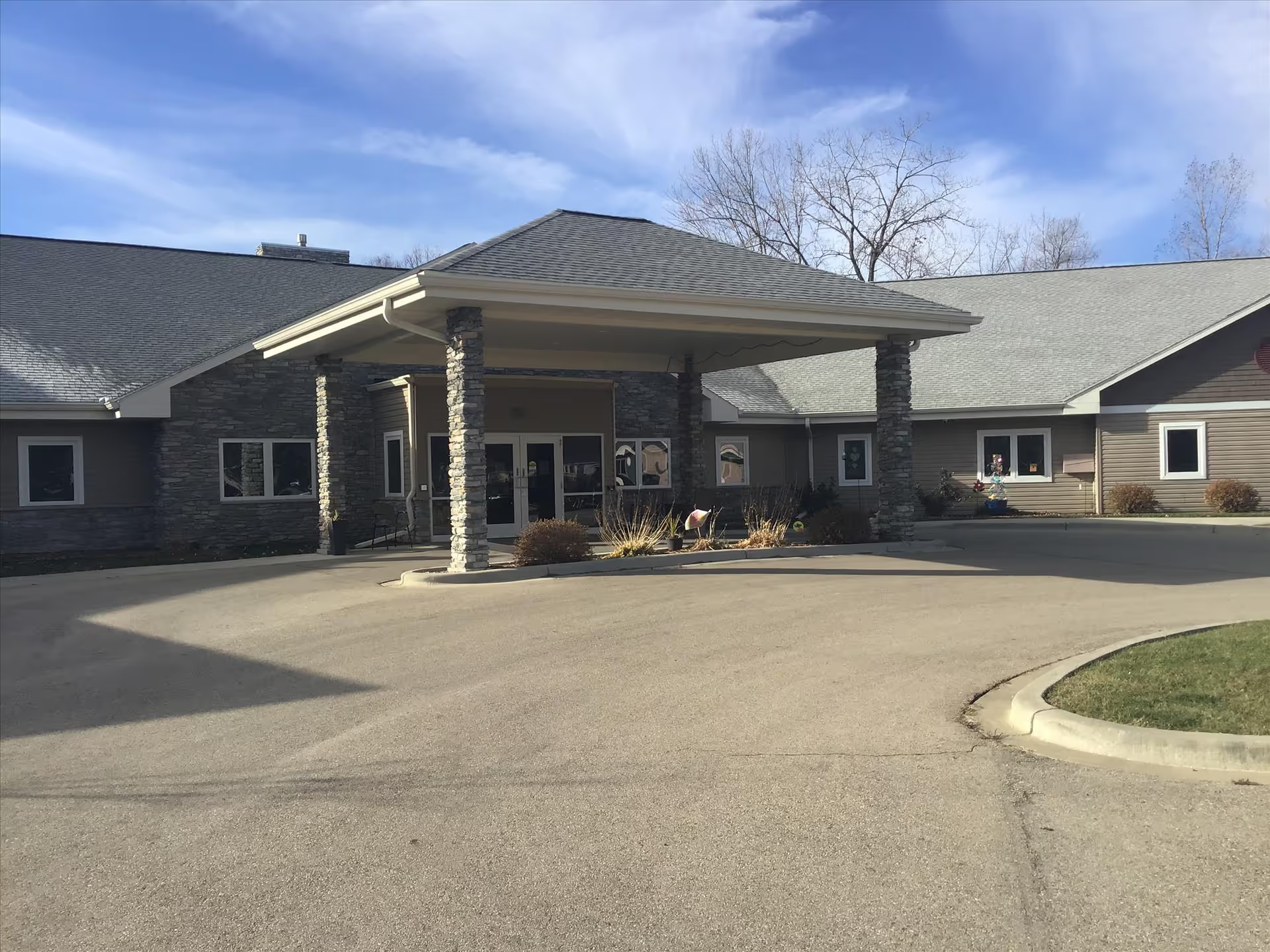
Facilities and environment: The facility is commonly described as clean, well-kept, and attractive, with comfortable, roomy apartments. Several reviewers used positive language about interior upkeep and exterior grounds. Conversely, some comments point to darker interior areas and a need for refreshed paint or lighting in portions of the building. A tour should include visiting different wings and common spaces at various times of day to assess light levels and general ambiance.
Management, communication, and patterns to verify: Management is characterized in mixed terms — approachable and available by some families, but difficult to reach or uneven in communication by others. Recurrent themes include difficulties contacting staff quickly and inconsistent family communication during incidents. Additionally, a few reviews raise concerns about human-resources practices and disciplinary actions; these are serious in tone and warrant direct discussion with leadership and review of licensure or inspection records where relevant. Visitation policies were also noted as restrictive at times (for example, limited in-person access), so confirm current visitation rules during inquiry.
Recommendation: Charleston House shows clear strengths in caregiving, activities, dining, and facility upkeep that many families find valuable for memory-care needs. At the same time, the pattern of staffing pressures, communication gaps, and isolated but serious conduct-related allegations suggests families should perform specific due diligence. When considering placement, ask for up-to-date staffing ratios, turnover statistics, examples of staff training and supervision, protocols for assisted feeding and incontinence care, recent inspection or survey results, and the facility’s current visitation policies. A focused tour and conversation with both management and current resident families will help clarify whether the community’s operational practices align with your expectations.