Overall impression: The reviews present a polarized picture of ARIA of Brookfield. Several reviewers praised specific clinical services and individual staff members, while a substantial portion described recurrent operational deficiencies that they felt impacted resident safety and comfort. The pattern suggests pockets of good practice—notably in rehabilitation services—and broader, systemic problems in daily care operations, environmental maintenance, and management continuity.
Care quality and clinical oversight: Physical and occupational therapy are consistently identified as a strength; families and residents frequently described therapists as skilled, proactive, and effective at restoring function. By contrast, clinical oversight in nursing and wound management is described as uneven. Reviewers reported missed or delayed medications, inconsistent insulin timing, gaps in wound and skin care, and episodes in which dialysis or other treatments were perceived as below expected standards. These issues point to weaknesses in clinical coordination, medication administration processes, and continuity of care.
Staffing and responsiveness: A central theme is staffing instability and insufficient staffing levels. Many accounts characterize long call-light response times, delayed pain medication, and limited assistance for toileting and bathing. Some reviewers noted compassionate, hardworking CNAs and nurses who tried to compensate; however, the staffing shortfalls and high turnover appear to produce unreliable day-to-day responsiveness and variable staff conduct.
Dining and nutrition: Dining reports are mixed but trend negative. Common concerns include small portions, cold or poorly seasoned meals, lack of appropriate diabetic or therapeutic meal options, and inconsistent meal service. There are occasional positive notes about breakfasts, specific entrées, or short-term improvements, but the overarching theme is unreliable nutrition delivery and inadequate safeguards for special diets, which some families linked to significant weight loss.
Activities and rehabilitation: Therapy services and organized activities (music, poetry, group sessions) receive favorable comments. In-room rehab availability, attentive therapists, and engaging programming were highlighted as meaningful contributors to recovery and quality of life for some residents.
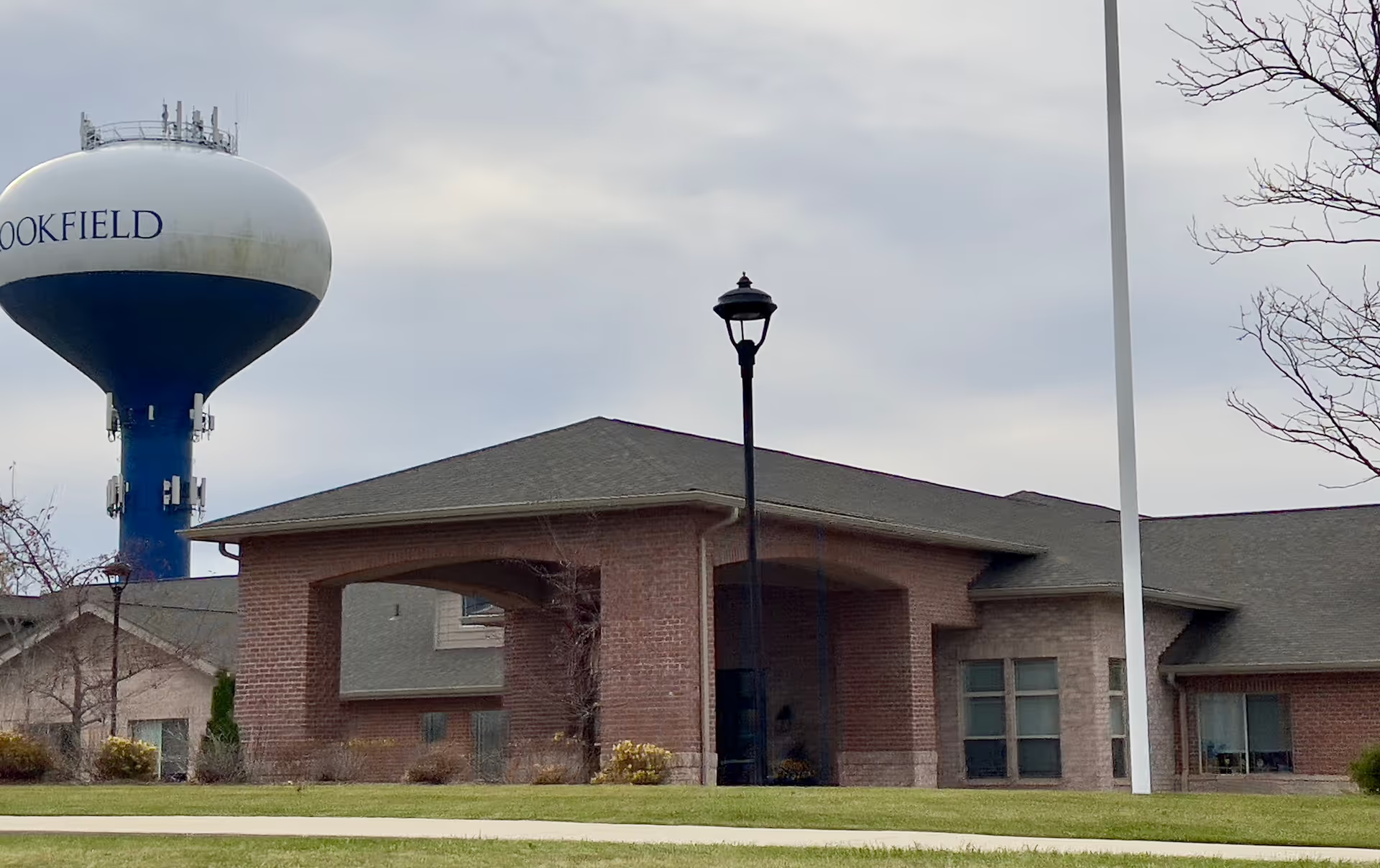
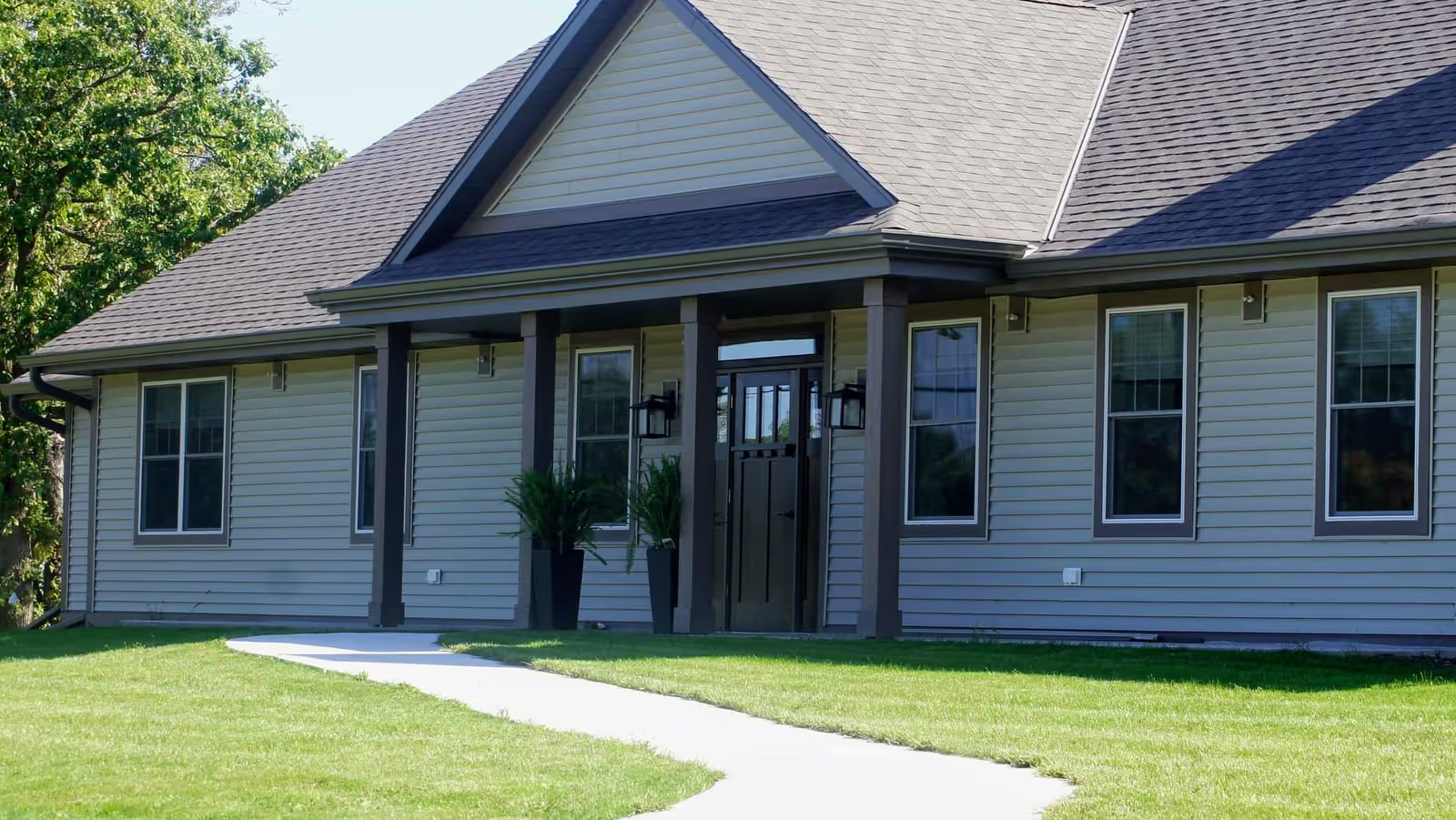
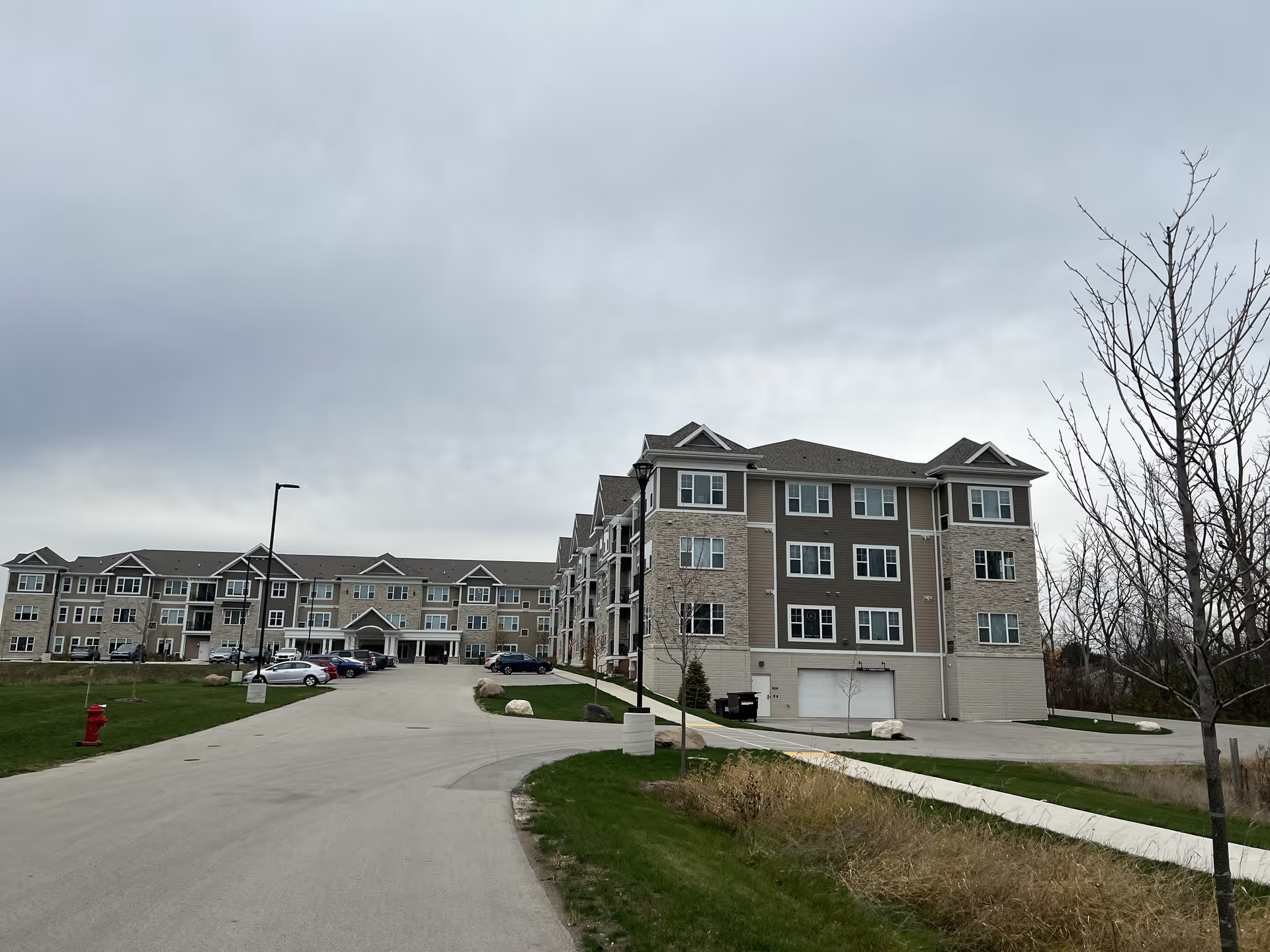
Facilities and housekeeping: Reviews indicate variable environmental conditions. Positive reports mention clean, comfortable private rooms and pleasant outdoor views, while negative reports describe persistent cleanliness issues, odor concerns in hallways and rooms, lapses in laundry and linen management, and maintenance needs such as dated elevators and décor. There are also mentions of pest-control concerns and inconsistent infection-control practices, suggesting areas for immediate remediation.
Management and communication: Multiple reviewers cited frequent administrative turnover, inconsistent communication with families, misinformation about insurance or discharge procedures, and pressure to discharge. Conversely, some families reported responsive admission staff and administrators who escalated concerns effectively. The overall pattern suggests uneven leadership and governance, with some competent individuals but systemic gaps in oversight and quality assurance.
Notable patterns and implications: The body of feedback reflects a bifurcated experience—high-quality therapy and helpful admissions on one hand, and recurring operational and clinical reliability issues on the other. The most consistent operational weaknesses are staffing instability, delayed clinical responsiveness, inconsistent medication administration, and environmental/housekeeping shortfalls. These are the kinds of systemic issues that typically benefit from targeted management intervention, staffing stabilization, stronger medication-administration controls, and more rigorous environmental and infection-control oversight.
For prospective residents and families: If rehabilitation services (PT/OT) or on-site dialysis are primary needs, the facility has demonstrable strengths to consider. At the same time, families should seek clear, current information about staffing ratios, wound-care and medication protocols, infection-control practices, and how the facility addresses dietary restrictions. Requesting recent staffing rosters, quality/incident reports, and the process for communicating clinical changes to families can help assess whether the facility’s current operations match individual care needs.