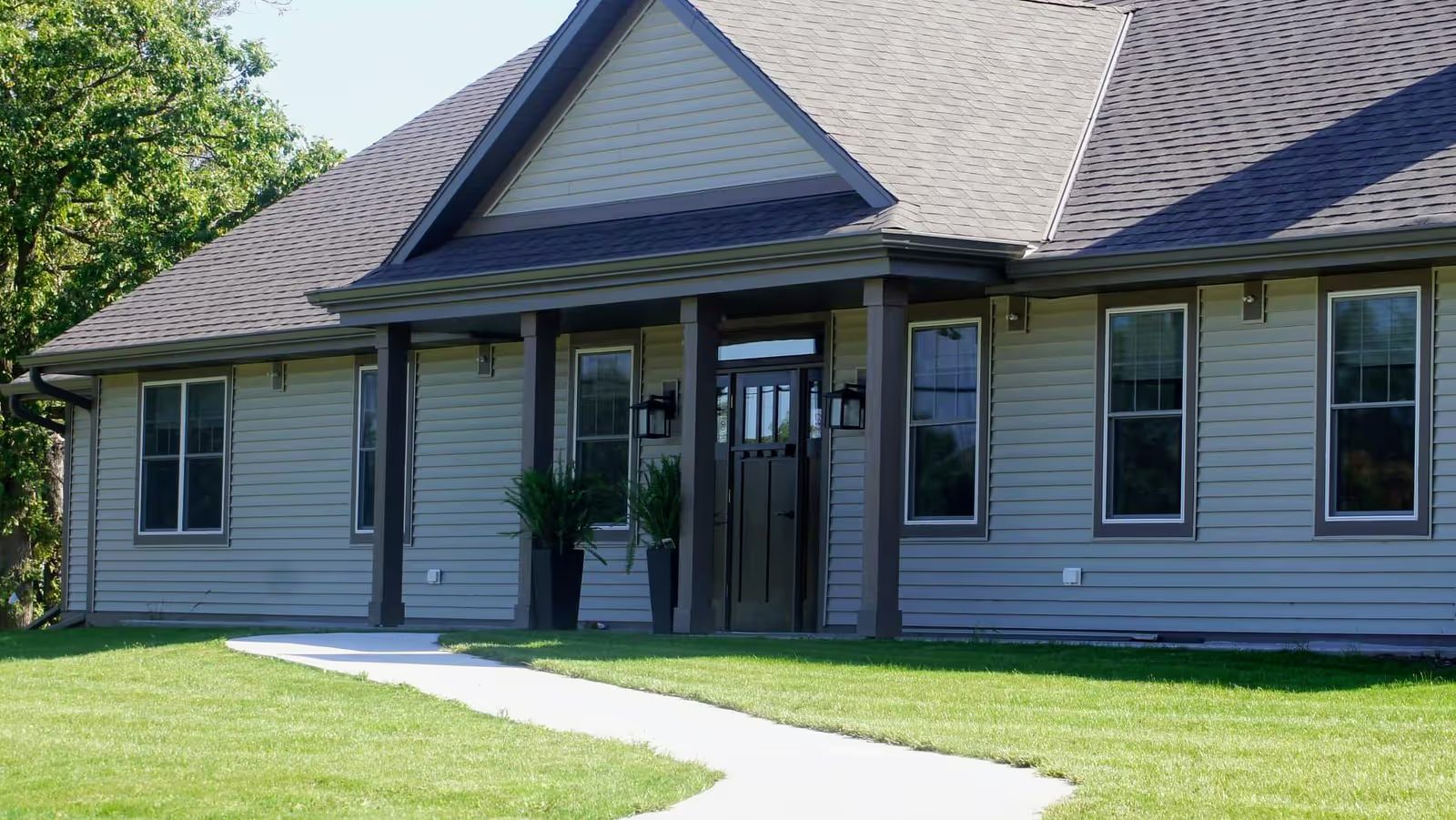
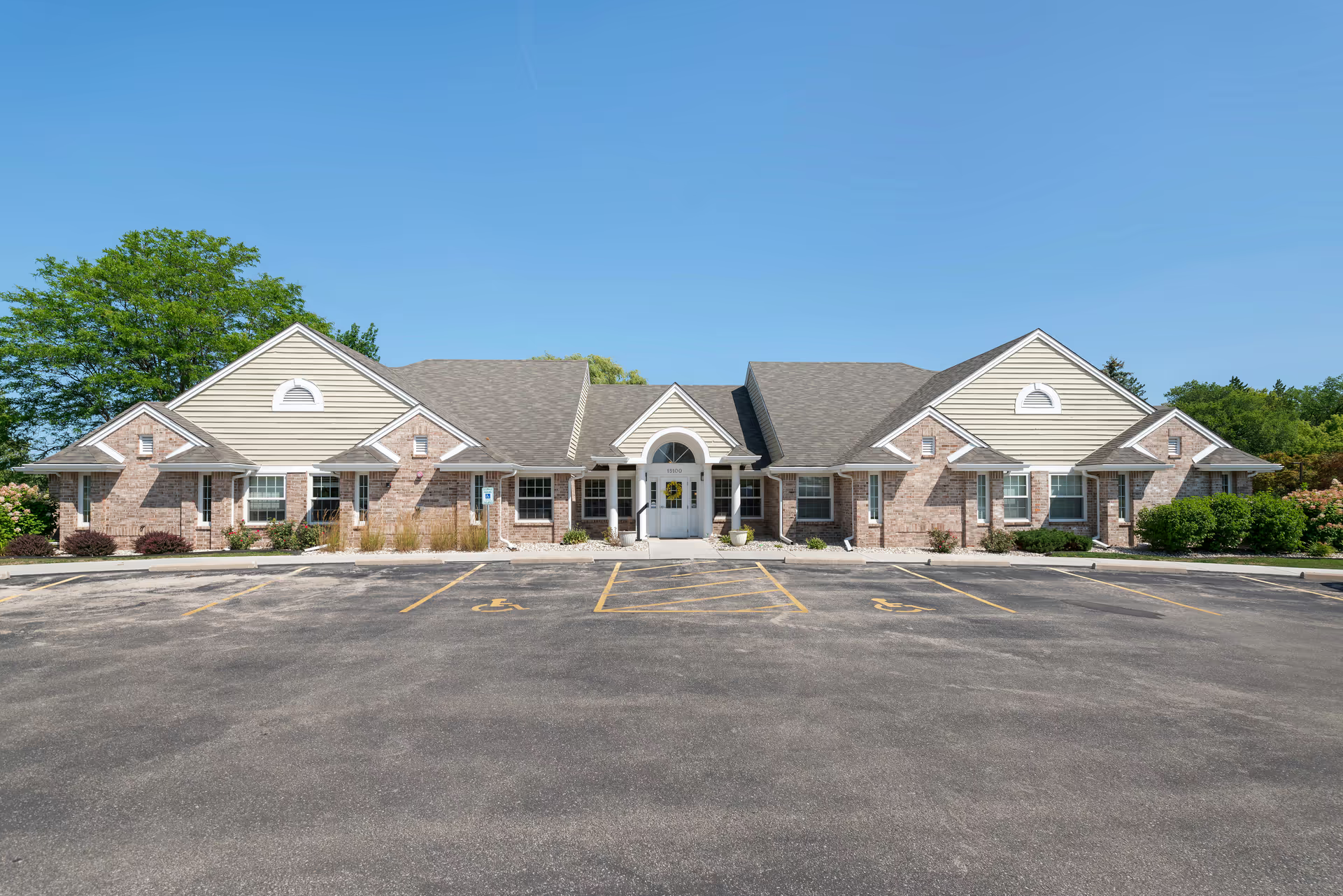
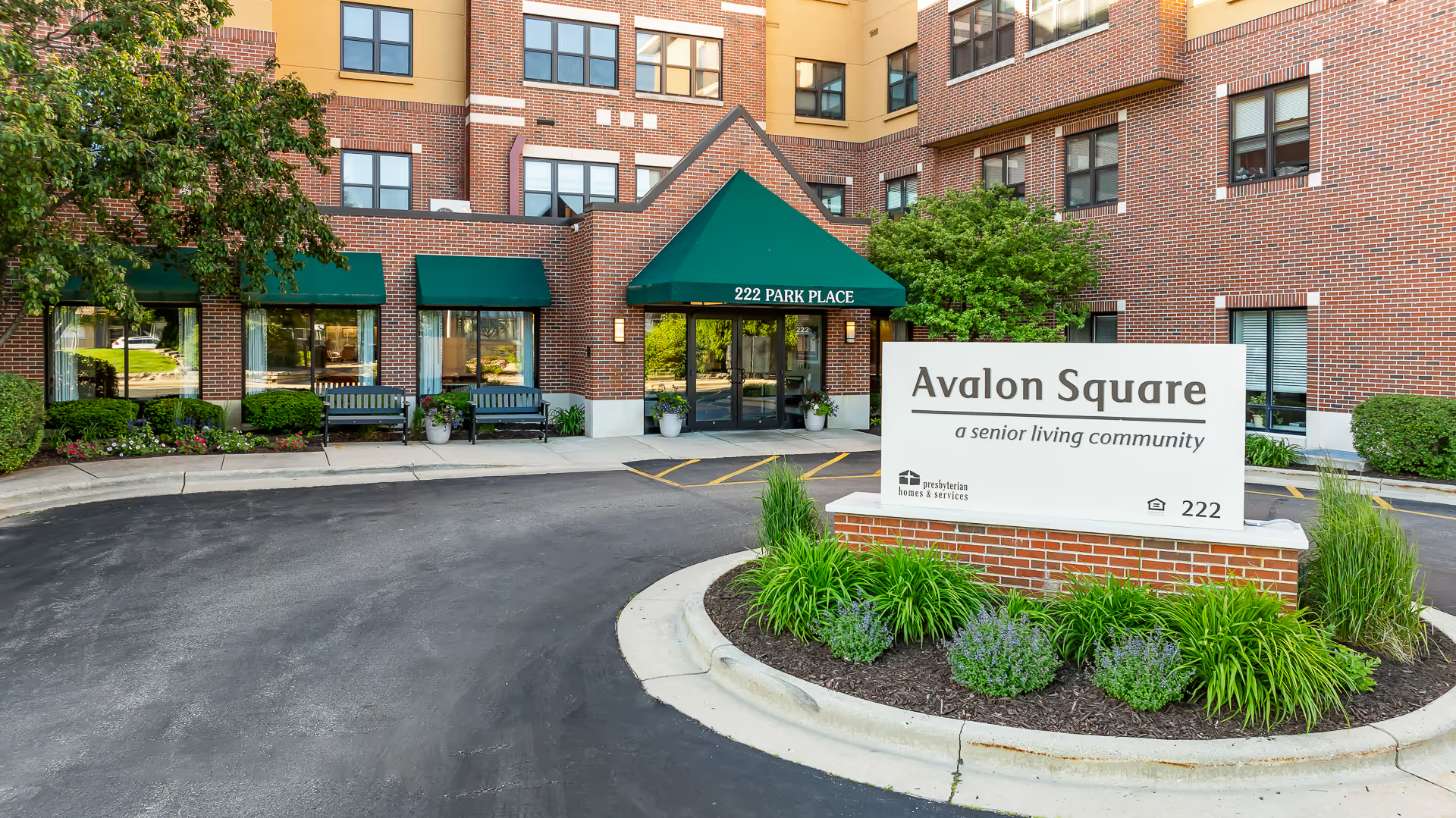
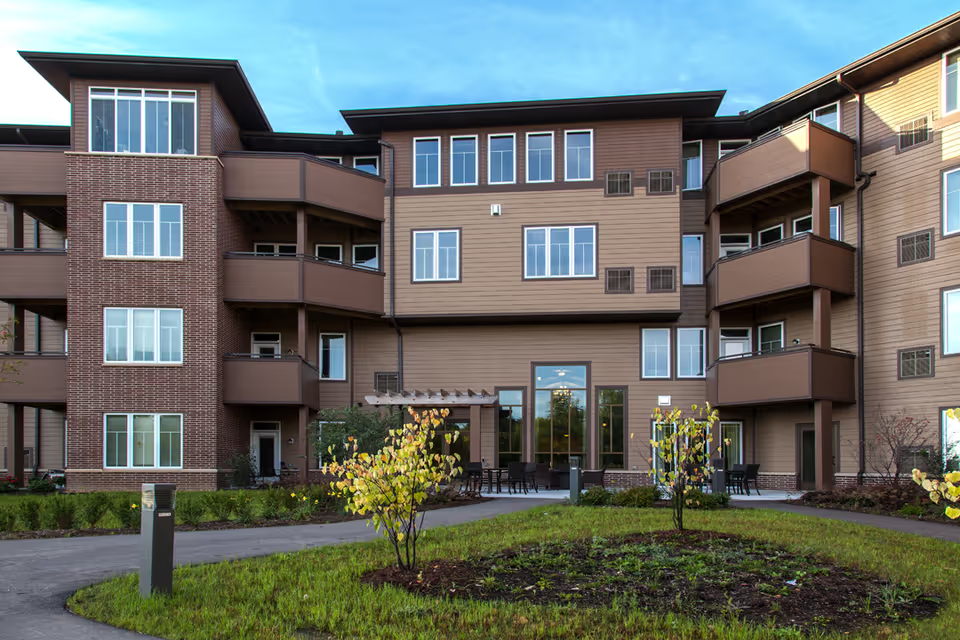
Care-Age of Brookfield elicits a strongly mixed set of impressions: many families and referring clinicians praise the facility’s people and therapy services, while others raise operational and safety concerns that appear tied to staffing and maintenance. Strengths repeatedly cited include compassionate, personable nurses and CNAs, an effective rehabilitation team (PT/OT) that helps residents regain function, and an active activities program that contributes to resident engagement. Admissions and social-work staff are frequently described as helpful, and common areas and grounds are often maintained attractively with seasonal decorations and a pleasant courtyard.
Clinical care and staff conduct present a bifurcated picture. On the positive side, several accounts highlight nursing staff and individual therapists who provide clear updates, individualized attention, and successful functional progress. Conversely, staffing shortages and inconsistent coverage are recurring themes that translate into slow responses to call lights, long waits for toileting or bathing assistance, and a perception of hurried or overextended caregivers during peak periods. Reviewers also raised concerns about medication-administration controls and documentation practices, with specific accounts suggesting inconsistent adherence to med logs and clinical protocols; families of residents with complex clinical needs should request details on medication-safety processes and supervision.
Dining and nutrition are similarly variable. Some families appreciated meal trays and supportive dietary staff, while others described inconsistent meal quality, late service times, cold breakfasts, and substitutions that were not always available or appropriate for prescribed diets. Questions about adherence to dietary restrictions and promptness of meal delivery suggest the need to confirm kitchen staffing and menu-change policies during a tour.
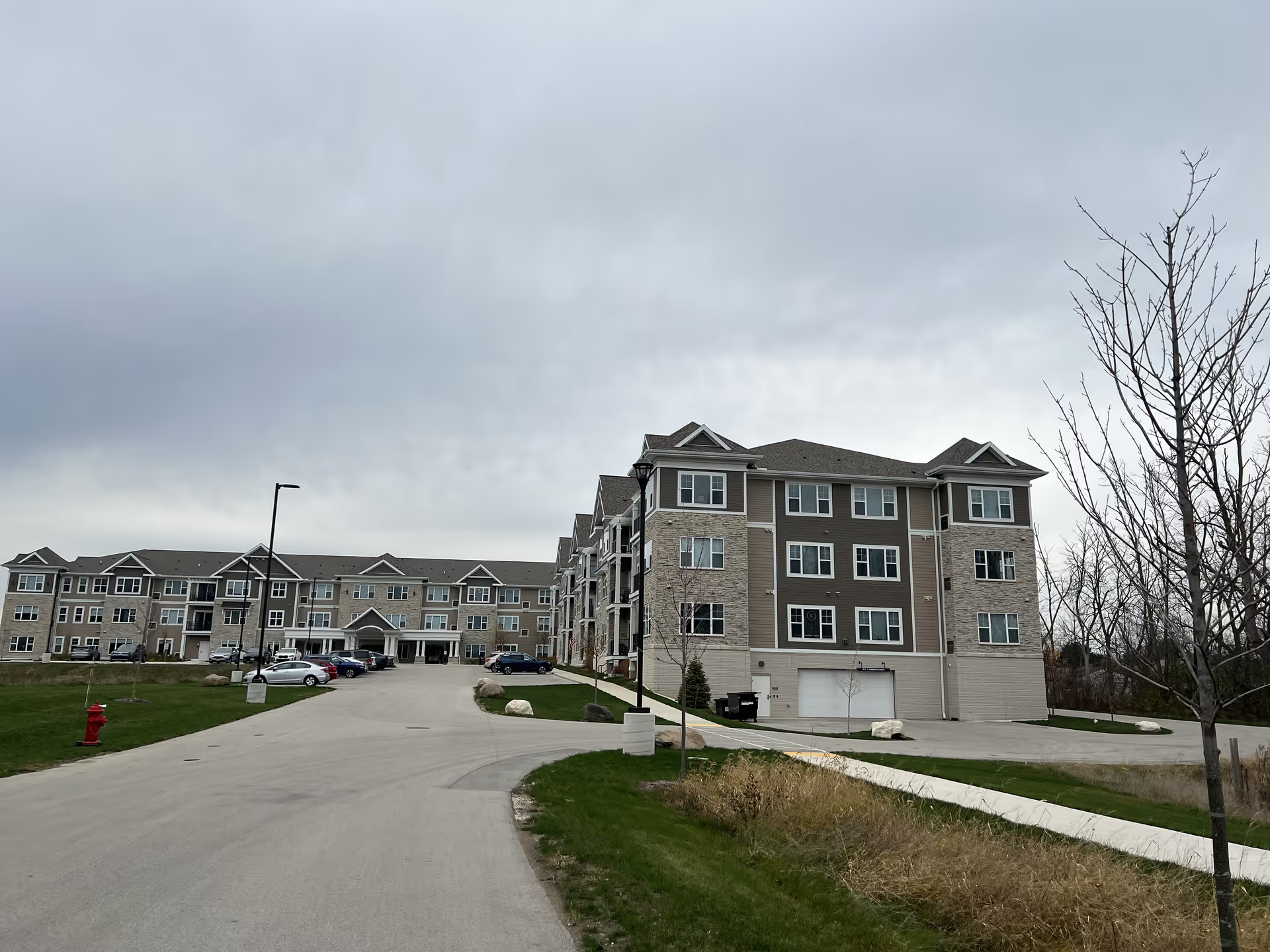
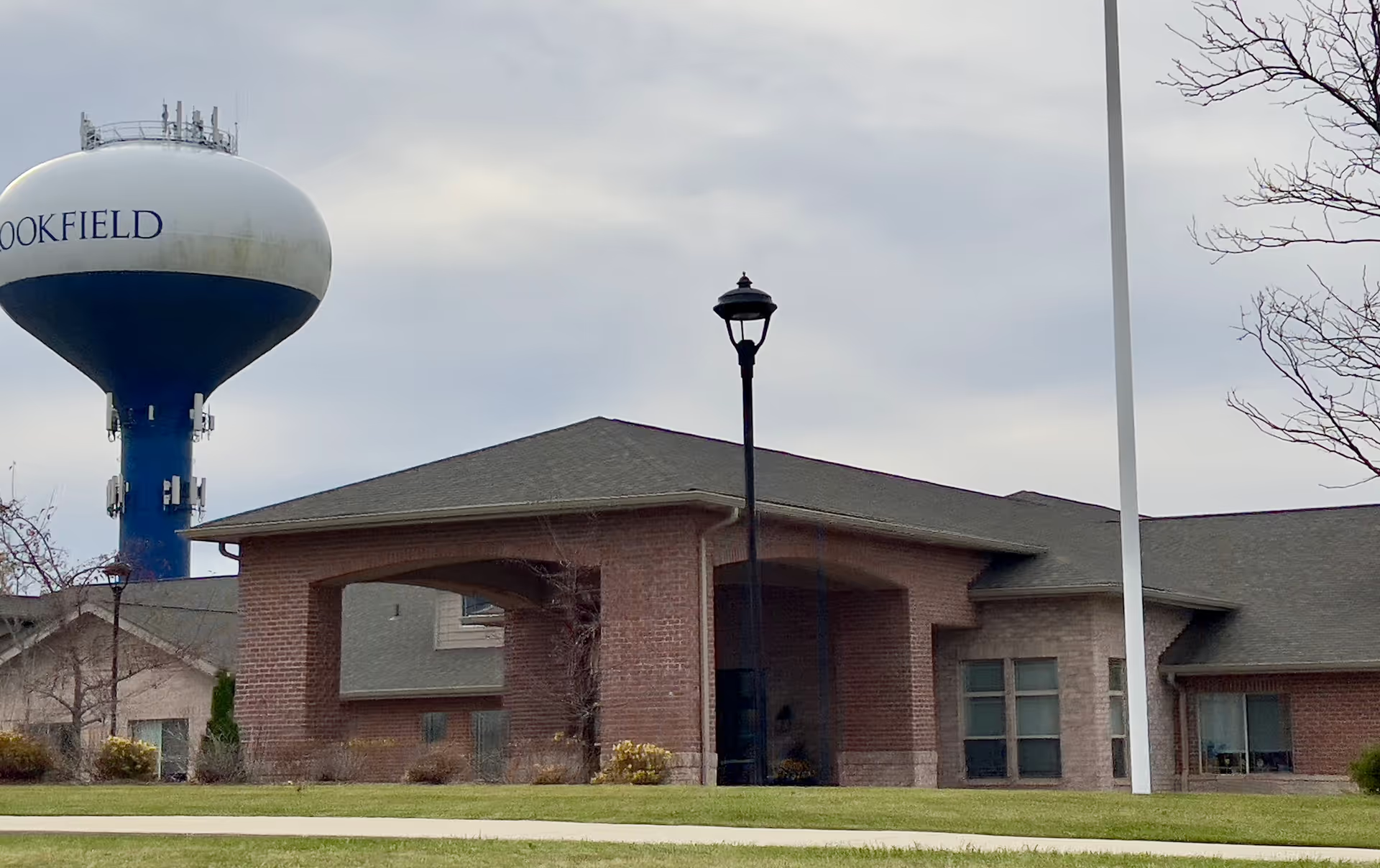
Facility condition and housekeeping show mixed results. The building is repeatedly described as older and in need of updating; common areas are often kept presentable but some rooms and bathrooms were noted to have cleanliness issues, pest-control concerns (ants), stained furniture or linens, and deferred maintenance such as corroded equipment or cosmetic damage. These comments point to uneven housekeeping and maintenance practices that may vary by unit and shift.
Management and oversight perceptions diverge. Several families compliment proactive managers and accessible staff who follow up on concerns. At the same time, other accounts describe inconsistent management presence, slow or inadequate follow-through on complaints, billing frustrations, and at least one allegation of retaliatory personnel action that was associated with a regulatory visit to the skilled-nursing side. Given these contrasting perspectives, prospective families should review recent state survey results, ask about staffing ratios and turnover, and clarify escalation pathways for clinical or safety concerns.
Activities and social life are clear strengths for many residents: programming, events, and a social atmosphere are frequently cited as contributors to quality of life. For those whose primary need is rehabilitation and social engagement, the facility appears well suited. For residents with higher nursing acuity or complex medication and mobility needs, the pattern of staffing variability, housekeeping inconsistencies, and isolated equipment/maintenance issues suggests careful pre-admission assessment. Practical steps for families: schedule a visit during a busy time, observe call-light response, inspect resident rooms and bathrooms, inquire about pest-control and linen-change protocols, ask for recent survey and staffing data, and get written detail on medication-safety and fall-prevention practices.