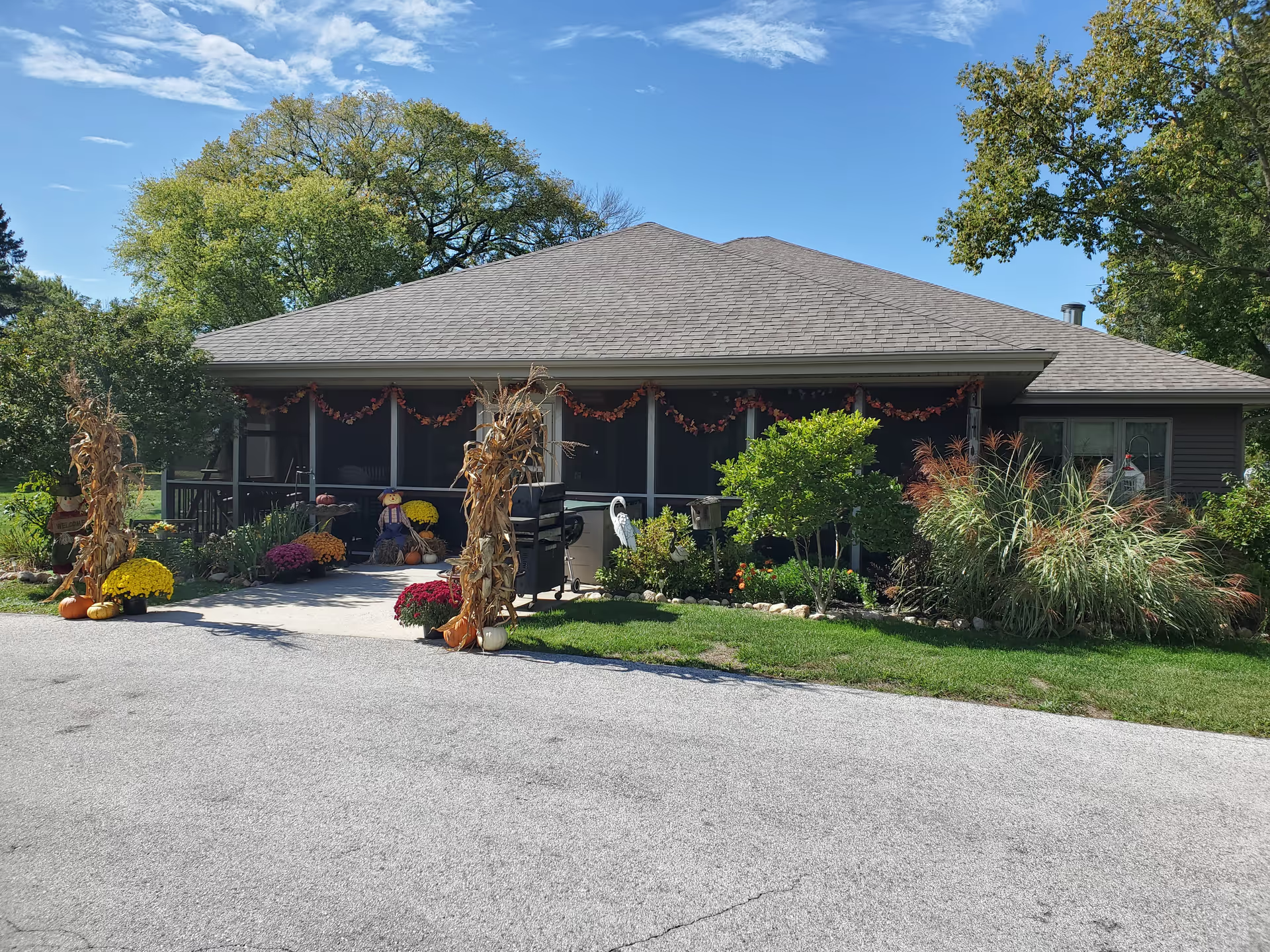
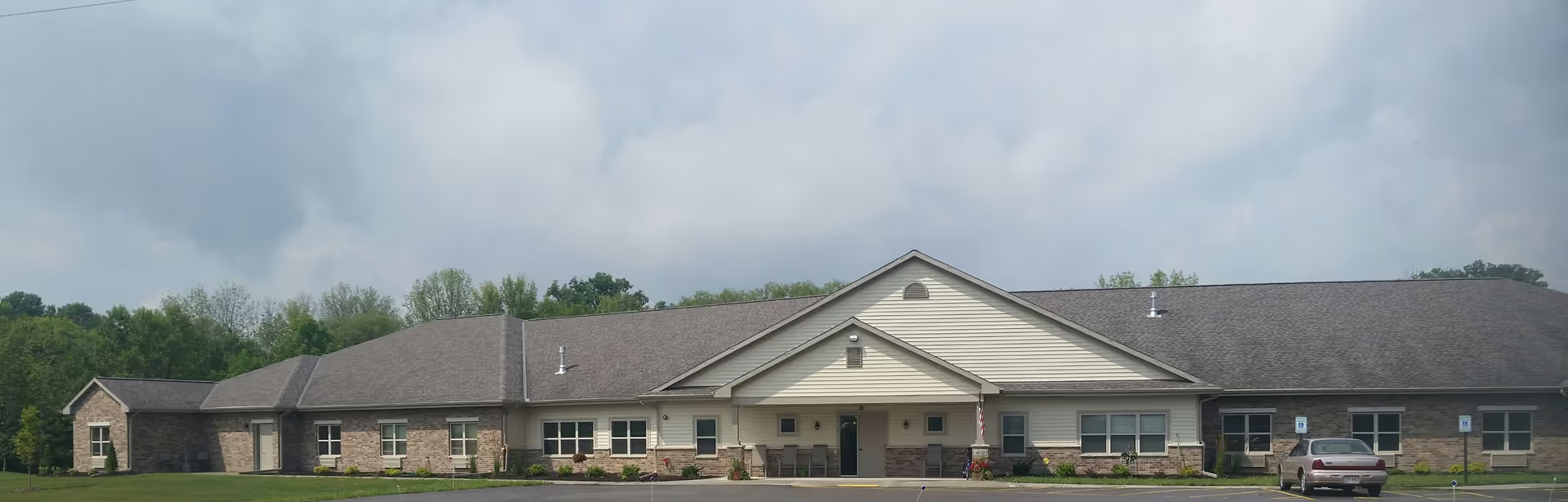
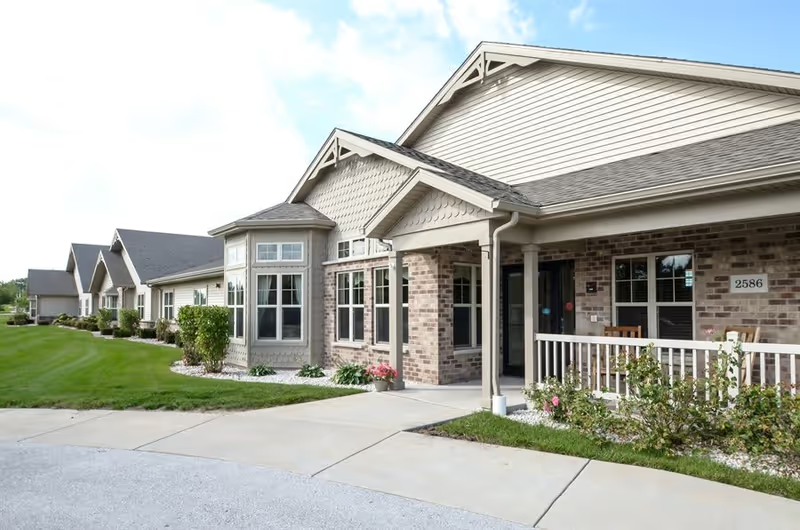
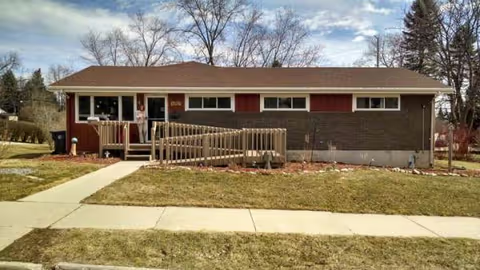
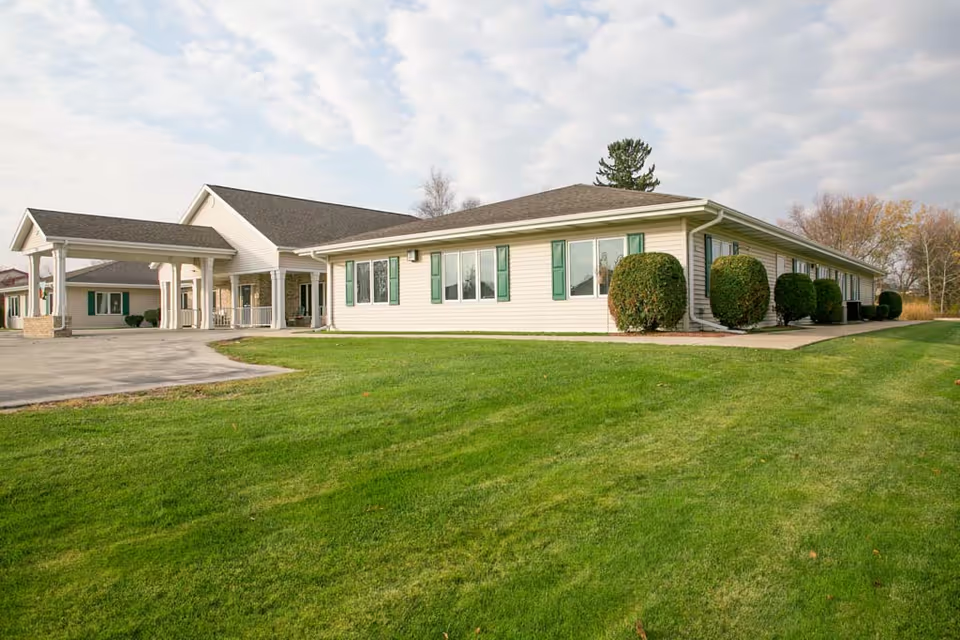
Cedar Grove Gardens II presents as a small, home-like assisted living facility with many operational strengths: reviewers emphasize a clean, well-maintained interior, spacious rooms, attractive common areas (two sun rooms, a living room and a fenced back patio), and a compact size that supports individualized attention. The environment is frequently described as warm and residential rather than institutional, and families noted visible resident engagement such as exercise and social interaction in common spaces.
Care quality and staff behavior are central themes. Many accounts praise compassionate, respectful staff and a favorable staff-to-resident ratio that allows for individualized care, assistance with activities of daily living (bathing and dressing), medication support, and coordination of physical therapy. Several reviewers singled out the kitchen and housekeeping teams for strong performance. At the same time, there are recurrent concerns about variability in staff performance: coverage appears uneven by shift (notably daytime/morning), and some families reported difficulty finding or getting timely attention from certain staff members. This pattern suggests that while core caregiving can be strong, consistency depends on staffing stability and training.
Dining and allied services are generally viewed positively—meals are described as nutritious and well prepared, and laundry and housekeeping services are functioning well. However, there are operational concerns about meal-service continuity and menu consistency that emerged after staffing or program changes. Activity offerings and social programming are available, with dedicated rooms and communal areas, but activity staffing and program consistency have fluctuated; the removal or change of activity staff has been linked to a reduction in organized programming for some residents.
Facilities are regarded as clean and pleasant, with good views and outdoor space that families appreciate. The small scale of the home supports personalized interactions and a family-like atmosphere. Limitations include parking availability, which can be constrained for visitors, and a clear clinical boundary: the facility is described as suitable for residents with mild dementia or mobility limitations but not equipped for advanced dementia, frequent exit-seeking behavior, or highly combative clinical needs.
Management and operational patterns show mixed impressions. Several reviewers praised specific managers for clear communication and responsiveness, while others expressed concern about leadership changes and a perceived decline in service quality following ownership transitions. There are also mentions of rising fees that some families feel have not been matched by consistent service improvements. Overall, the dominant pattern is one of a small, well-appointed assisted living home that can provide compassionate, individualized care when staffing and leadership are stable, but that experiences variability in programming, staffing coverage, and service continuity at times.
For prospective residents and families: Cedar Grove Gardens II is likely a good fit for someone seeking a small, home-like assisted living environment with strong housekeeping, meal service, and personalized attention for mild care needs. Families with higher clinical complexity—advanced dementia, frequent exit-seeking, or behavioral challenges—should evaluate clinical capabilities carefully. Visitors should ask specific questions about current staffing patterns by shift, activity staffing, recent leadership changes, and fee trends to gauge present operational consistency.