Overall impression: ABridge Care Cottage of Chilton is a small, community-oriented facility that elicits mixed evaluations. Many families and visitors describe warm, attentive interactions with caregiving staff and strong nursing support, and several accounts highlight the benefits of a small-facility layout that enables individualized attention. At the same time, recurring operational concerns create inconsistency in the resident experience; these concerns center on staffing, cleanliness, dining, and management oversight.
Care and staff: Care quality appears to be uneven. Positive comments emphasize compassionate caregivers, responsive aides, and an experienced nursing team; some families reported quick response to needs and good end-of-life support. Conversely, persistent understaffing and high turnover were cited as drivers of poorer performance in other instances. Reviewers described gaps in training—particularly for dementia and behavioral care—and noted variability in staff competence and conduct. These patterns suggest the facility can deliver strong hands-on care when staffing levels and training align, but that consistency depends on staffing stability and supervisory support.
Dining and nutrition: Observations about dining are mixed. The facility has a pleasant dining room and some reviewers praised the cooking and meal variety. However, there are repeated notes of inconsistent meal quality and service continuity: meals arriving cold, lack of a planned menu, and food that appears pre-prepared or not freshly made. Meal-service interruptions and staff reallocation away from dining during busy times were reported, indicating weaknesses in meal planning and staffing allocation.
Activities and rehabilitation: The facility offers an activity program that includes bingo, arts, drawings, and exercise/rehabilitation sessions; these elements were identified as strengths for resident engagement. That said, activity availability and structure appear uneven across units and shifts—some families described limited or no scheduled programming for their loved ones. Rehabilitation and therapy services were mentioned positively by families seeking short-term restorative care.
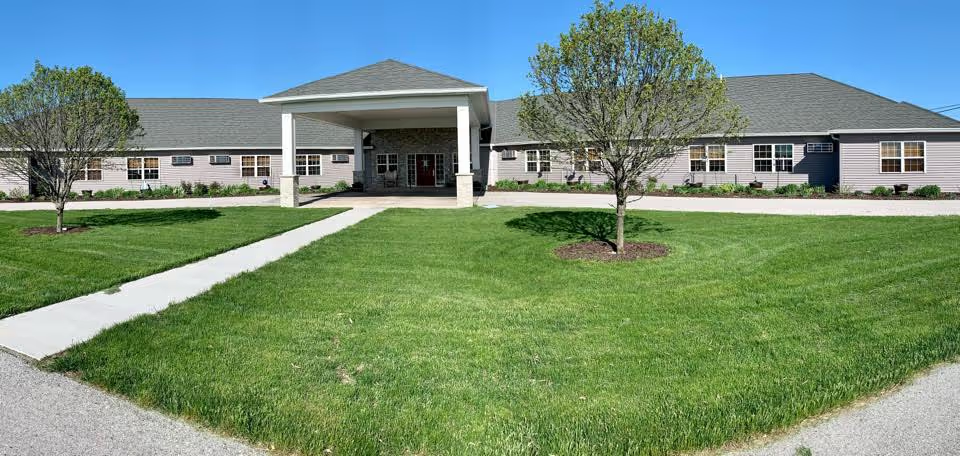
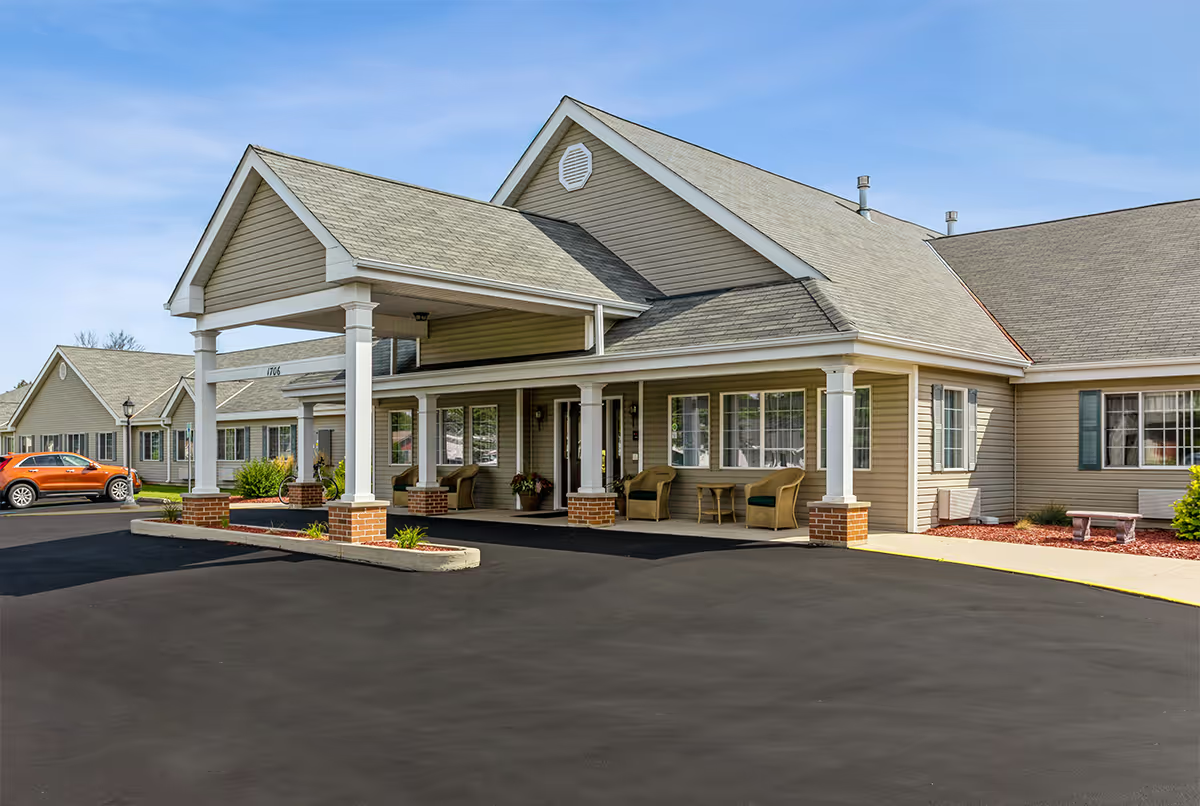
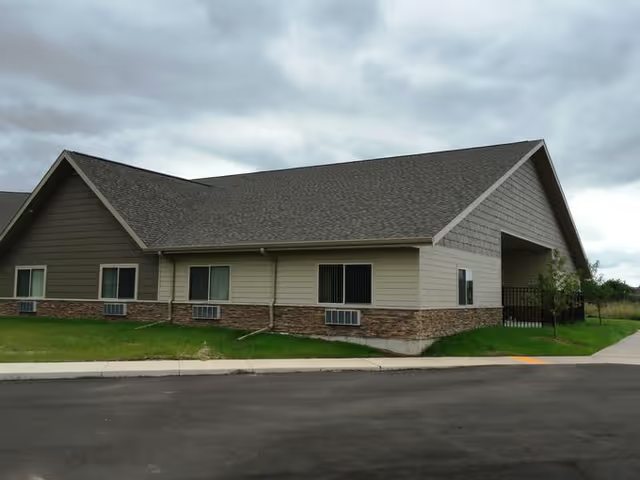
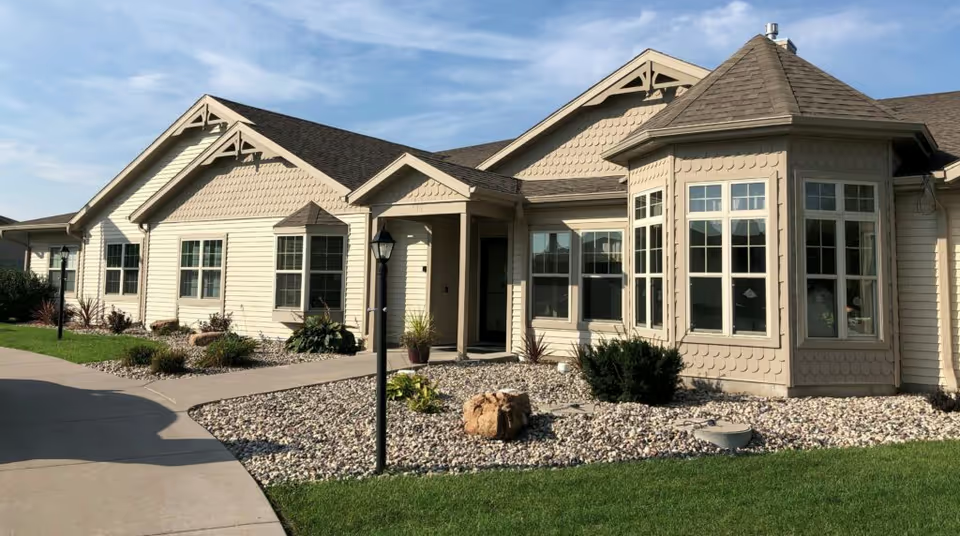
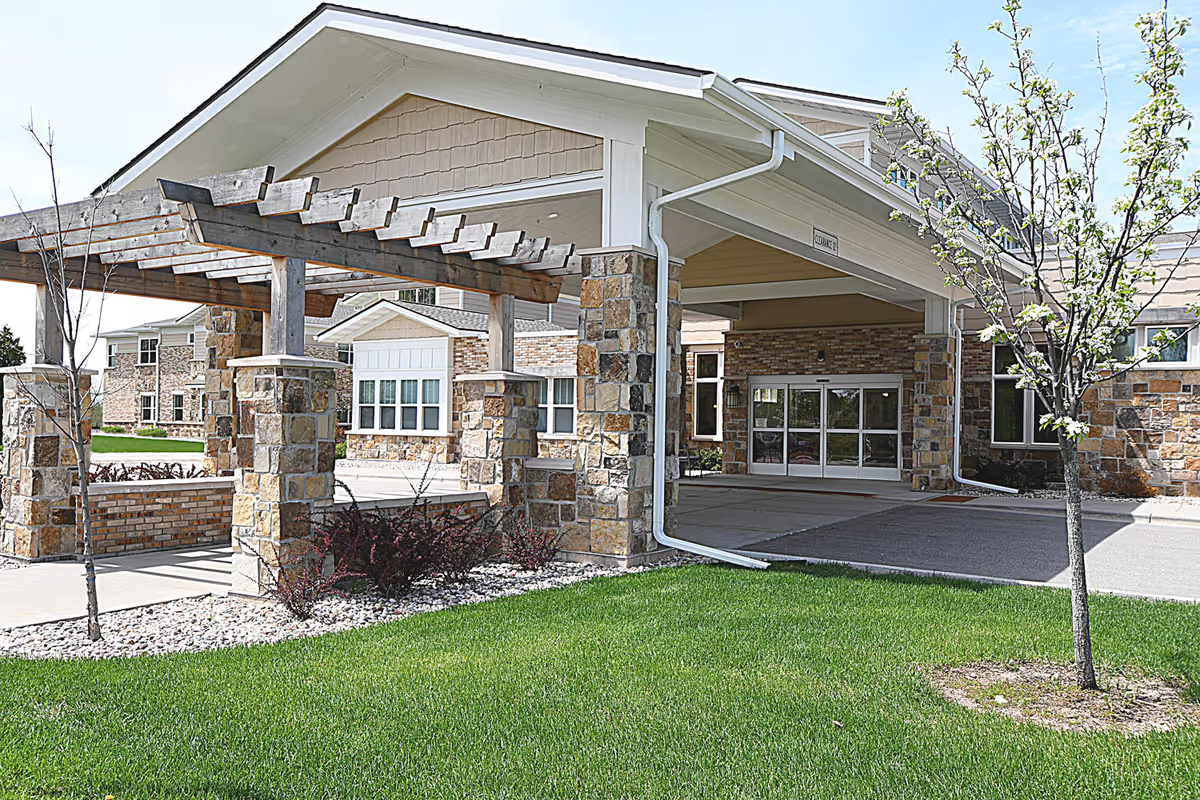
Facilities and environment: The site layout, including a gated outdoor area and secured memory-care unit, is a clear asset for residents who benefit from outdoor access and a secure environment. Room sizes vary and private-room options exist. At the same time, multiple reviewers expressed sanitation concerns and interior maintenance issues in some areas—cleaning schedules, common-area odors, and inconsistent room upkeep were cited. Fast call-button responses and the small scale of the facility were praised for enhancing safety perception in some cases.
Management and operations: Management performance appears variable. Positive feedback includes responsive administrators and improved operations under new ownership in some accounts. However, there are consistent themes of deficient supervisory oversight, limited follow-through on training and resource allocation, and perceptions that ownership is focused on revenue rather than reinvestment. These operational weaknesses intersect with staffing and training gaps, contributing to inconsistent care delivery and family confidence. Cost was also mentioned as a concern by some families, who felt pricing did not always align with service reliability.
Notable patterns and suitability: The facility may be a good fit for families who prioritize compassionate direct caregivers, small-community settings, and access to memory-care amenities and rehabilitation services. Prospective residents and families should evaluate current staffing levels, training programs for dementia care, infection-control practices, and housekeeping schedules during tours. Ask management for recent staffing metrics, training curricula, meal plans, and examples of quality-improvement efforts to assess whether the facility’s stronger attributes are being sustained consistently.