The Pines Post-Acute and Memory Care receives consistent praise for its core clinical and rehabilitative services. Many families highlighted caring, professional staff, attentive certified nursing assistants, and the presence of full-time nursing personnel. Several accounts describe effective therapy programs and clinical follow-up that supported measurable improvement and, in some cases, successful discharge home after short-term rehabilitation. Management involvement — including direct advocacy for admission and active medication monitoring — is cited as a positive influence on care continuity.
Staff professionalism and interpersonal warmth are recurring strengths: reviewers commonly described friendly interactions, respectful bedside manner, and staff who prioritized individual resident needs. At the same time, the facility shows variability in how those attributes are experienced. A number of families described delays in staff response to requests and inconsistencies in bedside conduct; these comments point to uneven execution of care rather than a uniform operational failure. The pattern suggests that training, shift coverage, or staff mix can produce different day-to-day experiences for residents and families.
Dining and therapy are definite positives. Meals were described as appealing and well-prepared, and residents reportedly enjoyed the menu. Rehabilitation services — physical and occupational therapy — were credited with being effective and instrumental in returning some residents to home living. Prospective residents who prioritize restorative therapy and enjoyable dining are likely to view these areas favorably.
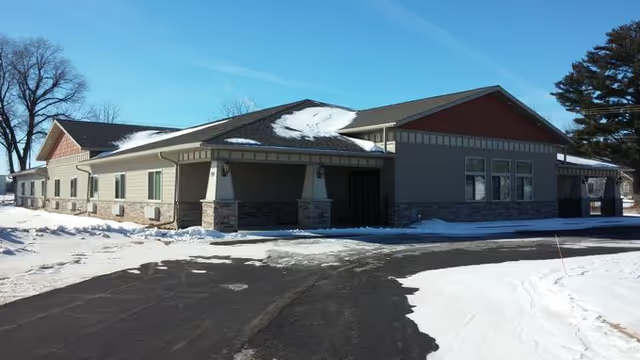
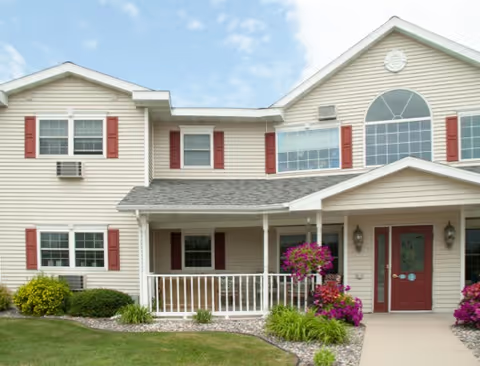
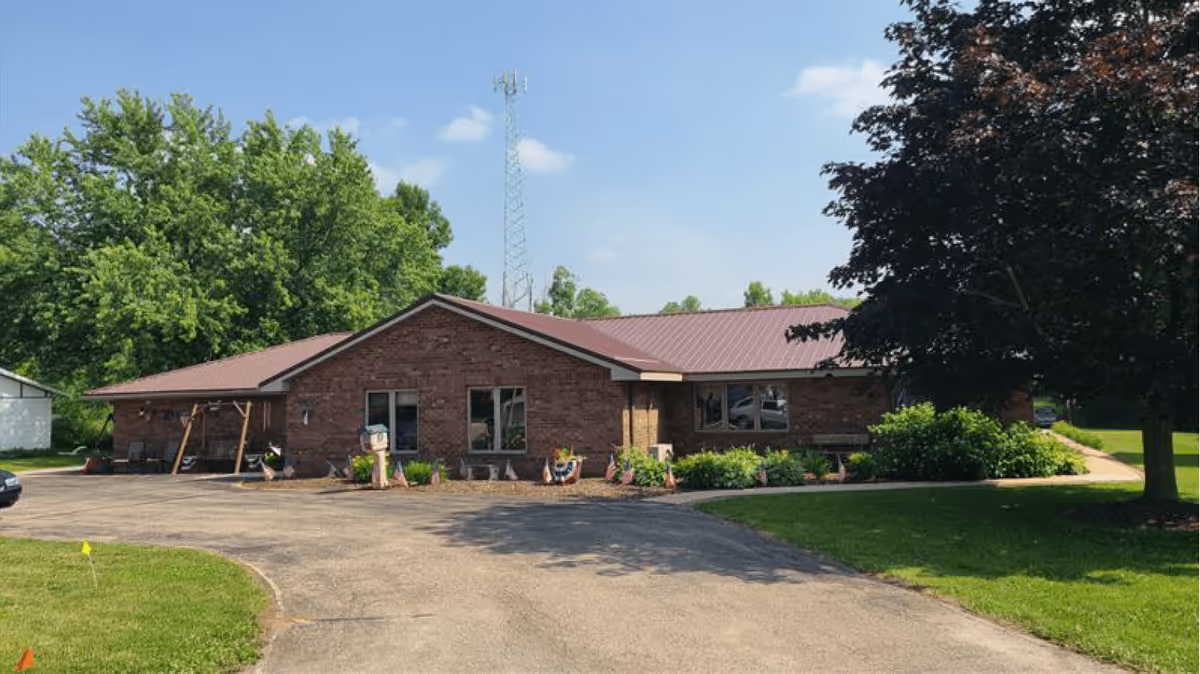
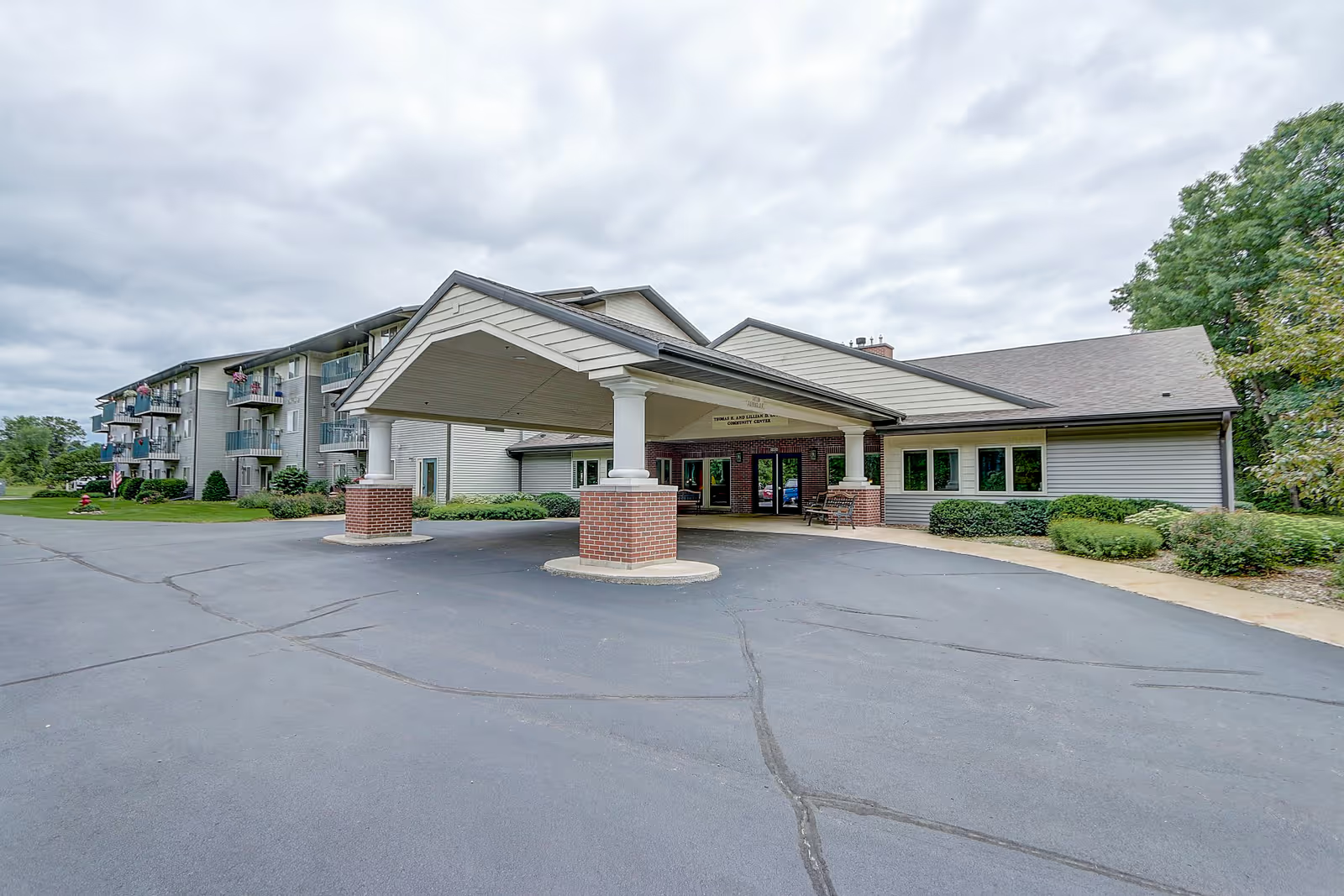
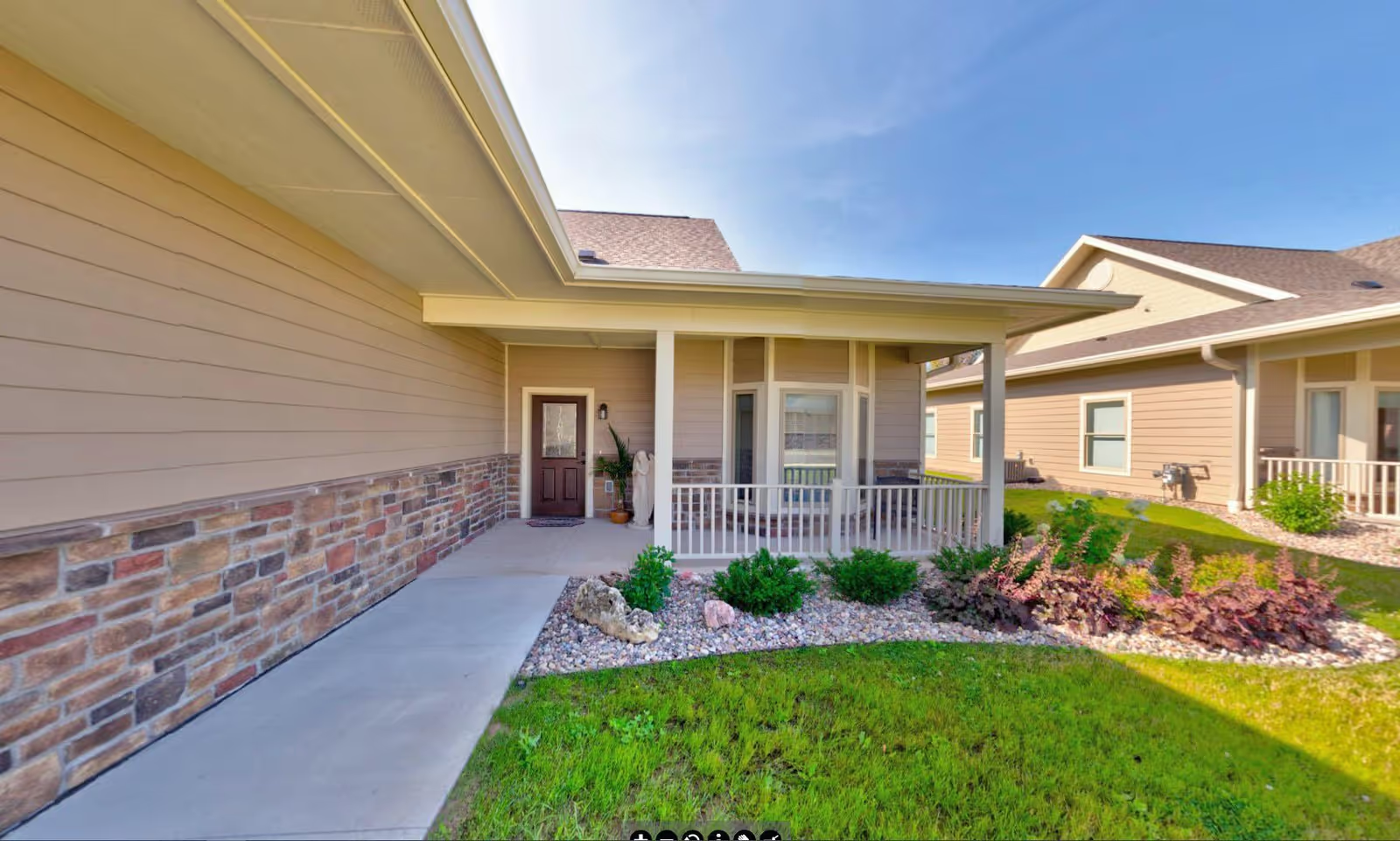
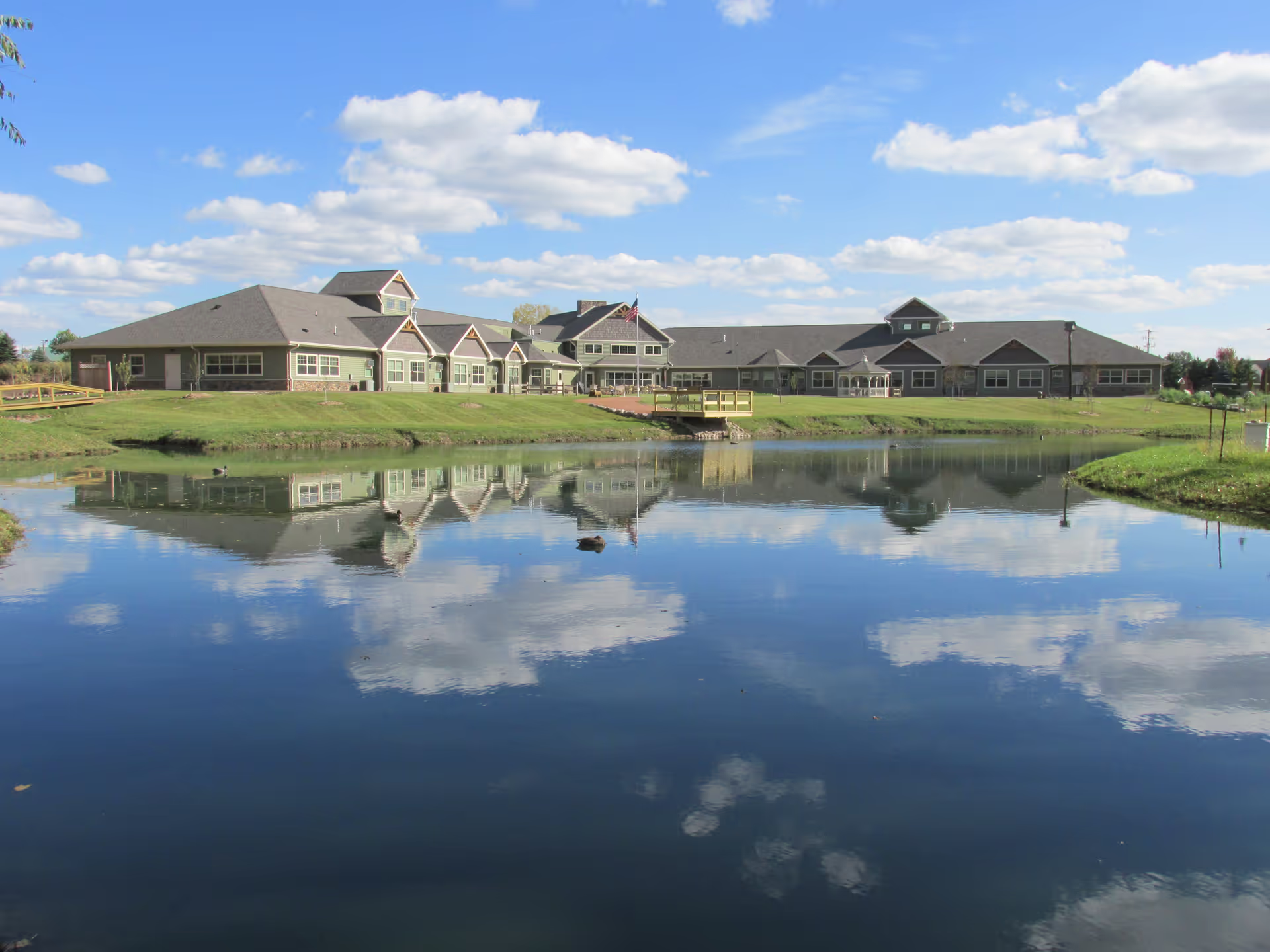
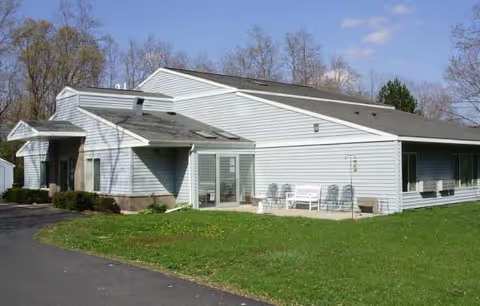
The facility environment is generally clean and well maintained: reviewers noted clean, nicely decorated rooms and an odor-free atmosphere. Outdoor areas and the surrounding neighborhood were described as pleasant. Conversely, several families observed that parts of the building are older and less modern in appearance; aesthetic updates may be limited in some units. That contrast — well-maintained cleanliness within an older physical plant — is a consistent theme.
Operationally, the most notable patterns are variability in responsiveness and in the consistency of caregiving technique. While many families experienced consistent, attentive care and strong leadership, others encountered slower response times and uneven clinical attentiveness, including concerns about pain recognition and management. Memory-care services are available and have undergone changes; families interested in memory-care placement should request current details about staffing, programming, and recent unit updates.
Recommendation for prospective families: schedule an on-site visit that includes mealtime and a therapy session observation, ask about staffing ratios by unit and typical response-time metrics, review pain-assessment and medication-monitoring protocols, and inquire specifically about the memory-care unit's current staffing and programming. These steps will help clarify whether the facility’s strengths align with a given resident’s clinical and social needs.