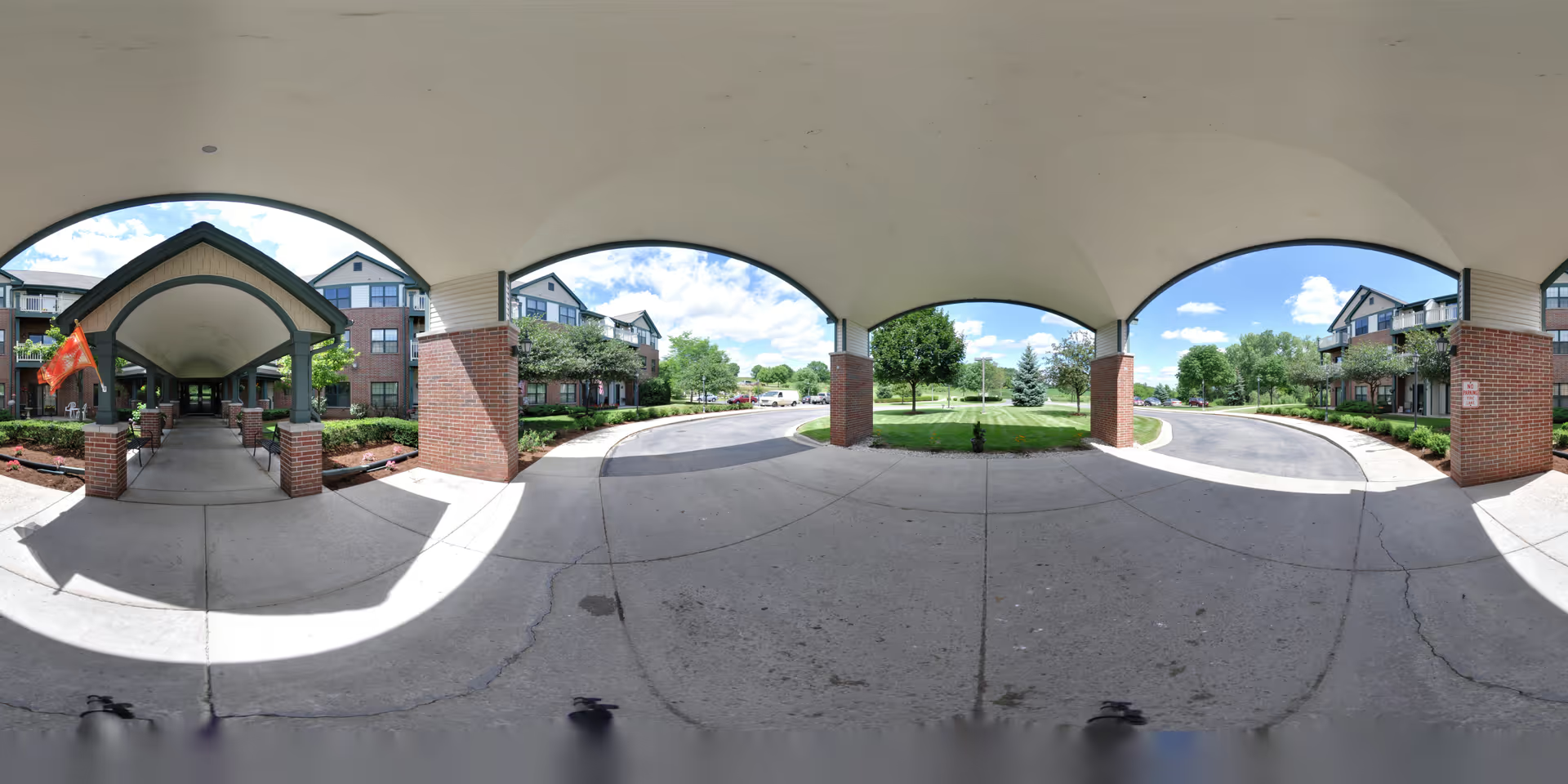
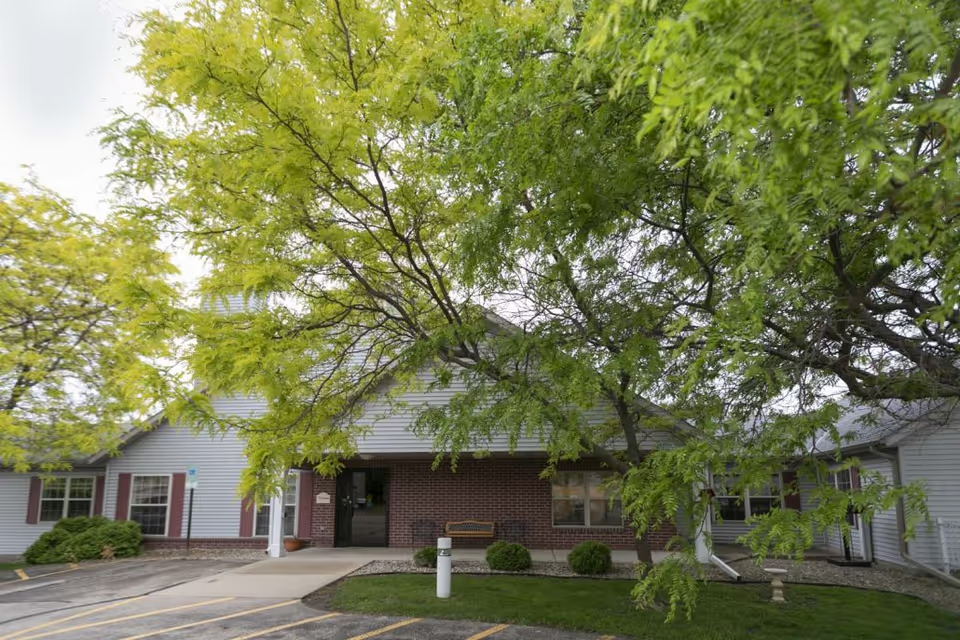
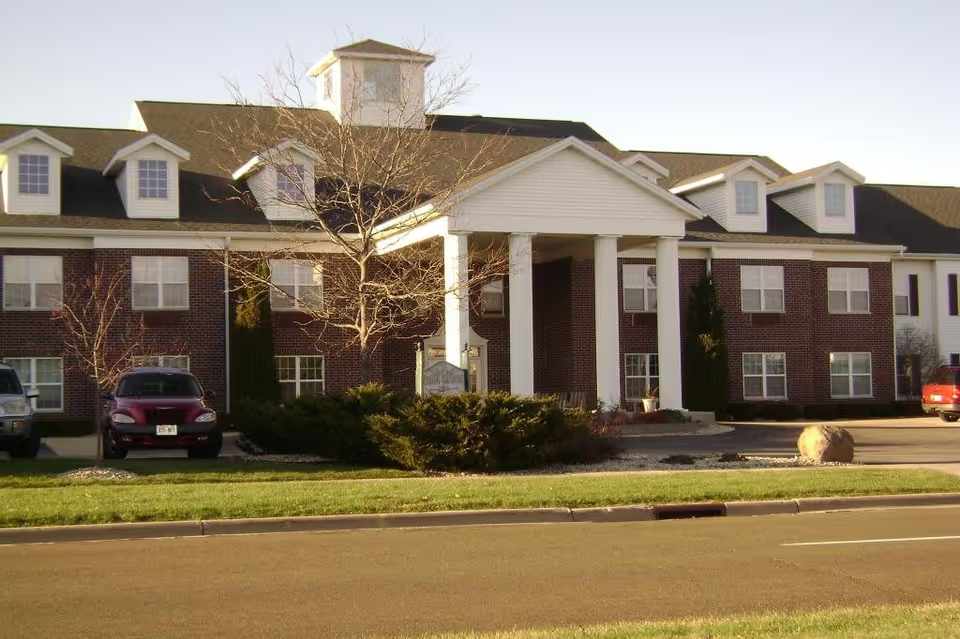
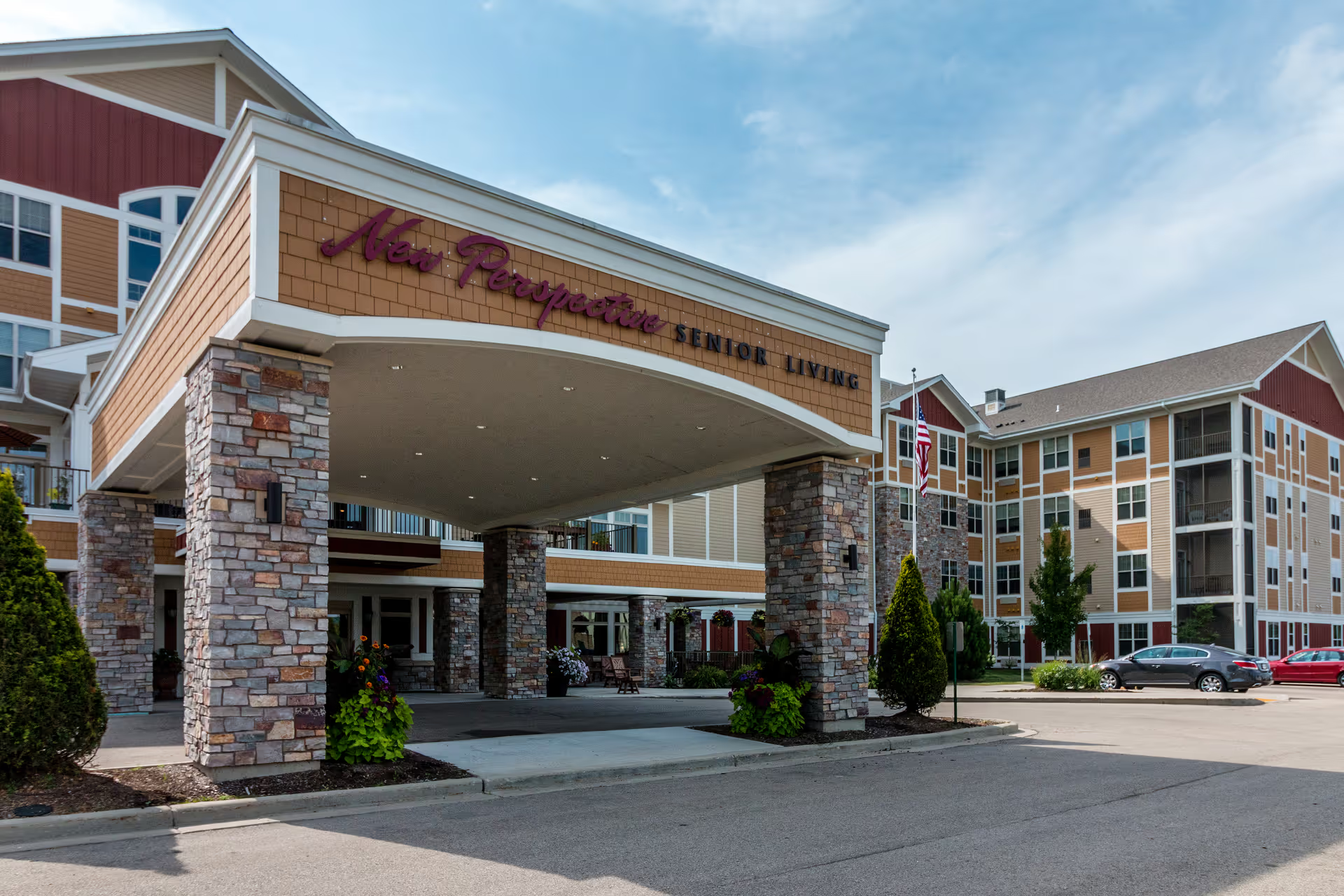
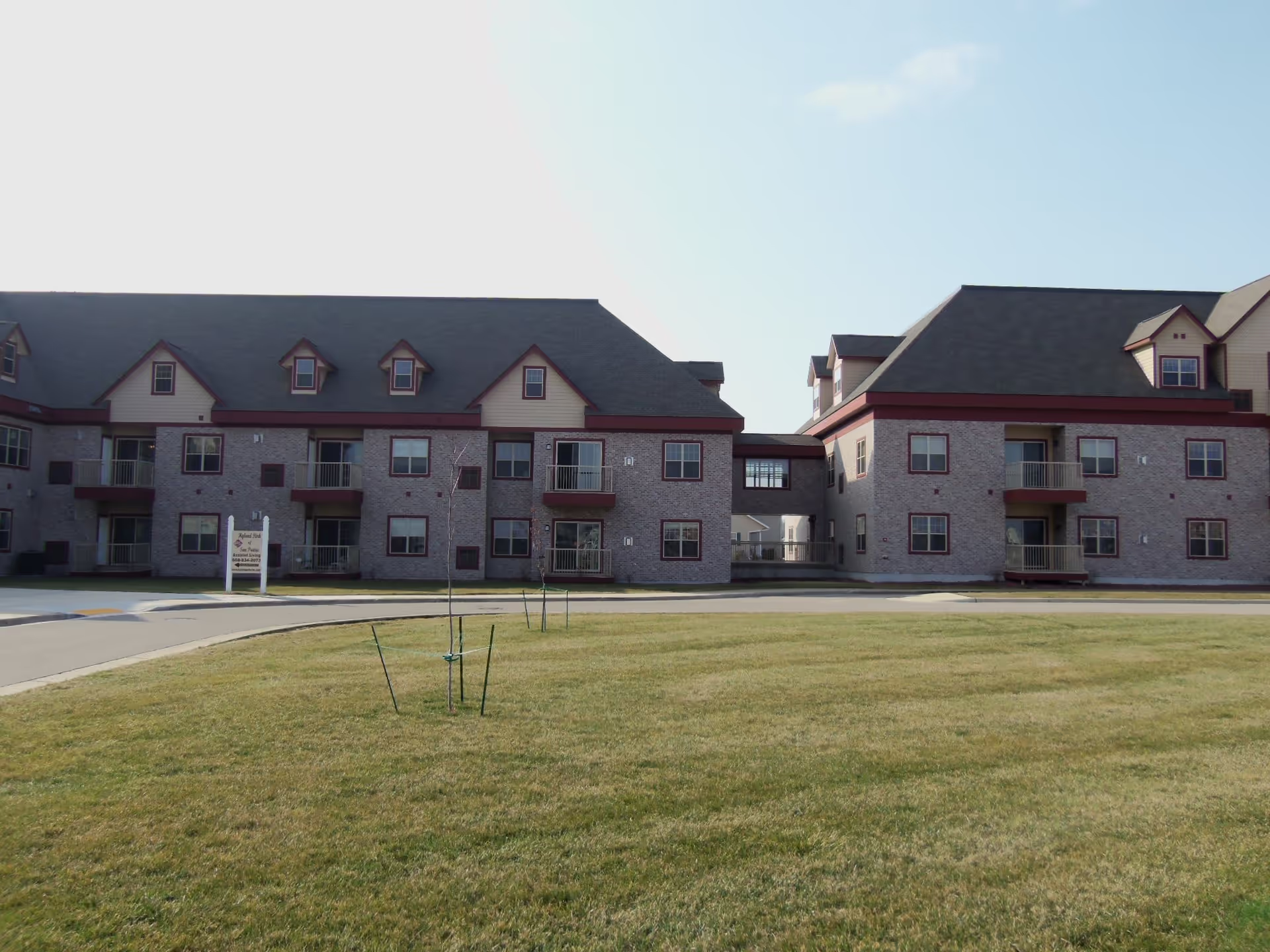
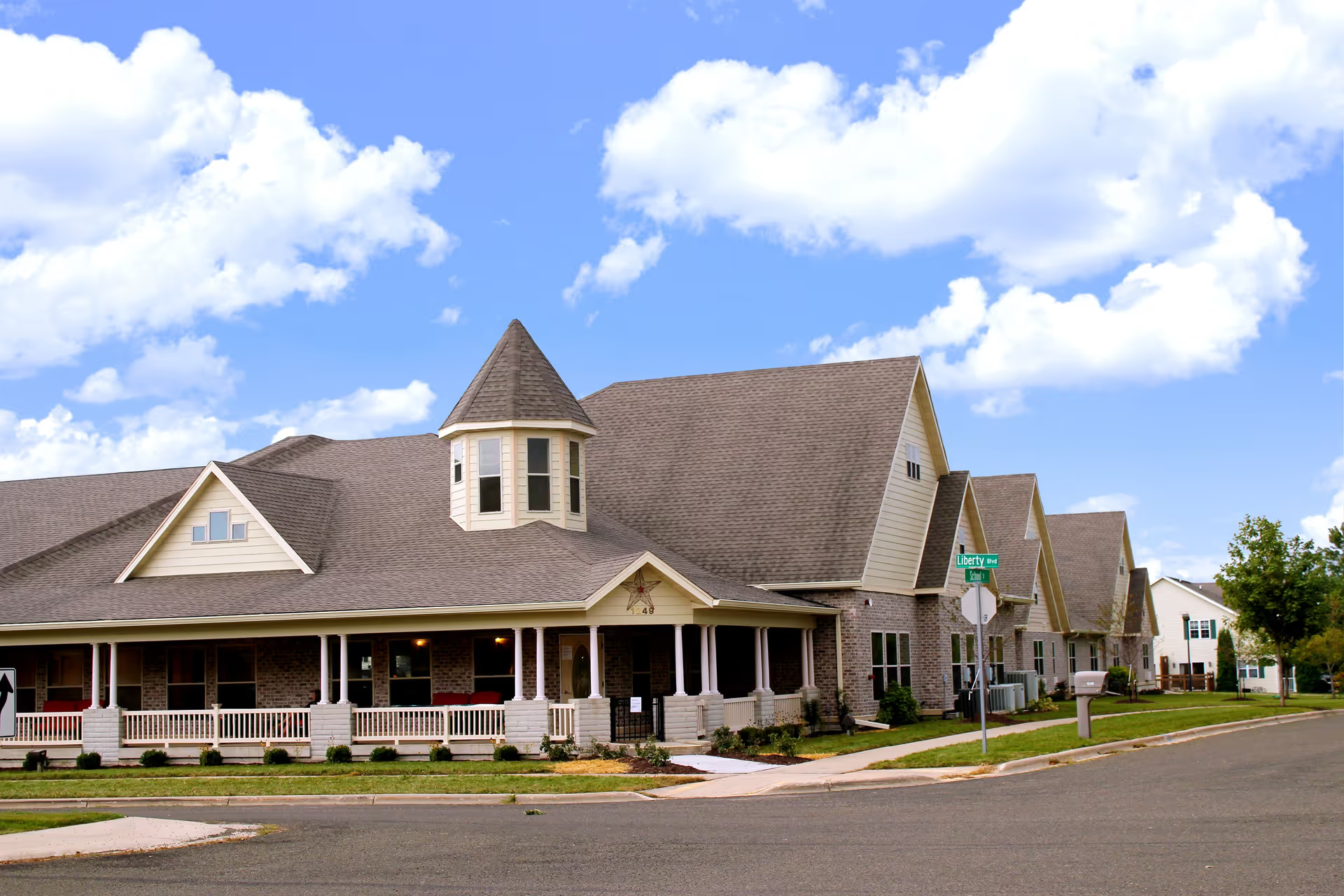
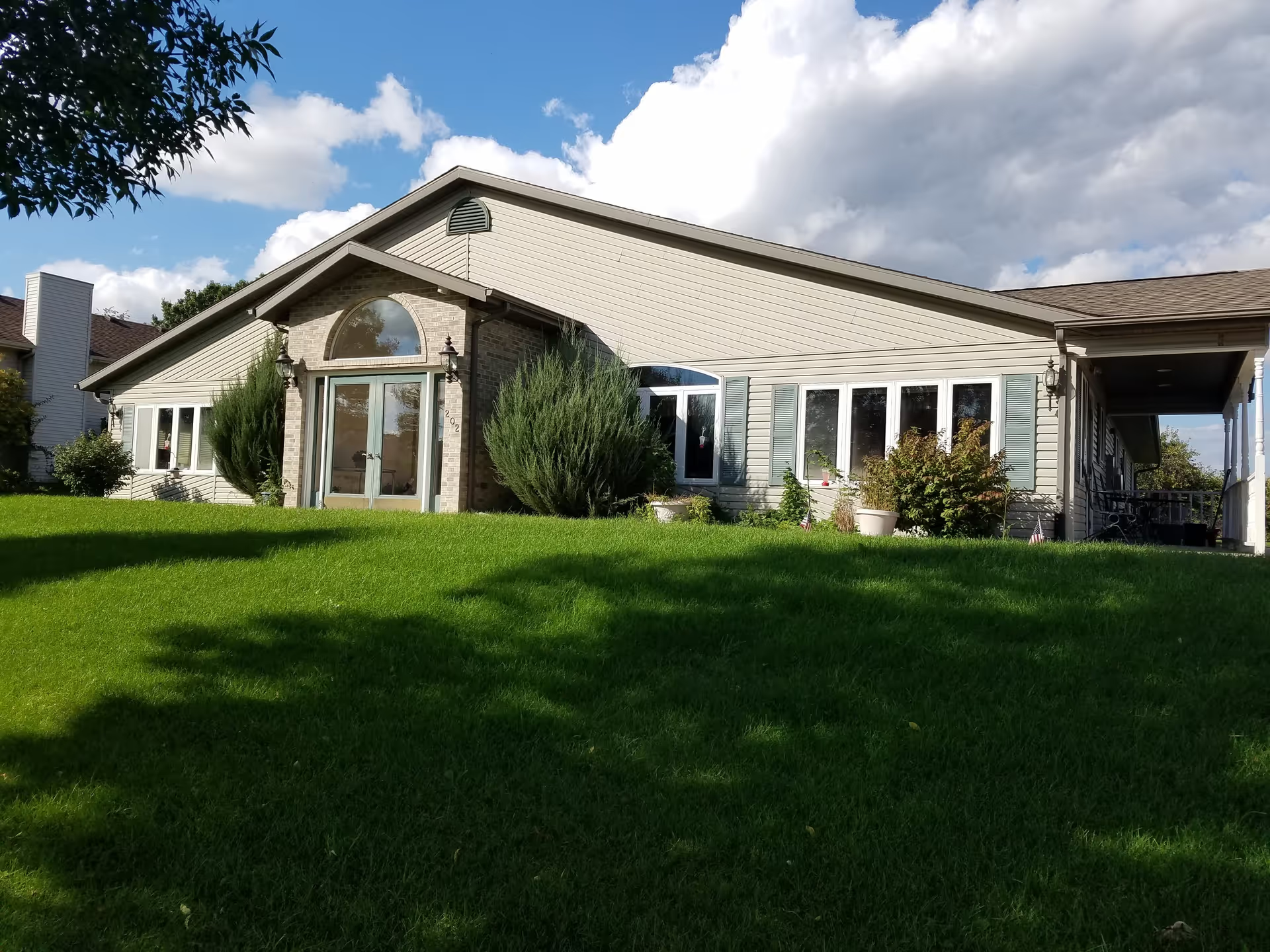
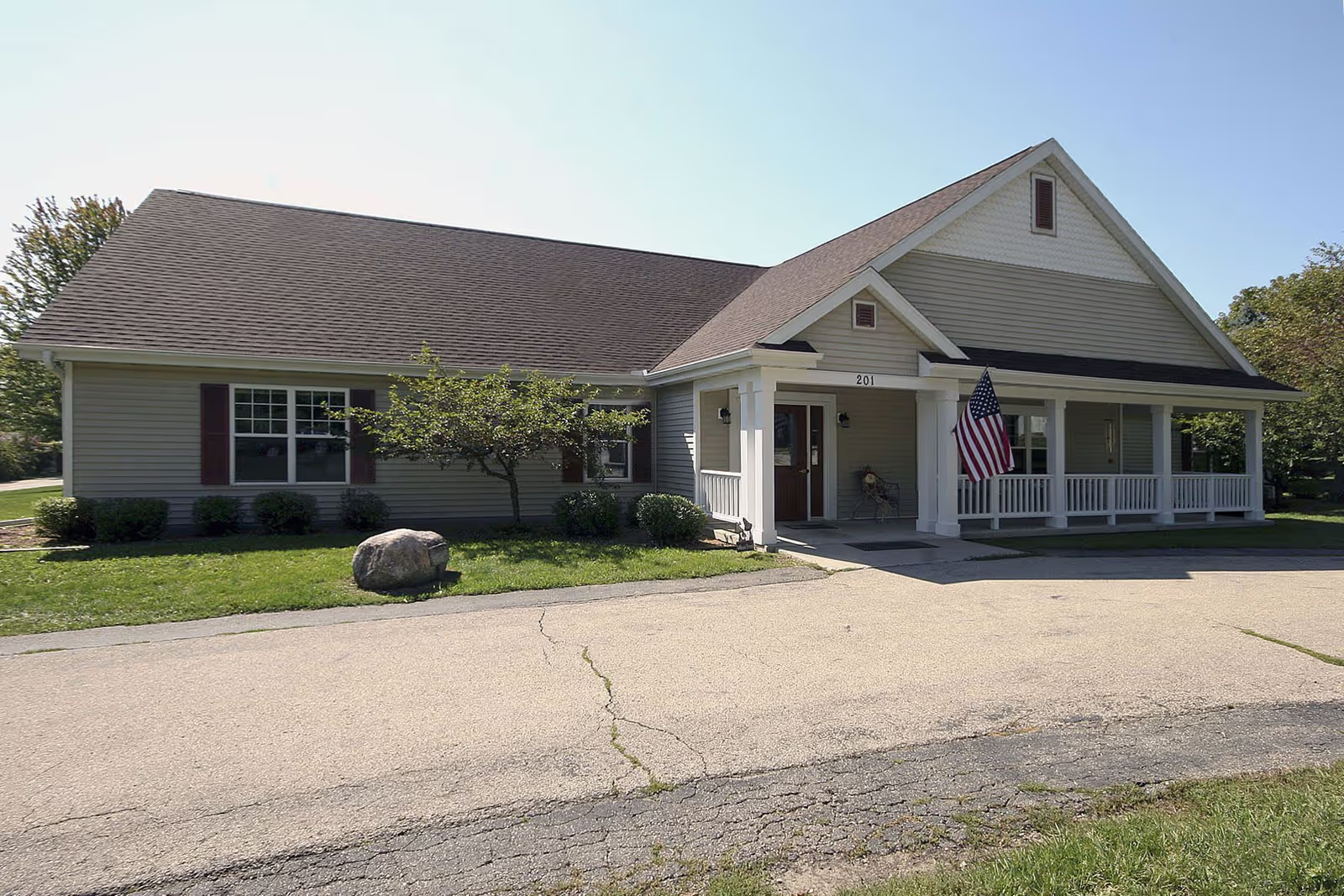
Drumlin Reserve presents as a well-appointed assisted living community with a strong emphasis on social engagement, cleanliness, and resident comfort. Many families describe a welcoming atmosphere supported by friendly caregiving staff, a robust activities schedule (exercise classes, bingo, movies, bus outings), and amenities such as a coffee bar, comfortable common areas, and individual apartments with in-unit appliances. Housekeeping, laundry, and maintenance services are frequently praised, and dining is commonly described as accommodating to dietary needs with generally positive meal experiences. Transportation for shopping and appointments, respite-room options, and visible infection-control practices are additional operational strengths.
Staff behavior and interpersonal culture are commonly cited among the facility’s assets: caregivers are often characterized as kind, compassionate, and attentive, with examples of staff learning resident names and making individualized accommodations (for example, lip-reading support and tailored exercise). Nursing staff and some members of leadership have received positive mention, and several families highlighted improvements under newer management and responsiveness to suggestions in certain periods.
However, there are recurring operational concerns that prospective residents and families should evaluate carefully. Many comments point to inconsistent staffing levels and notable staff turnover, which contribute to gaps in clinical training and variable competency among front-line caregivers. These patterns correspond with reports of delayed responses during urgent needs and weaknesses in medication-administration controls. Together, these issues suggest the community may be better suited to residents with stable assisted-living needs rather than those requiring higher-acuity nursing care or intensive clinical oversight.
Additional patterns include variable family communication and confusion around fee structures when residents require an elevated level of care or medication administration (added charges were mentioned). There are also isolated but serious concerns related to pest control and property safeguarding that indicate the need to confirm current practices and remediation history. Management stability appears uneven across time: some families report positive leadership and substantive improvements, while others describe periods of instability or leadership turnover that correlated with declines in perceived quality.
In summary, Drumlin Reserve offers many features attractive to prospective assisted-living residents: a social, homey environment, consistent housekeeping and maintenance, accommodating dining, and a broad activities program. At the same time, families should perform targeted due diligence on clinical oversight and operational continuity: ask about current staffing ratios and turnover, medication-administration policies and audits, protocols for urgent response, pest-control records, inventory/property safeguards, and any recent management changes. A thorough tour, review of care-plan capabilities, and direct conversations with nursing leadership can help determine whether the community’s strengths align with a specific resident’s care needs.