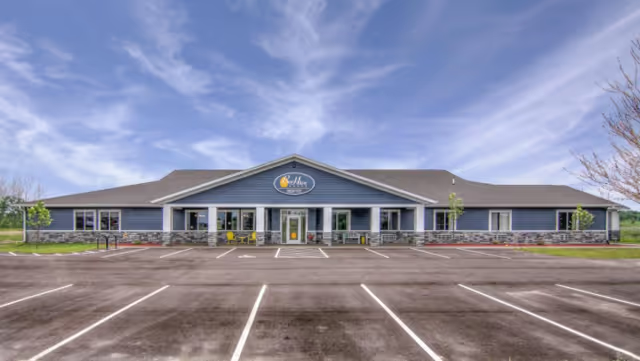
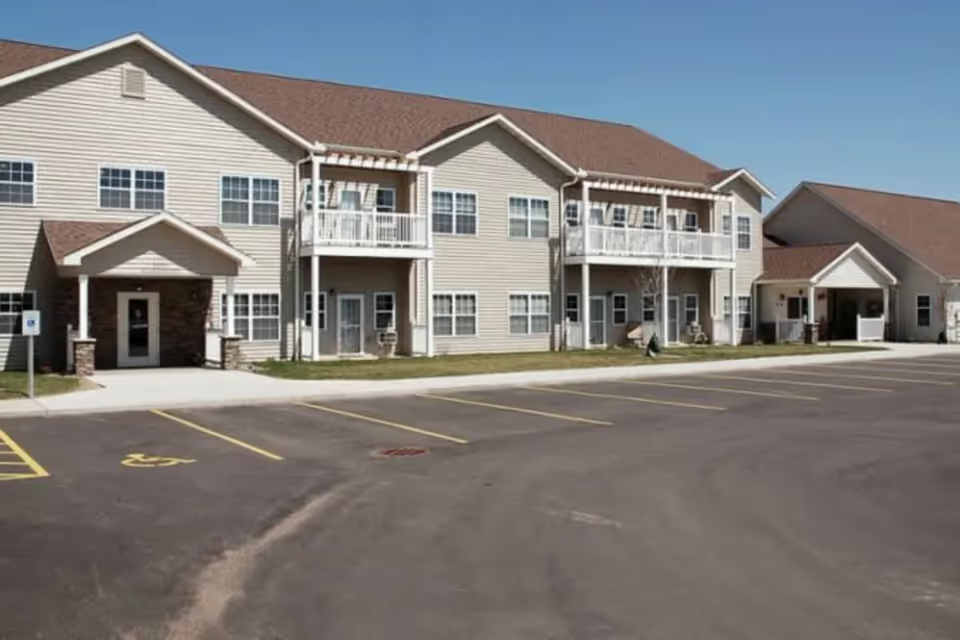
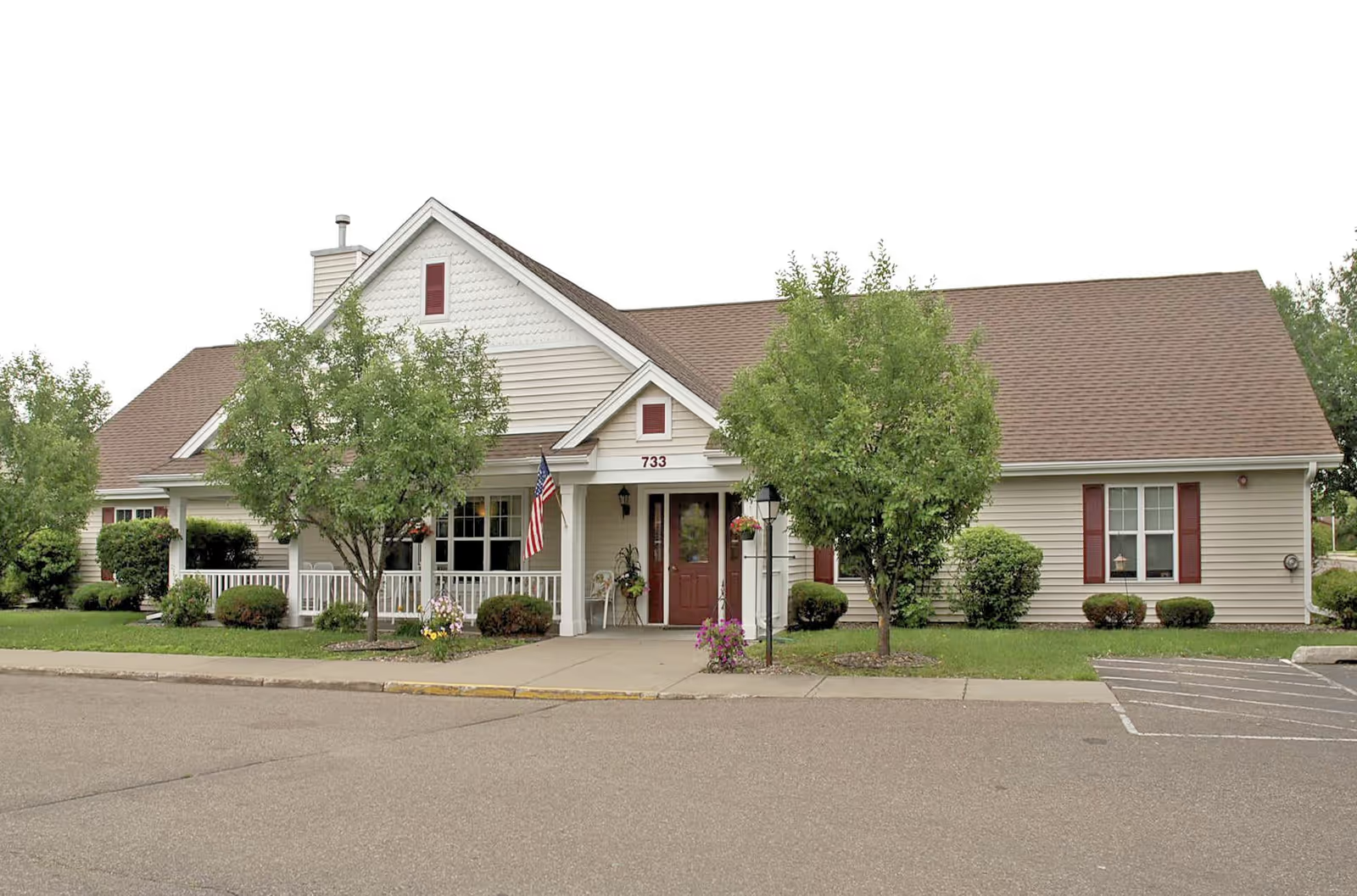
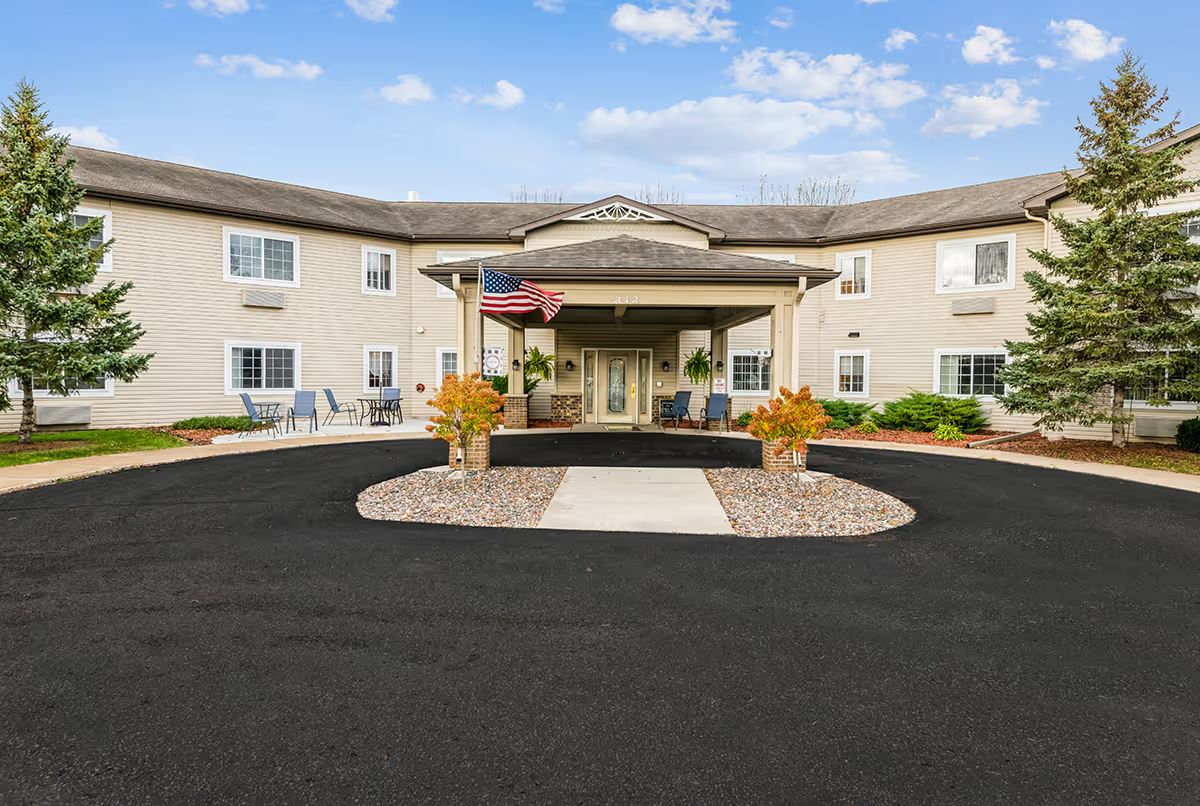
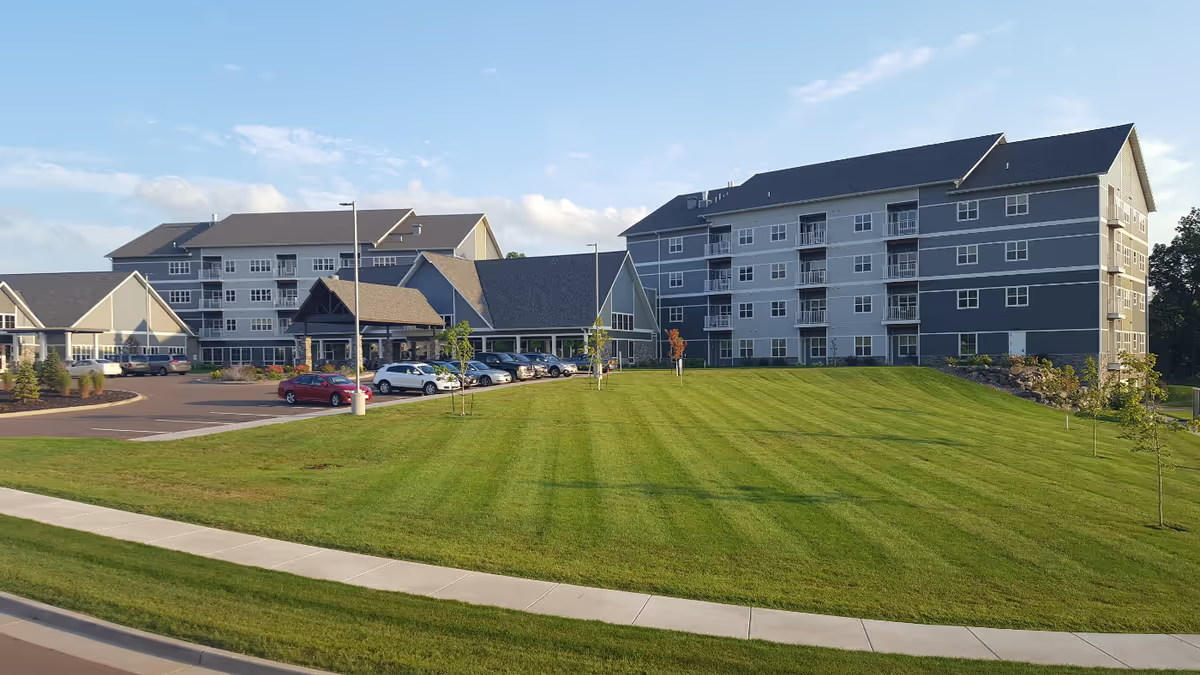
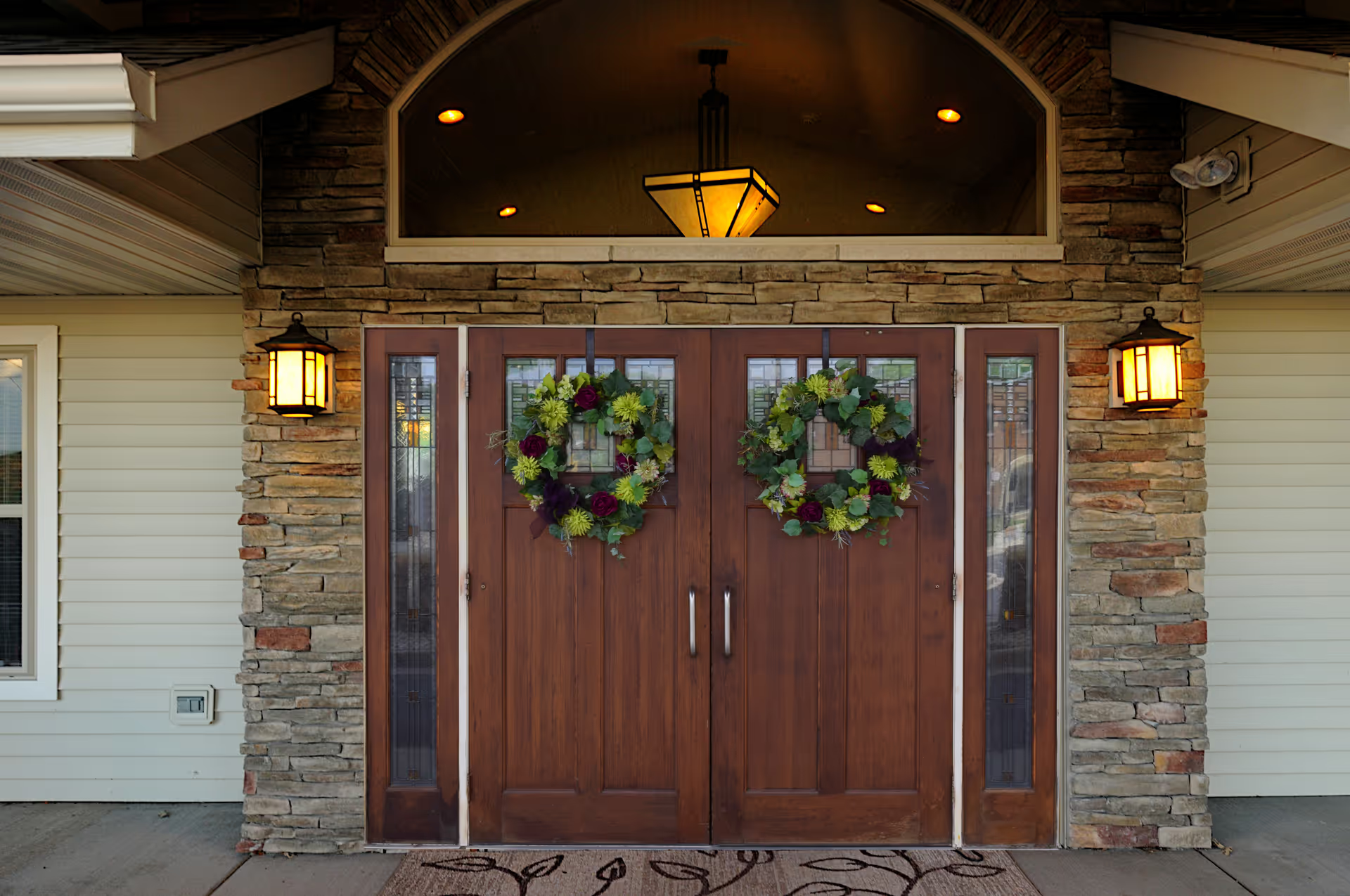
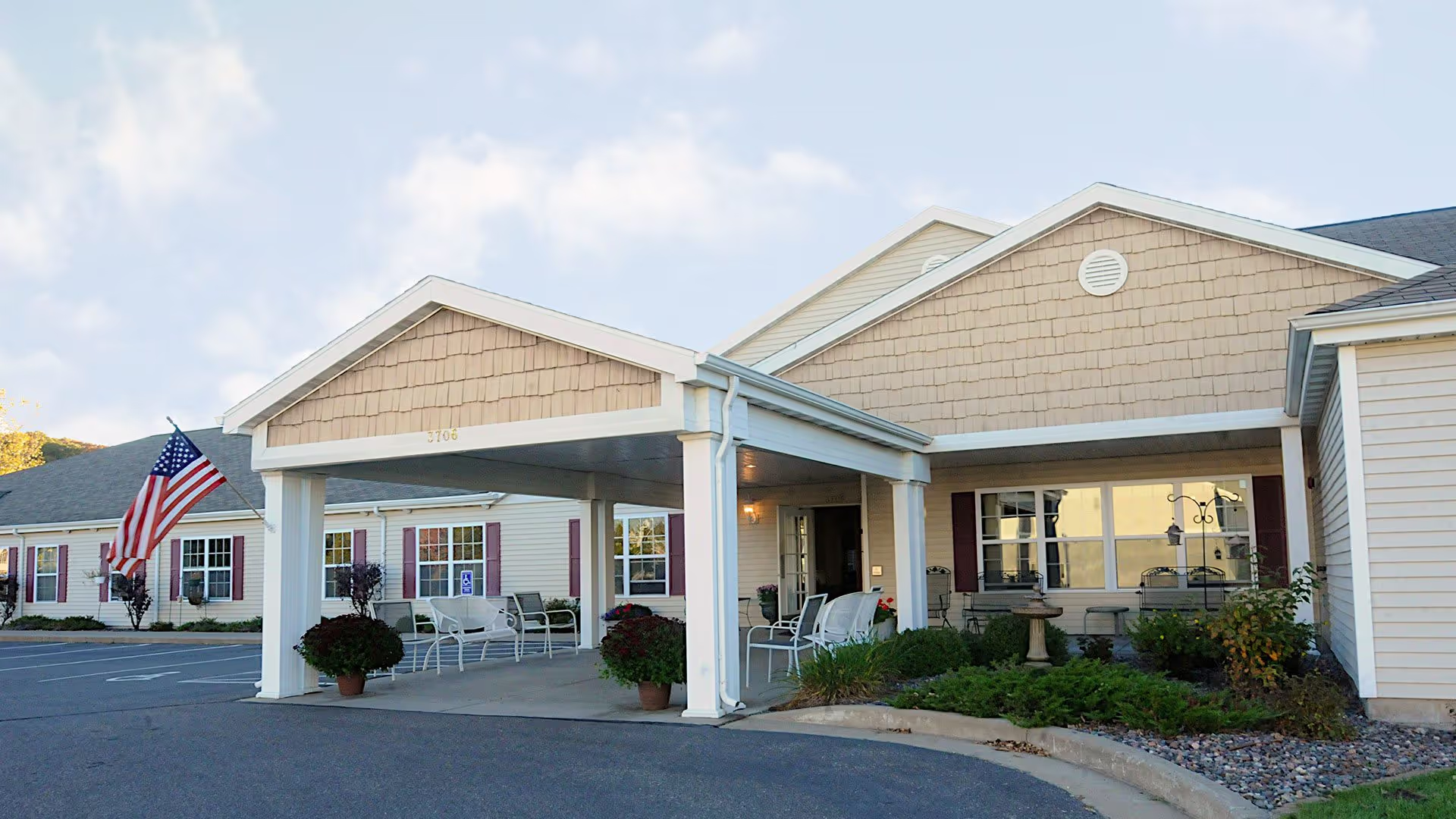
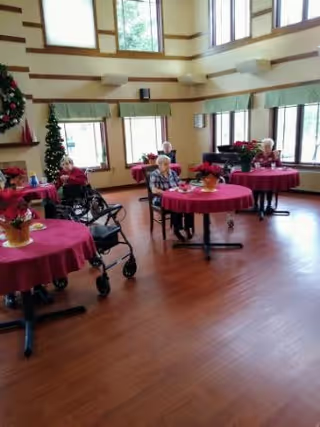
Care Partners Assisted Living is described as a small, newer community with a number of physical and programmatic strengths: a single‑level floorplan with wide hallways, private rooms with walk‑in showers, sizable bathrooms, community spaces, on‑site laundry, and an outdoor walking path. Reviewers frequently note that the site feels clean and well maintained, that the layout makes visits and resident observation easier, and that therapy and activity options (physical therapy, group exercise, bingo, Bible study, music programming when available) are available to residents.
Many families commented positively about caregiving staff, particularly daytime caregivers and the dedicated memory‑care team, characterizing interactions as compassionate and communicative and saying residents are treated with dignity. The community’s smaller capacity (around 60 beds) and accessible location are viewed as conveniences by several families, and some described meals and room accommodations as satisfactory.
However, there are recurring operational concerns that prospective families should evaluate. Staffing consistency across shifts appears uneven; reviewers describe stronger daytime coverage than overnight coverage and noted occasions of slow responsiveness. Related to staffing, several comments raise concerns about supervision and elopement‑prevention practices for residents with cognitive impairment. Medication handling and clinical oversight were also identified as areas needing improvement, with reviewers citing errors or management gaps that warrant careful inquiry.
Infection‑control practices and PPE availability were also questioned in some accounts, and there are references to broader regulatory and management issues that have prompted family concern. A few reviews mention serious outcomes and family unrest following an incident involving a resident; those narratives include allegations about management conduct and note regulatory attention. Given the nature of those claims, families should request up‑to‑date information on inspection history, incident-response protocols, and the facility’s current corrective actions.
Dining and activities present a mixed picture: programming and social options exist and are appreciated, but meal service timing and food appeal were described as inconsistent by multiple families. Training specific to dementia care was cited as uneven, suggesting that while some staff are experienced and supportive, dementia‑specific competencies may vary across the team.
Recommendation: anyone considering this facility should tour the site during multiple shifts, ask for staffing ratios by shift, review elopement‑prevention and medication‑management policies, request recent inspection and corrective‑action documentation, and speak with current families about consistency of care and meal service. The facility shows clear strengths in its environment and some staff, but persistent operational and oversight questions merit direct clarification before a placement decision.