Overall sentiment in the reviews is mixed-to-positive with a strong emphasis on the quality and compassion of frontline staff but notable concerns about dining, staffing stability, and recent management disruptions. The most consistent praise across summaries centers on the people who deliver care: residents and families repeatedly describe staff as kind, caring, responsive, and hardworking. Leadership presence and personal attention from managers are specifically appreciated by several families, and there are reports of proactive callbacks and good communication from individual caregivers. Many reviewers note improvements such as increased staff-to-resident ratios, enhanced training efforts, and moves to modernize technology, which have contributed to a perception that care quality and responsiveness are improving.
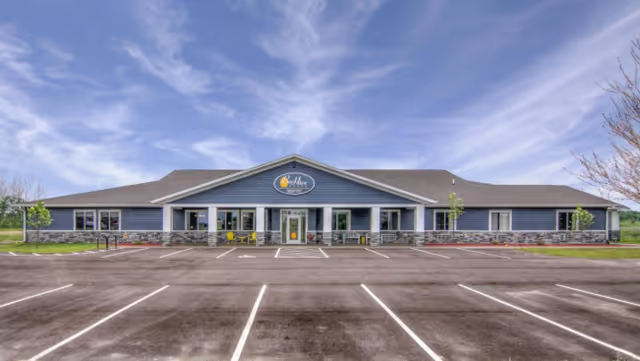
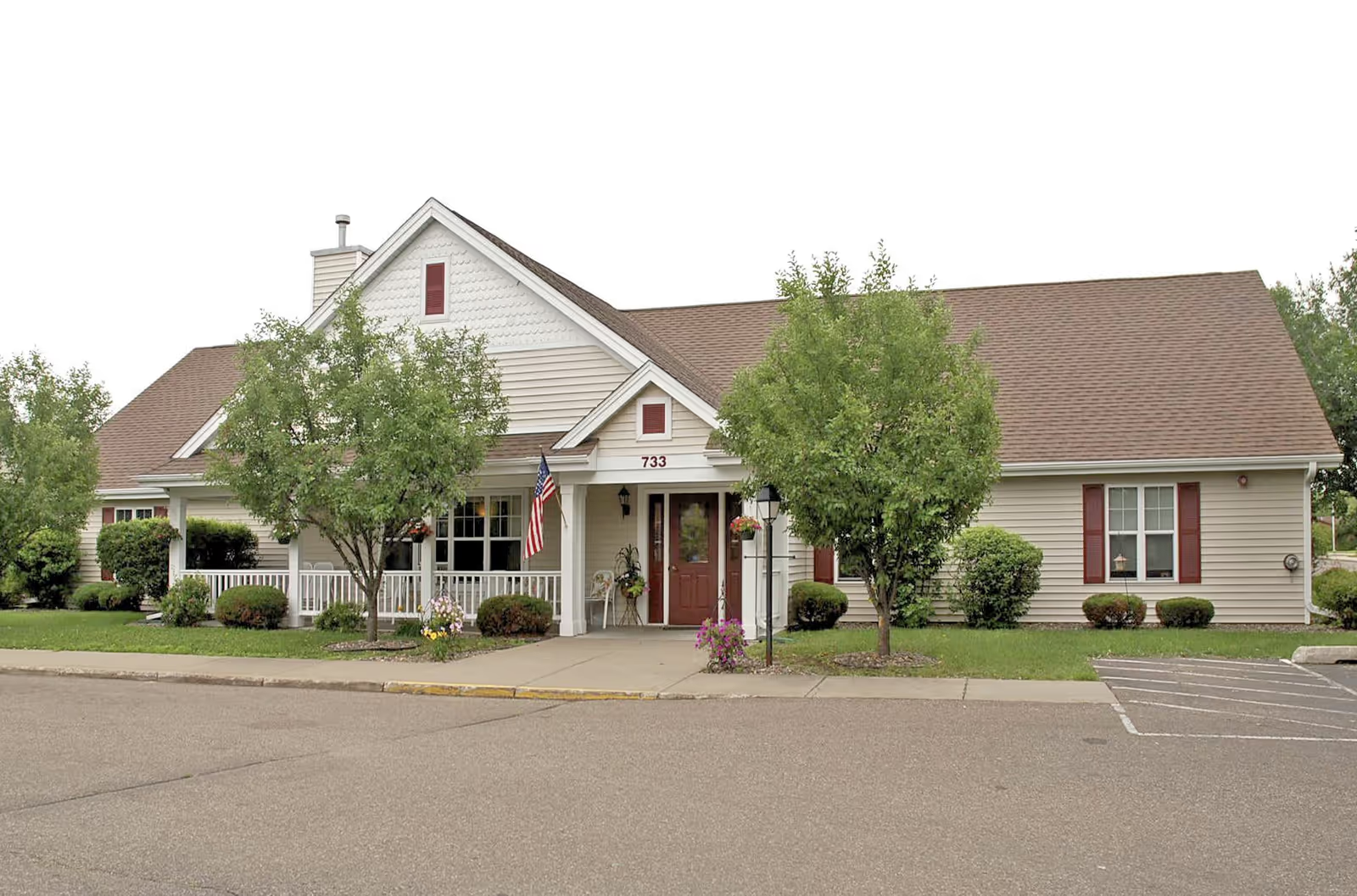
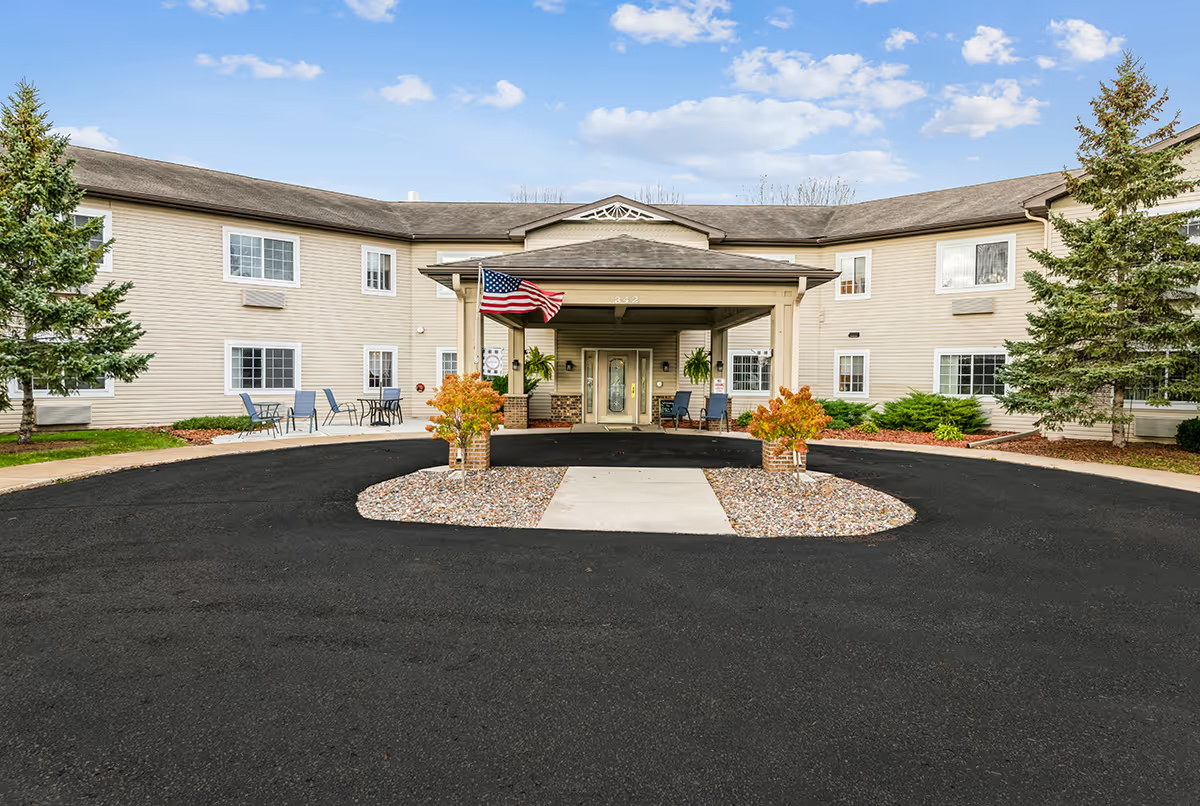
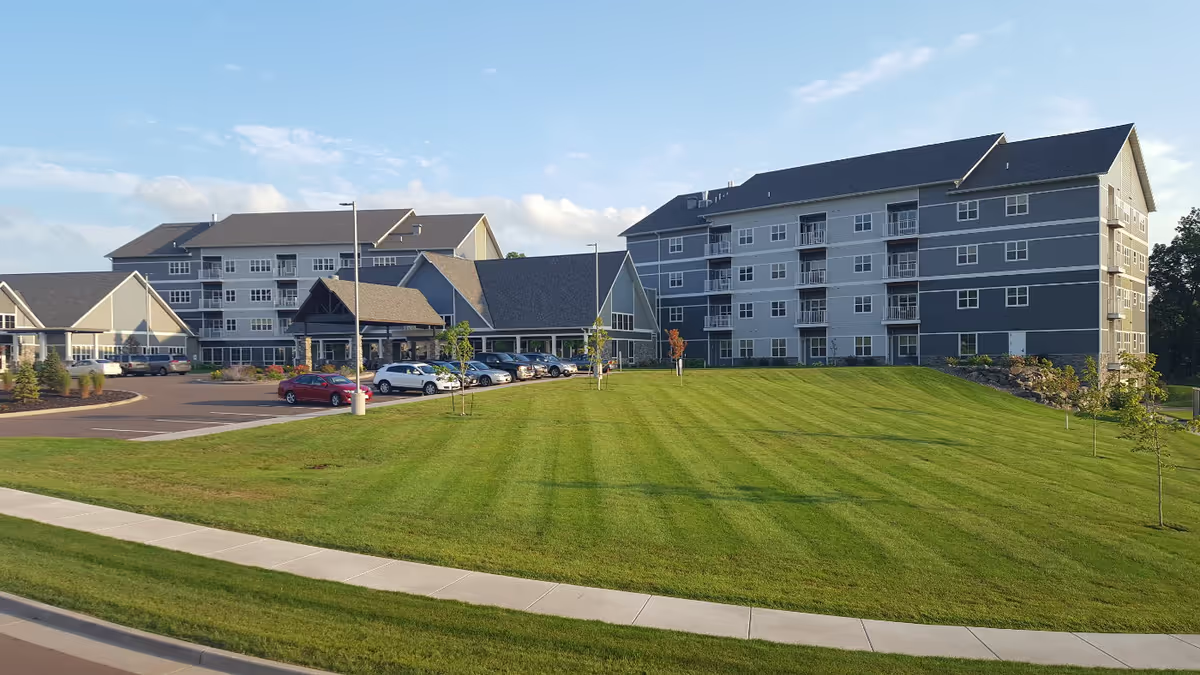
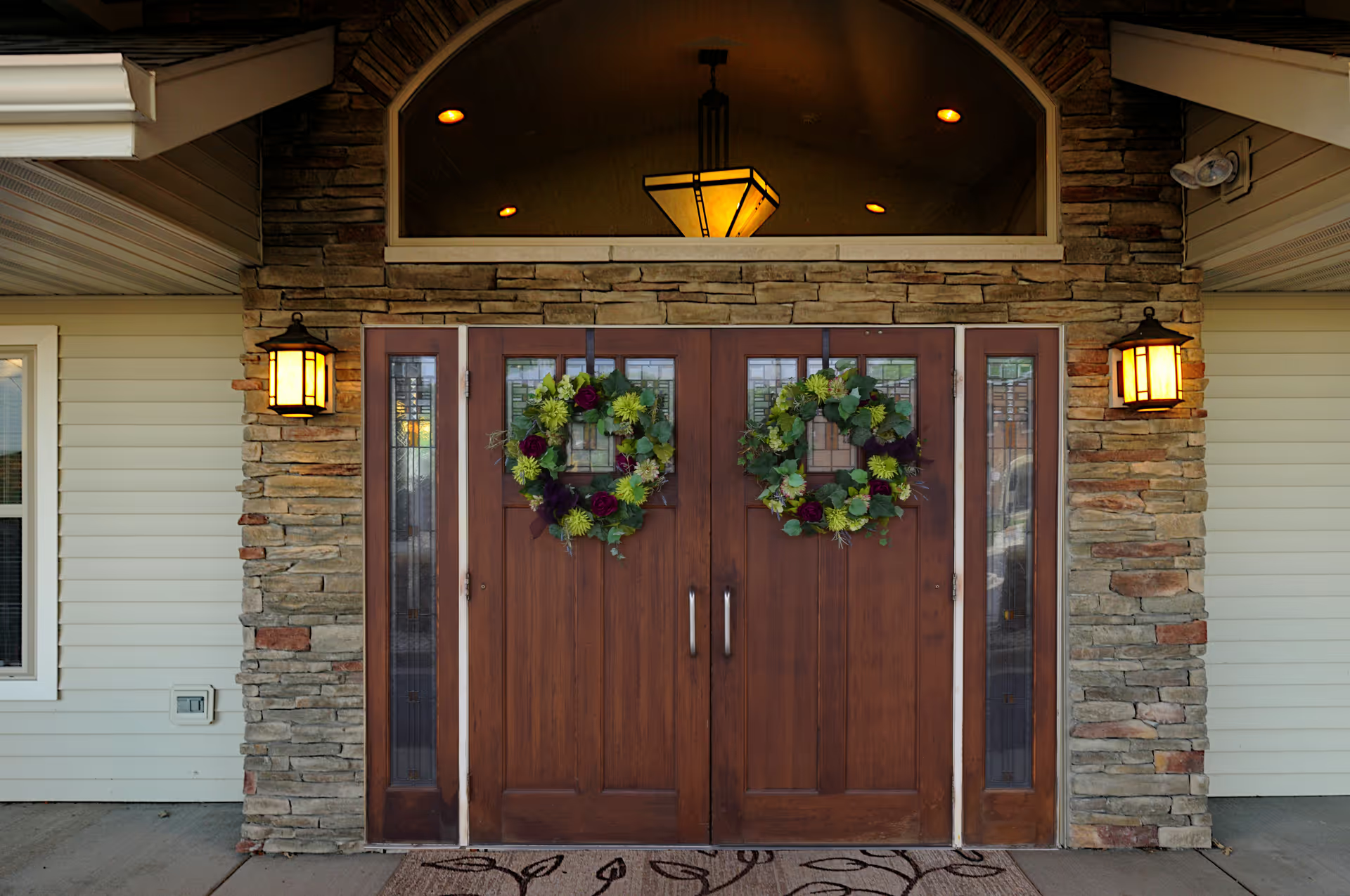
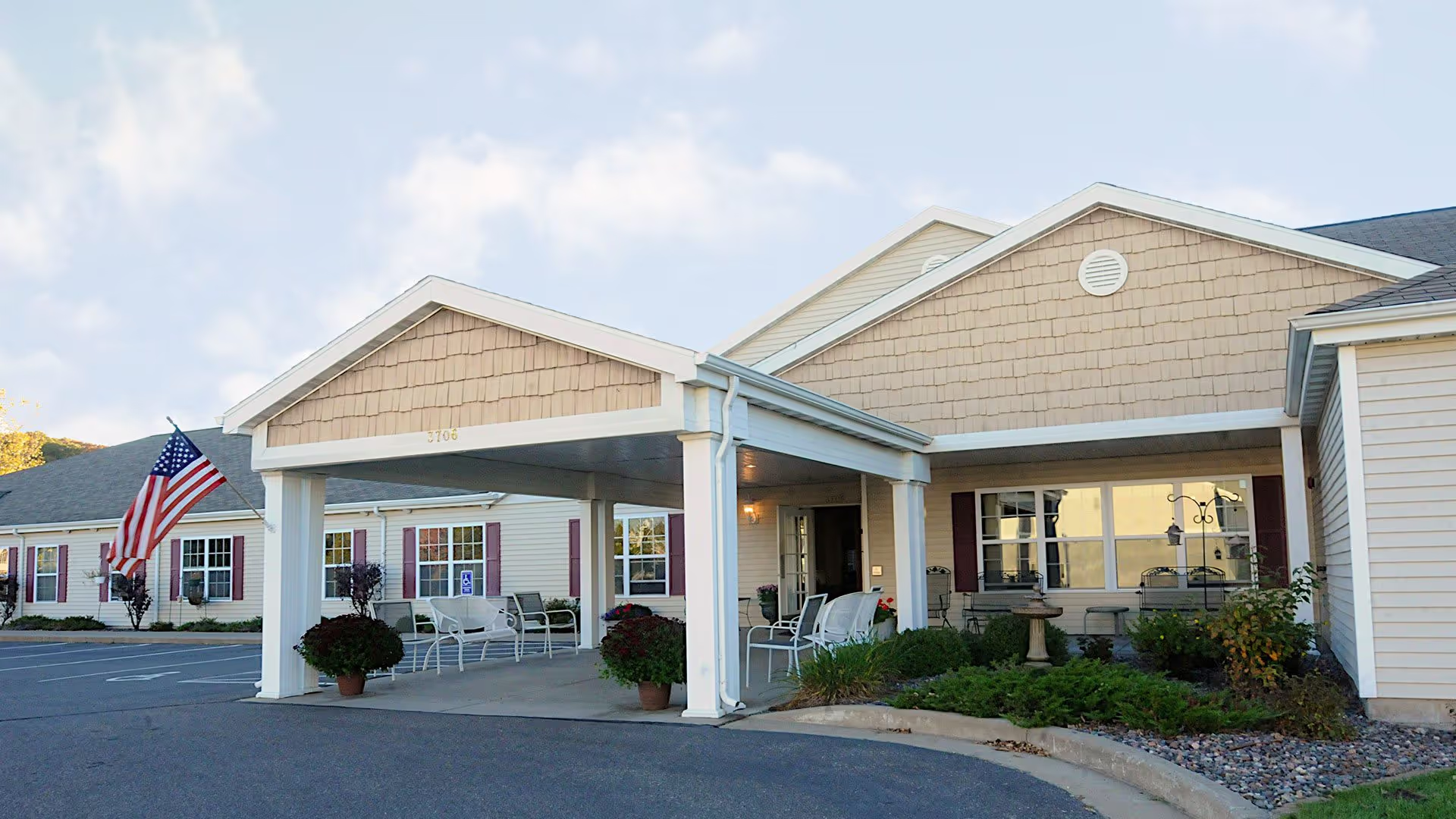
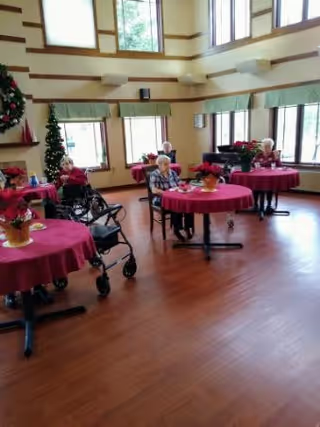
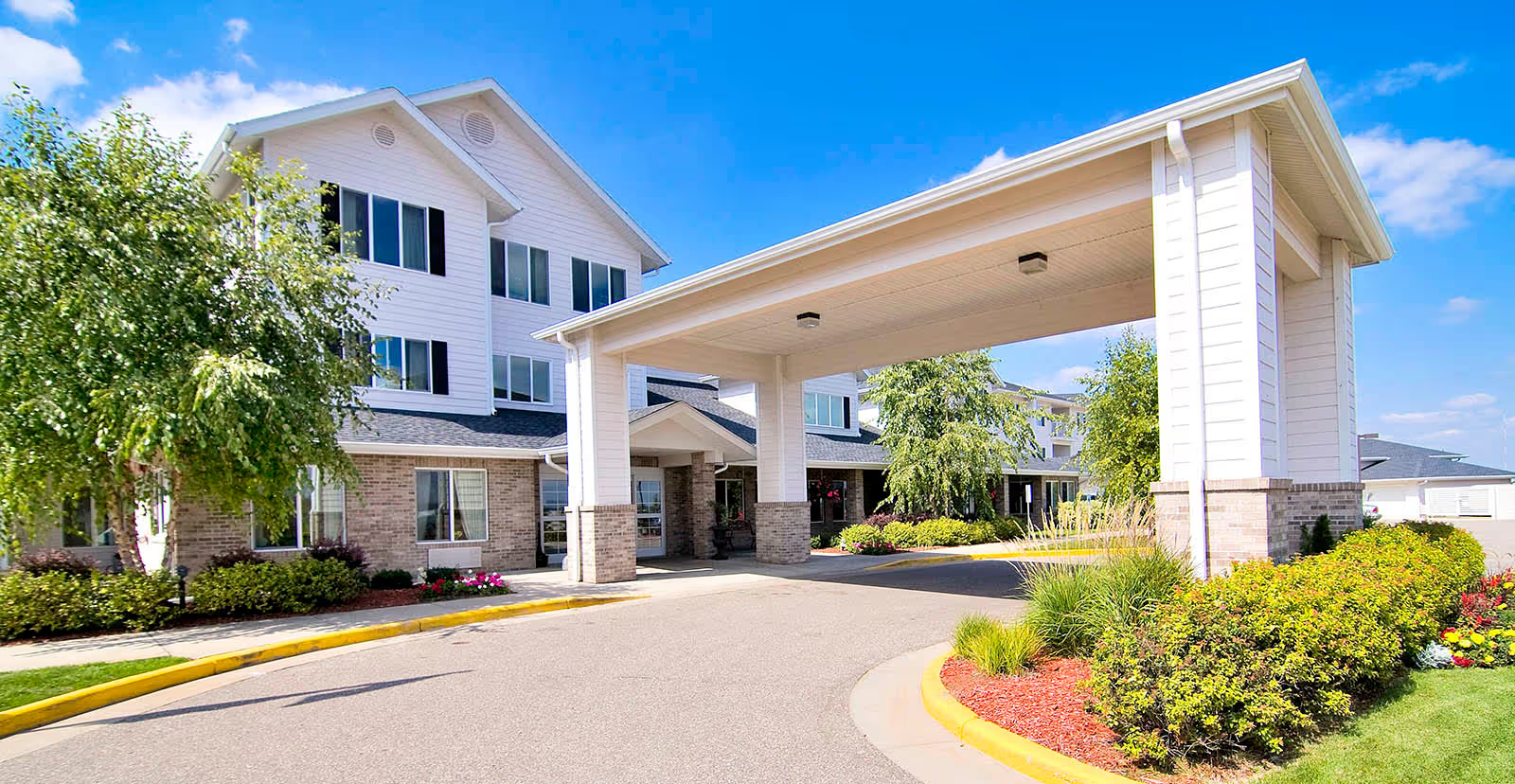
Facility-related feedback is also largely positive. Reviewers commonly mention clean, well-kept spaces, spacious rooms and apartments (some with balconies), comfortable common areas and seating, and an overall safe environment for residents. The facility layout and apartment quality are viewed favorably by many, and activities are plentiful with opportunities for family participation — activities and the social aspect of meals are cited as contributors to residents' quality of life. Several families specifically note that the community is socially suitable for their loved ones and that staff help residents remain engaged.
However, dining is a frequent and significant negative theme. Many reviews call the food "really bad," describing meals as poorly presented "glop," with tiny portions, limited fruits and vegetables, and a lack of variety. Breakfast is often an exception — reviewers repeatedly say breakfast is good while other meals fall short. Although meals are valued for their social role, the culinary quality undermines overall satisfaction and is cited by multiple families as an area needing urgent improvement.
Management and staffing present another complex pattern. There are clear reports of past management instability: a removal of management, periods of interim leadership, and a lack of explanation or communication to families about these transitions. These events reportedly led to staff and resident departures. At the same time, reviews mention a new director and expressed hope that the situation is turning around. Some families observe concrete improvements such as increased training and staffing ratios, while others still experience high turnover and ongoing staffing issues. Communication gaps during the management transitions are a notable concern and have affected family trust.
Additional operational concerns include perceived value for cost and population mix. A number of reviewers feel the community is expensive or overpriced relative to the quality of certain services (especially dining). There are also comments that many residents are acute patients at similar functioning levels, which may not be an ideal fit for every incoming resident. Accessibility and layout issues are mentioned by a few families — for example, long hallways and distance from some rooms to the dining area can be a challenge, particularly for residents with COPD or limited mobility.
In summary, the strongest and most consistent positives are the caring, responsive staff and the clean, comfortable facility with ample activities that support social engagement. The primary negatives are recurring problems with food quality and presentation, lingering staffing instability and turnover despite some improvements, and the recent history of management disruption and communication failures with families. Taken together, the reviews suggest a community with many strengths in person-centered care and environment, but with clear, actionable weaknesses around dining, continuity of management/staffing, and value for cost that should be addressed to improve family confidence and resident satisfaction.