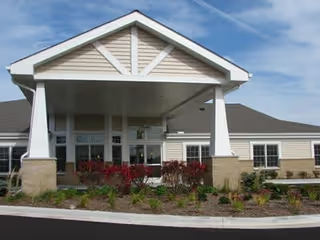
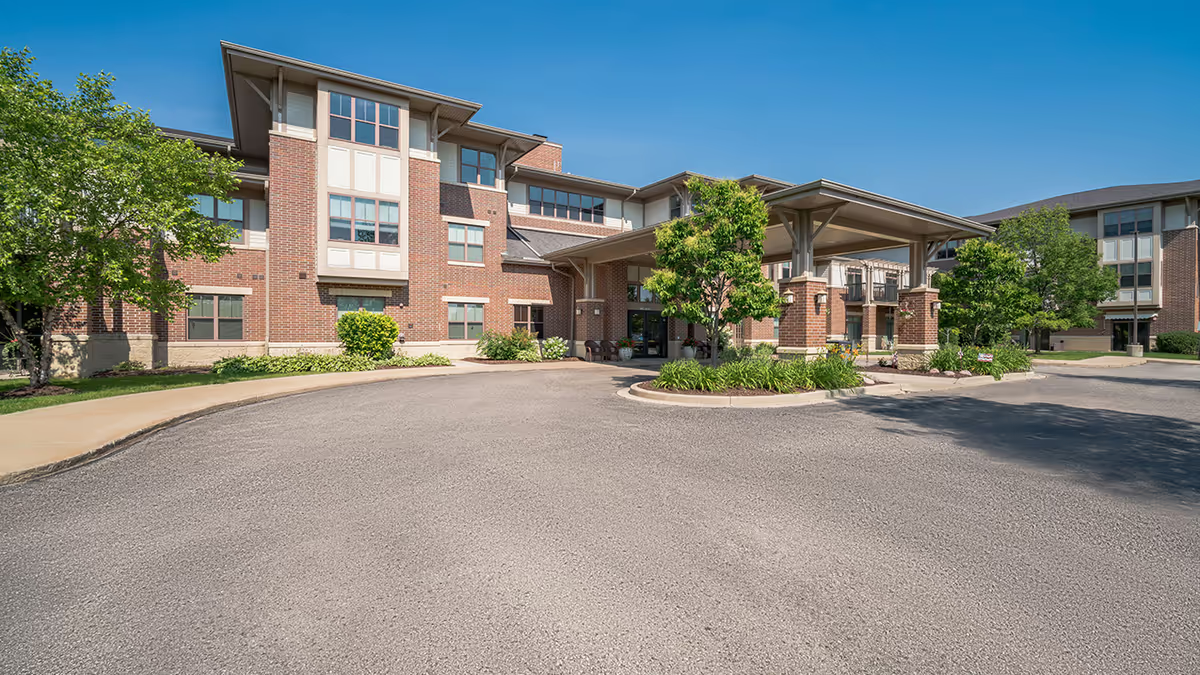
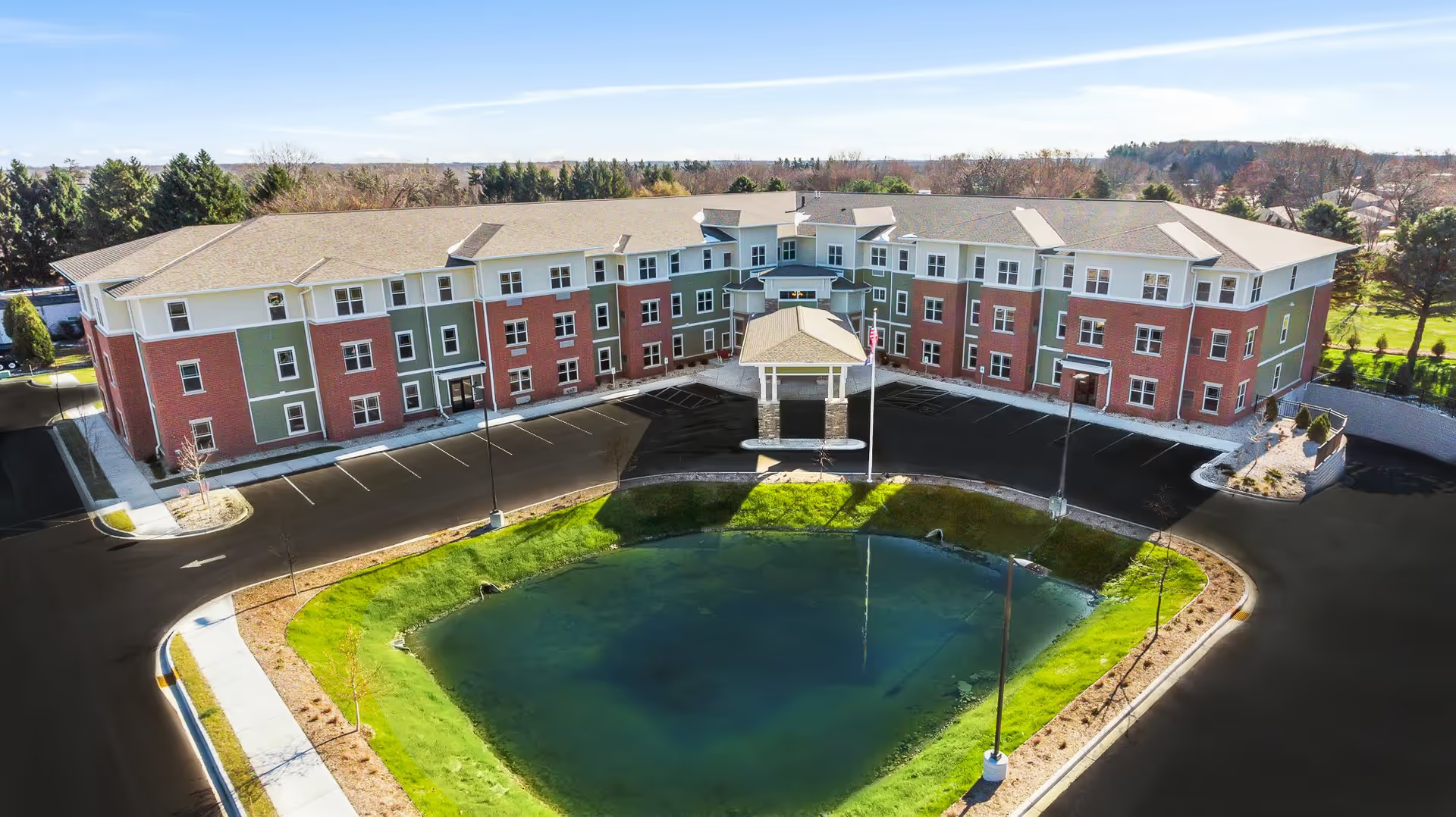
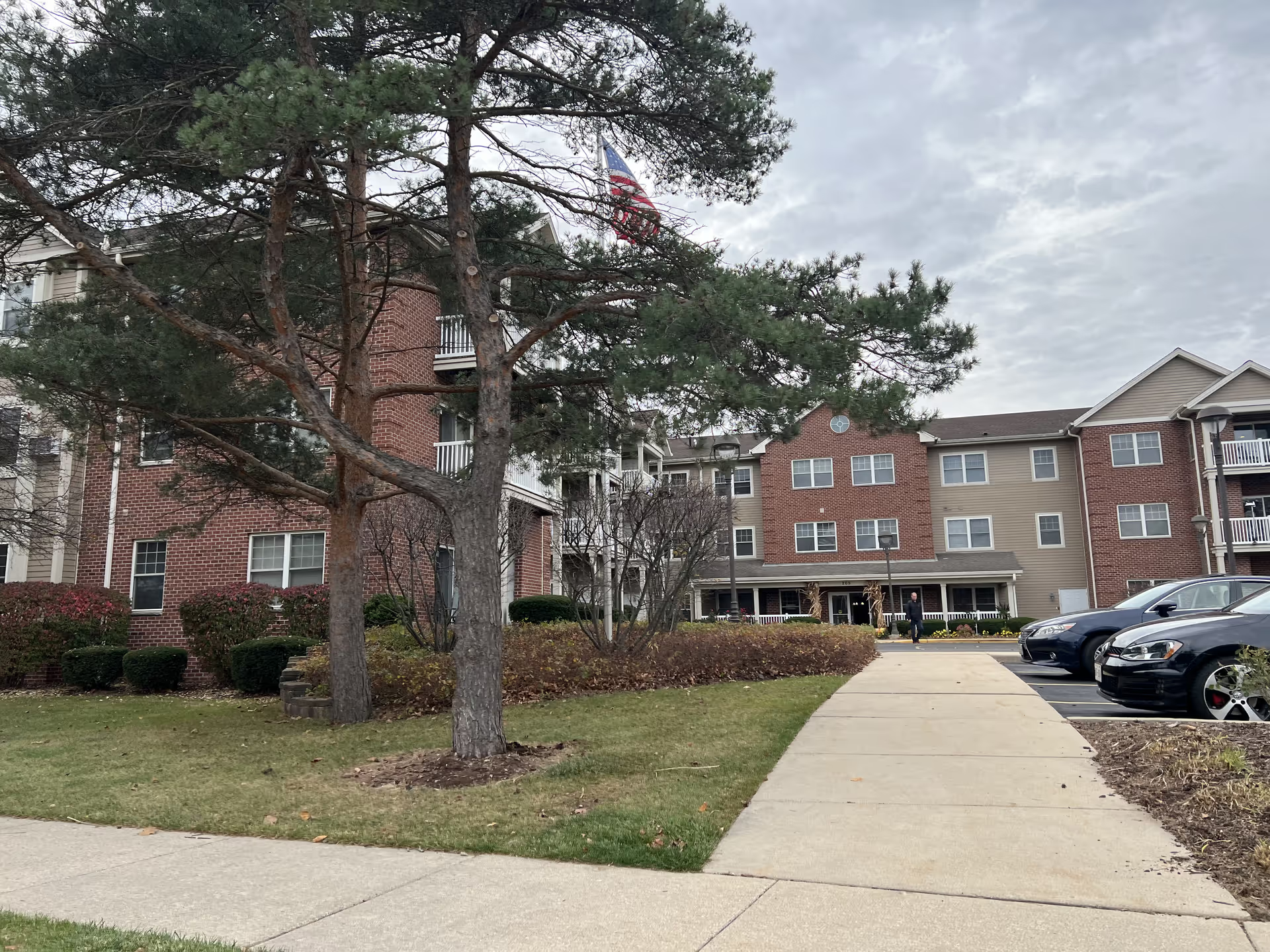
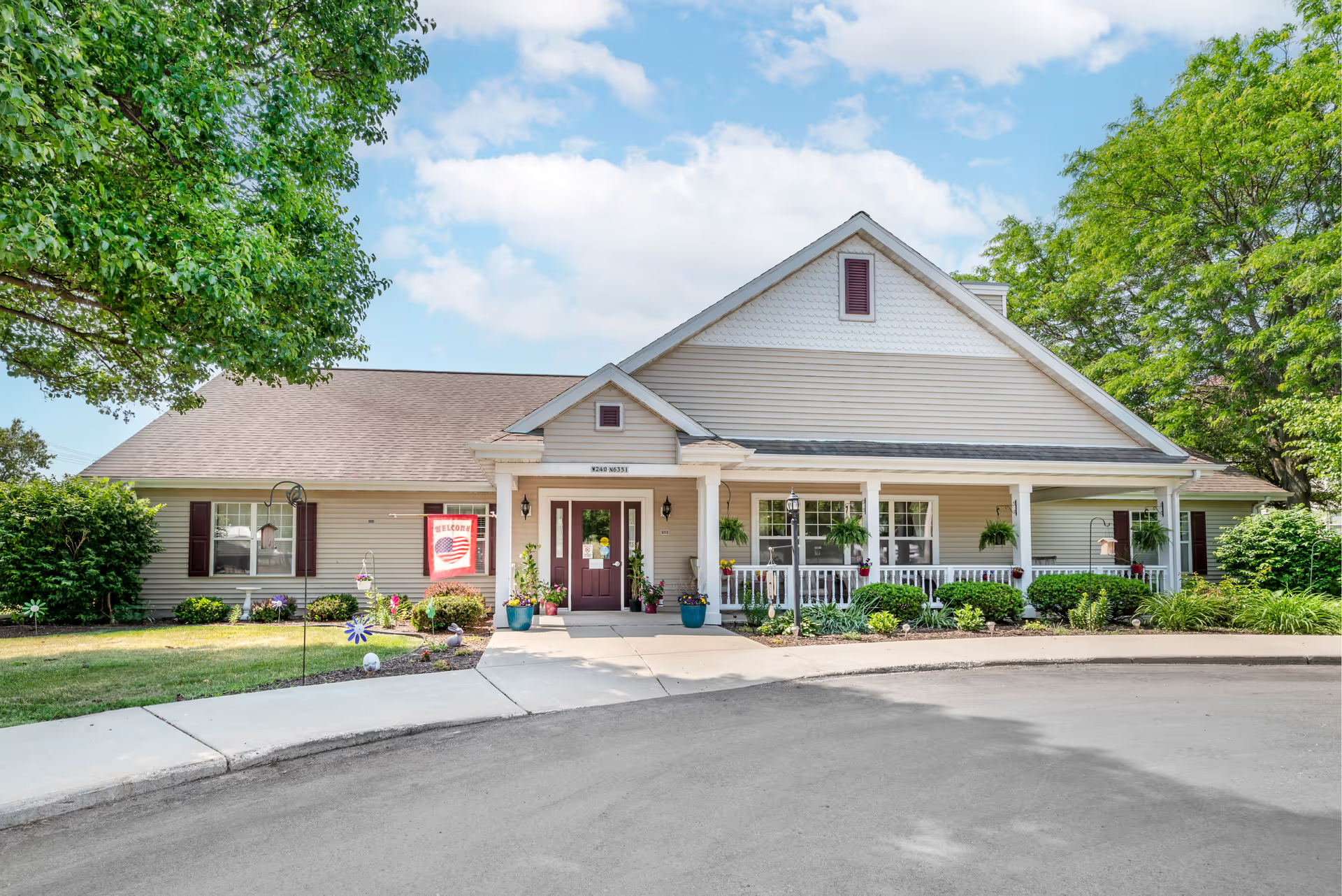
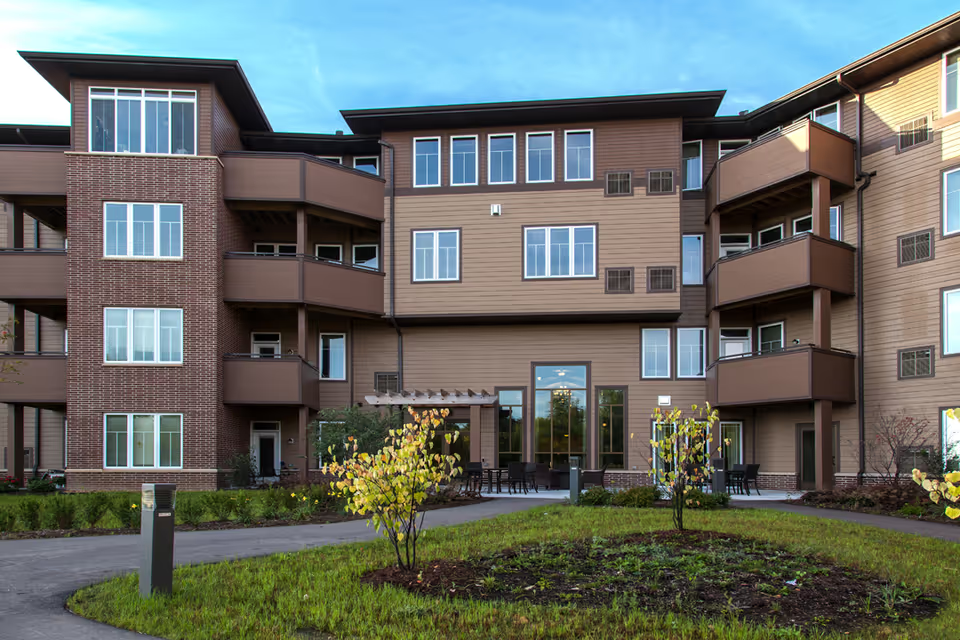
Reviewers present a polarized view of Frontida of Germantown, with many families praising the facility's physical environment and several staff members while others express substantive operational concerns. The community's new, bright design, hotel-like common areas, secure entry procedures, and maintained grounds are frequently highlighted. Families also describe an active activities program and report positive interactions with compassionate caregivers and responsive nursing presence in numerous accounts.
Care quality appears inconsistent across reviews. Multiple families describe dedicated, patient caregivers who ensure grooming, timely updates, and an attentive presence on the floor; these accounts emphasize improved physical and emotional well-being for some residents. Conversely, other reviewers cite persistent short-staffing, high turnover, and limited on-shift coverage that contribute to delayed responses, minimal assistance during shifts, and uneven day-to-day care. Night and front-desk coverage are singled out as variable, with some reports of early bedtimes and gaps in supervision that are attributed to staffing patterns.
Dining experiences are similarly mixed. Several reviewers praise the dining rooms and occasional high-quality meals, highlighting pleasant presentation and varied menus when observed. At the same time, there are recurrent complaints about limited menu variety, meals served that do not match the posted menu, lack of alternative options, and occasional shortages of basic items. These inconsistencies suggest variability in kitchen operations or supply management rather than a uniform culinary standard.
Activities and resident engagement are strengths for many families: crafts, games, exercises, and seasonal programming are frequently cited as meaningful. However, some reviews describe the activity calendar as aspirational rather than consistently implemented, with residents sometimes left without structured engagement and limited outdoor time due to staffing constraints.
The facility’s physical plant generally receives positive notes for cleanliness, natural light, and comfortable common spaces. That said, several reviewers identify housecleaning gaps and sanitation concerns in specific areas, as well as smaller room footprints and privacy limitations in double-occupancy arrangements. Laundry service is available, but there are isolated accounts of clothing mix-ups that point to operational challenges in personal-item management.
Management and communication practices show variation. Several families report clear, responsive leadership with timely emails and strong advocacy from named staff. Other accounts describe inconsistent front-desk coverage, perceived emphasis on marketing over operational transparency, and difficulty obtaining timely responses by phone. There are also specific mentions of medication-delivery or clinical-communication gaps that prospective families should evaluate.
Notable patterns: staffing stability and operational consistency are the dominant themes connecting positive and negative accounts. Where staffing and leadership are steady, families report reliable care, clean environments, active programming, and good communication. Where turnover and short staffing occur, reviewers describe reduced care responsiveness, dining and housekeeping inconsistencies, and weaker supervision. Prospective families should tour at different times of day, ask about current staffing ratios (including night coverage), turnover rates, kitchen practices, medication-delivery protocols, housekeeping schedules, and observe activity periods. Speaking directly with current residents’ families and requesting recent staffing and inspection information can help clarify whether the facility’s operational strengths align with a prospective resident’s needs.