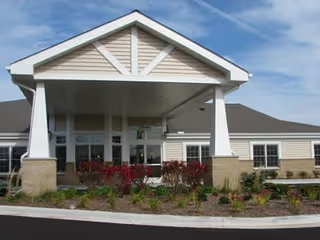
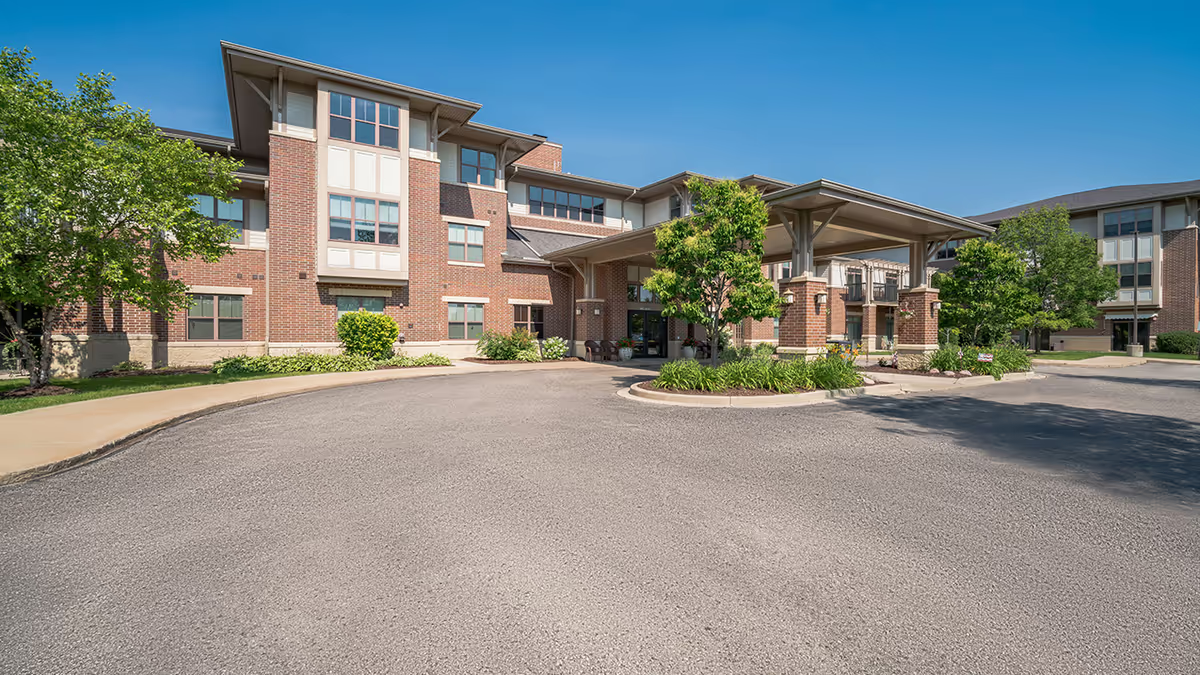
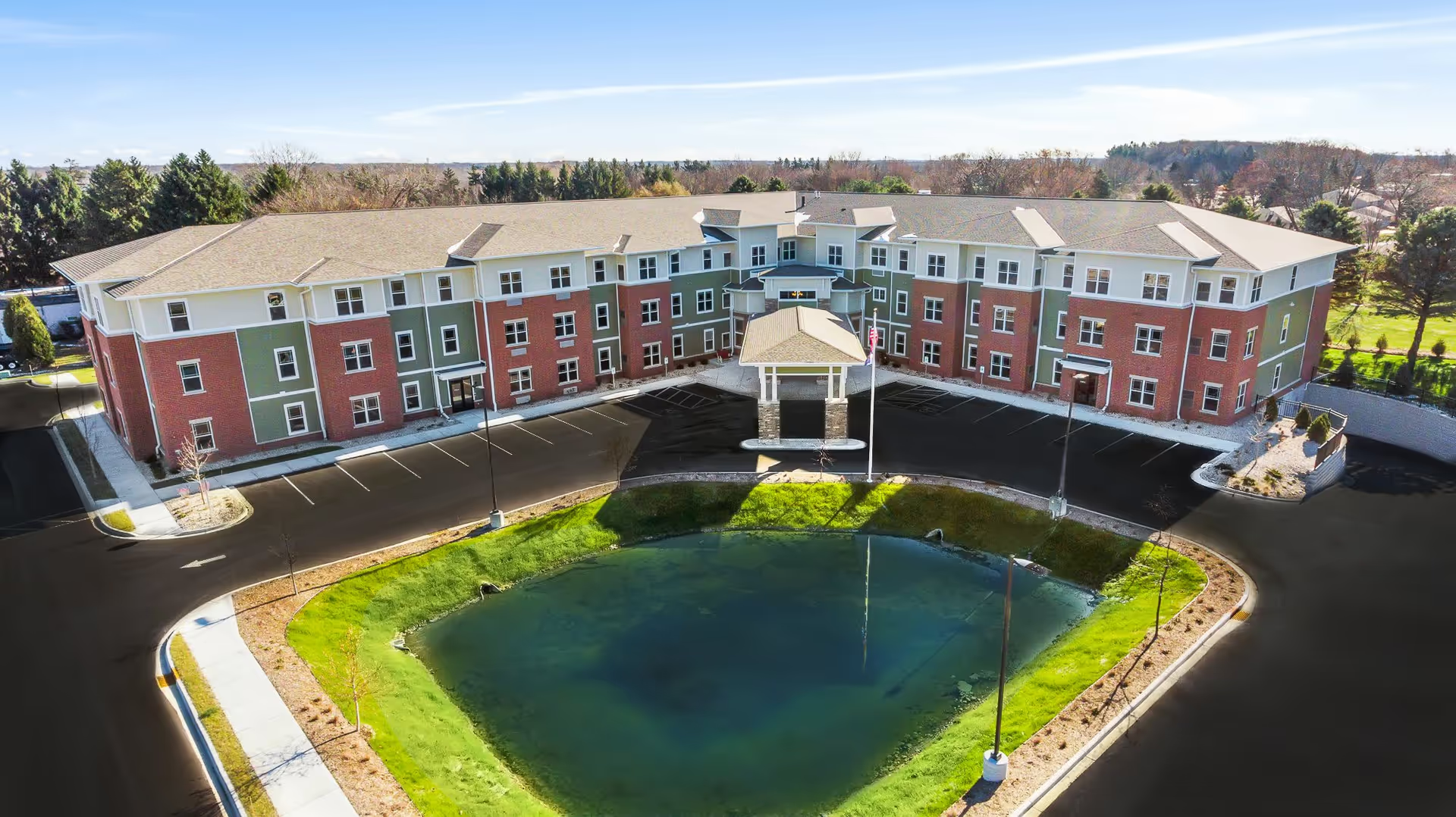
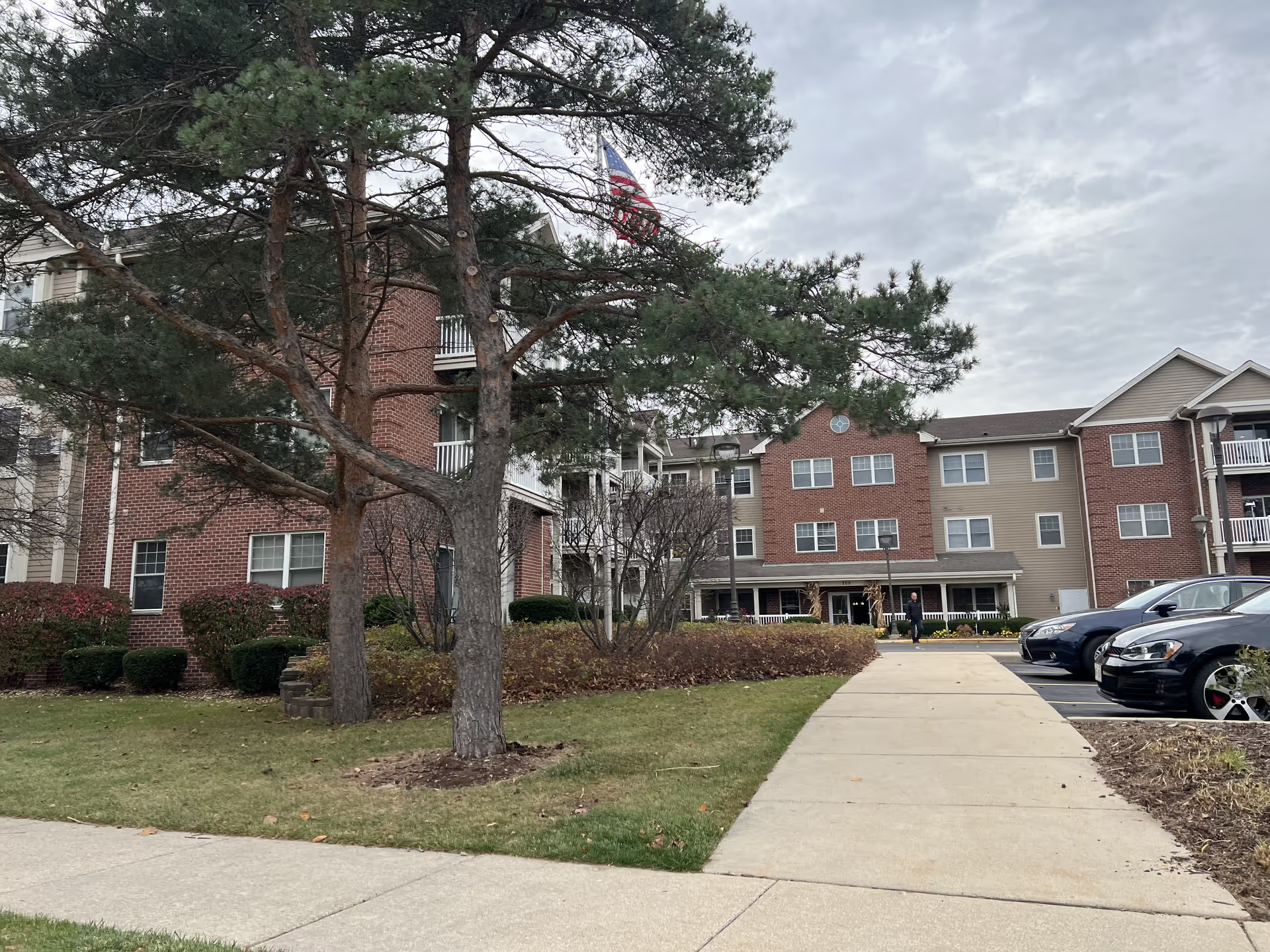
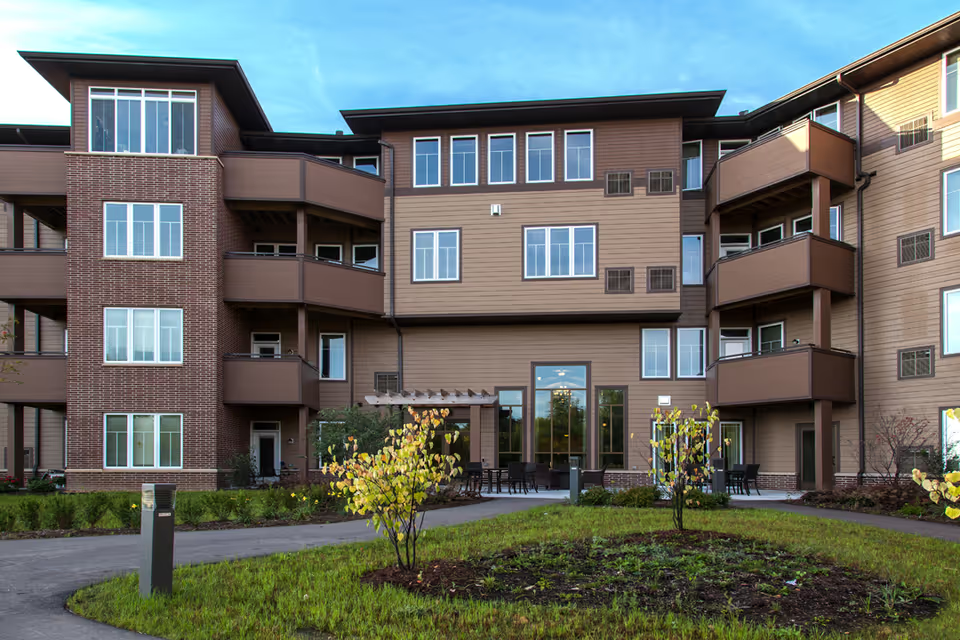
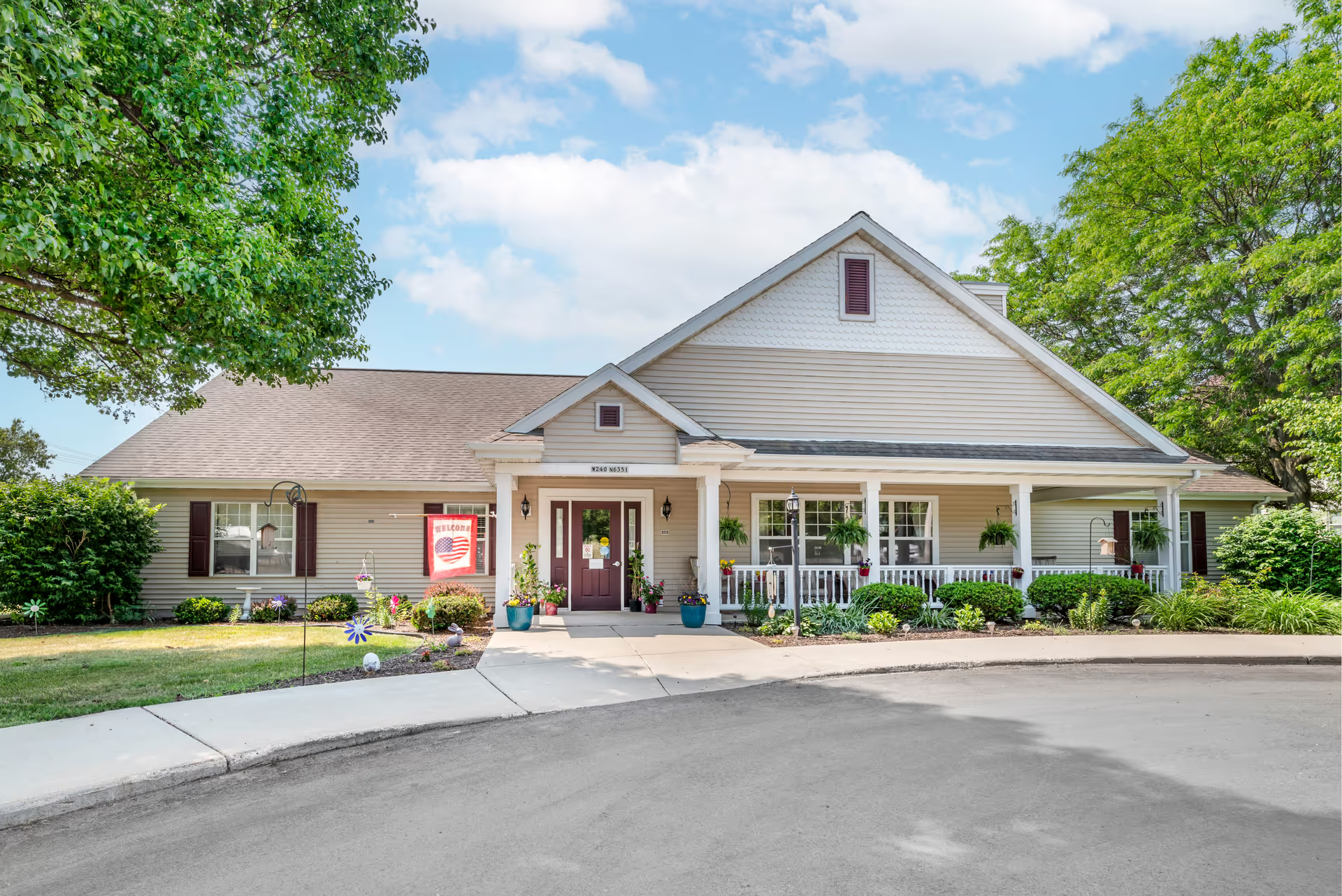
Overall impression: The Gables of Germantown presents as a well-kept, amenity-rich senior living community with a consistently praised staff culture and visible clinical resources. Reviewers frequently highlight clean grounds and public spaces, a secure campus, and a range of on-site conveniences (salon, store, library, theater, grilling areas, and underground parking). The physical campus includes newer cottages and modern apartment options as well as larger common areas that support socializing and programming.
Care and clinical services: Many accounts emphasize an active clinical presence—daily nursing availability, on-site therapists, and monthly nurse-practitioner reevaluations are cited as strengths that support care coordination. The campus model (independent, assisted, and memory care) is appealing to families seeking continuity of services. At the same time, there are recurring remarks about inconsistent continuity of care over extended stays; several reviewers advised close monitoring of clinical responsiveness and changes in care quality. There are also suggestions that certain parts of the community may not be fully prepared for residents with more advanced dementia needs.
Staff and culture: Staff are commonly described as kind, helpful, and family-oriented, with specific positive references to front-desk responsiveness and caregivers who are generous with their time. This staff culture appears to be a core strength. Offsetting this, reviewers sometimes point to gaps in management visibility, occasional leadership absence, and uneven communication with families—issues that affect perceptions of responsiveness during administrative or clinical events.
Dining and activities: Dining receives mixed but generally positive comments. Several reviewers praise healthy and appealing menu options and above-average foodservice, while others find menus carb-heavy or variable in quality. The activity schedule is often described as robust, and the availability of large common areas supports a varied program of events; however, a minority of residents and families would like an even broader or more frequent set of activities.
Facilities and living spaces: The campus is noted for attractive landscaping, clean interiors, and secure entry systems. Apartment quality varies: some units are spacious with full-sized bedrooms, baths, and kitchenettes, while other units are described as small with limited closet and storage space. A few interior areas were described as darker or somewhat dated, which prospective residents may want to evaluate during a tour.
Management, cost, and transparency: Cost is a consistent theme. The community is generally viewed as pricier than some alternatives, and several reviews describe rent increases, fees for certain building changes, and perceptions that pricing is not always matched by the included services. There are also comments about a need for clearer upfront disclosure of fees and contract terms, and about slow administrative updates for prospective residents on waiting lists.
Notable patterns and guidance for families: Strengths center on staff demeanor, clinical resources on-site, cleanliness, and a broad amenity set. Operational weaknesses cluster around cost transparency, occasional variability in care continuity, limited storage in some units, and management communication. Prospective residents and families may wish to confirm current staffing patterns and clinical oversight, review fee schedules and contract terms in detail, assess apartment layouts for storage and light, and observe mealtime and activity programming during a visit to gauge consistency and fit.