Reviews present a mixed but consistent pattern: the facility's rehabilitation services (physical, occupational, and speech therapy) are widely praised and are a clear institutional strength. Multiple families describe motivated, skilled therapists and successful short-term rehab outcomes that support discharge home. The activities program and Activities Director also receive frequent positive mention for providing engaging programming that contributes to resident morale.
Staffing and direct care quality are more variable. While some nurses, CNAs, and night staff are described as caring, prompt, and communicative, a substantial number of reports describe slow response times to call buttons, inconsistent assistance with bathing and dressing, and insufficient coverage—especially on weekends and nights. These staffing shortages appear to drive many of the operational problems families describe, including long waits for assistance, delayed pain or other medications, and inconsistent personal-care schedules.
Medication management and clinical monitoring emerge as recurring concerns. Reviewers cite delayed medication administration, pills left unattended, and at least one insulin-administration error; these point to weaknesses in medication-control processes and handoff communication. There are also descriptions of clinical-monitoring gaps (falls, indwelling-device oversight, and instances resulting in hospital transfer) that suggest opportunities for stronger clinical oversight and infection-control vigilance.
Dining and housekeeping feedback is mixed. Several reviewers commend the cook’s engagement, a strong breakfast offering, and a clean, quiet dining room. Others describe inconsistent meal quality, food-service packaging issues, trays left untouched, and housekeeping lapses such as stained bedding or delayed linen changes. That variability suggests uneven execution of environmental services rather than a categorical lack of effort.
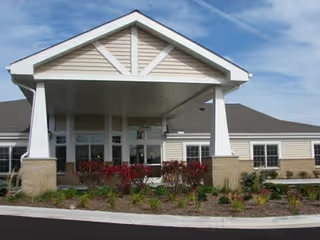
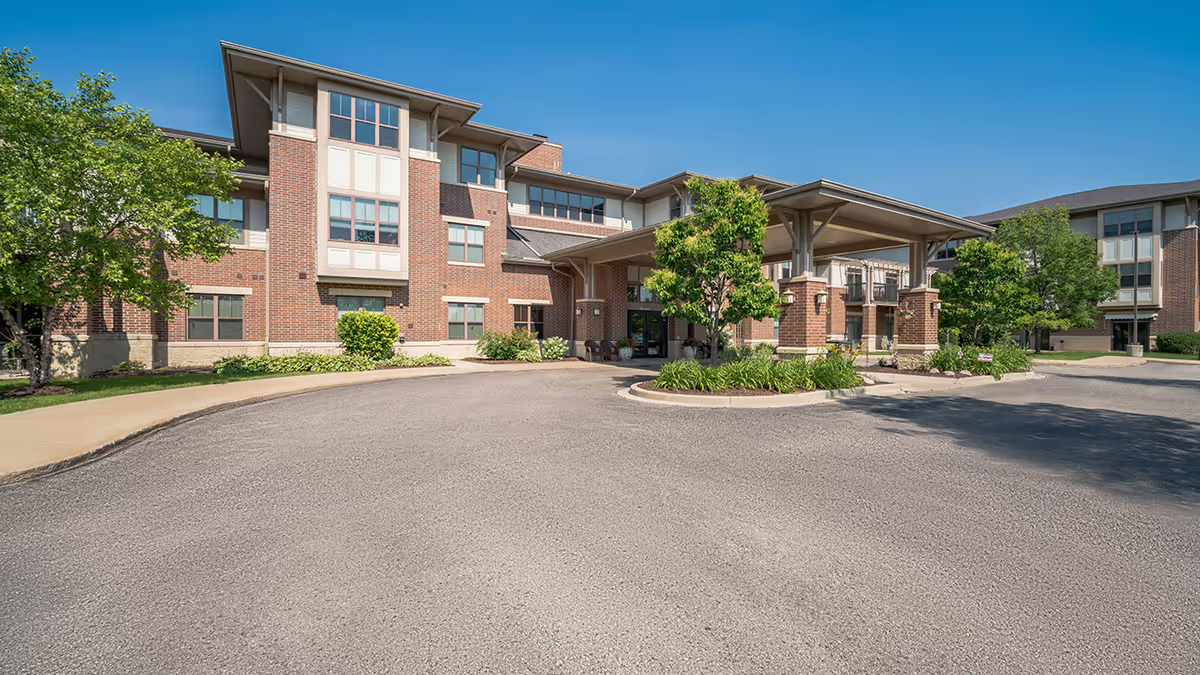
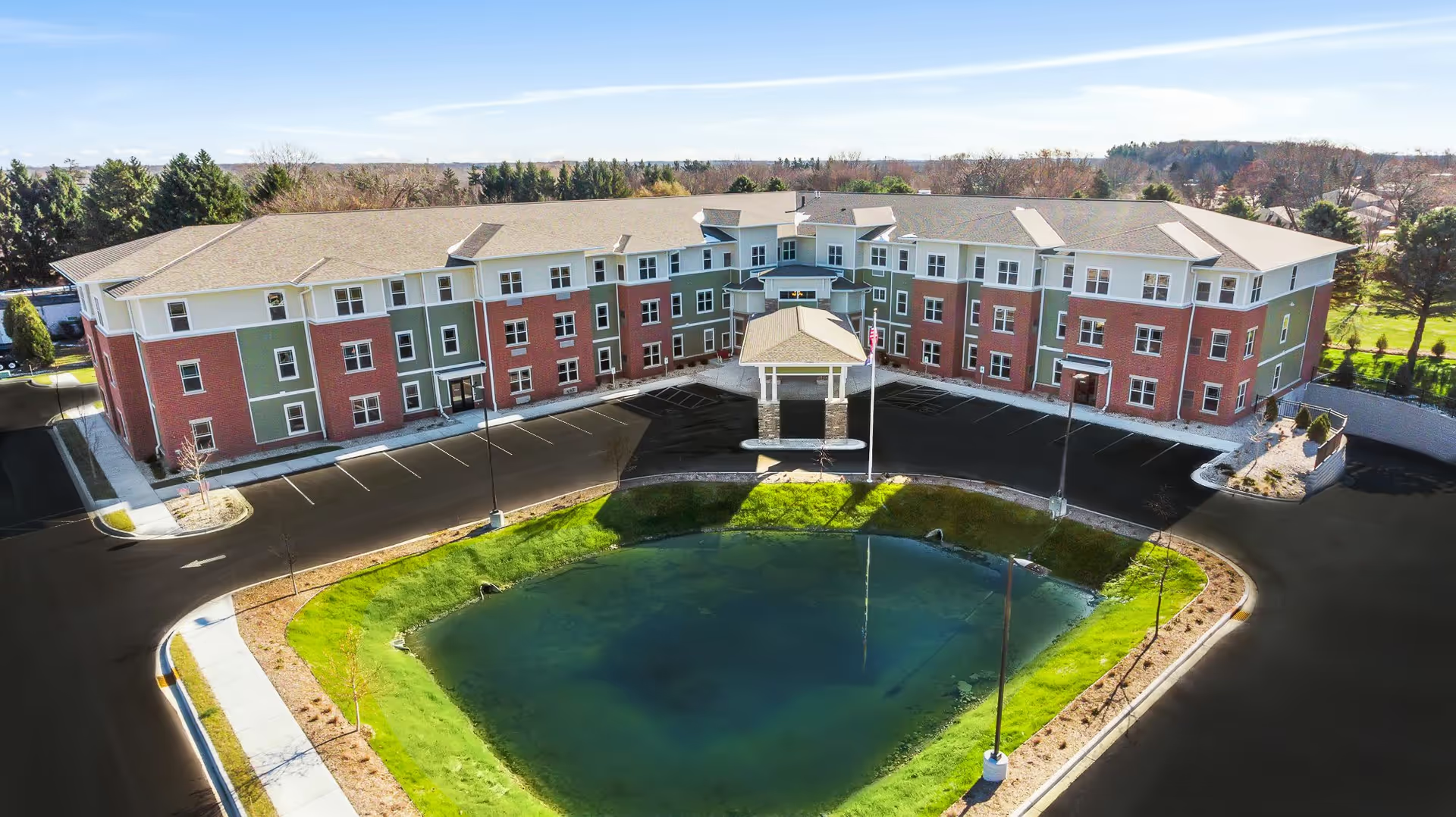
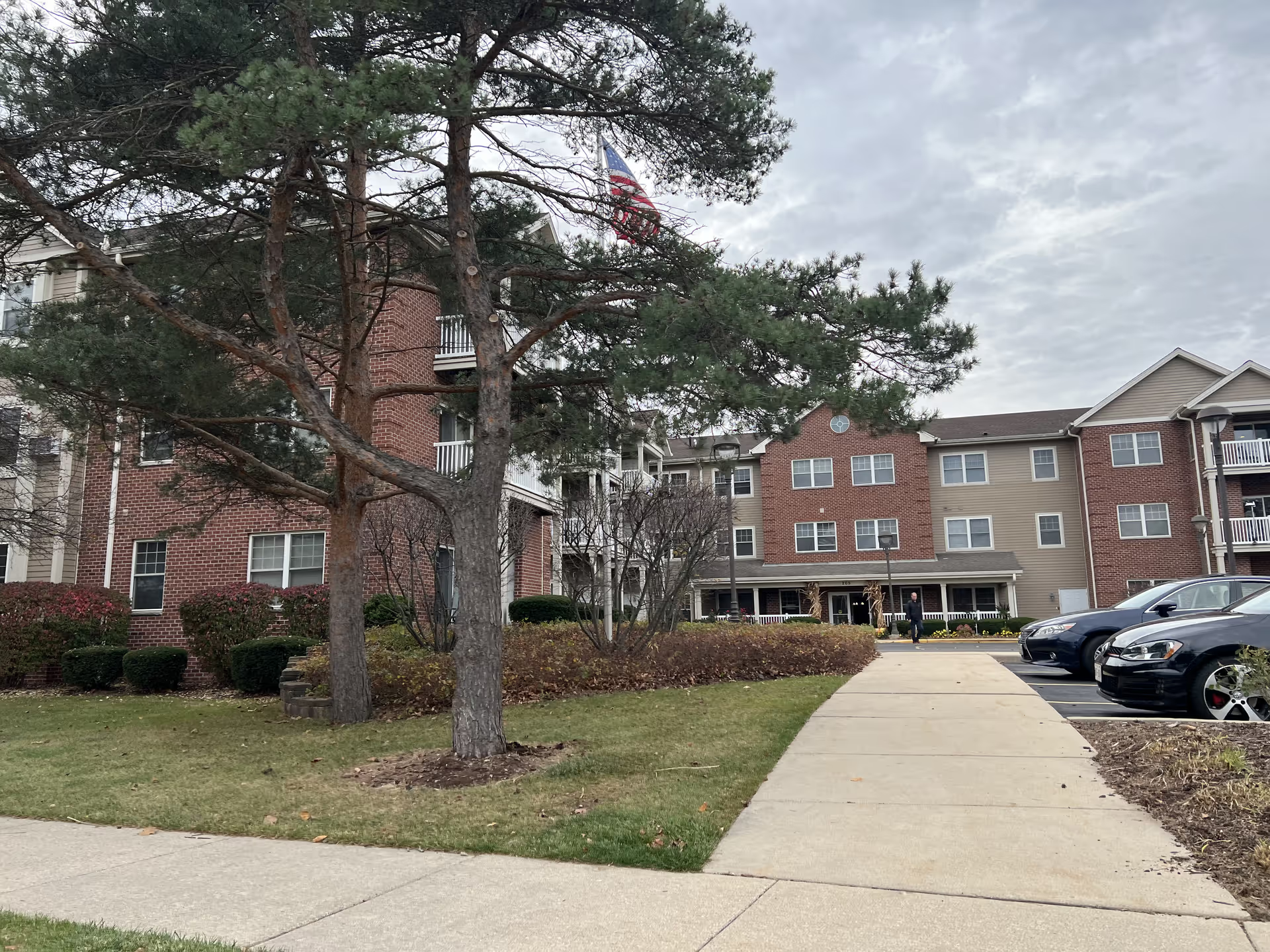
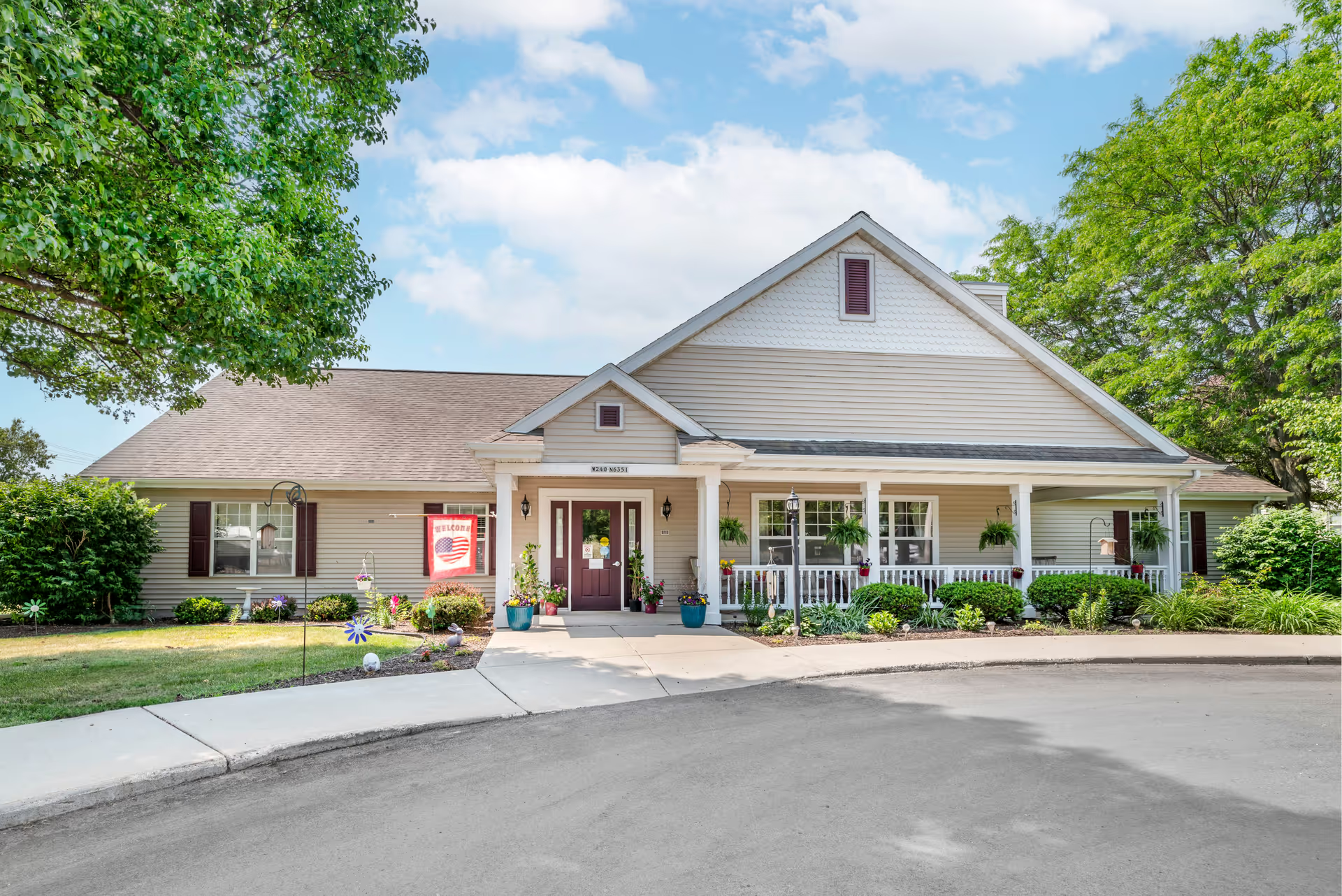
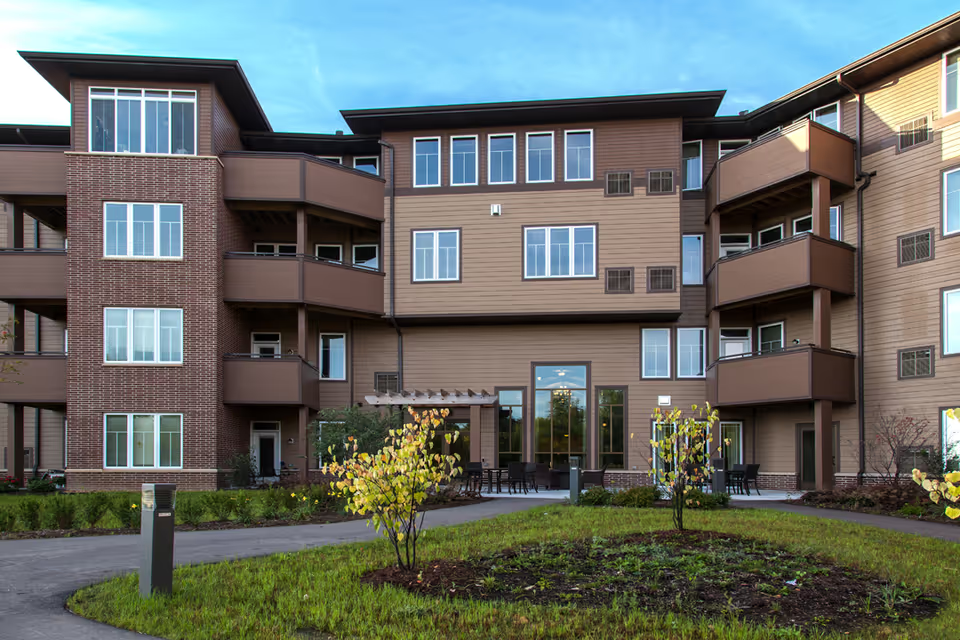
Facilities and campus attributes are frequently cited positively: the building’s architecture, outdoor common areas, and comfortable room sizes are strengths. At the same time, the physical plant shows its age in places (requests for mattress replacement, occasional maintenance delays) and may benefit from targeted updates to improve safety and comfort.
Management, communication, and safety culture are prominent themes. Families report delays in paperwork and discharge coordination, unreturned calls and emails, and perceptions of defensive or avoidant leadership. Security and property-safeguarding concerns (including allegations of missing personal items) have been raised and warrant careful administrative review. A number of serious individual claims — including hospitalizations and concerns following a resident's death — are present in the record; these are not the norm among all reviews but are significant enough to merit attention from regulators and prospective families.
Overall, Virginia Highlands Care & Rehab Center appears to offer a high-quality rehabilitation experience and has strengths in activities and certain caregiving staff. However, persistent operational weaknesses — notably inconsistent personal care, understaffing, medication-control issues, variable housekeeping, and communication lapses — create uneven experiences for residents. Prospective residents and families considering this facility should weigh the facility’s strong therapy services and pleasant campus against the reported variability in long-term nursing care operations; in-person visits, direct questions about staffing levels and medication-safety protocols, and regular family involvement are advisable when evaluating suitability.