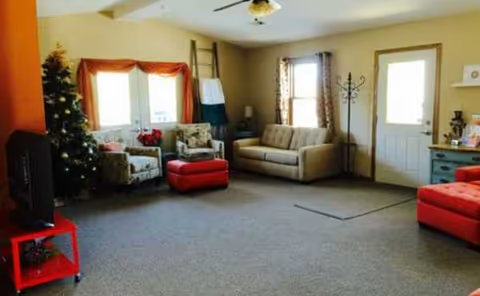
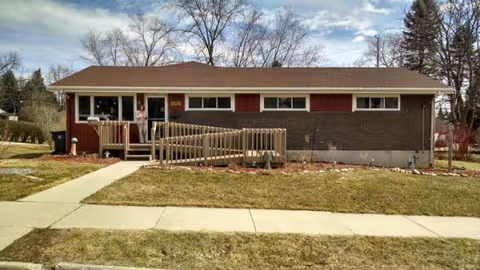
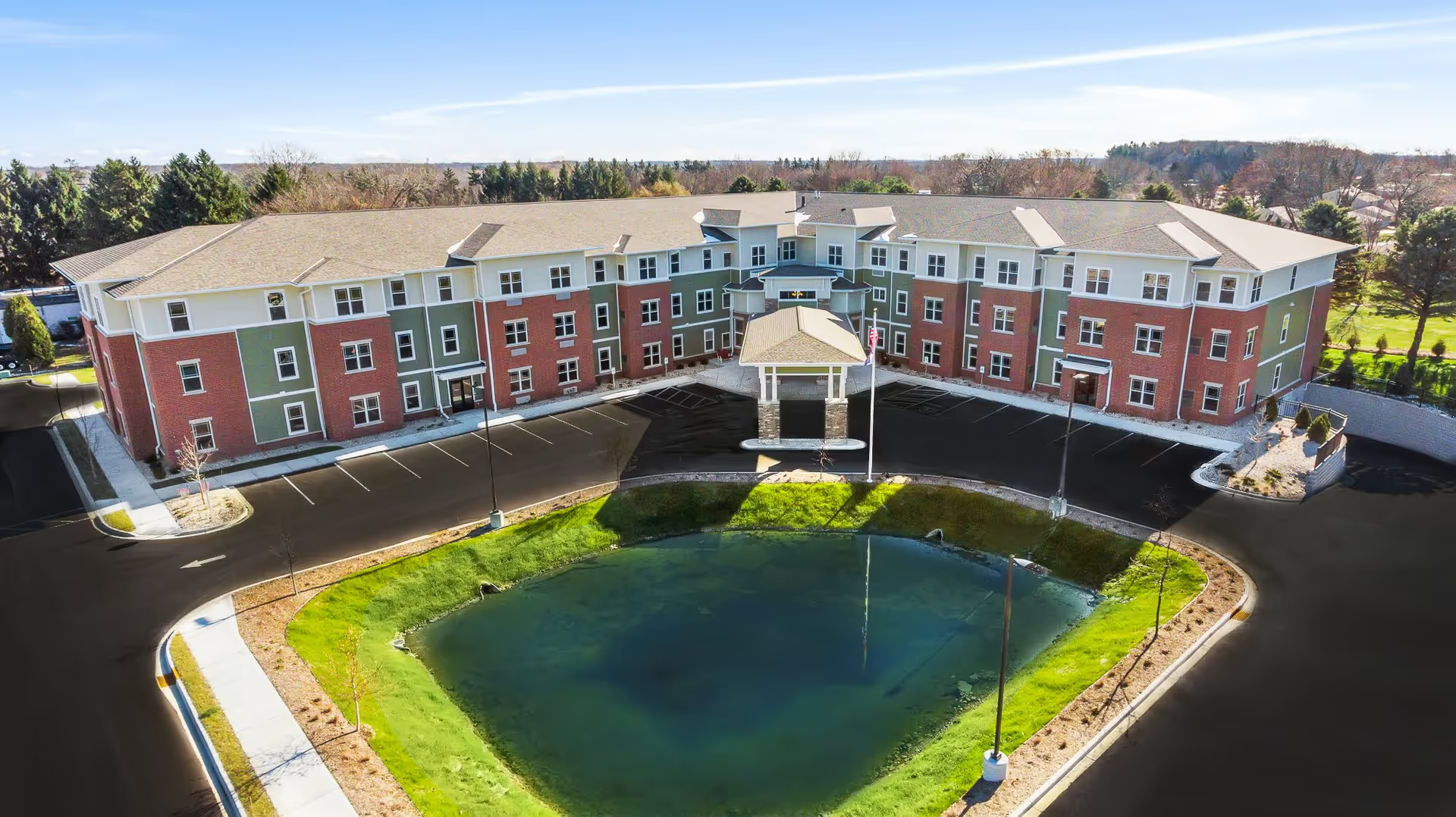
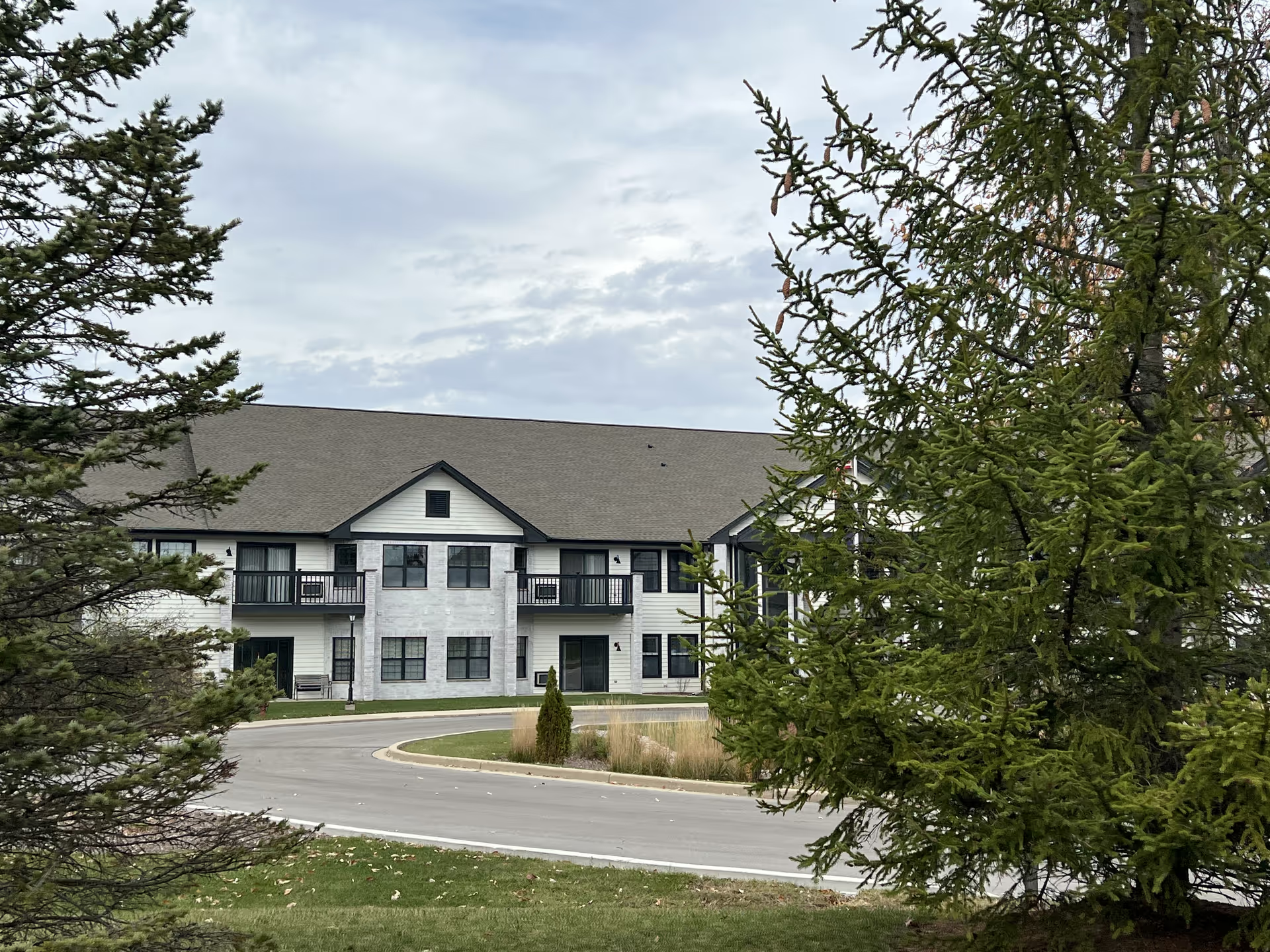
Reviews of Anita's Gardens of Grafton present a polarized picture. Many families describe a small, homelike setting with staff who are caring, patient, and attentive; these accounts emphasize strong one-on-one caregiving, positive transitions into the community, dementia-friendly programming, active social opportunities, and a kitchen staff noted for kindness. Several reviewers highlight well-kept records and high overall family satisfaction, and a number of comments explicitly recommend tours and praise specific employees for going above and beyond.
At the same time, there are substantive operational concerns that recur in other reviews. The most prominent themes are inconsistent staffing levels and slow response times to resident needs, leading to incontinence-care delays and broader sanitation concerns. Reviewers also raised issues related to odor control and general cleanliness in some areas of the facility. Some comments cite potential gaps in hydration management and infection-prevention practices, including concerns about urinary infections; these point to areas where clinical protocols and monitoring may need strengthening.
Staff behavior and communication emerged as another area of divergence. Positive accounts describe respectful, family-like interactions and professional caregiving; contrasting reports describe episodes of unprofessional tone, loud or discourteous interactions, and examples of unclear or inconsistent communication from staff. A few reviews noted the absence of visible staff identification (name tags), which can complicate accountability and family communication. There are also comments indicating variable management responsiveness — some families praise leadership while others describe difficulties resolving serious concerns, and a small number of reviews reference billing or payment disputes.
Taken together, the pattern suggests experience at Anita's Gardens of Grafton can vary significantly depending on unit, shift, or which staff members are on duty. A subset of reviews includes allegations of serious care failures; these are reflected in the operational concerns above and warrant particular attention during a tour or intake conversation. Prospective residents and families would benefit from direct inquiry into staffing ratios, response-time protocols, incontinence and hydration management policies, infection-prevention procedures, staff identification and training, and the facility's formal complaint-resolution and billing processes.
When evaluating this facility in person, consider observing mealtimes and activities, asking for recent inspection or audit records, requesting staff-to-resident ratios for different shifts, and meeting nursing leadership. These targeted questions can help clarify whether the strengths many families praise are consistently applied and whether the operational weaknesses noted by others have been addressed.