The reviews present a mixed picture of care at this memory care and assisted living community. Several accounts praise individual caregivers and point to clean, private rooms and spacious common areas; others describe recurring operational problems that affect daily life for residents. A number of reviewers indicate that recent management changes have led to improved attention in some areas, but persistent variability across shifts and units is a prominent pattern.
Care quality and safety: Reviews indicate variability in how promptly residents' needs are met. Positive comments highlight staff who provide attentive, knowledgeable care and address daily needs. In contrast, other reports describe delays in personal-care tasks, inconsistent bathing schedules, and gaps in fall-prevention and transfer-safety practices. Families should assess care plans, staffing ratios, and incident-response protocols when evaluating safety.
Staff and supervision: Staff behavior is described as inconsistent. Many reviews praise caring, friendly, and competent staff members; however, there are repeated concerns about staff engagement, supervision, and distraction during shifts. Leadership visibility and staff oversight were specifically cited as areas needing improvement, with references to front-office personnel unfamiliar with resident needs. These observations suggest variability in training, supervision, and shift coverage.
Dining: The dining program elicits polarized feedback. Some reviewers appreciate meal service, while others describe repetitive menus and inconsistent or unsatisfactory food quality. Meal variety and consistency appear to be operational issues worth clarifying with management, particularly for residents with specific dietary needs.
Activities and social programming: Several reviews note that advertised activities are not consistently delivered and that residents may spend extended periods without structured engagement. Outdoor access and organized recreational opportunities were also reported as limited in some cases. Prospective families should request sample activity schedules and verify frequency and staffing for programming.
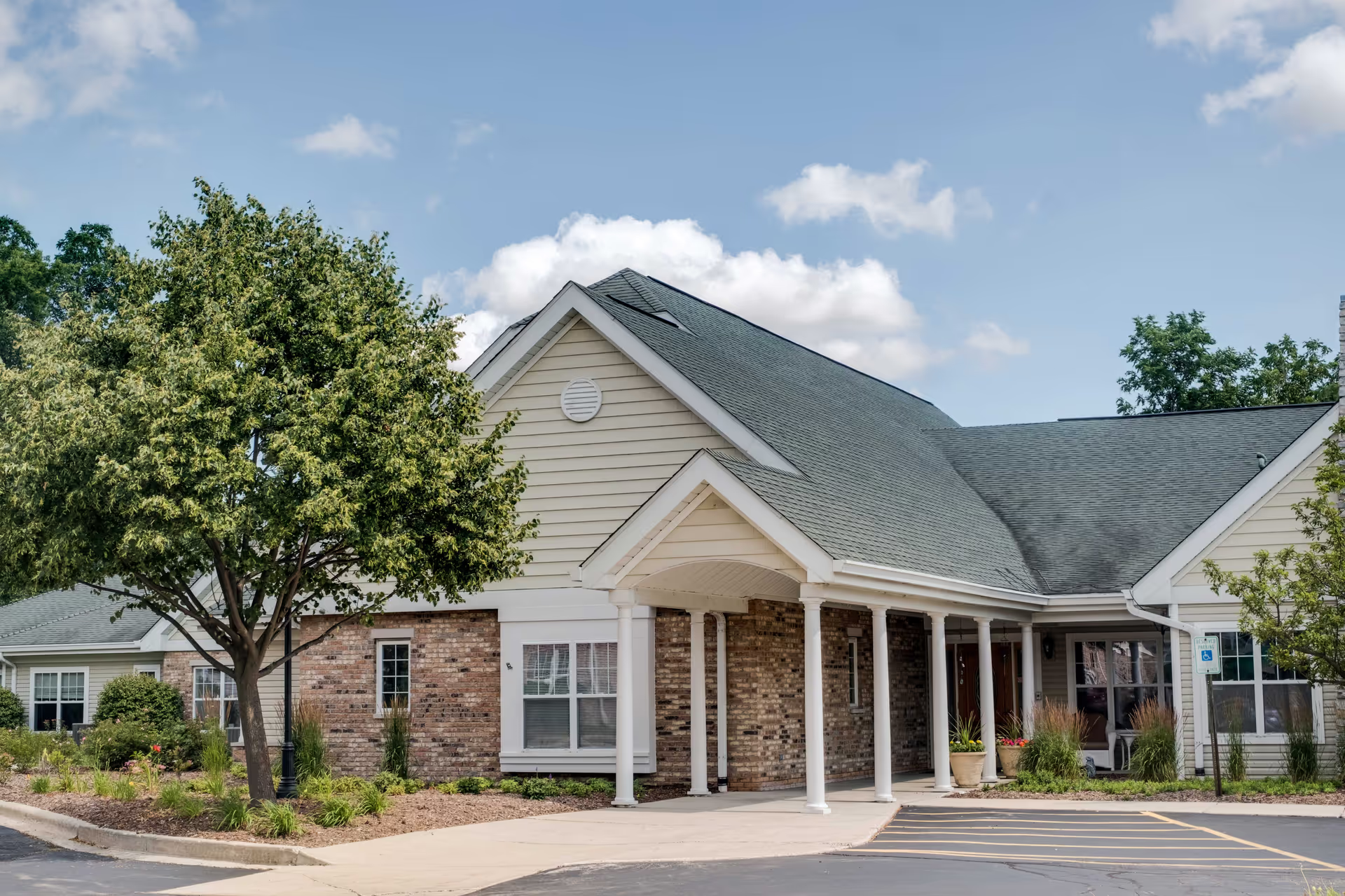
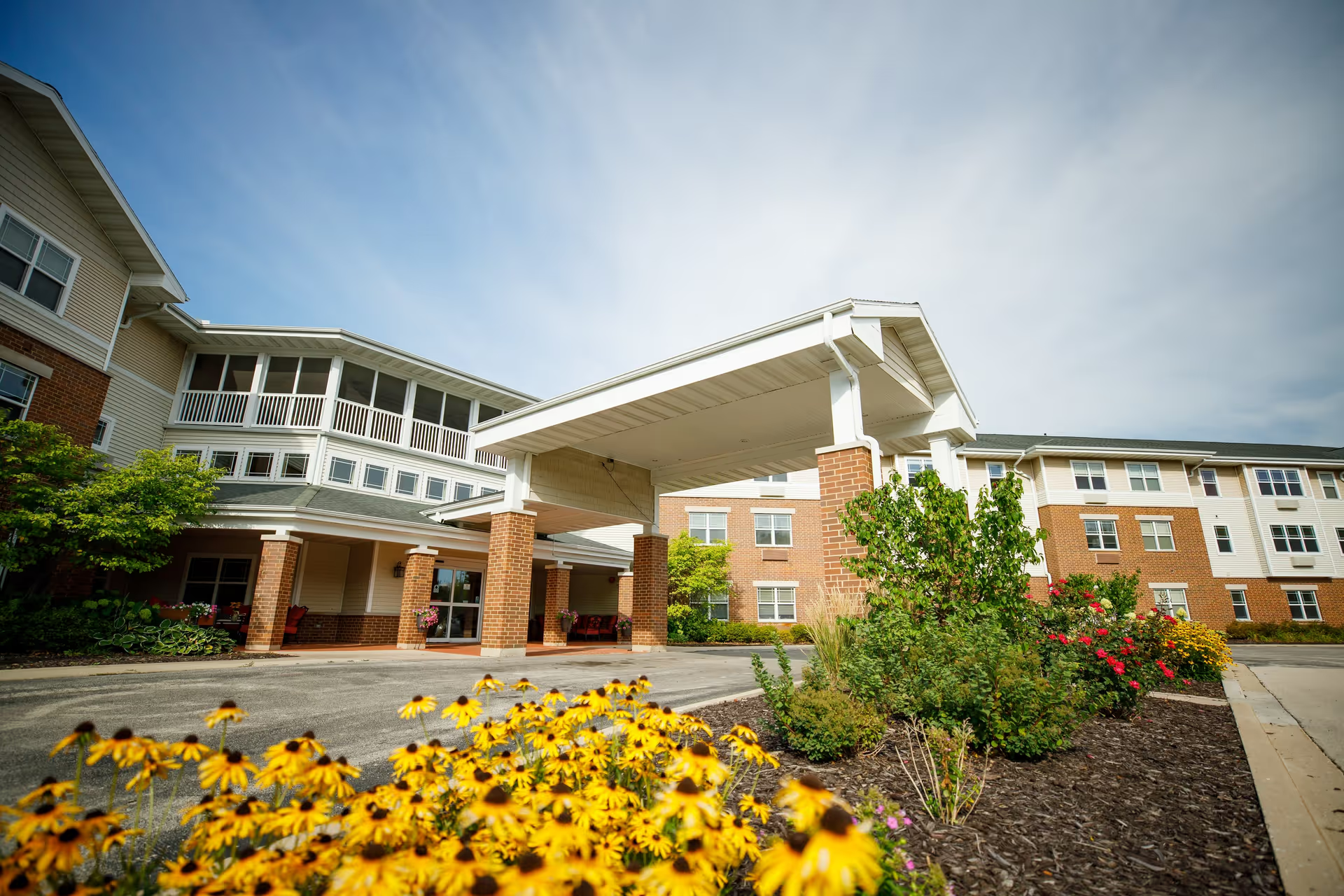
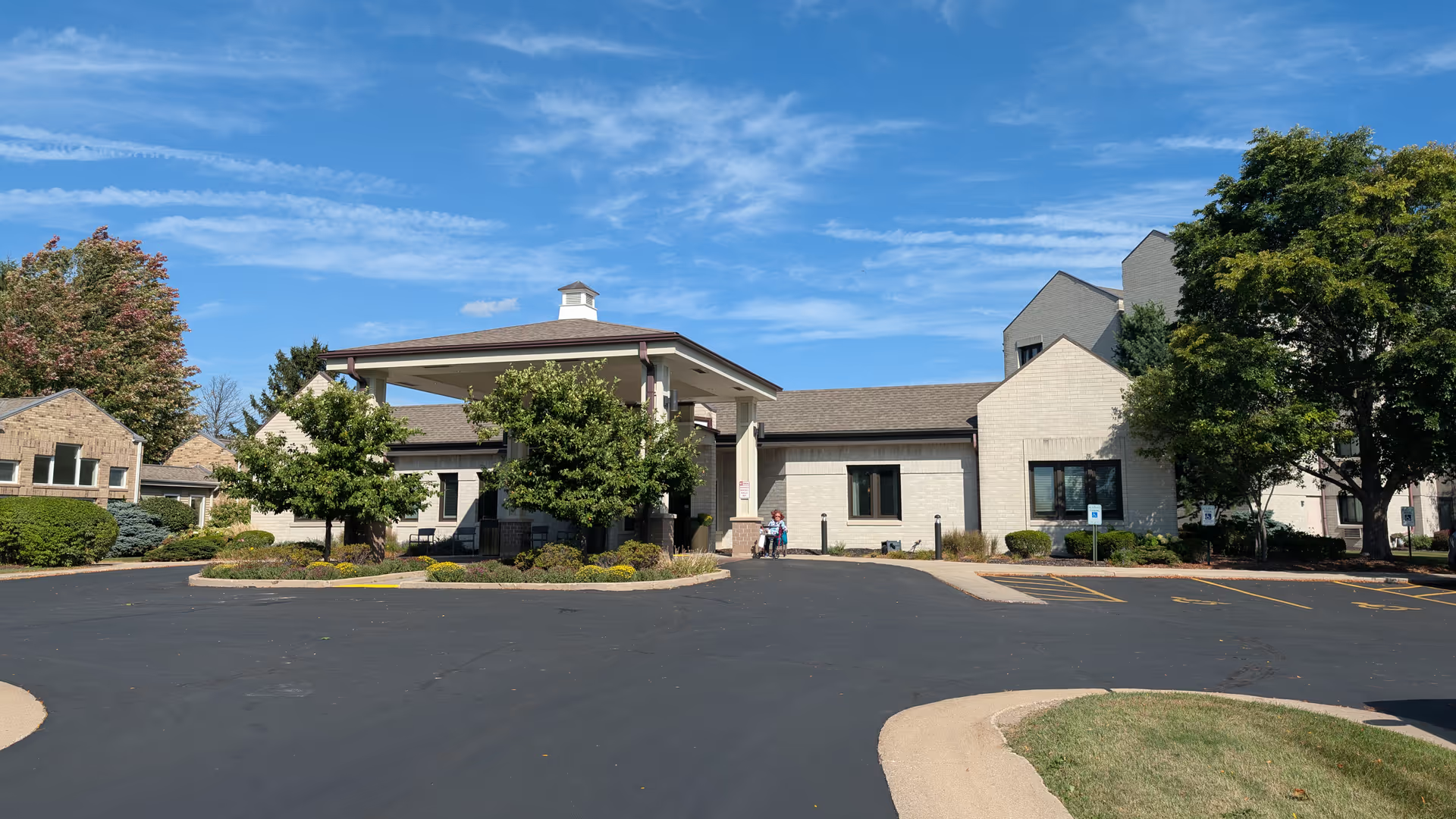
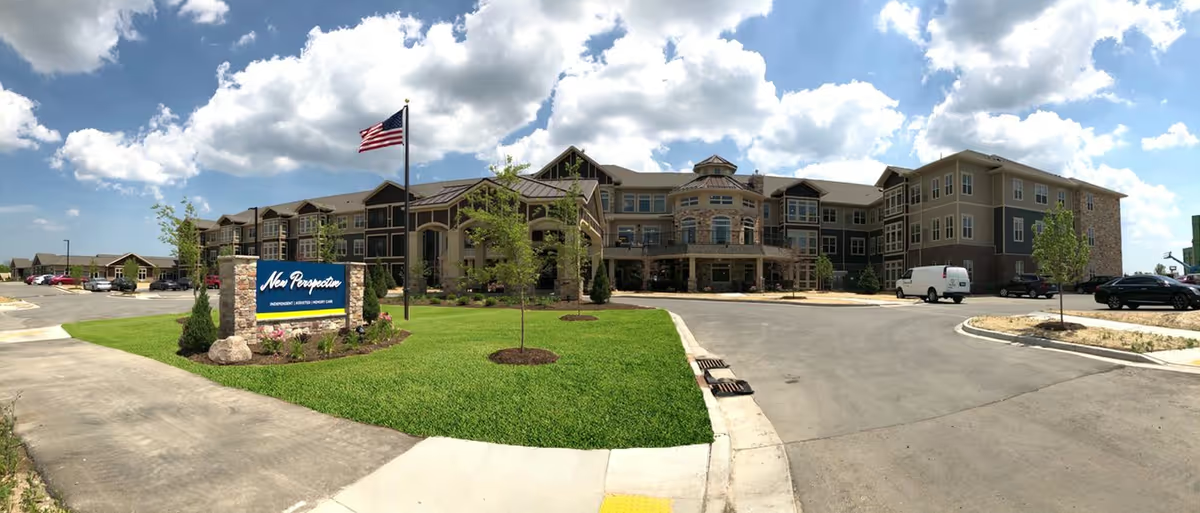
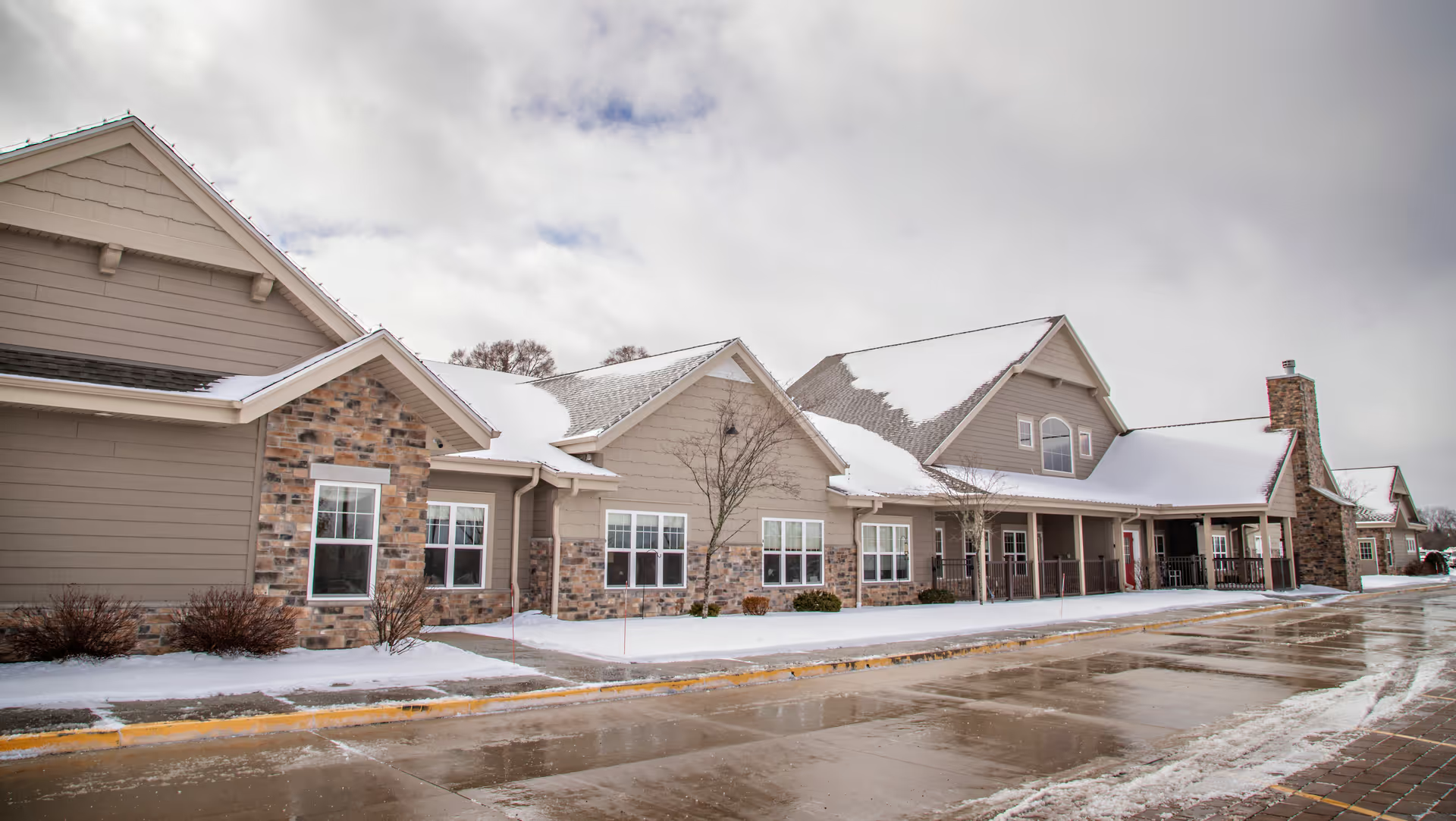
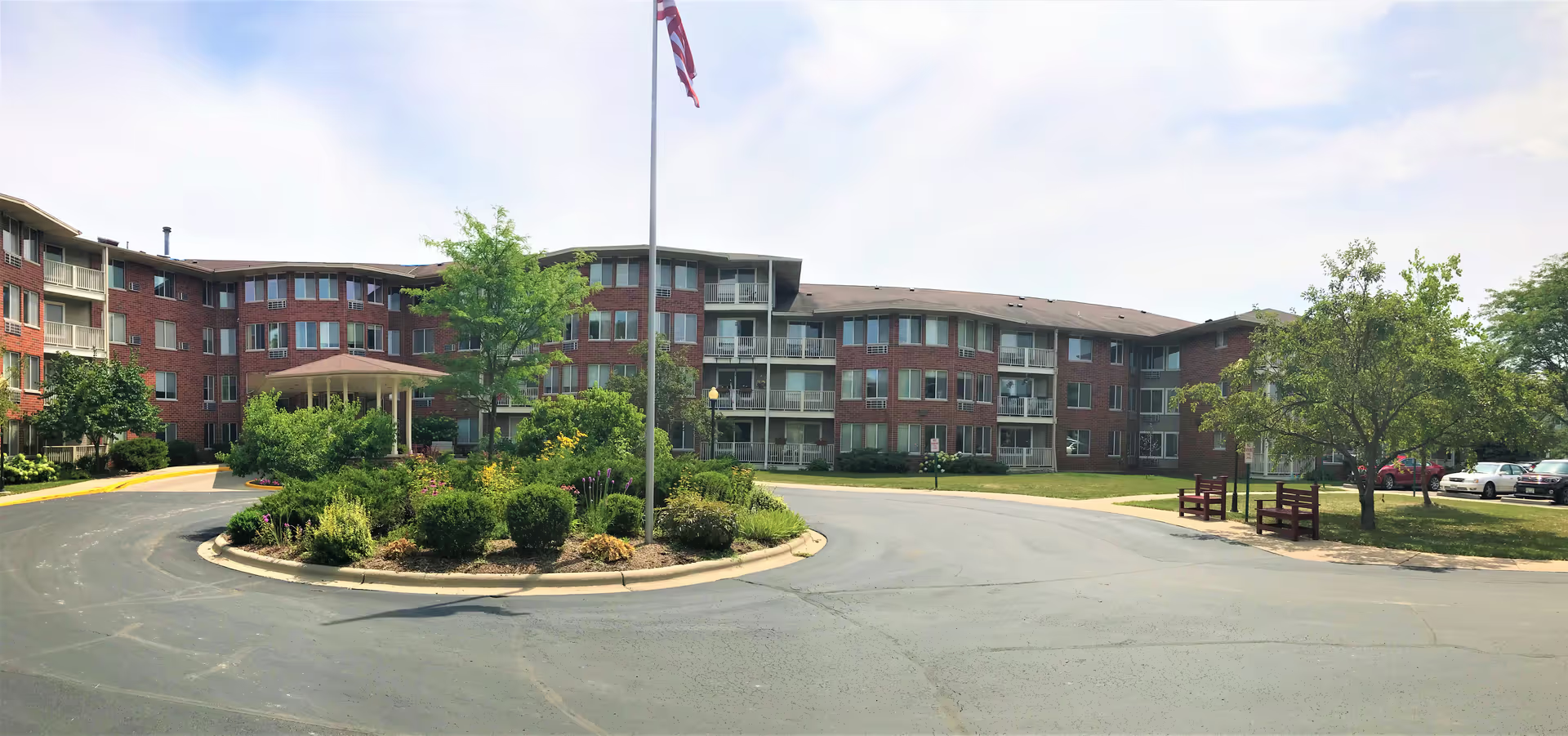
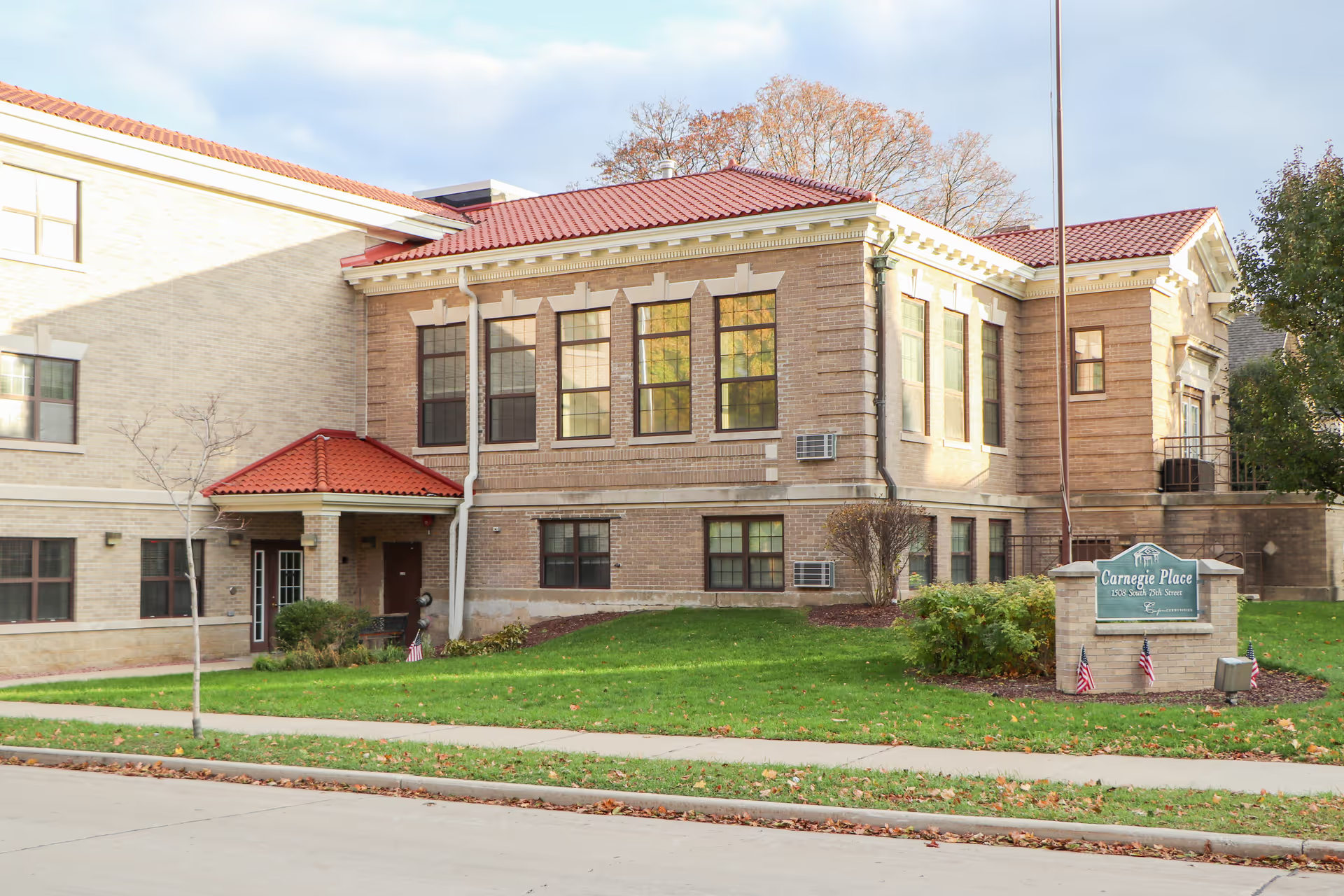
Facilities and sanitation: Physical amenities — including private rooms, half baths, and roomy group areas — are highlighted as strengths by some families. Concurrently, other reviews raise sanitation and odor concerns in shared-support areas (for example, laundry and certain bathrooms). While parts of the facility are described as clean and home-like, sanitation consistency appears to be an operational issue that management needs to address.
Management, transparency, and financial concerns: Reviewers report mixed impressions of leadership. A subset of comments praises recent management efforts to refocus on resident care; others describe poor responsiveness, communication gaps with families, and questions about financial transparency and property security. There are also statements indicating perceived mismatch between the community's marketed level of care and the services actually delivered. These items point to the need for clearer communication about the facility's service model, billing practices, and resident safeguards.
Notable patterns and recommendations: The dominant pattern is variability — some residents receive well-organized, attentive care in clean, comfortable spaces, while others experience operational deficits (responsiveness, sanitation consistency, activity delivery, and security/transparency). Prospective families should tour the community multiple times, meet caregiving and management staff, request documentation on staffing levels, fall-prevention protocols, activity schedules, sanitation procedures, and financial/billing policies, and seek recent inspection or compliance records. Doing so can help determine whether current conditions meet specific needs and expectations.