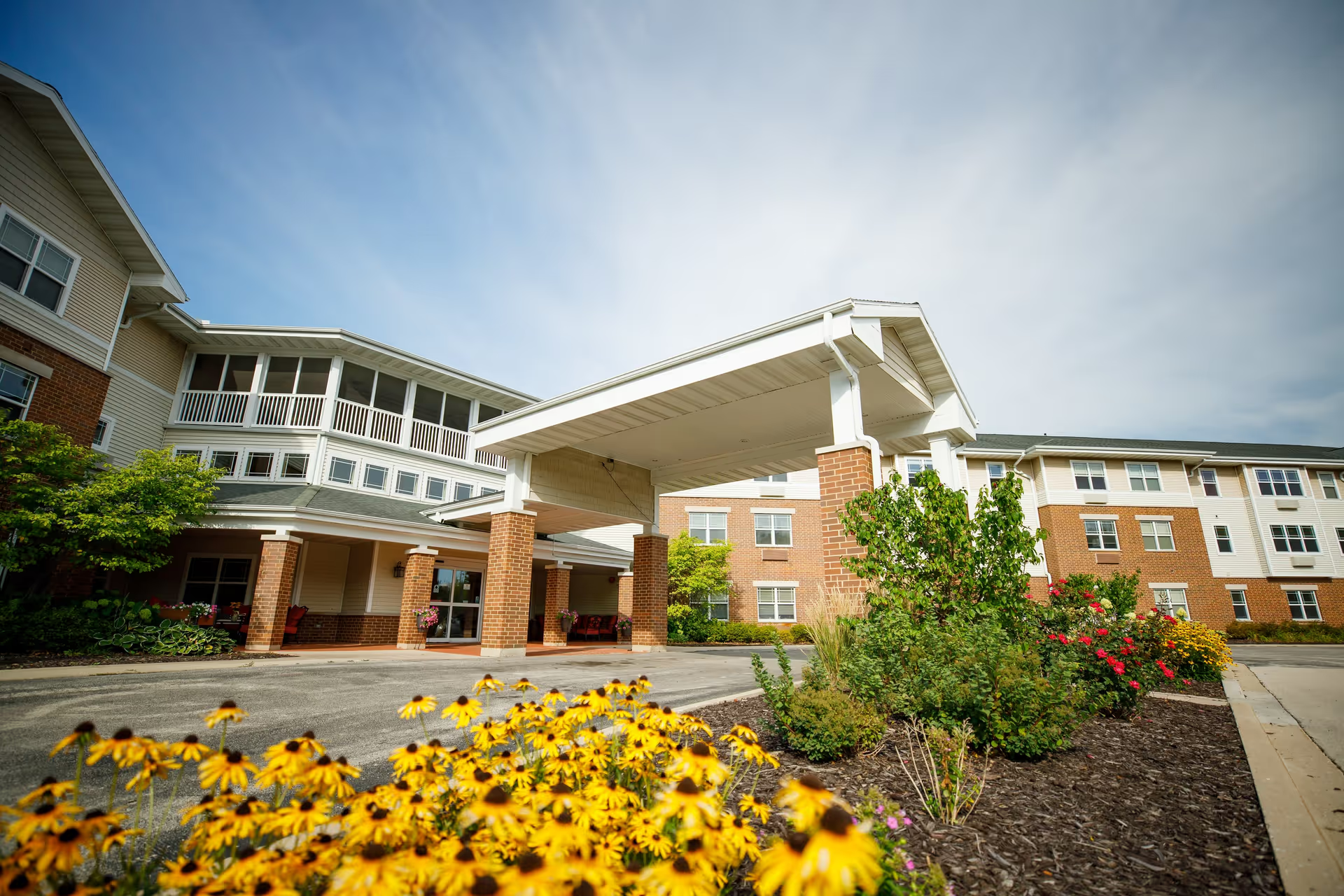
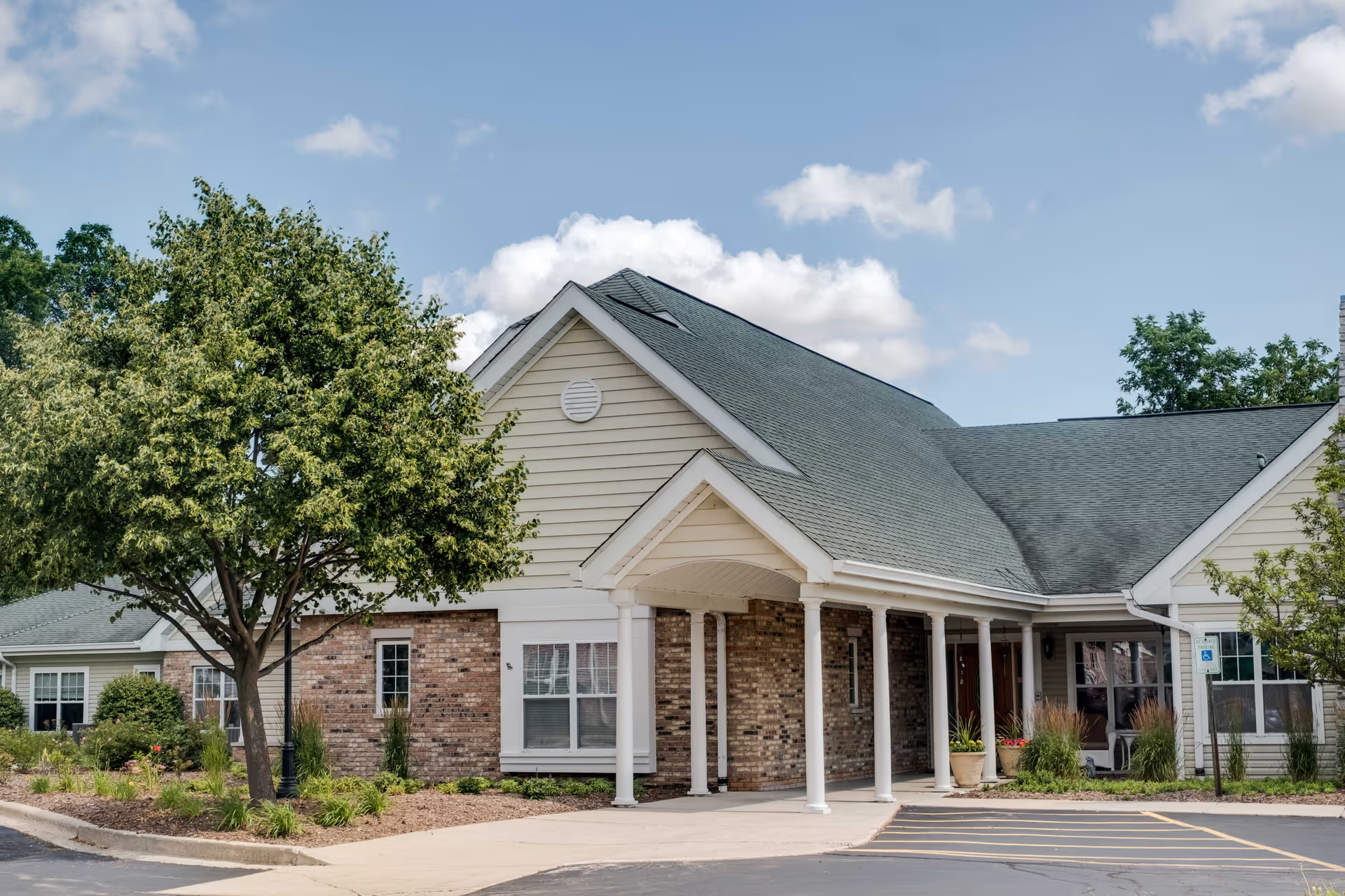
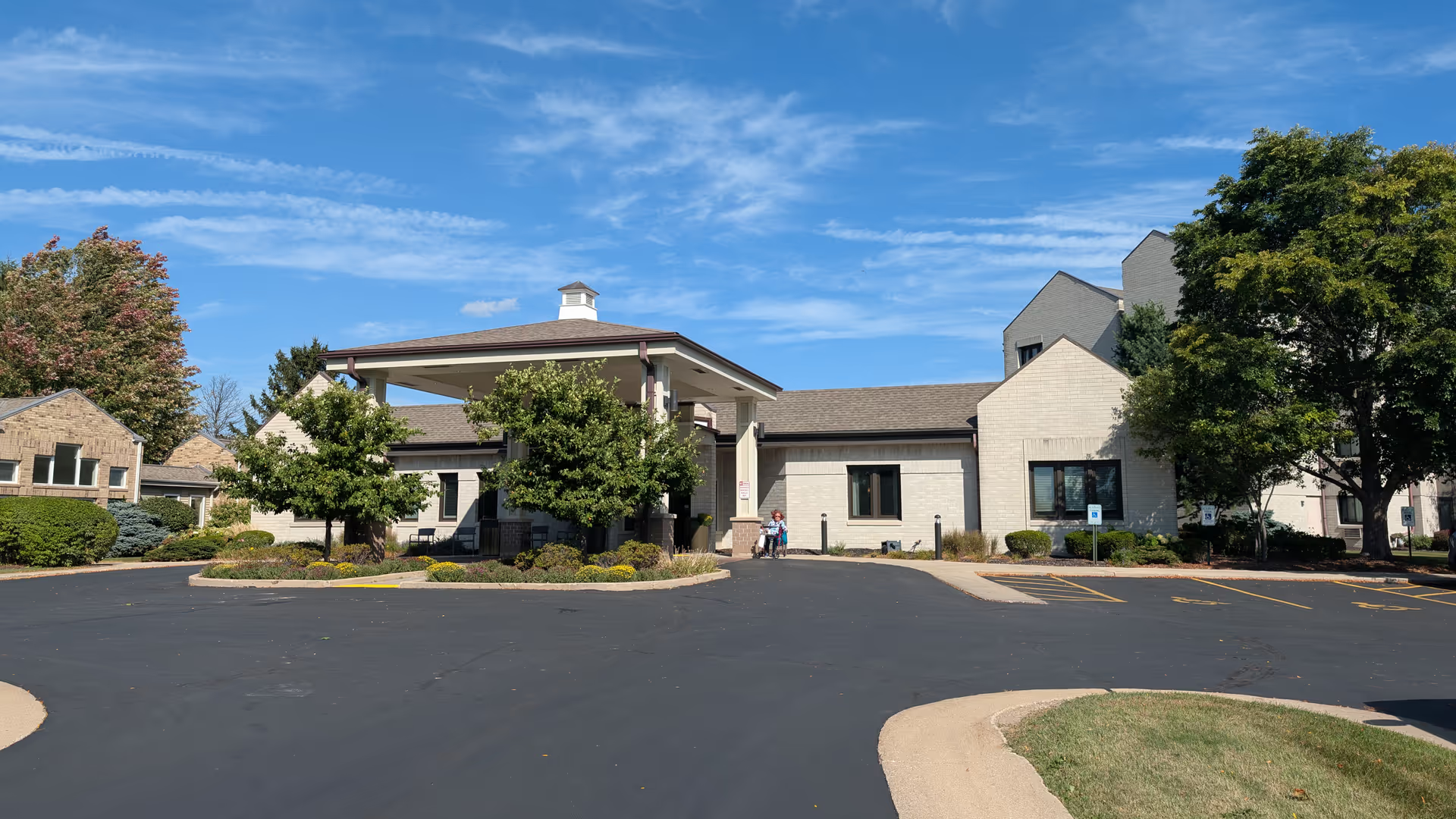
Layton Terrace elicits strongly mixed impressions: many families and residents praise the social environment, amenities, and individual caregivers, while others describe operational weaknesses that affect daily care. The community offers a wide range of programming, visible common-area upkeep, and on-site services that include therapy, weekly medical presence, hospice coordination, a salon, and fitness options. Apartments vary from newer, updated units with full kitchens to smaller or worn units; several reviewers highlighted bright dining spaces and an active activities calendar as major strengths.
Care quality and staffing are the most commonly cited areas of variability. Numerous accounts describe staff who are compassionate, knowledgeable, and responsive, and some families report excellent dementia care and attentive Health Services coordination. At the same time, recurring themes include understaffing and high turnover that lead to slow responses to call requests, inconsistent personal-care routines (including bathing, dressing, and toileting assistance), and lapses in medication continuity during certain periods. Memory-care programming is praised in places, but capacity and configuration limitations (small unit size, separation from other services) create mixed experiences for families seeking specialized support.
Dining receives polarized feedback. The facility’s dining rooms, table setup, and social meals are often described positively, and some menus are noted as appetizing with two entrée options. Conversely, other reports cite cold or dry meals, limited portions, desserts unavailable at times, and inconsistent in-room meal delivery. There are also mentions of meal policies that some families find inflexible. These inconsistencies suggest operational variability in kitchen staffing and meal service procedures.
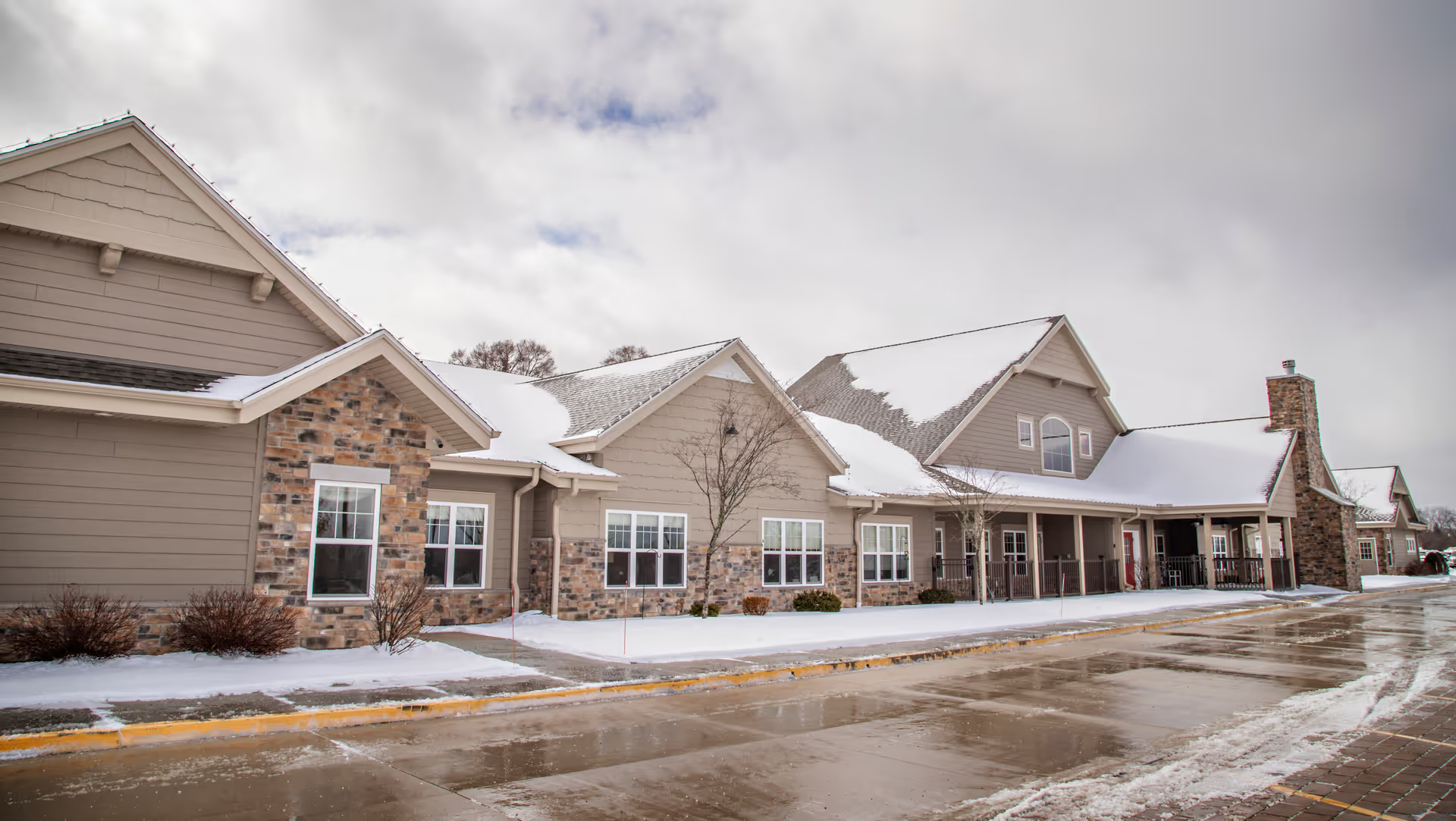
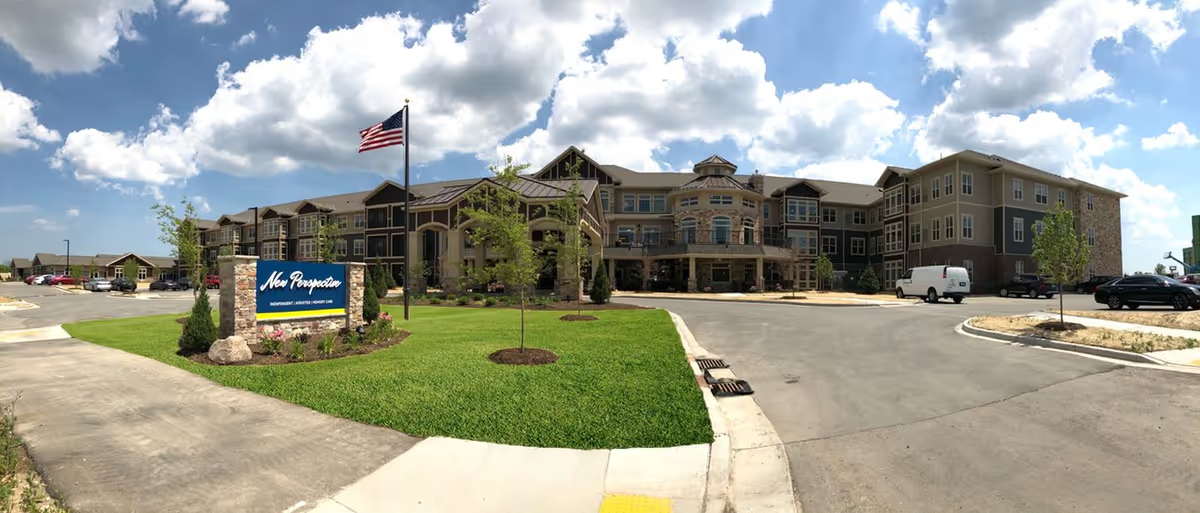
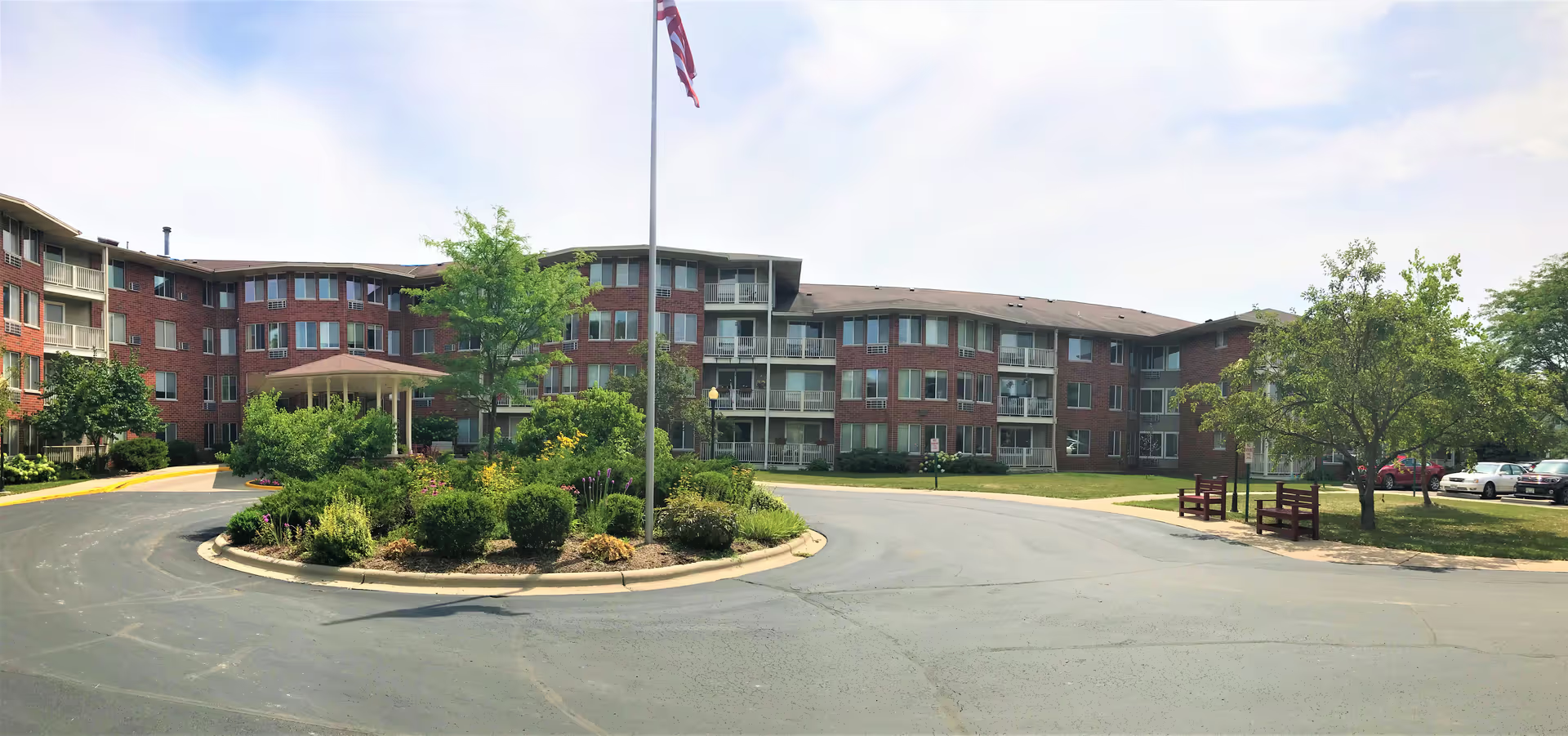
Facilities and maintenance show a similar pattern of strengths and gaps. Many common areas are clean and well-kept, with attractive outdoor spaces and logical elevator placement. Several reviewers compliment prompt maintenance responses for routine requests. However, follow-through on more complex repairs (plumbing, cabinetry, HVAC) is described as inconsistent, and some apartments show visible wear that reviewers say could benefit from further updates. The large size of the community and separation of independent, assisted, and memory-care areas contribute to wayfinding challenges for visitors and families.
Management, communication, and administration are other frequent points of concern. Reviewers describe uneven follow-up on emails and phone calls, delays in resolving care-level transitions, and disputes over billing or additional charges. Some families perceive financial priorities affecting care decisions; others note improvements after leadership changes. There are also isolated but serious safety and asset concerns described by families, which indicate gaps in security and incident follow-up that prospective families should review in detail.
Notable patterns: the facility tends to deliver strong social programming, clinical resources, and an active community for residents who thrive on engagement. Conversely, operational reliability—staffing consistency, personal-care task completion, meal service continuity, maintenance follow-through, and administrative communication—appears uneven across the population and time. Prospective residents and families should weigh the community’s social and clinical strengths against these operational variability risks, and ask targeted questions about staffing ratios, care schedules, meal-delivery protocols, maintenance response metrics, security measures, and billing transparency before making a placement decision.