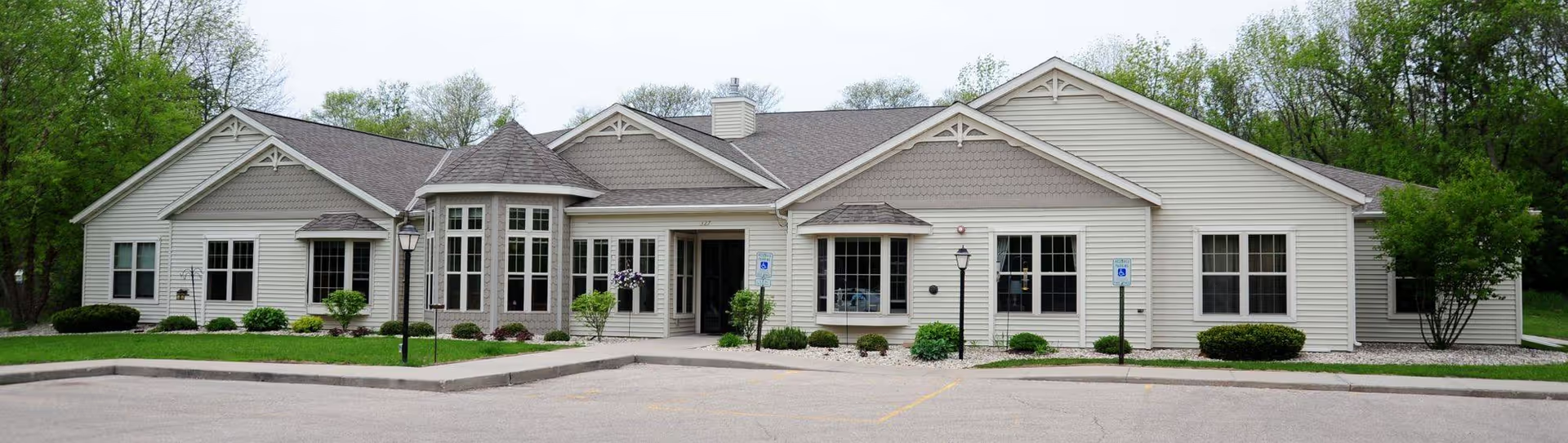
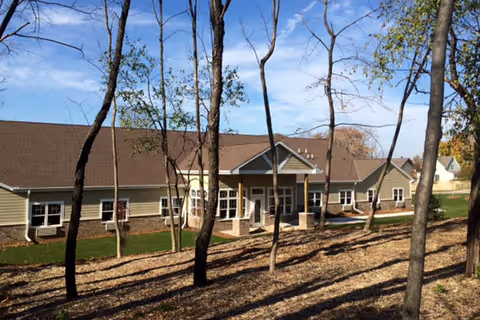
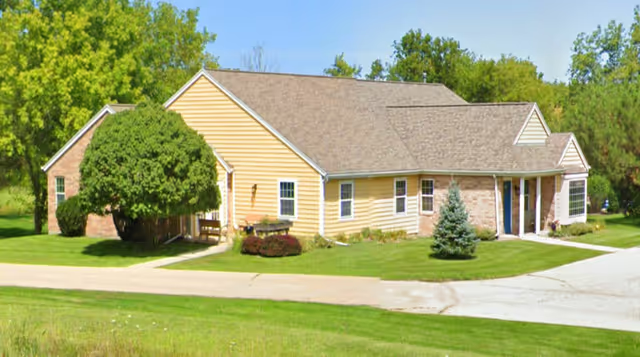
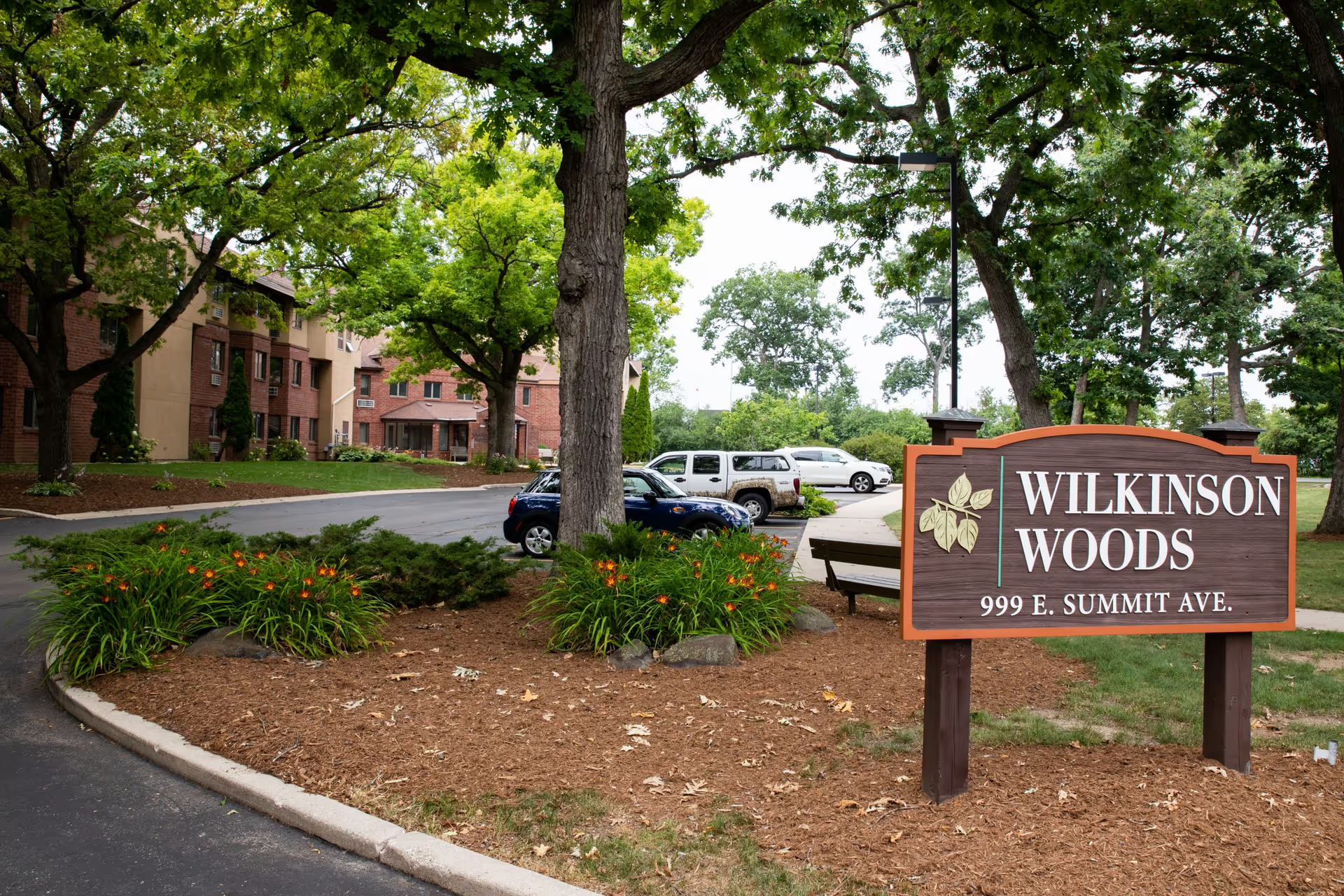
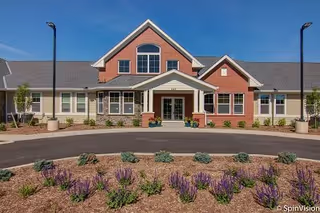
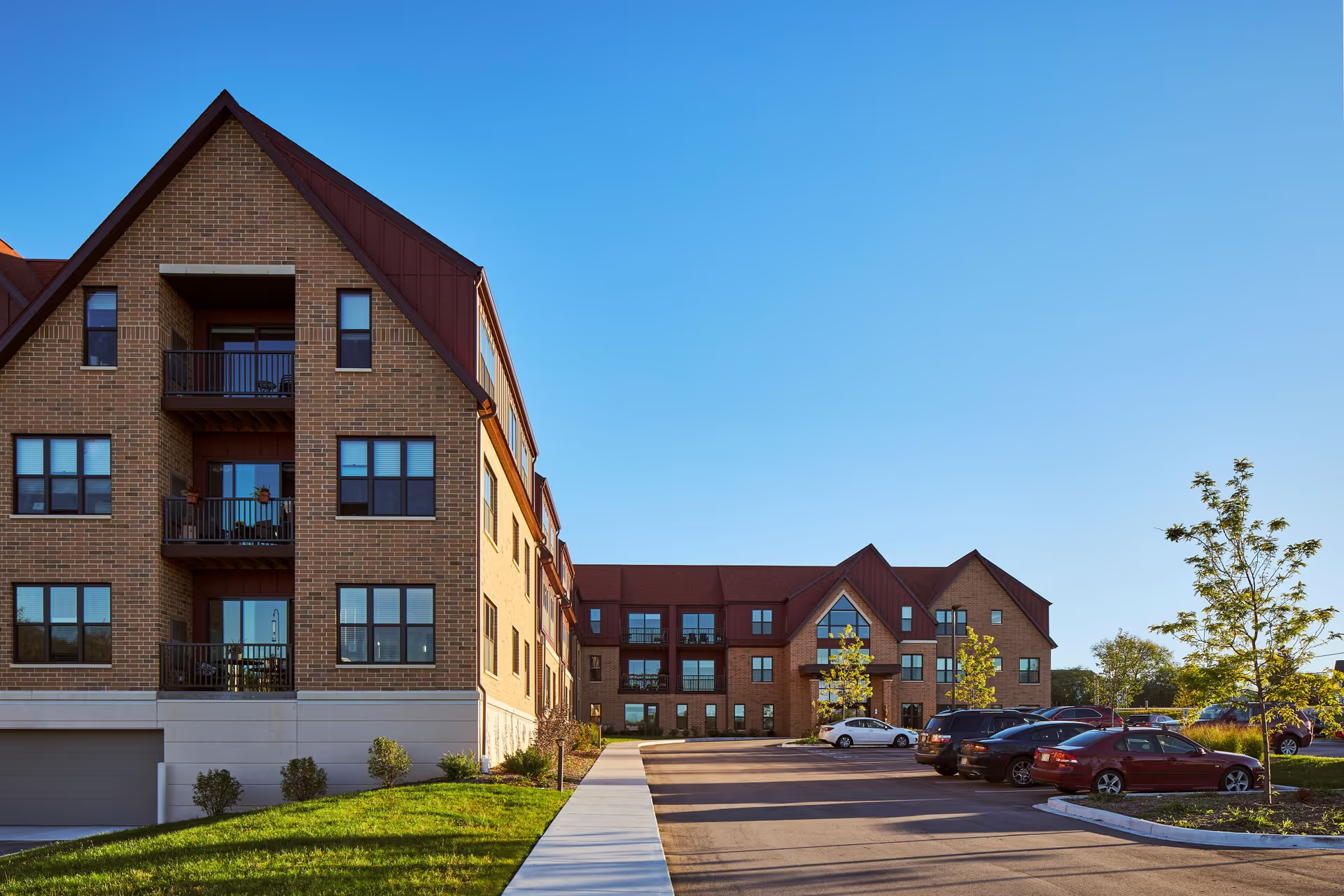
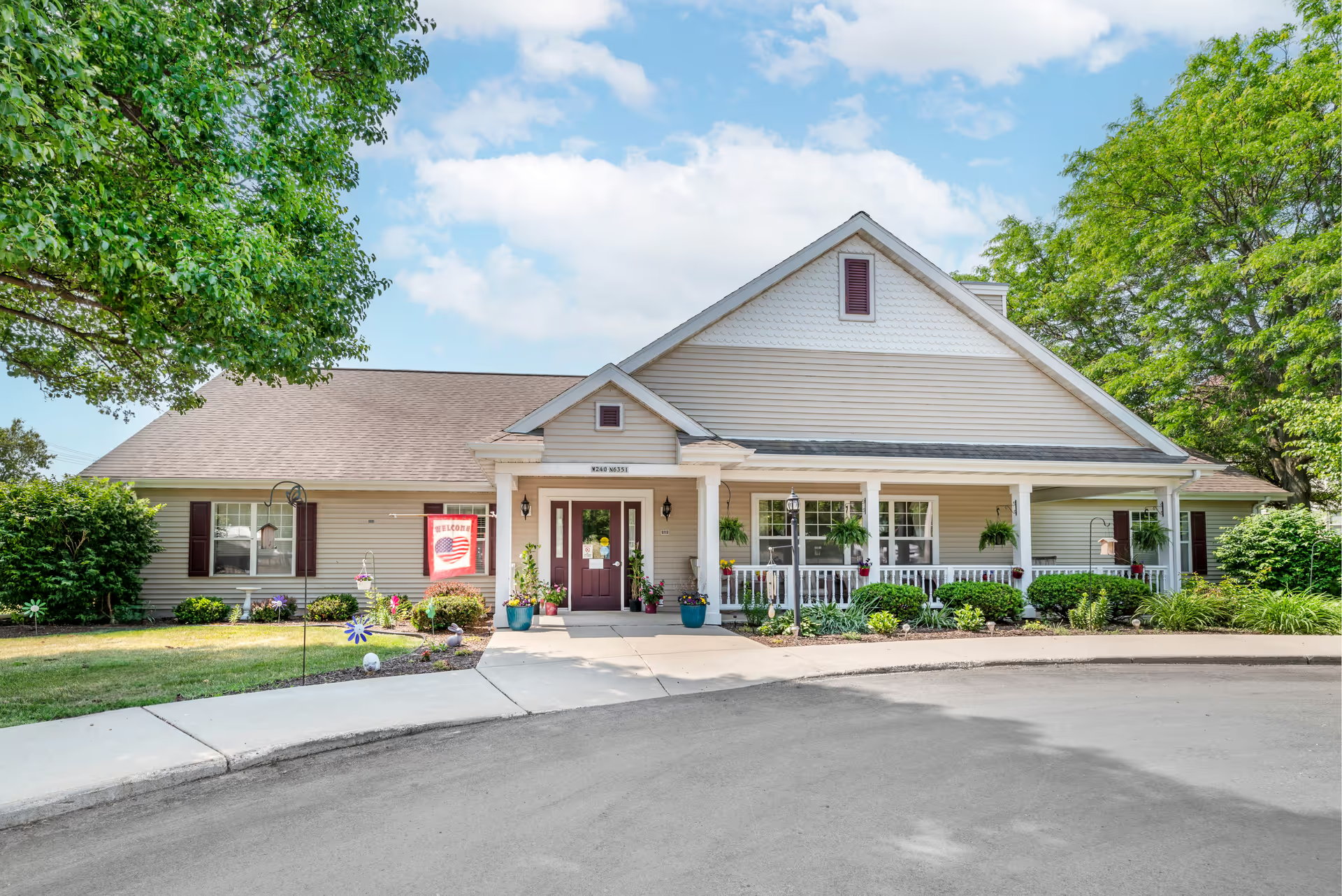
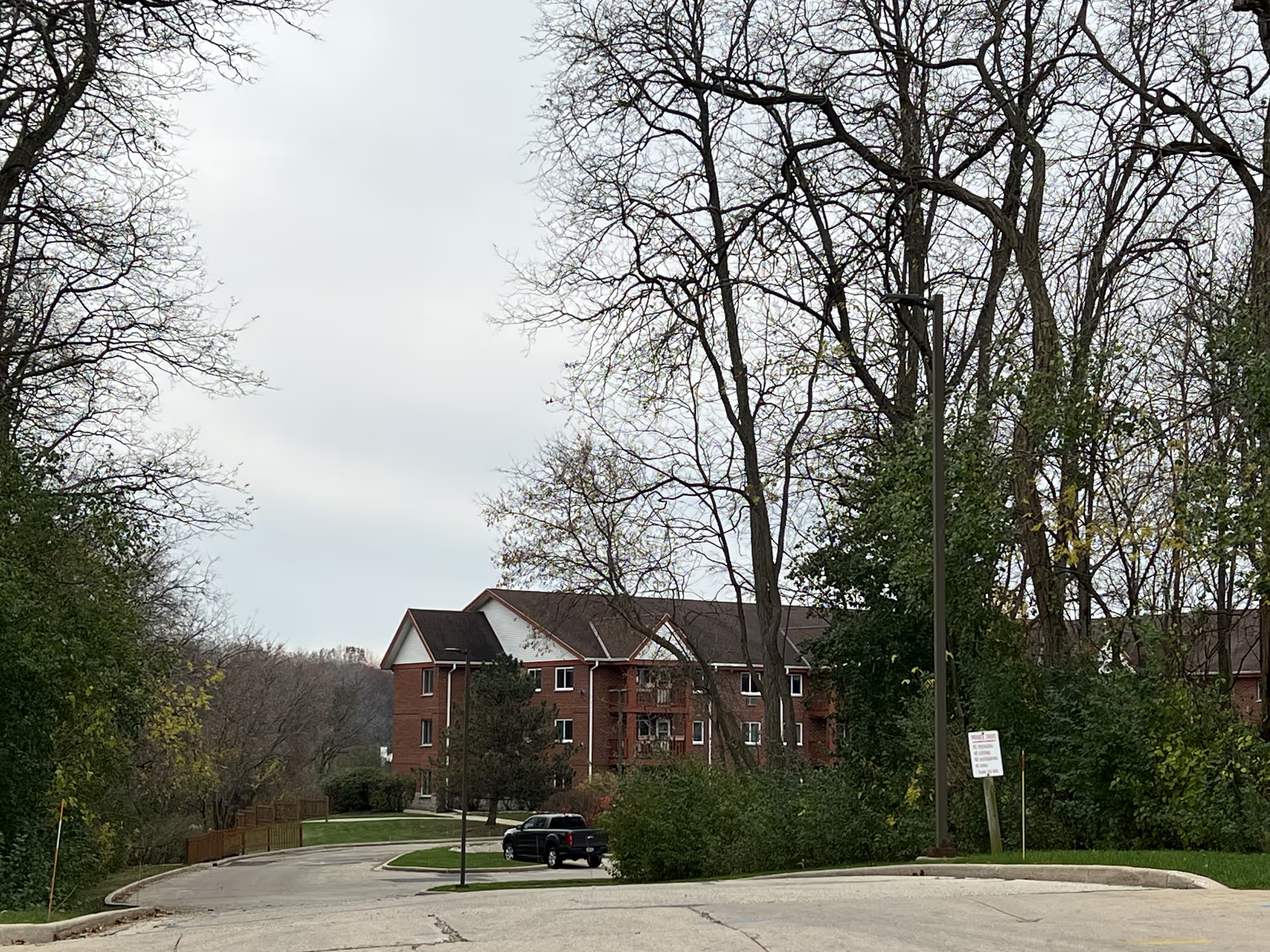
Heritage Lake Country presents as a new, attractive senior-living community with modern finishes, spacious one-bedroom apartments (separate living room), private balconies, and a range of on-site amenities. Reviewers consistently describe a restaurant-style dining area, landscaped grounds and walking paths, and numerous activity options including movies, bingo, trivia, exercise classes, water aerobics, outings, and organized field trips. Therapy and rehabilitation spaces are available, and several accounts emphasize that the facility can provide reassuring end-of-life and hospice-oriented support.
Care and staff quality is a polarizing theme. Many families praise caring, attentive CNAs and nurses who know residents by name, provide regular check-ins, encourage dining-room participation, and communicate clinical updates. These positive reports highlight staff responsiveness, personalized attention, and strong therapy or medical monitoring when present. Counterbalancing those accounts are frequent descriptions of inconsistent caregiving: high staff turnover, variable CNA skill levels, delayed responses to call systems, and uneven assistance with personal care tasks such as bathing. There are also descriptions suggesting gaps in clinical oversight for residents with higher acuity needs or memory-care requirements.
Dining and activities are generally seen as strengths of the community: menus are described as balanced with generous portions, and programming is broad and well organized when staffed. Several families appreciated off-site trips and a calendar full of on-site options. However, reviewers also report inconsistency in meal delivery and occasional declines in food quality or cold meals, and note that some advertised amenity access (for example, the pool or salon) has been limited or temporarily closed at times.
Facility operation and management show mixed performance. The building and common areas are frequently described as clean, attractive, and hotel-like, and maintenance responsiveness is noted in some accounts. At the same time, reviewers report recurring issues with leadership continuity, communication lapses between departments and families, maintenance delays (including heating and repair responsiveness), inconsistent housekeeping and laundry, and administrative paperwork or transportation coordination problems. Security concerns, including allegations of missing valuables and at least one regulatory inquiry, appear in the record and merit explicit inquiry by prospective families.
Taken together, the pattern is one of strong physical plant and program offerings tempered by operational inconsistency. Positive experiences emphasize engaged activities, pleasant living spaces, and compassionate staff; negative experiences center on workforce stability, communication, service reliability, and clinical oversight for more complex needs. Prospective residents and families would be advised to verify current staffing levels and leadership stability, confirm availability of specific amenities and services, ask about clinical staffing and response protocols for higher-acuity needs, review recent state inspection or complaint history, and discuss policies for visitation, medication management, and security before making placement decisions.