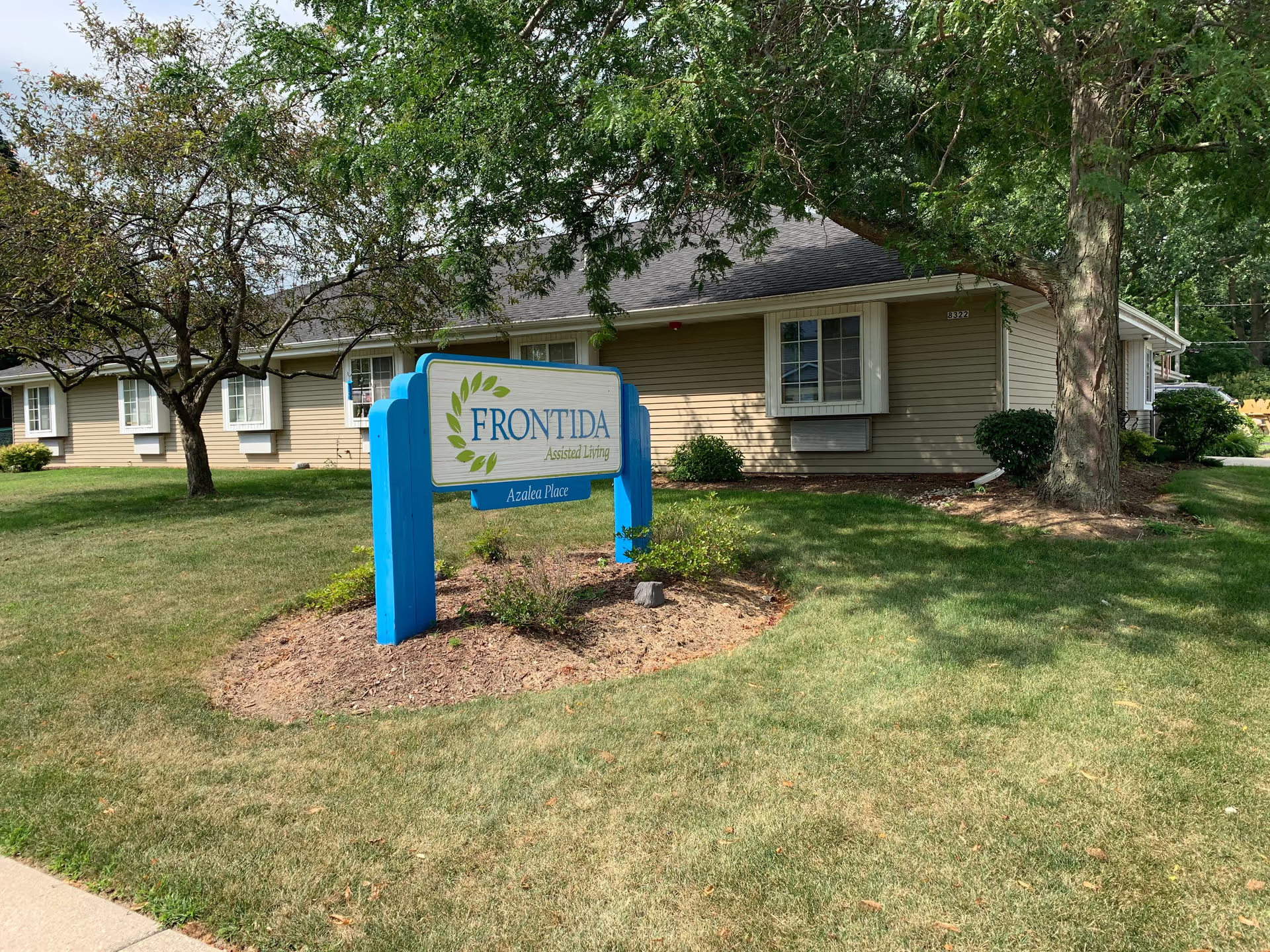
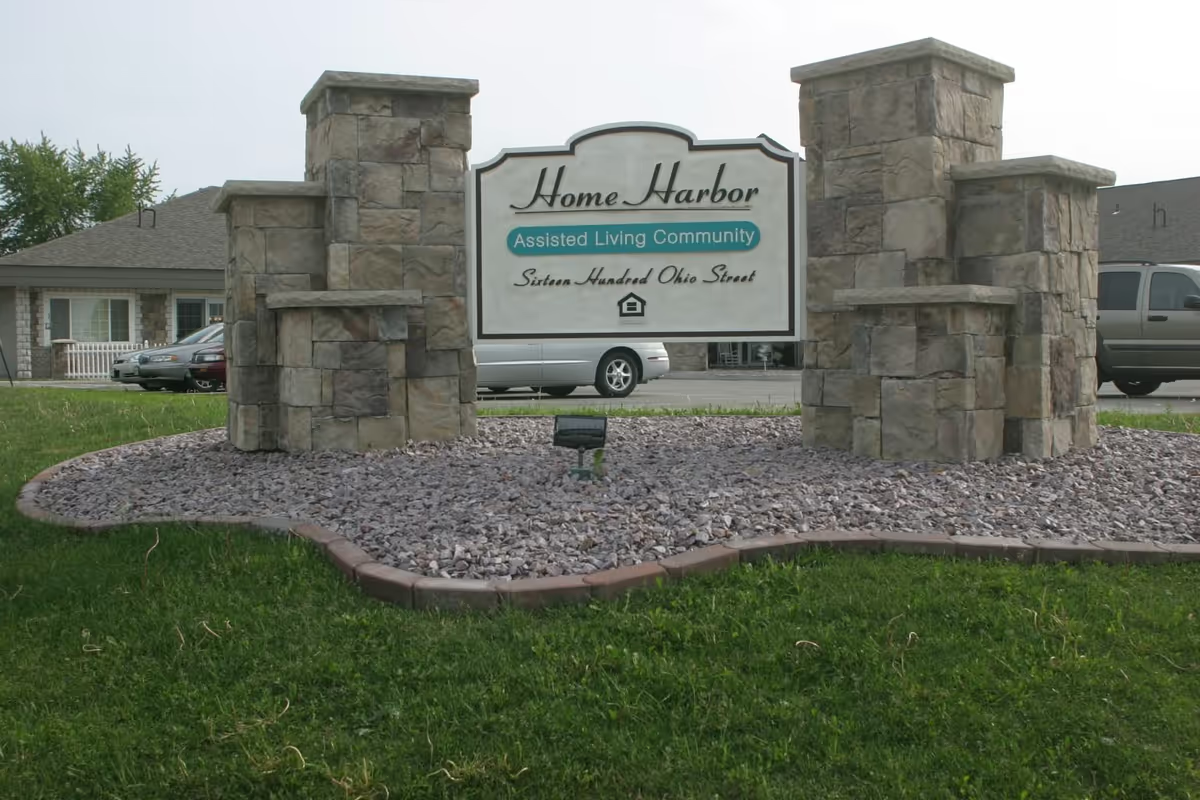
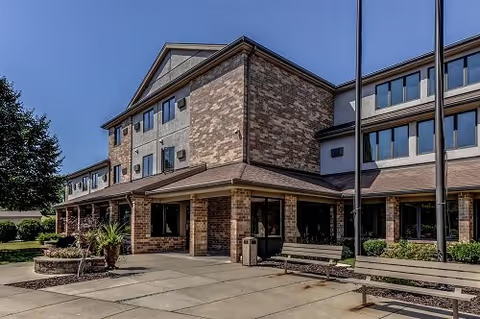
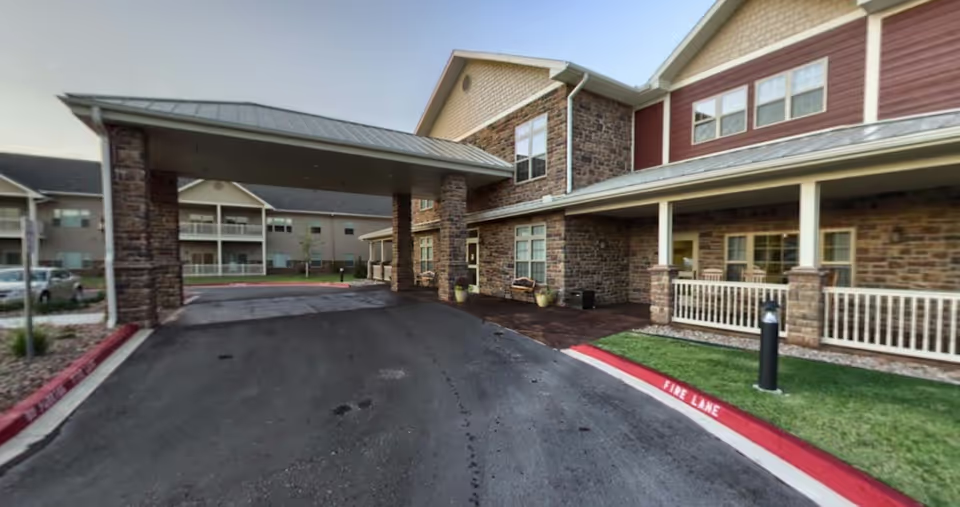
Overall impression: The facility is frequently described as a small, home-like memory care community with many elements that families value: warm, attentive caregivers; administratively accessible leadership; individualized activities; and a secure, single-floor layout with pleasant outdoor space. Reviewers repeatedly highlight staff who treat residents like family, an activities department that personalizes programming to resident histories and preferences, and generally reliable medication and meal delivery. These strengths contribute to a low-anxiety, well-supported environment for many residents.
Care quality and clinical capacity: Clinical leadership and routine medication administration are strengths—families note visible nursing oversight and regular medication timing. At the same time, there are recurring concerns about the facility's ability to meet very high-acuity medical needs and about alignment between assigned care levels and billing. A few families needed hospice or transfer when needs escalated; this suggests the community performs well for standard memory-care needs but has limits for higher-intensity medical management.
Staff and operations: Staff are frequently characterized as compassionate, engaged, and proactive; many families described quick, individualized attention and staff who develop relationships with residents. However, staffing stability is an operational weakness: turnover and many new faces were noted, and some families experienced variability in staff familiarity and interpersonal tone. This inconsistency can affect trust, continuity of care, and the resident experience. Operational gaps were also described around personal-care scheduling (bathing and laundry) and occasional shortfalls in promised daily checks.
Dining and activities: Dining is generally regarded positively—substantial lunches, second helpings, and readily available snacks were highlighted. That said, dining satisfaction is variable: some families found menu options limited or not aligned with preferences. Activity programming is a clear strength for many residents; the activities team is praised for tailored, meaningful events that foster engagement and emotional connection. Nevertheless, activity availability can be inconsistent, with reports of limited evening programming or activities ending earlier in the day than families expect.
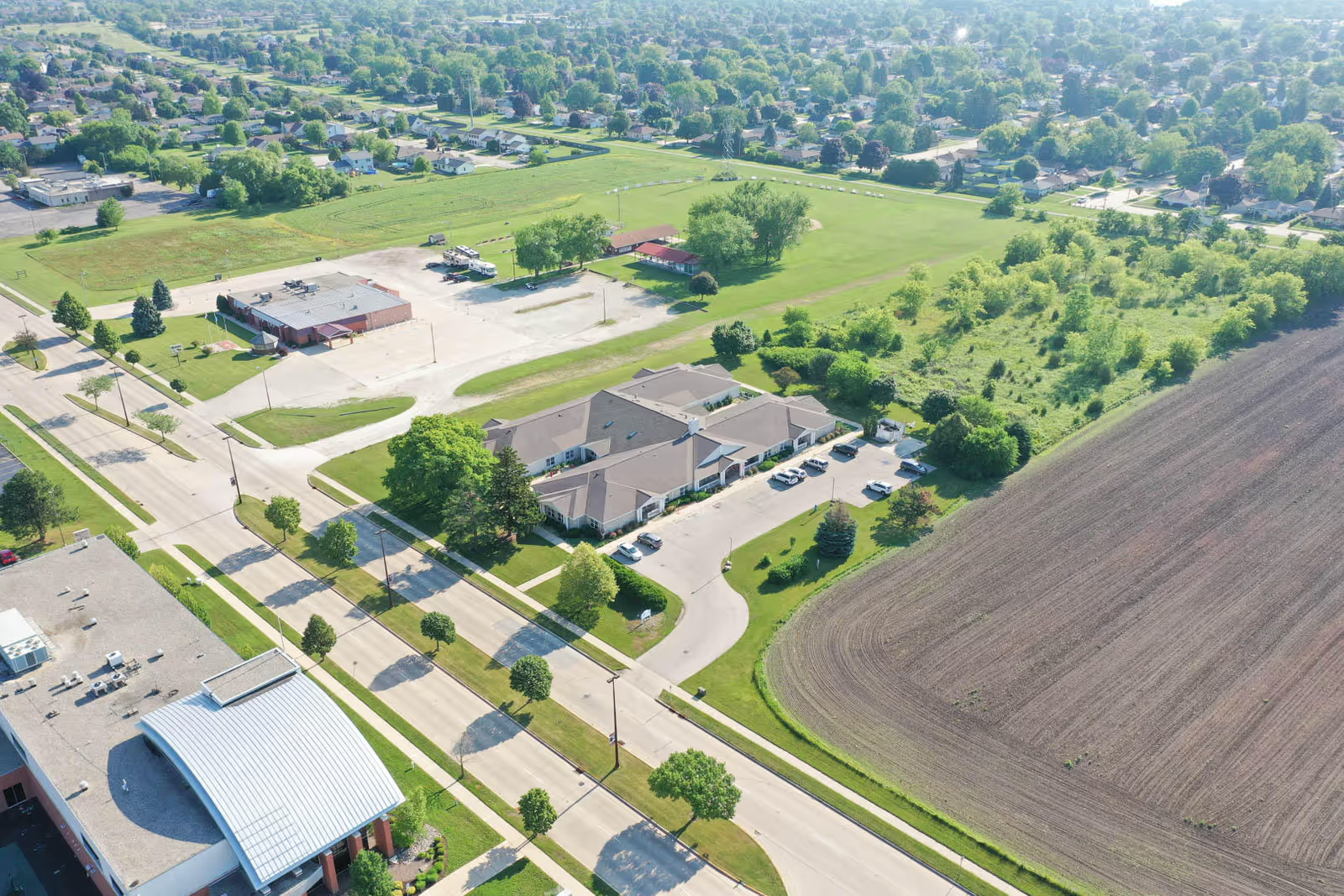
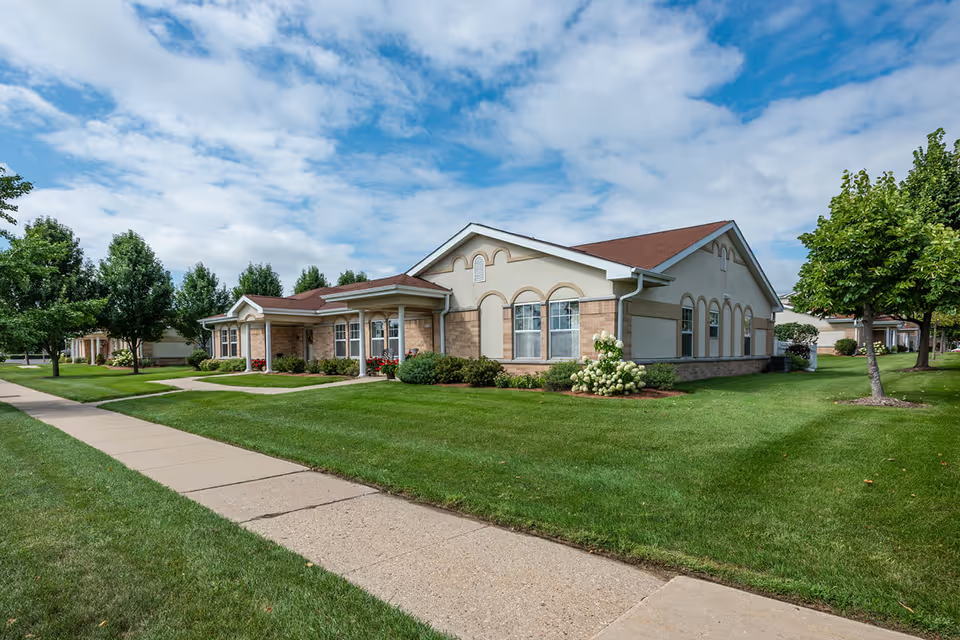
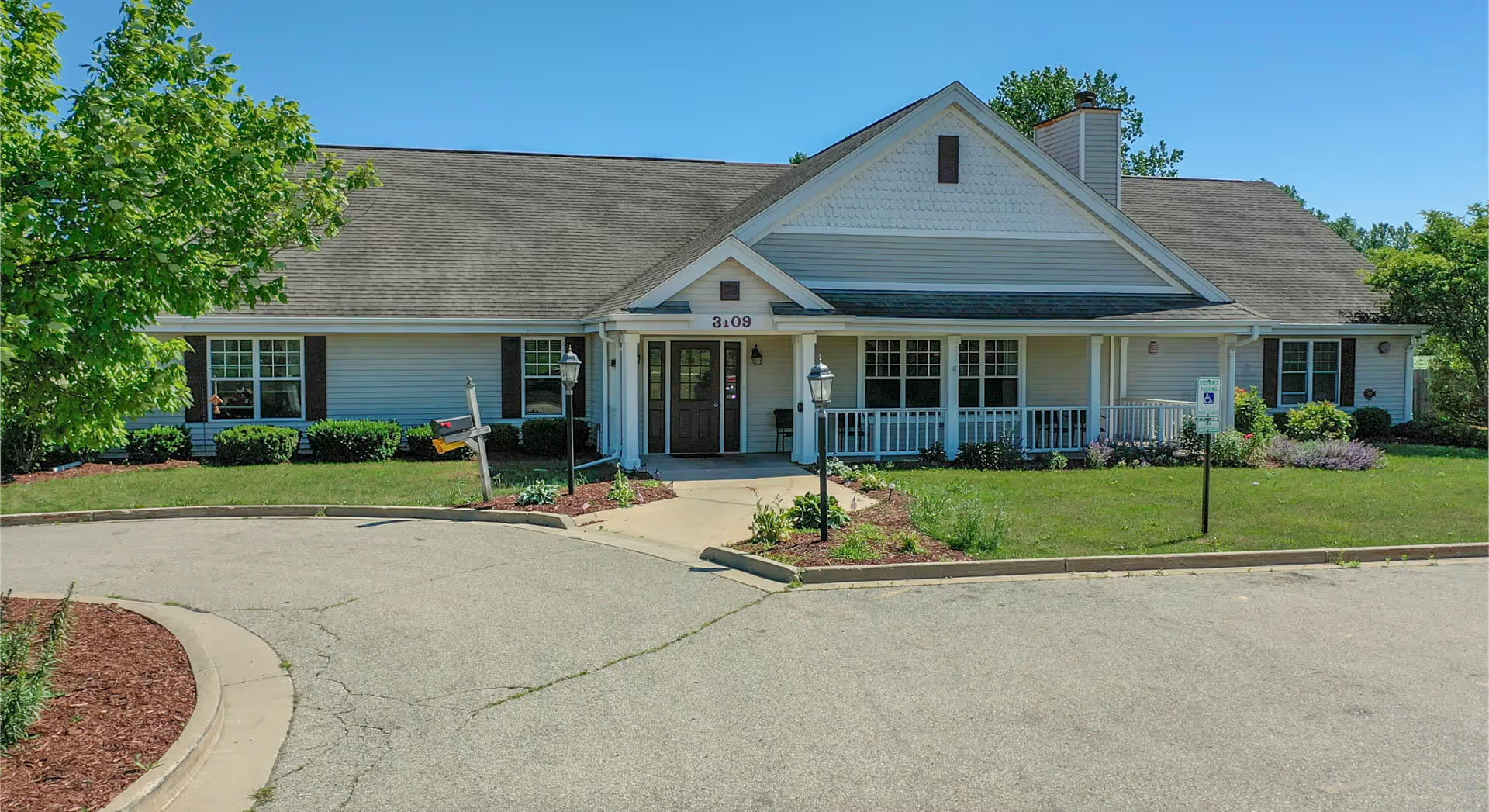
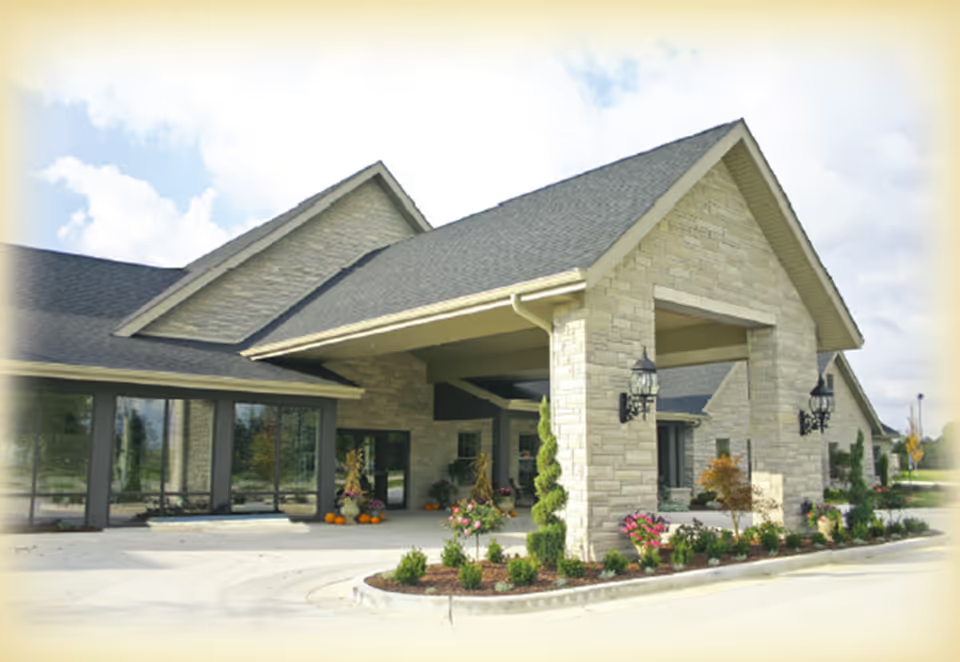
Facilities and housekeeping: The community's physical environment is often described as clean, welcoming, and well-maintained with enclosed patios, gardens, and a comfortable layout. Conversely, there are isolated but important concerns about room-level housekeeping standards—carpet and floor cleaning, episodic odor concerns, and uneven bathroom cleaning—indicating variability in housekeeping practices across the building.
Management, communication, and financial considerations: Administrative leadership receives positive mention for accessibility, responsiveness, and proactive communication in many cases. Still, some families experienced communication gaps—particularly with out-of-state relatives and during construction or operational transitions—which affected placement decisions and continuity. Financially, the facility's acceptance policies (limited payment options and no state-funding acceptance) and perceived misalignment between assessed care level and pricing are practical considerations for prospective families.
Notable patterns and guidance for families: The dominant pattern is a community that provides warm, personalized memory care with strong activities and relational staff, paired with operational variability in staffing continuity, housekeeping, and certain care routines. Prospective families would benefit from a focused tour that asks about recent staff turnover, the process for care-level reassessment and billing alignment, housekeeping schedules, bathing/laundry routines, availability of evening activities, and the facility's policy on funding sources and transitions for higher-acuity needs. Those questions will help determine whether the facility’s strong relational culture is matched by the operational consistency required for a particular resident’s needs.