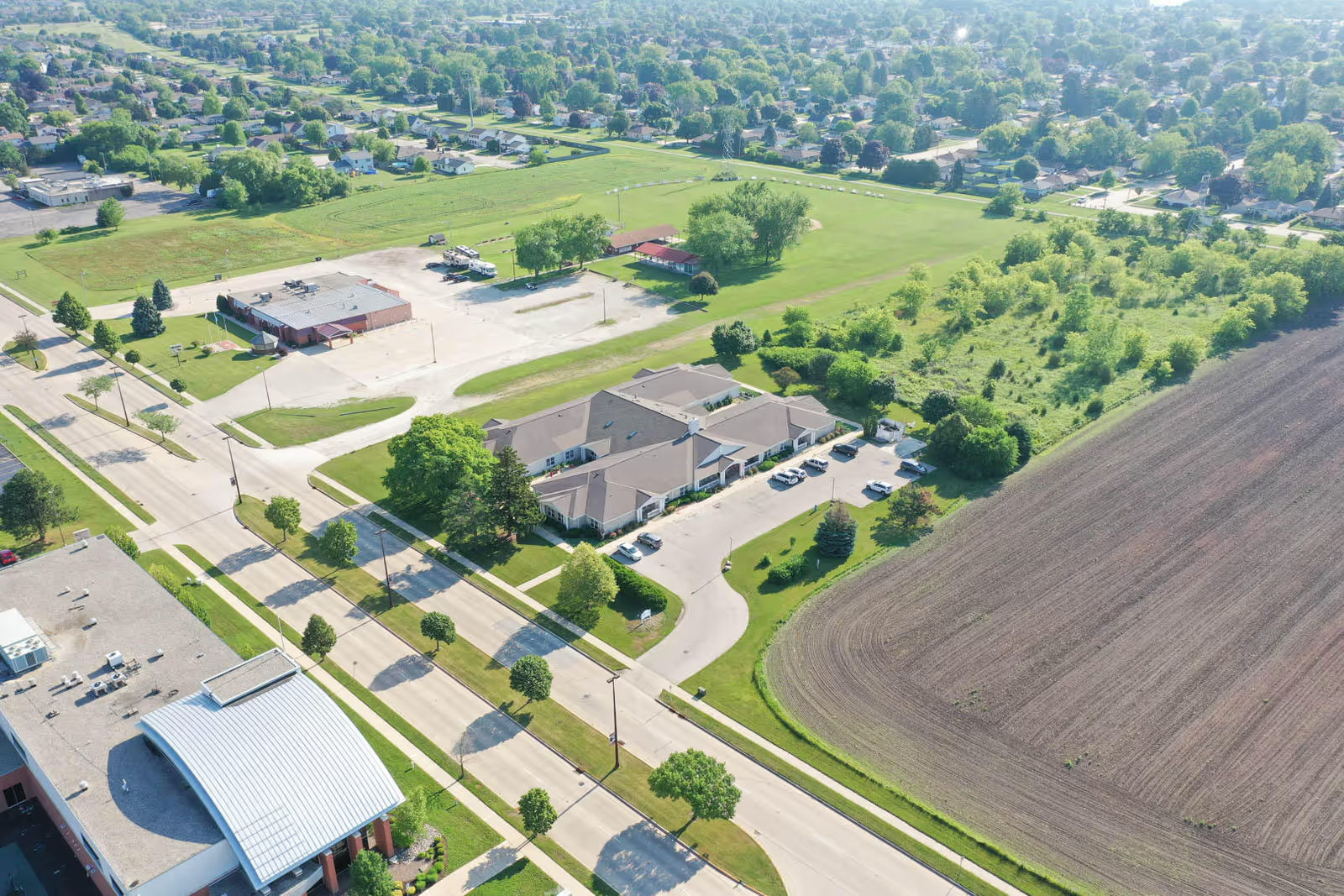
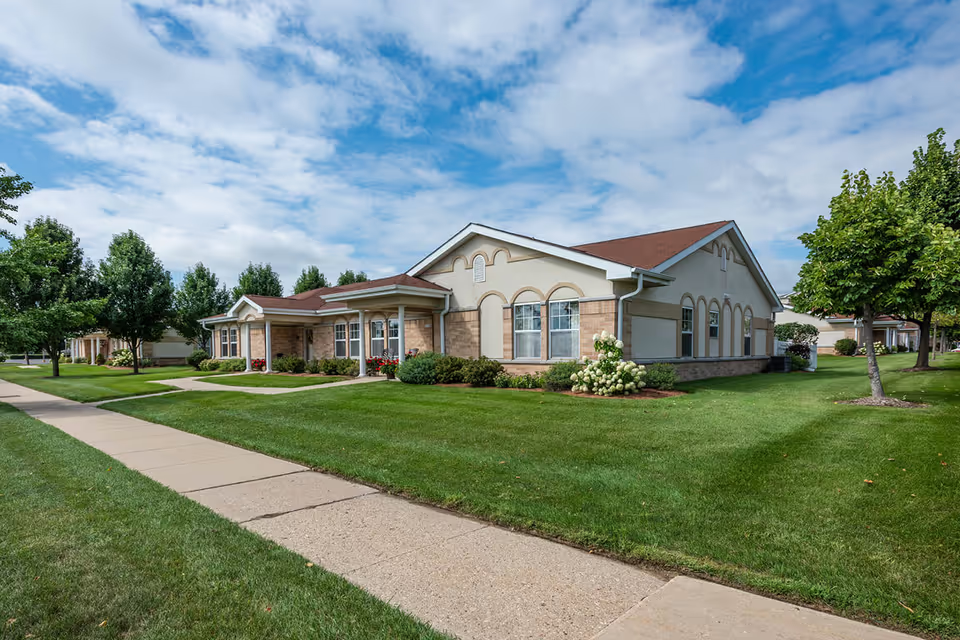
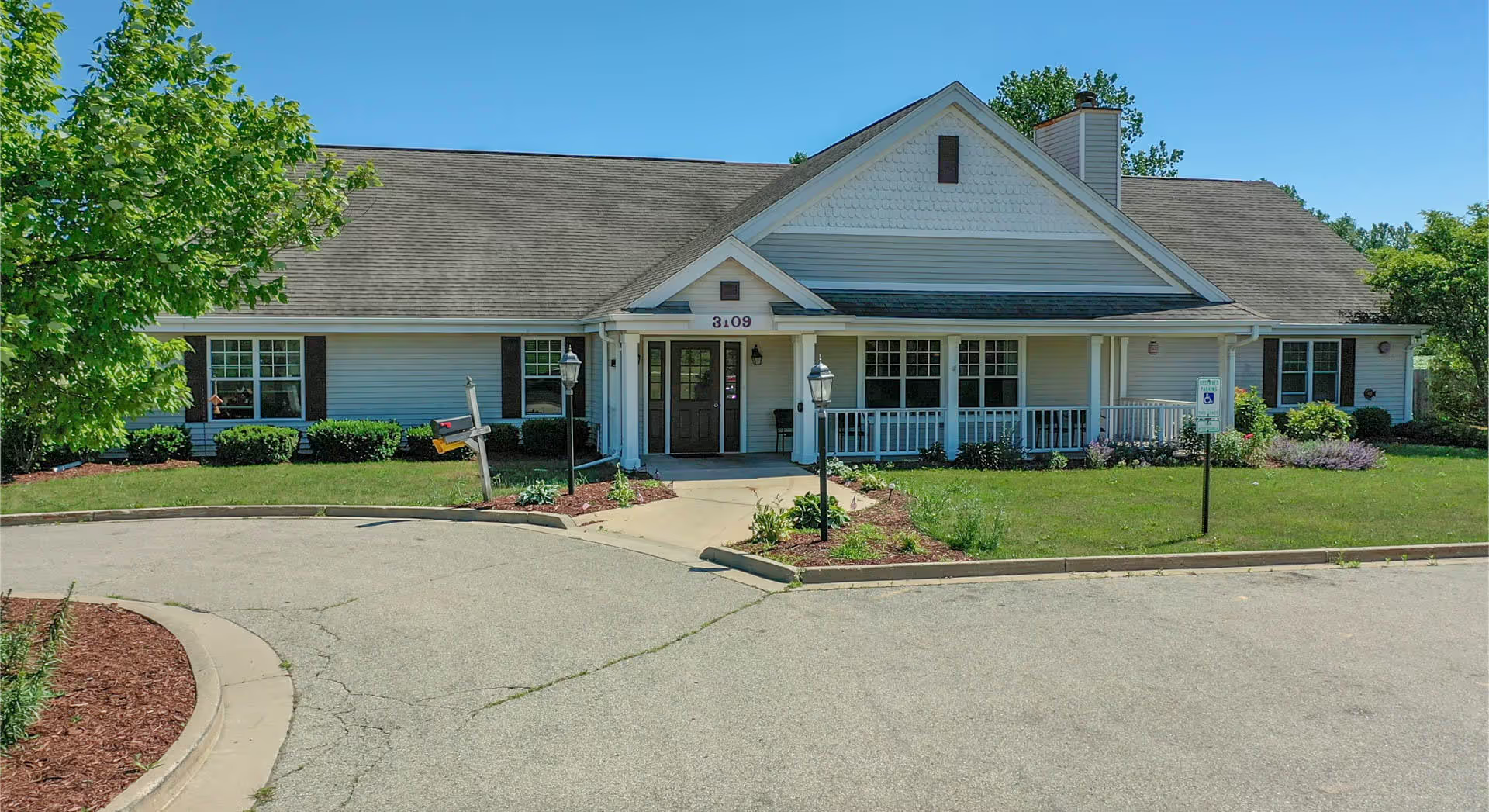
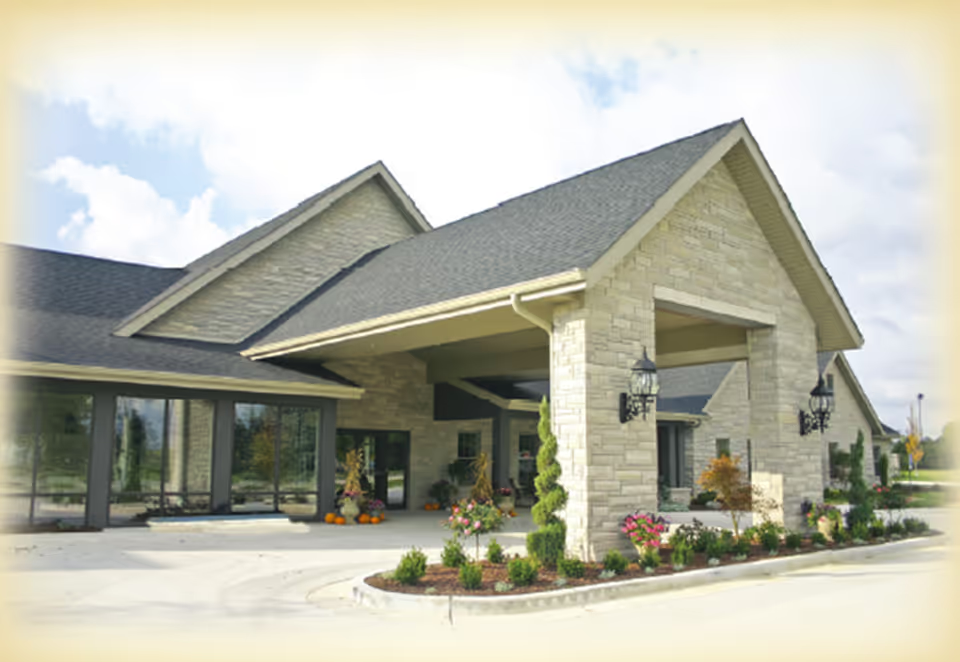
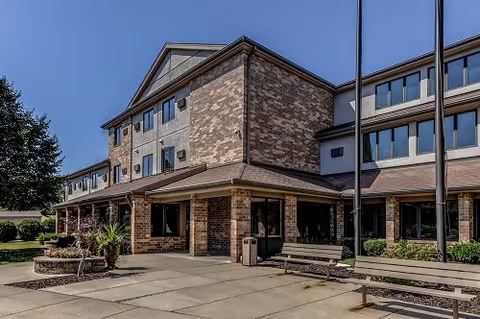
Kenosha Brookside Care Center elicits strongly mixed but specific impressions. Many reviewers praise its cleanliness, modern appearance, scenic grounds, and well-appointed common areas. The facility’s rehabilitation program — particularly physical and occupational therapy — receives consistent positive mention for clinical competence and effectiveness. Dining spaces and meal portions are often described favorably, and the activity program is robust, with a wide range of group activities and off-site outings that families find engaging. Several accounts highlight responsive, caring nursing staff and management teams that partner well with families for care planning.
At the same time, a recurrent pattern of operational weaknesses appears across reviews. Staffing stability is an important concern: night and weekend shifts are described as thinner, and there are repeated notes of delayed call-light response and sparse night staff. These staffing gaps connect to broader supervision and safety issues for residents with mobility or cognitive vulnerabilities, including falls and near-miss events. Medication-management weaknesses are also evident in the feedback — order transcription, patient-identification, and reconciliation processes are areas families may want to review closely before placement.
Communication and staff conduct present a mixed picture. Some families praise warm, attentive caregivers and helpful administrators; others describe variable professionalism, dismissive interactions, or front-desk communication problems. These discrepancies suggest unevenness in staff training or unit-level culture rather than a uniform institutional approach. Infection-control outcomes are another area to clarify: reviewers referenced COVID-19 and C. difficile events, so prospective families should ask about current infection-prevention protocols, outbreak history, and vaccination/testing policies.
Facility layout and room configurations are practical strengths for short-term rehabilitation but create tradeoffs for long-term or dementia care. The building’s size and sprawling plan can be difficult to navigate for families and residents, and some rooms are compact with shared-bathroom arrangements that limit wheelchair maneuverability. The bistro and certain amenities have limited weekend availability, and beverage or snack access during off-hours was cited as inconsistent. Cost is another recurring theme — the center is perceived as higher-priced, and some reviewers questioned overall value when operational gaps occur.
For families considering Brookside, recommended due diligence includes touring the dementia-specific units to assess supervision needs, reviewing staffing ratios by shift, asking about medication-safety protocols and reconciliation practices, inspecting room sizes and bathroom accessibility, and requesting the activity calendar and recent infection-control records. The facility offers excellent rehabilitation programming and many features appealing to short-term stays and active residents, but decision-makers should weigh those strengths against the identified variability in staffing, communication, and safety practices for longer-term or higher-acuity residents.