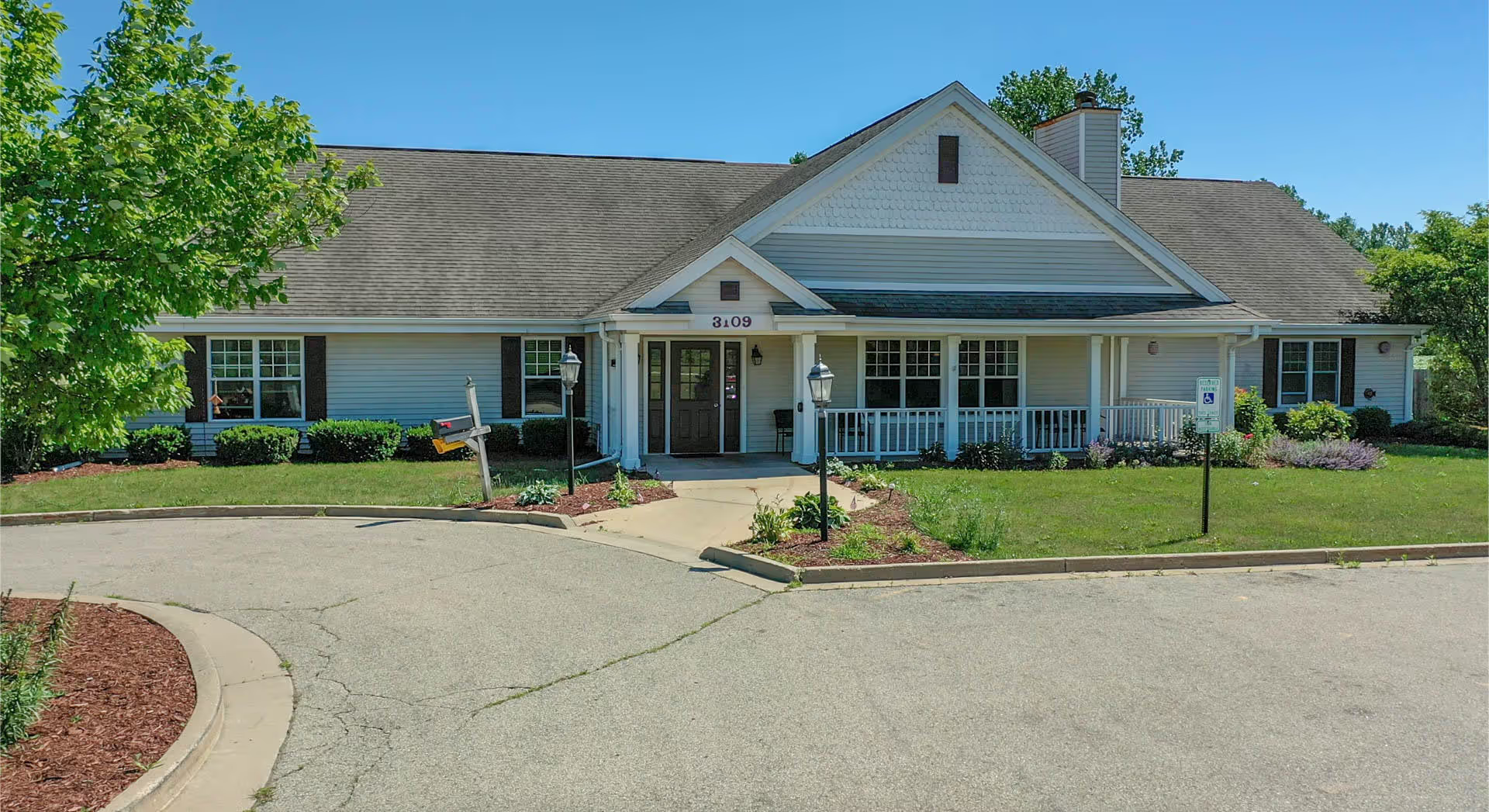
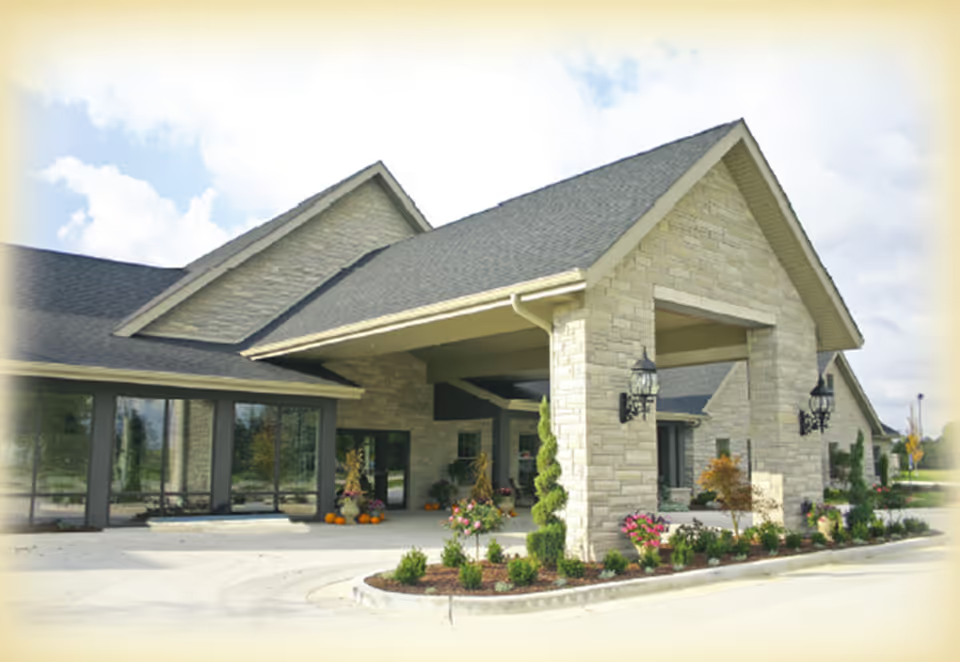
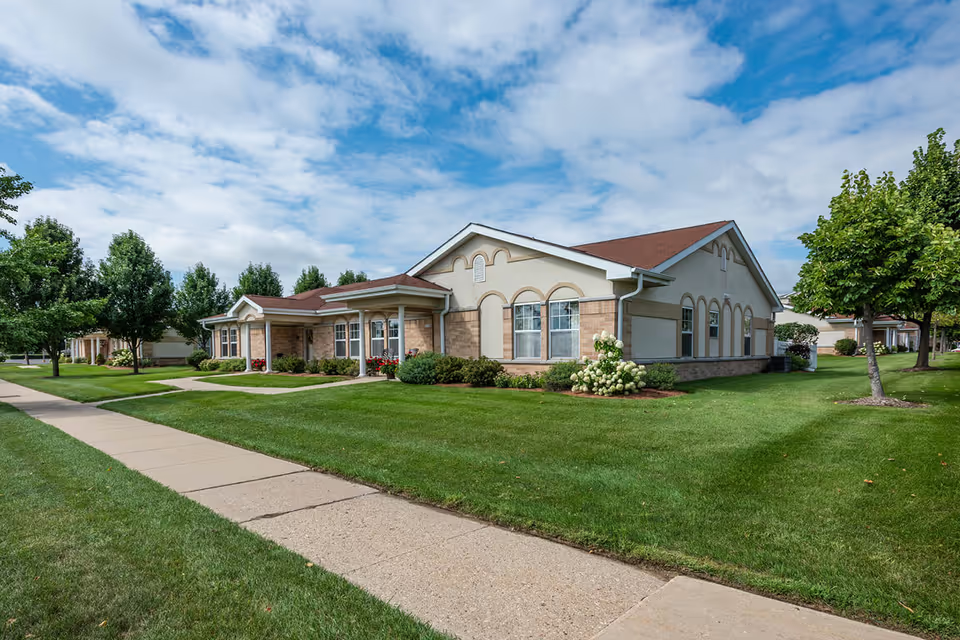
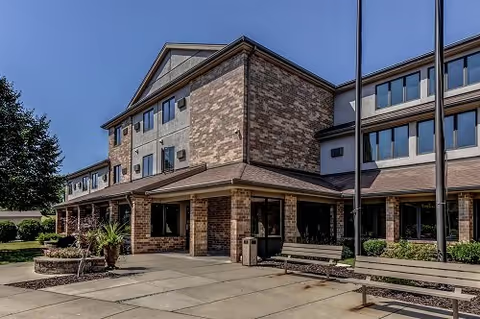
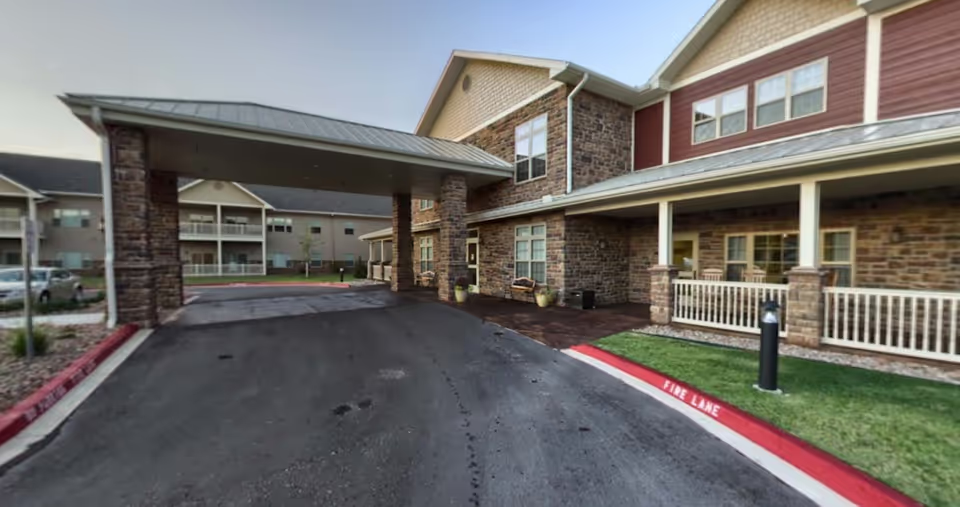
Kenosha Place 2 presents as a well-maintained, affordably priced assisted-living and memory-care community with a functional building layout and generally positive physical upkeep. Review content emphasizes cleanliness and orderly common areas, and reviewers commonly describe private memory-care rooms as a positive feature. The facility appears to offer a comfortable interior environment that many families find suitable for daily living needs.
Staff and care quality are characterized by warm, compassionate interactions and caregivers who establish trust with residents. Families describe caregivers as caring and attentive to personal needs, with at least one account noting that the resident was clean, content, and comfortable in the setting. That said, there is evidence of variability in frontline responsiveness: initial onboarding or early-care episodes were described as slow in some instances, and those concerns were reportedly resolved after management involvement. This pattern suggests generally positive day-to-day caregiving, coupled with occasional lapses that may require supervisory escalation to correct.
The community’s programming and dining are strengths. Activities are described as well planned and engaging, and dining quality is noted positively. These elements contribute to residents’ social engagement and daily satisfaction. Management is portrayed as accessible and easy to communicate with; families reported that raising concerns typically led to constructive follow-up and improvement when intervention was needed.
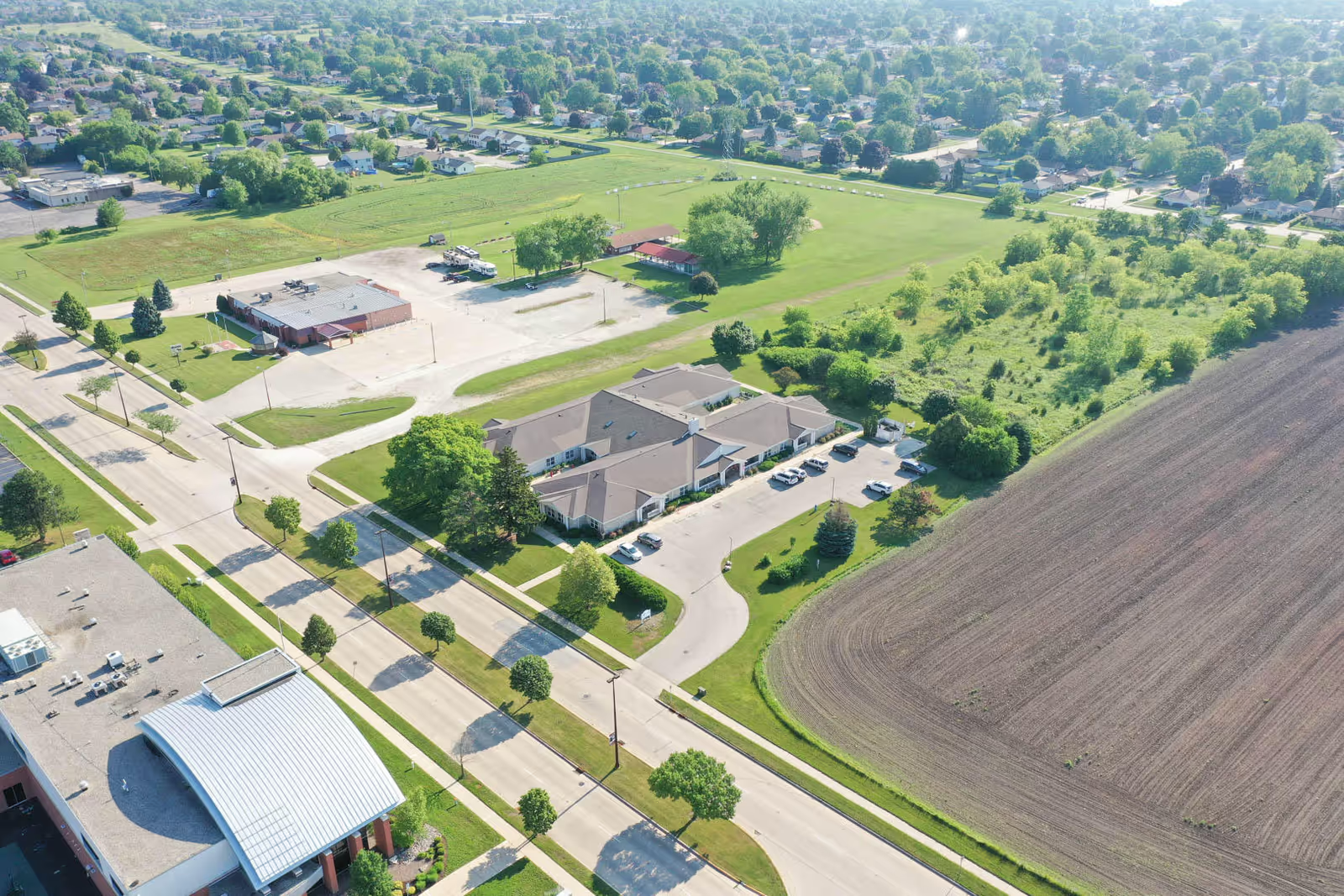
Facility-level limitations to consider include constrained outdoor amenities and limited in-room storage. The property’s landlocked location restricts green space and outdoor areas, and several unit features—specifically closet and storage size—are described as small relative to some residents’ needs. Prospective residents and families should assess storage needs and outdoor-access expectations during tours. Given the notes about inconsistent responsiveness early in a stay, visitors may also wish to ask about current staffing patterns, escalation protocols, and examples of how management monitors and addresses care-quality issues to understand how the community sustains improvements over time.