Library Terrace Apartments is consistently described as a small, home-like assisted living community with a family-oriented atmosphere. Many reviewers highlight attentive nursing and caregiving, quick responses to calls, and a compassionate clinical presence; hospice integration is noted as a strength for residents with advanced needs. The small size (about 20 rooms in several accounts) supports close staff–resident relationships and a familiar environment where residents are often recognized by name.
Dining and daily routines receive mixed-but-largely-positive commentary. Numerous accounts praise a chef-driven, home-cooked approach, frequent menu variety, and staff willingness to accommodate dietary needs; several families emphasized that the kitchen staff goes above and beyond. At the same time, there is variability in individual satisfaction with meal quality and reports of incomplete meal intake, which suggest the facility should be queried about mealtime assistance and hydration monitoring for residents who need help eating.
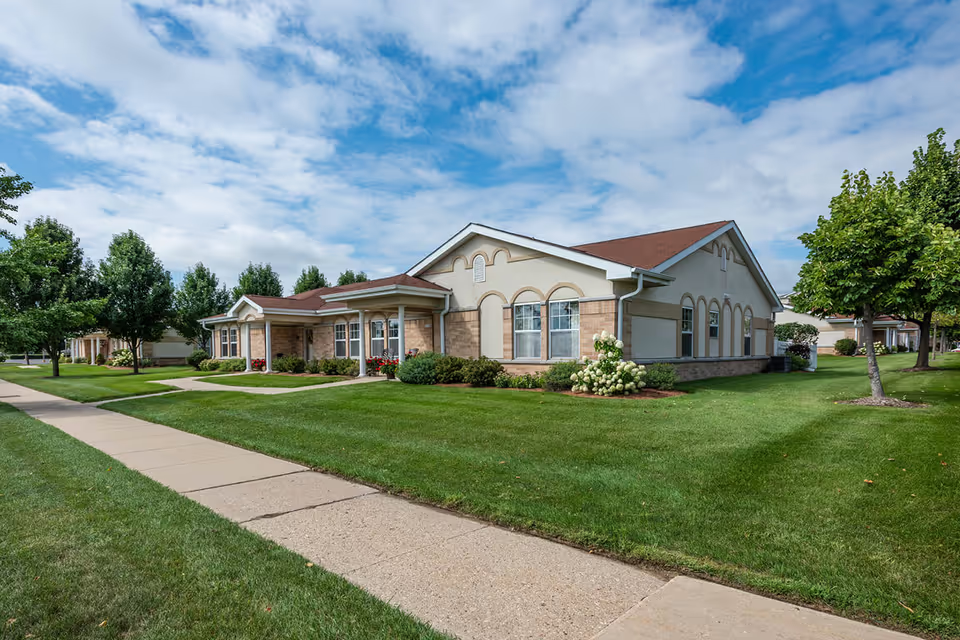
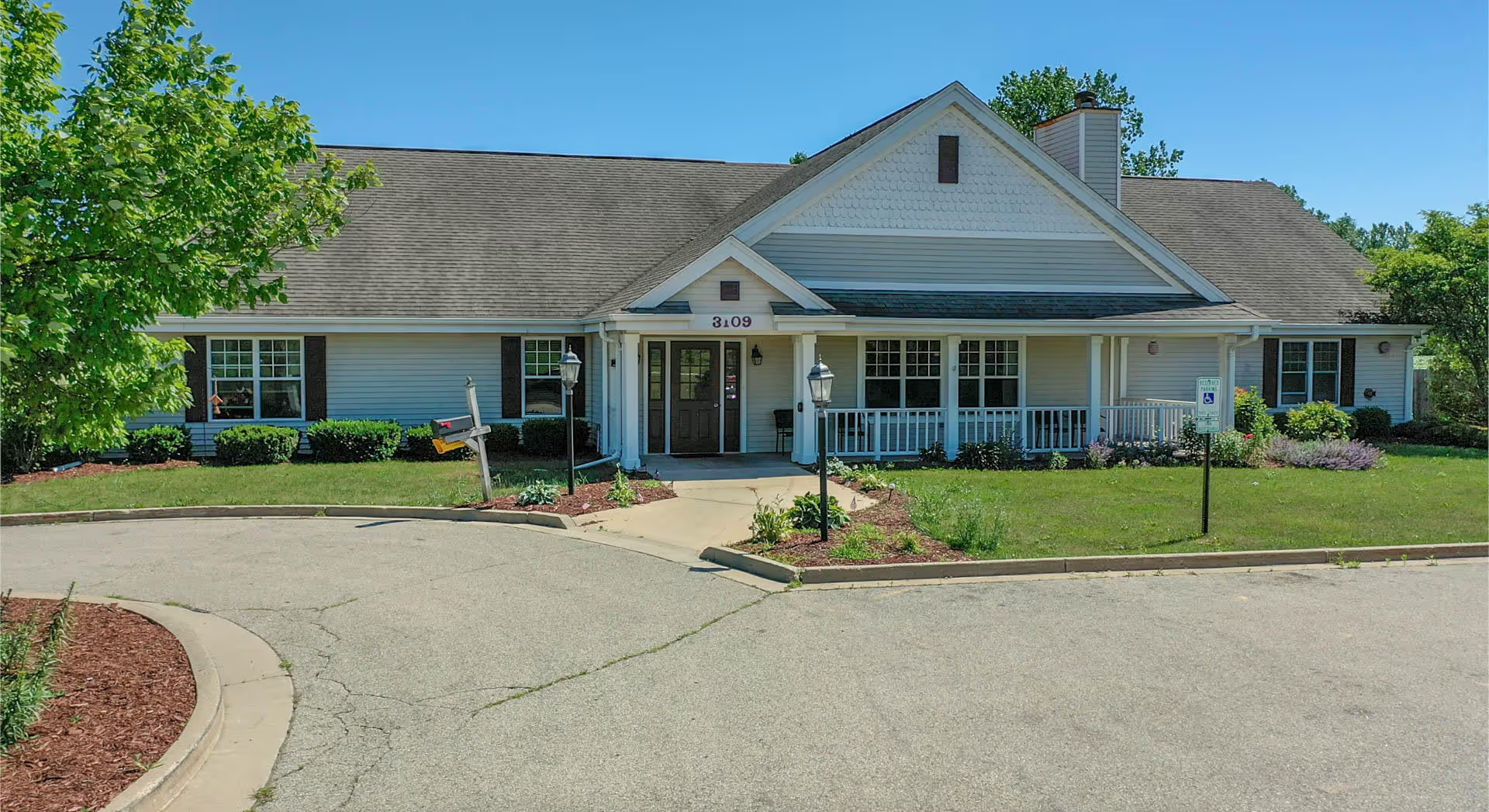
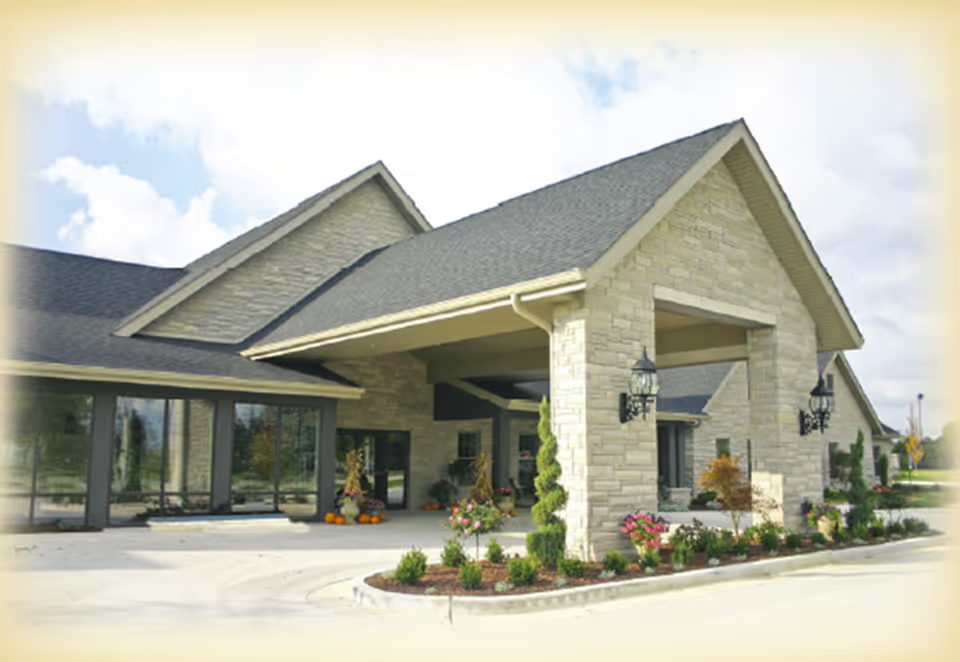
Activity programming and the physical environment are recurring strengths. Reviewers describe an active life-enrichment calendar (exercise classes, bingo twice weekly, sing-alongs, field trips, and themed social hours) that supports social engagement. Grounds, gardens, and porch spaces are highlighted for bird-watching and gardening, and interiors are described as clean, bright, and recently remodeled. Apartment layouts are generally praised for natural light, storage, and safety features such as grab bars, with some unit types noting smaller kitchens without full stoves.
Operational patterns show areas for follow-up during a tour or pre-move conversation. Several reviewers described variability in staff demeanor and front-desk communication; while many families praised caring staff, there are also accounts of unfriendly interactions and concerns about how discharges or transitions were handled. There are isolated but serious allegations about improper handling of personal belongings during transitions; prospective families should request the facility’s policies on inventory, documentation, and discharge procedures. Staffing continuity is often reported positively, yet intermittent turnover and occasional weekend coverage gaps were also referenced, which may affect responsiveness at certain times.
Practical considerations for prospective residents and families include verifying apartment amenities (especially kitchen equipment and counter space), asking for meal samples and an explanation of how the team supports residents with limited intake, and clarifying administrative details such as pricing and billing. It is also reasonable to ask about staffing patterns, weekend coverage, procedures for transitions and belongings inventory, and how the community manages resident safety and fall-prevention. Overall, the facility is frequently recommended for those seeking a small, well-decorated, activity-rich community with attentive clinical staff, while families should perform targeted questions to address the noted variability in communication, meal satisfaction, and transition processes.