Parkside Manor presents a mixed picture: many families praise a warm, welcoming front desk and admissions team, attentive caregivers who learn residents’ names and preferences, and a strong dining and activities program. The culinary offerings and dining atmosphere are consistently highlighted — chef-prepared meals, attractive presentation, and family seating options are recurring strengths. Residents and families also describe meaningful recreational programming (live music, garden club, bus outings) and competent rehabilitation services that have supported functional improvement for some residents.
Care quality assessments are variable. A substantial portion of feedback is positive about individual caregivers who are described as compassionate and family-oriented; however, recurring operational issues undermine consistency of care. Reviewers describe inconsistent staffing levels, high caregiver turnover, and shift understaffing that contribute to delays in personal-care assistance (bathing, oral care, showers) and missed medication administration at times. Several accounts describe gaps in medication-management procedures and difficulty obtaining clinical records, indicating opportunities to strengthen clinical documentation and care continuity.
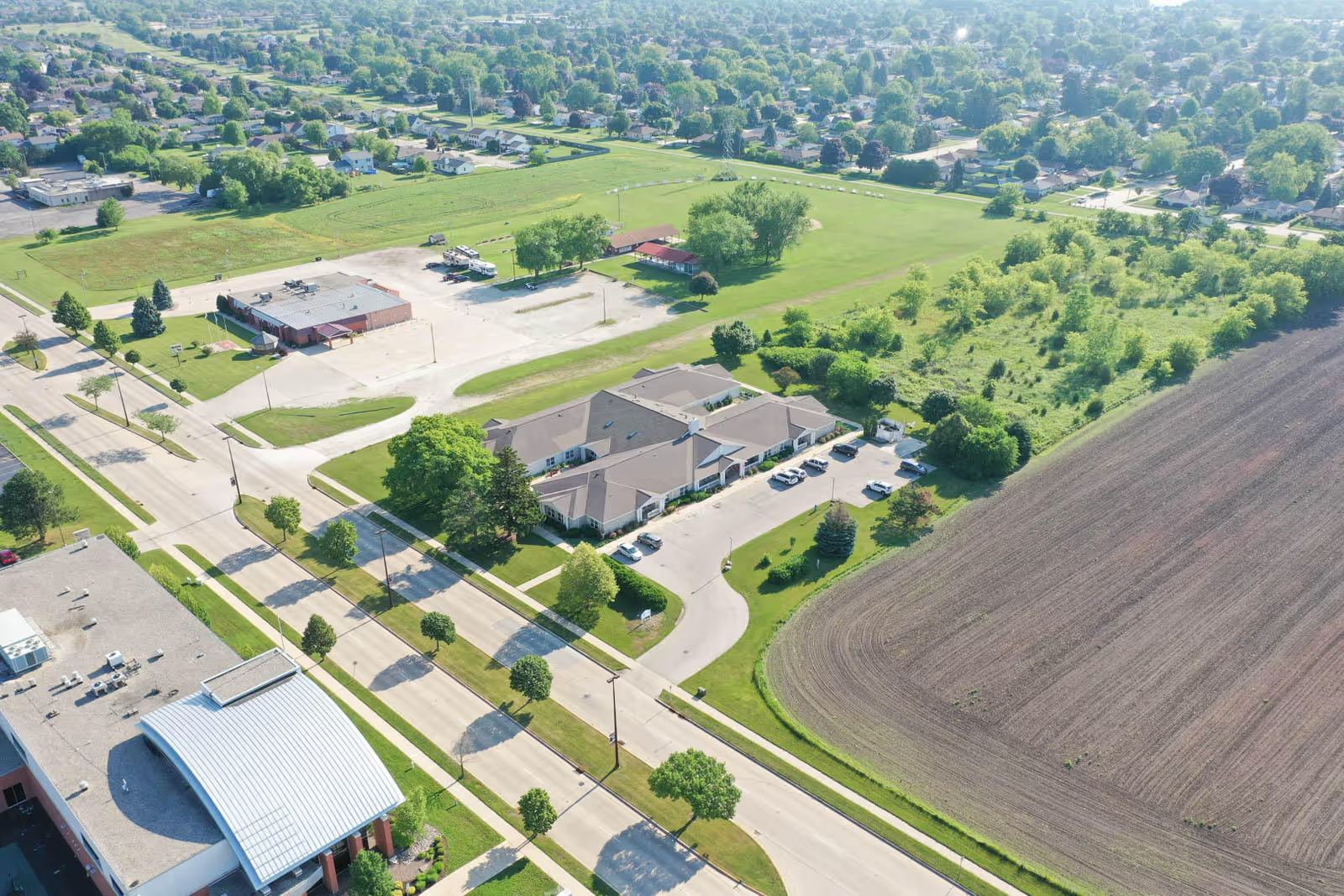
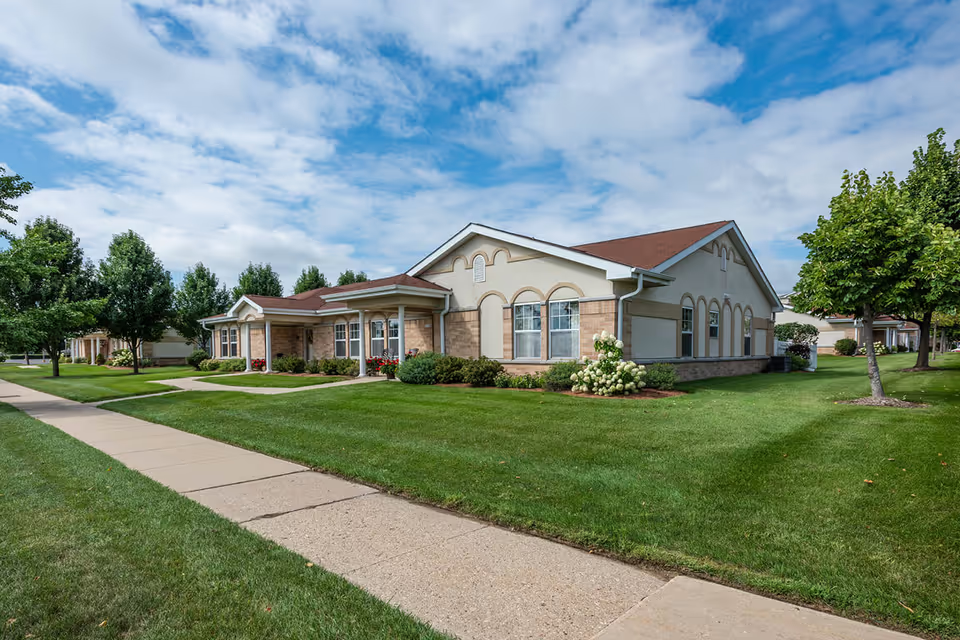
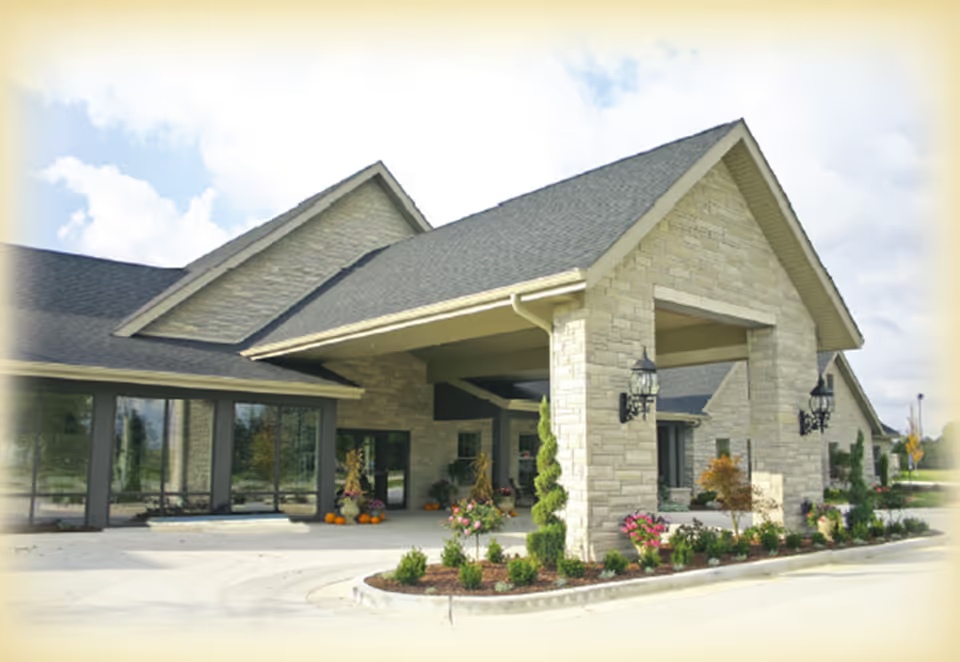
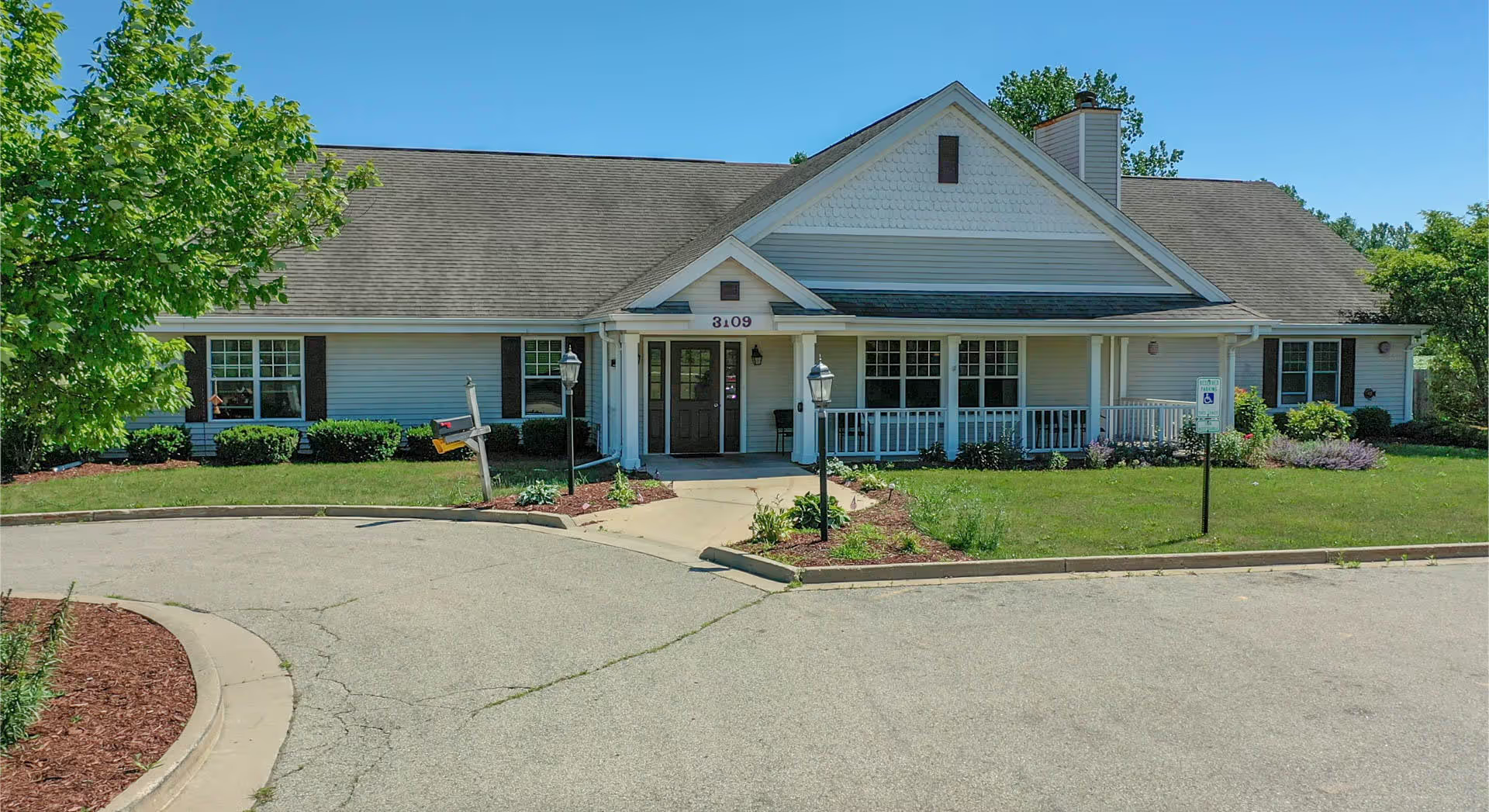
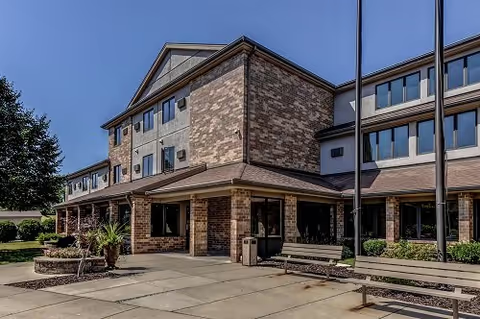
Facility and program strengths include updated interiors, spacious accessible suites with walk-in showers, well-kept landscaping, and a generally pleasant communal environment when staffing allows. The memory-care unit receives praise for its programming and some families report smooth transitions and weekly updates. At the same time, there are sanitation and odor concerns reported in certain common areas and furnishings, as well as complaints about inconsistent laundry and personal-item handling. There are also isolated but serious safety concerns described by families, including falls and post-incident communication lapses; these point to needs for improved fall-prevention practices and clearer family notification protocols.
Management and communication emerge as a principal area of divergence. Some visitors and families commend specific administrators and staff (several named individuals received positive mention) for responsiveness and family-centered decision-making. Conversely, other families describe leadership turnover, perceived focus on presentation over care, unresponsiveness from corporate levels, and difficulties with billing or Medicaid placement promises. A small number of reviews allege missing personal items and reimbursement disputes; these have generated significant distrust where they occurred and suggest a need for stronger inventory controls and dispute-resolution processes.
Overall, Parkside Manor offers many attributes sought by prospective residents — quality dining, active programming, accessible accommodations, and compassionate individual caregivers. Prospective families should evaluate current staffing ratios, clinical documentation access, fall-prevention protocols, and financial/Magicaid arrangements during a tour. Asking for recent staffing rosters, sample activity calendars, incident-communication procedures, and written financial/bed-availability policies can help assess whether the operational gaps described in some reviews have been addressed.