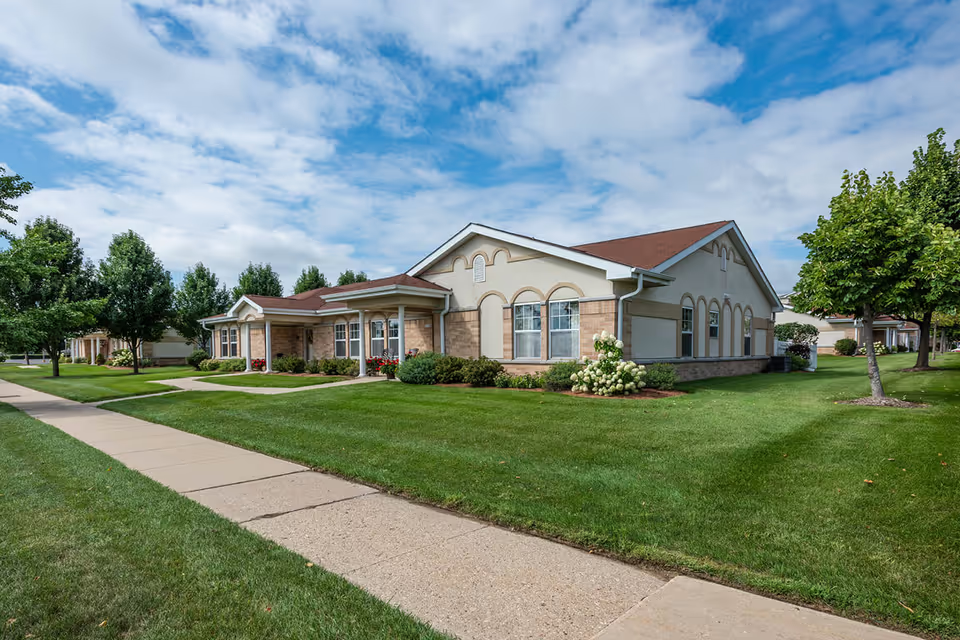
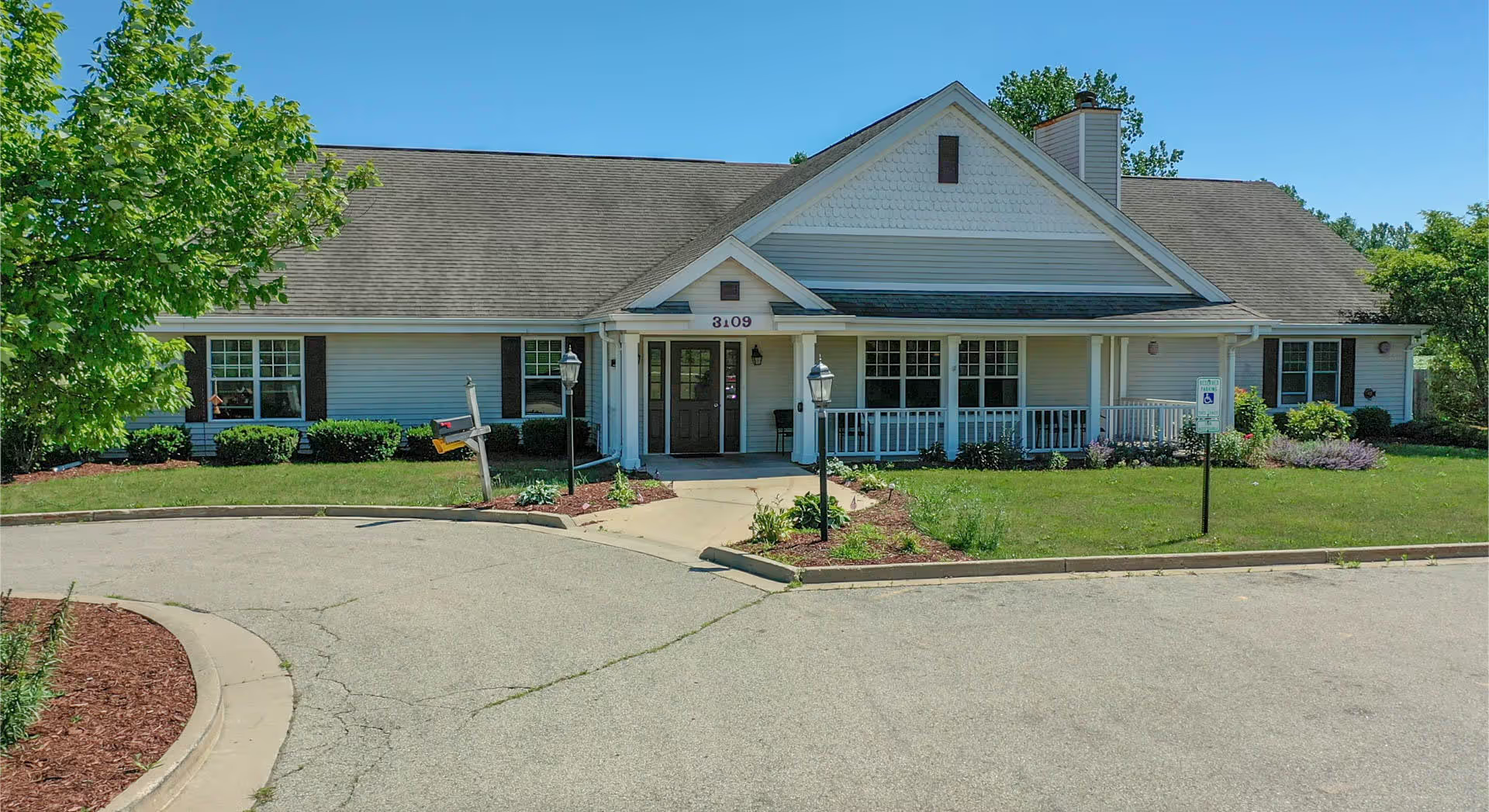
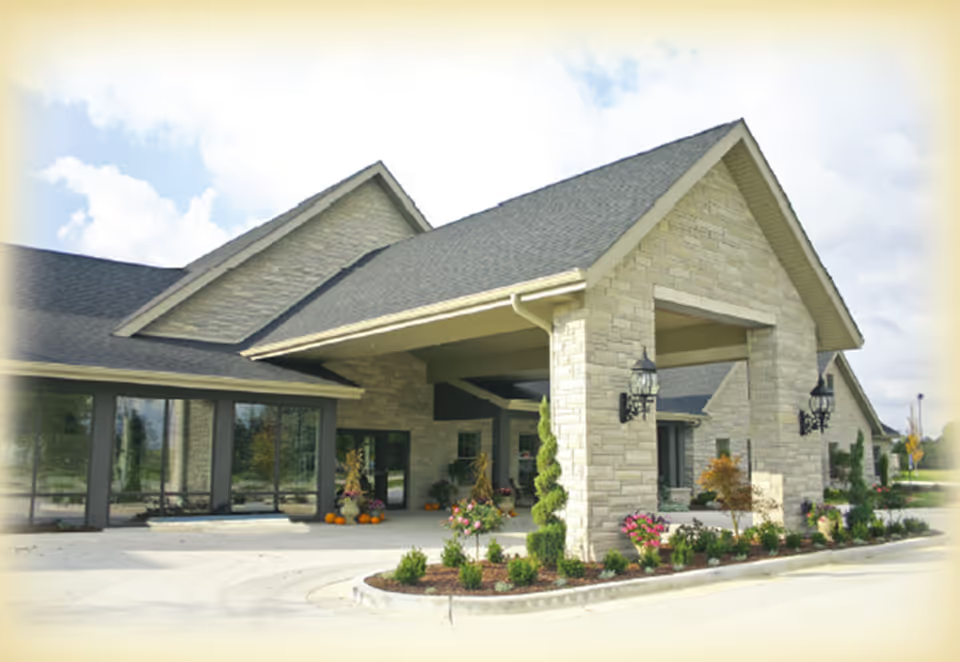
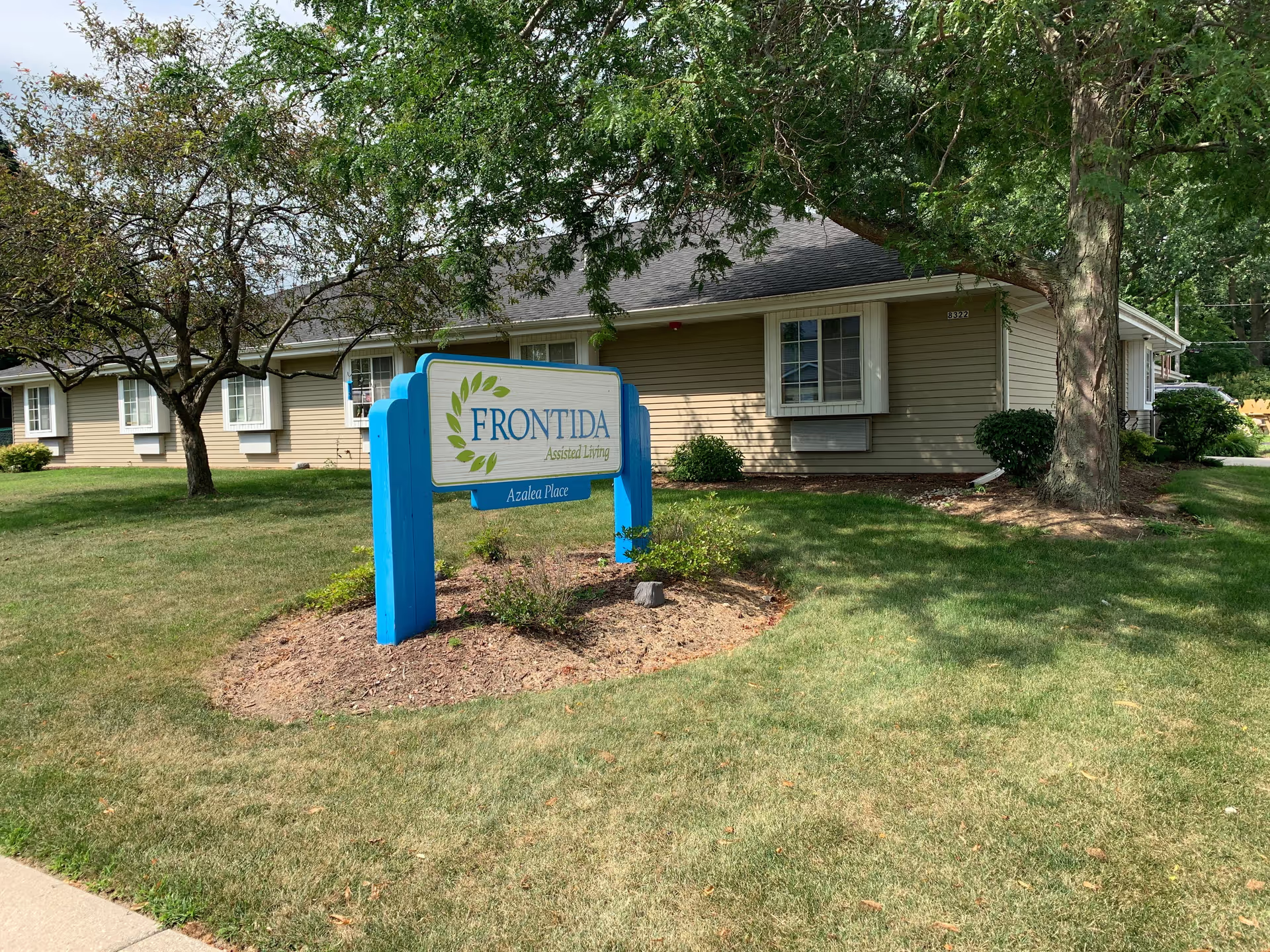
The Manor of Kenosha elicits strongly polarized feedback. Many families and residents praise the facility’s short-term rehabilitation services: therapy staff (PT/OT) and elements of the rehab nursing team receive consistent positive remarks for restoring mobility and arranging safe discharges. Several reviewers also highlighted particular clinical strengths such as effective wound care, helpful case management, and occasions of rapid, lifesaving response. Administrative staff and discharge planners are sometimes described as proactive and supportive, and there are reports of private rooms and a family-like atmosphere in portions of the campus.
At the same time, reviews identify recurrent operational weaknesses that appear to vary by unit and shift. Staffing levels are frequently described as insufficient, producing long delays in response to call lights, assistance with toileting and bathing, and delayed medication delivery. These delays are tied to broader concerns about consistency of care: reviewers describe uneven nursing follow-through, inconsistent medication handling and documentation, and variability in clinical skill related to safe transfers and use of mobility equipment.
Dining and housekeeping are other areas of mixed performance. Numerous accounts indicate unreliable meal quality, limited menu availability, and supply problems (missing condiments, limited portions, or vendor-related constraints). Housekeeping and laundry processes are frequently cited as problematic, with sanitation concerns, cleanliness issues in rooms and common areas, and maintenance items (peeling paint, exposed electrical covers) noted. Some reviewers described lapses in infection-control practices and inconsistent PPE use, particularly during periods of heightened transmission risk.
Communication and management emerge as central themes. Families report inconsistent updates, difficulty reaching staff or administrative contacts, and a perception that complaints are not always addressed effectively. High staff turnover and variable professionalism contribute to a sense of uneven care culture: while many caregivers are described as compassionate and hardworking, others are characterized as disengaged or inadequately supervised. There are also isolated but serious claims about personal-property mishandling, including allegations regarding missing items, which speak to gaps in property-management processes.
Patterns suggest that experiences at the facility depend heavily on the specific unit, shift, and individual staff on duty. For prospective residents and families, short-term rehab at the facility may offer strong clinical benefit when therapy teams are engaged, but evaluating long-term placement should include questions about staffing ratios, call-response times, medication-administration protocols, housekeeping schedules, infection-control policies, and how the facility handles family communication and property security. Asking for recent inspection records, staffing rosters for targeted units, examples of corrective actions taken for prior complaints, and opportunities to tour both short-term and long-term units at different times of day can help clarify whether the observed strengths will be consistently available for a particular resident.