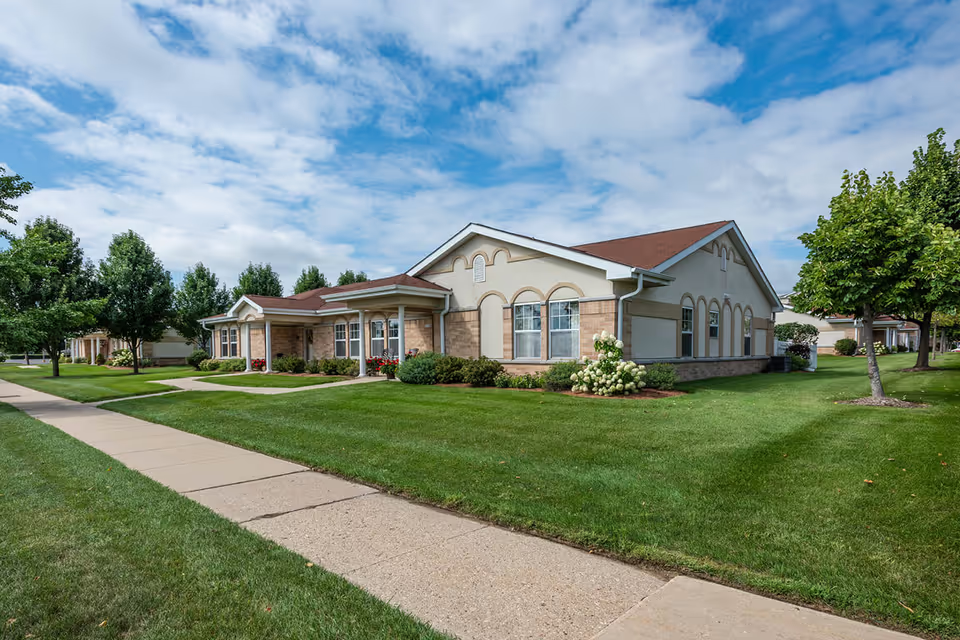
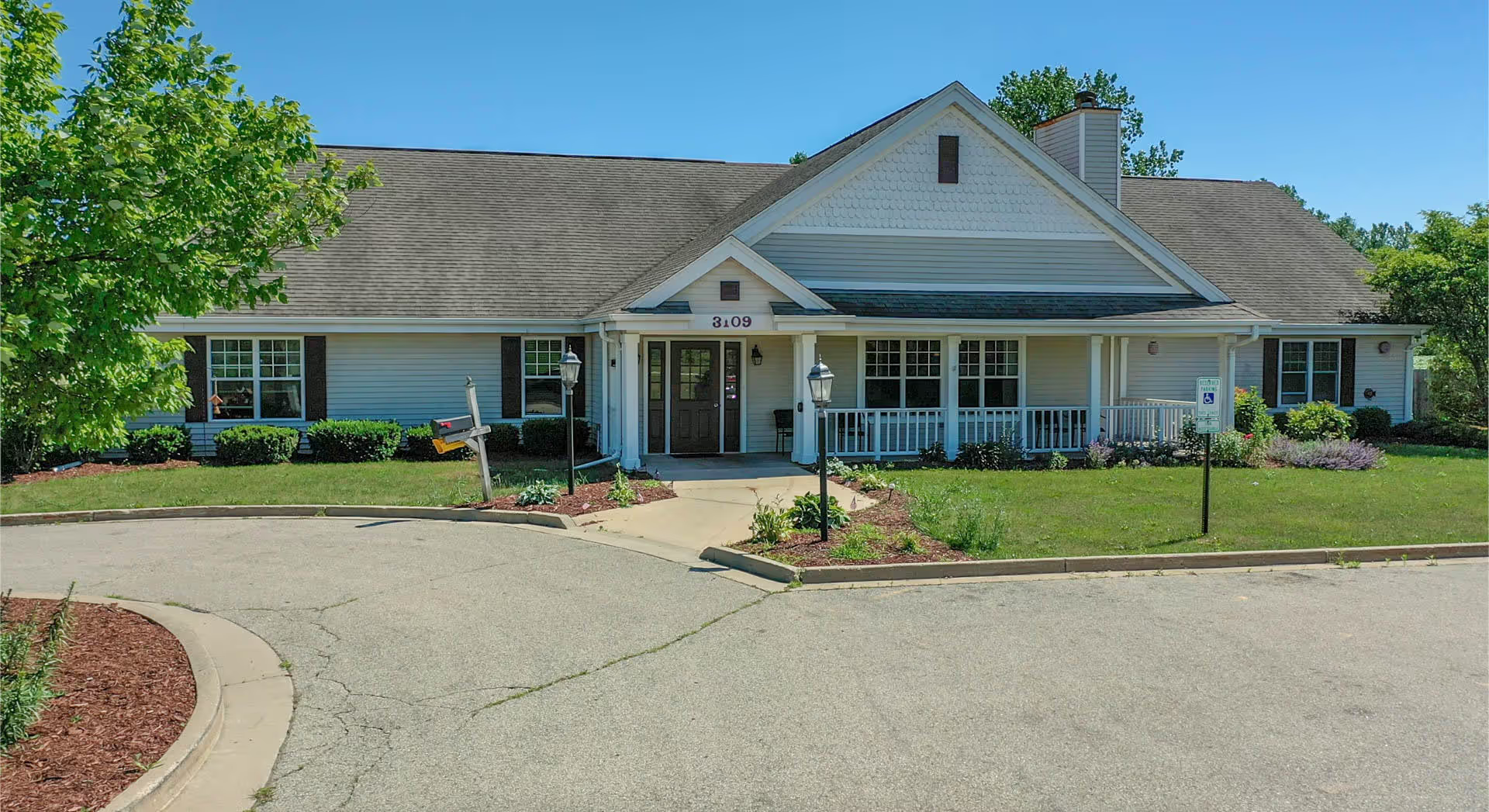
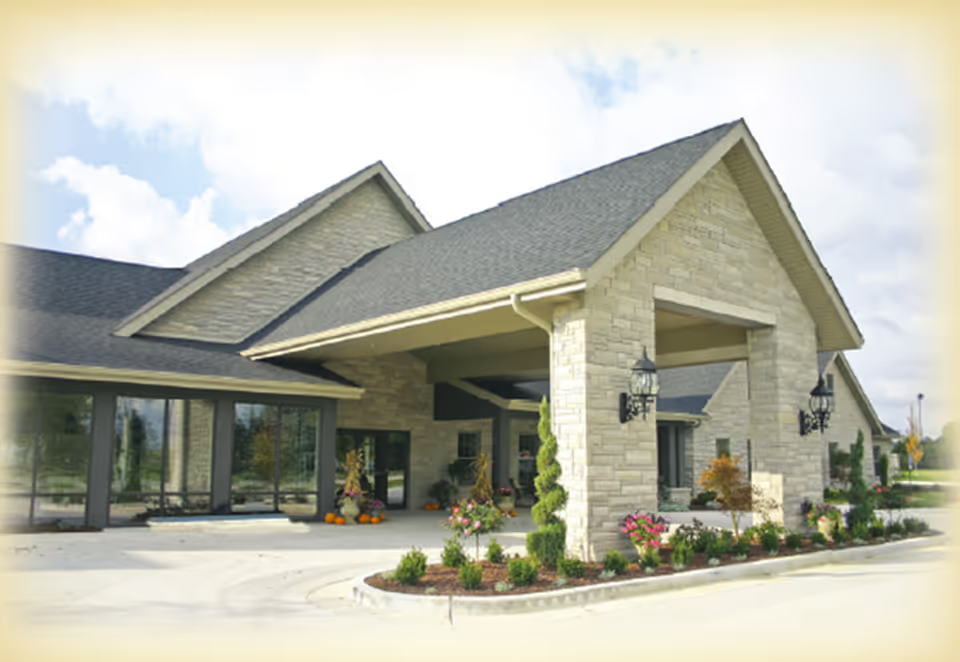
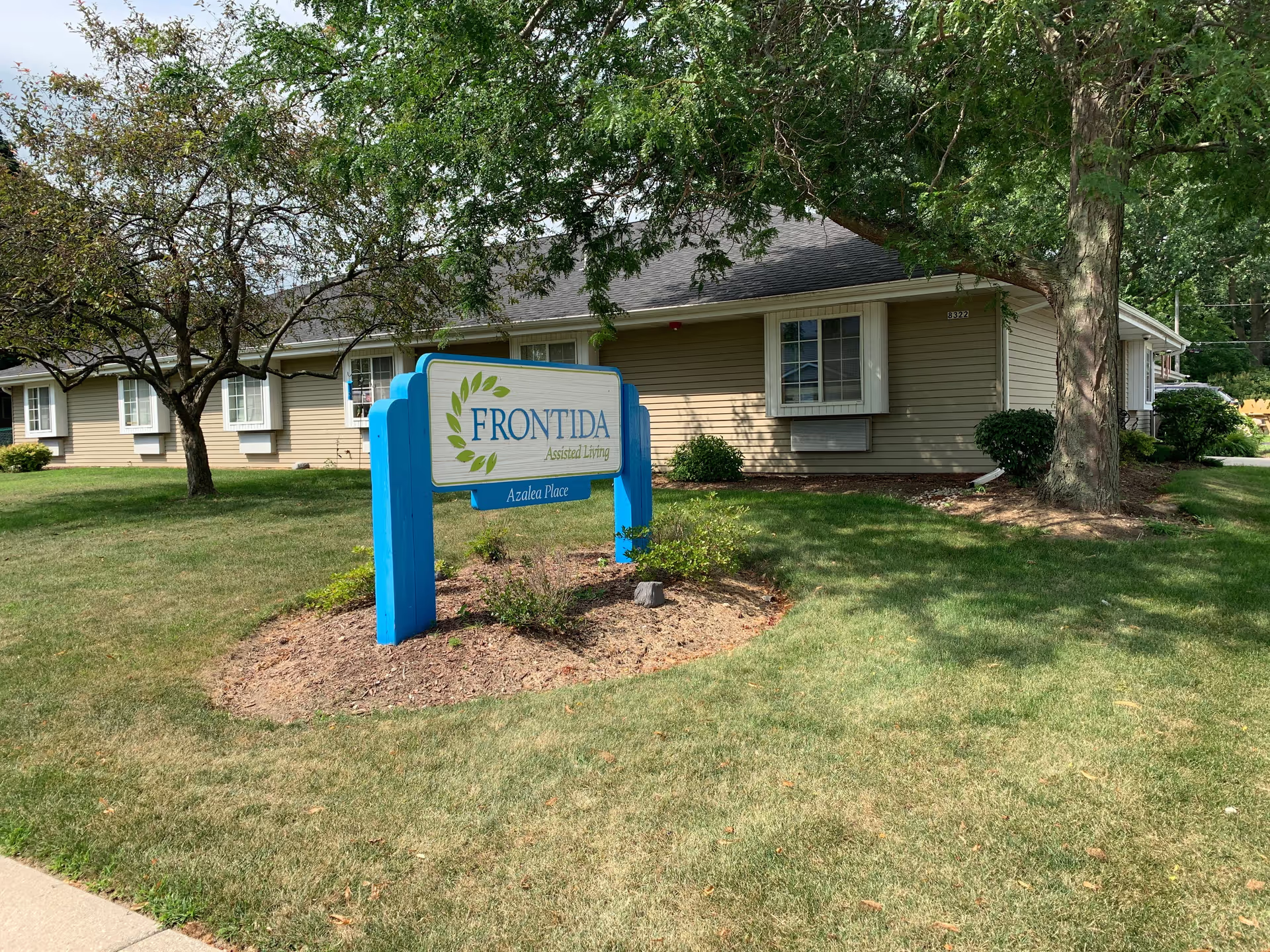
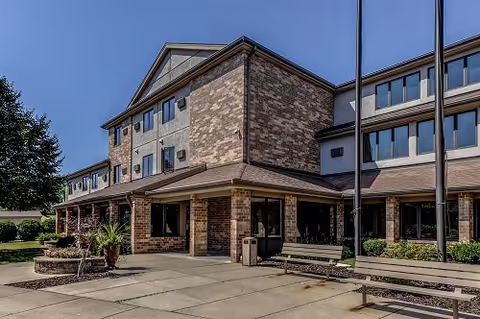
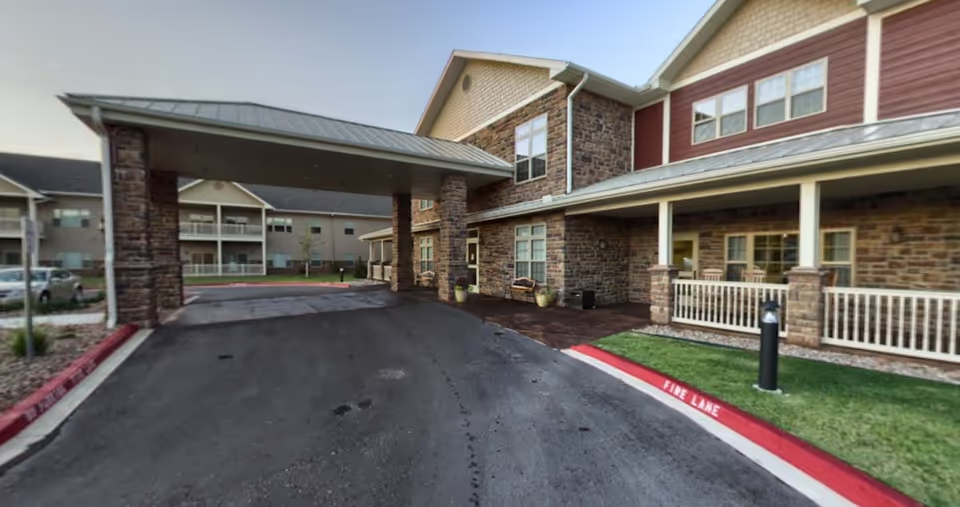
Willowbrook Assisted Living presents a mixed picture. On the facility side, reviewers describe a newly built, small-scale community (24 units) with a home-like atmosphere, spacious and airy rooms, and layouts that are easy to navigate. The community is connected to a nursing home and advertises a continuum of care between assisted living and higher-acuity services. Several comments highlight an active daily life, including regular organized outings (shopping, restaurants, casino trips) and communal activities such as group movie viewings.
Dining and everyday routines are frequently described positively: the community provides three meals a day with snacks, menu choices, and food characterized as nutritious and enjoyable. Direct-care staff and admissions/tour personnel are often described as friendly and helpful; a number of accounts note good communication between staff and families and responsiveness to routine healthcare needs.
However, there are substantive operational concerns that recur across the accounts. The most significant relate to clinical processes: reviewers raised concerns about medication-administration accuracy and gaps in documentation. These translate into a broader pattern of inconsistent medication-management controls and poor clinical-record practices. Separately, several comments reflect issues with management and leadership — reviewers used language indicating ineffective supervisory practices and a perceived lack of compassion in leadership interactions. Staff behavior that may affect responsiveness (notably personal-device use while on duty) was also noted.
Taken together, these patterns produce a bifurcated impression: the physical environment, dining, and social programming receive positive comments, while elements of clinical safety, documentation, and management culture generate concern. Prospective residents and families considering Willowbrook should weigh the community’s attractive physical setting and activity programming against these operational concerns. When evaluating the facility in person, it would be prudent to review medication-administration procedures, ask for examples of documentation and communication protocols, observe staff–resident interactions, and clarify fees and the level of assistance included in pricing to ensure alignment with care expectations.