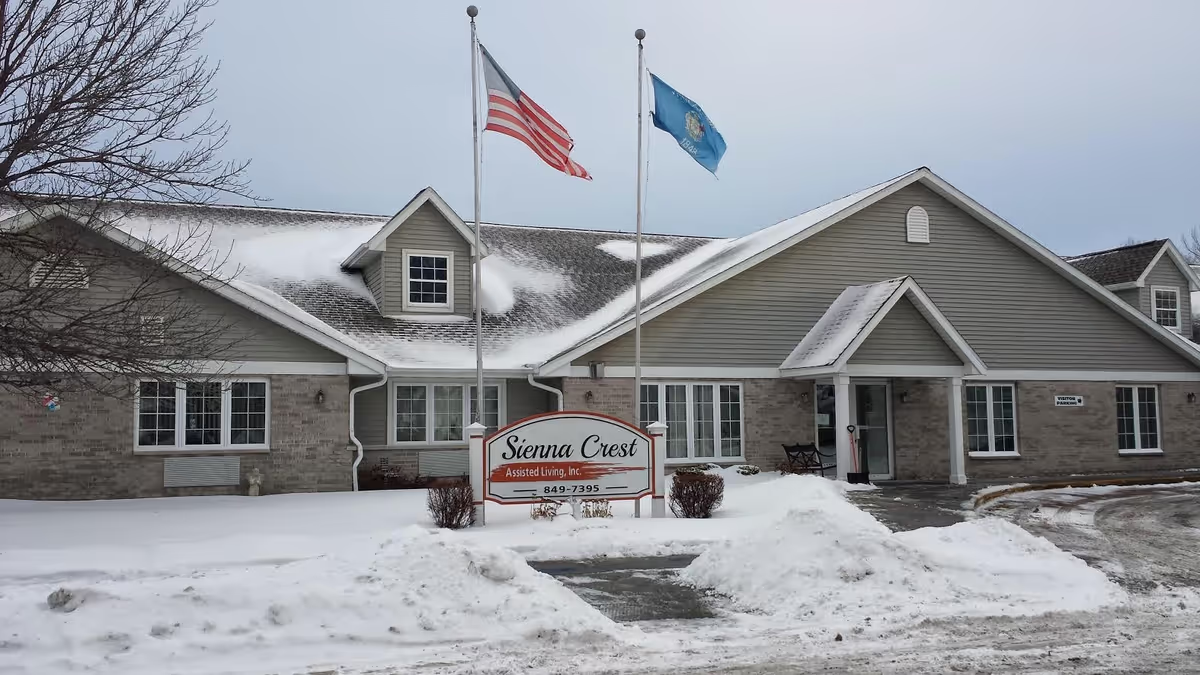
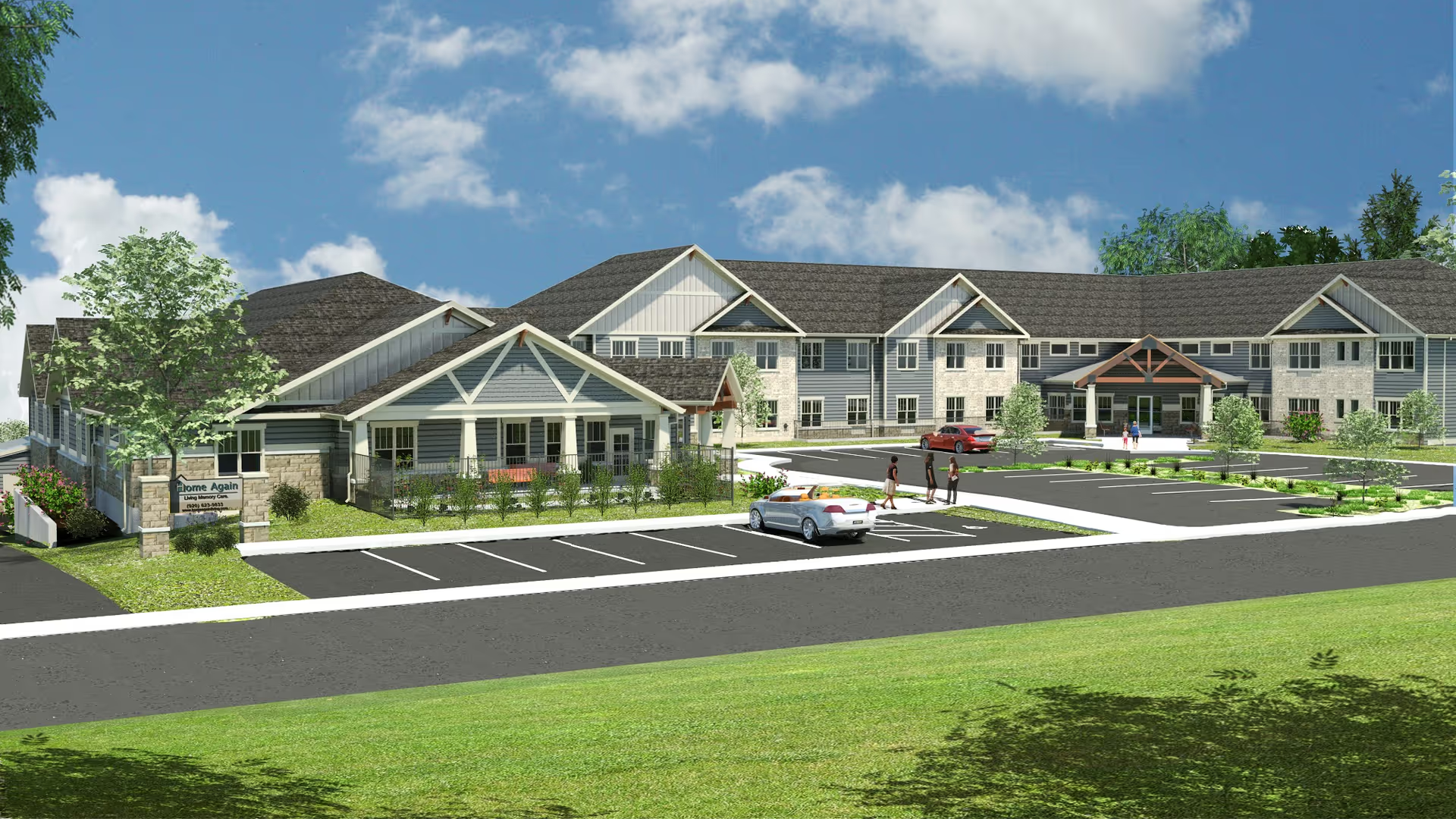
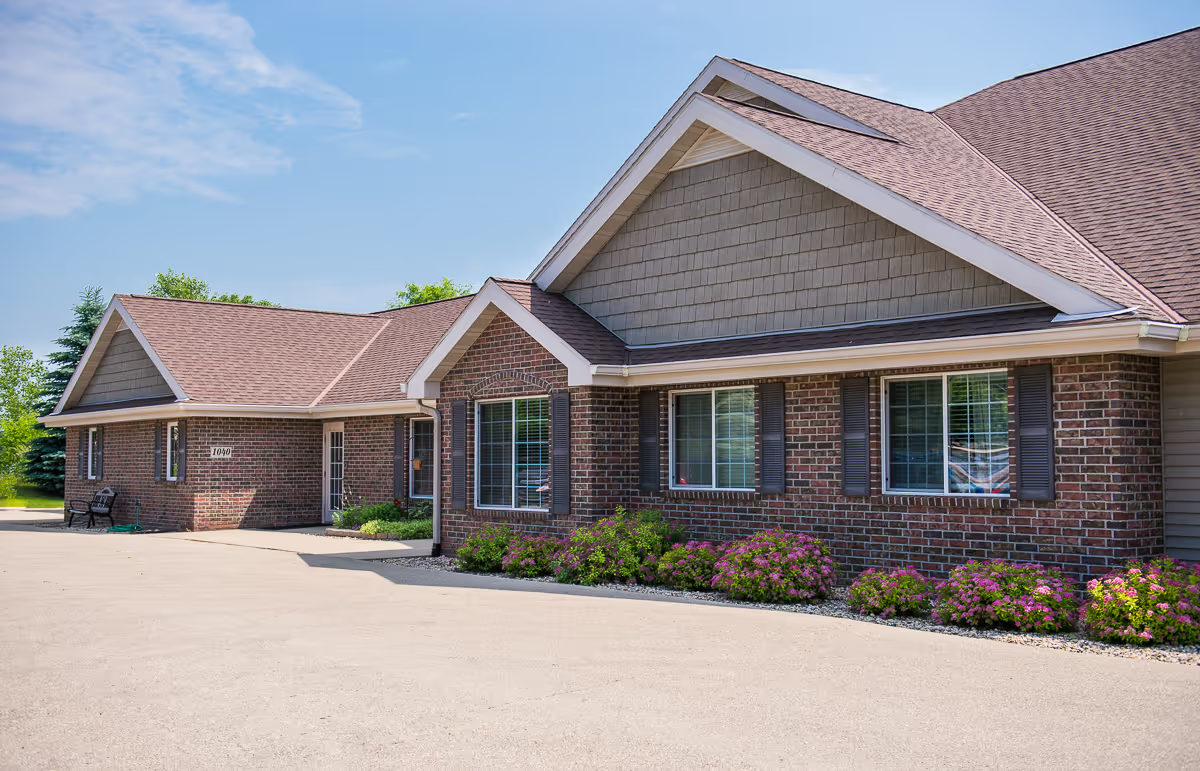
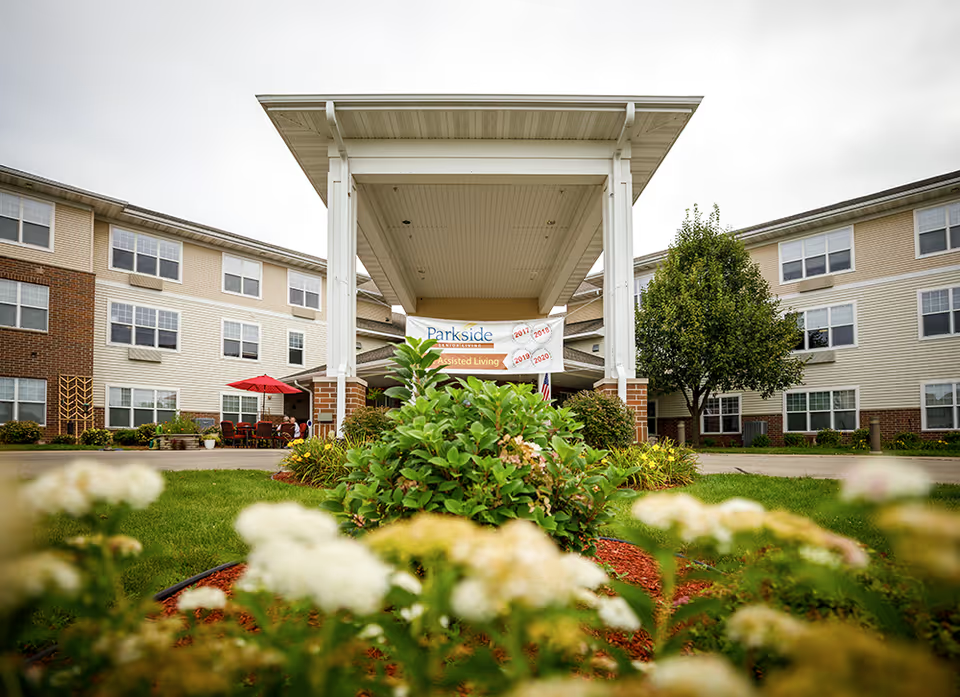
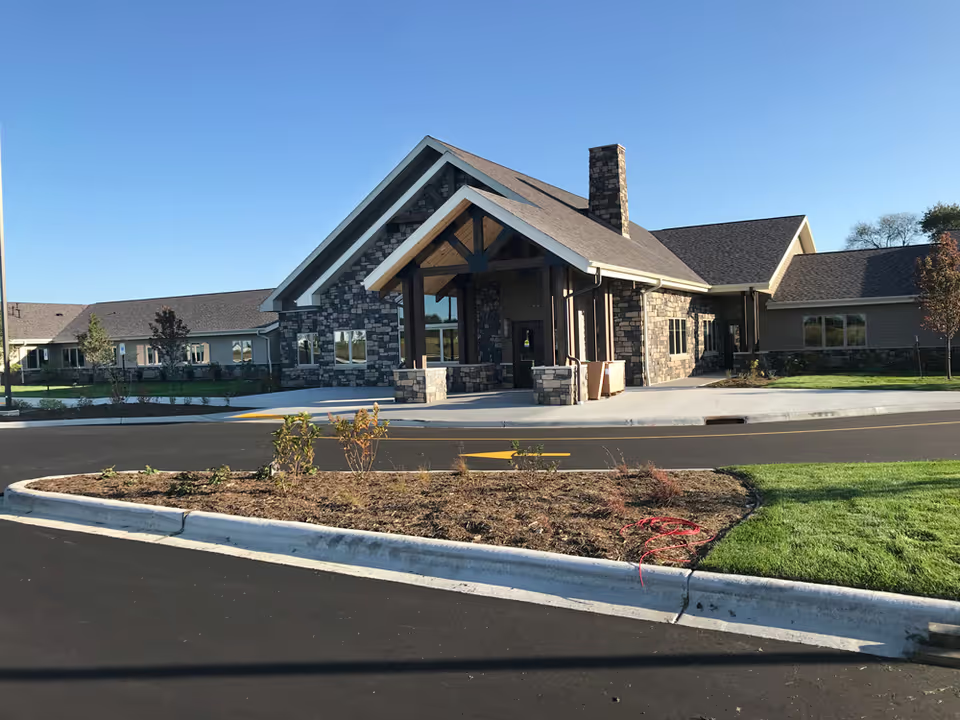
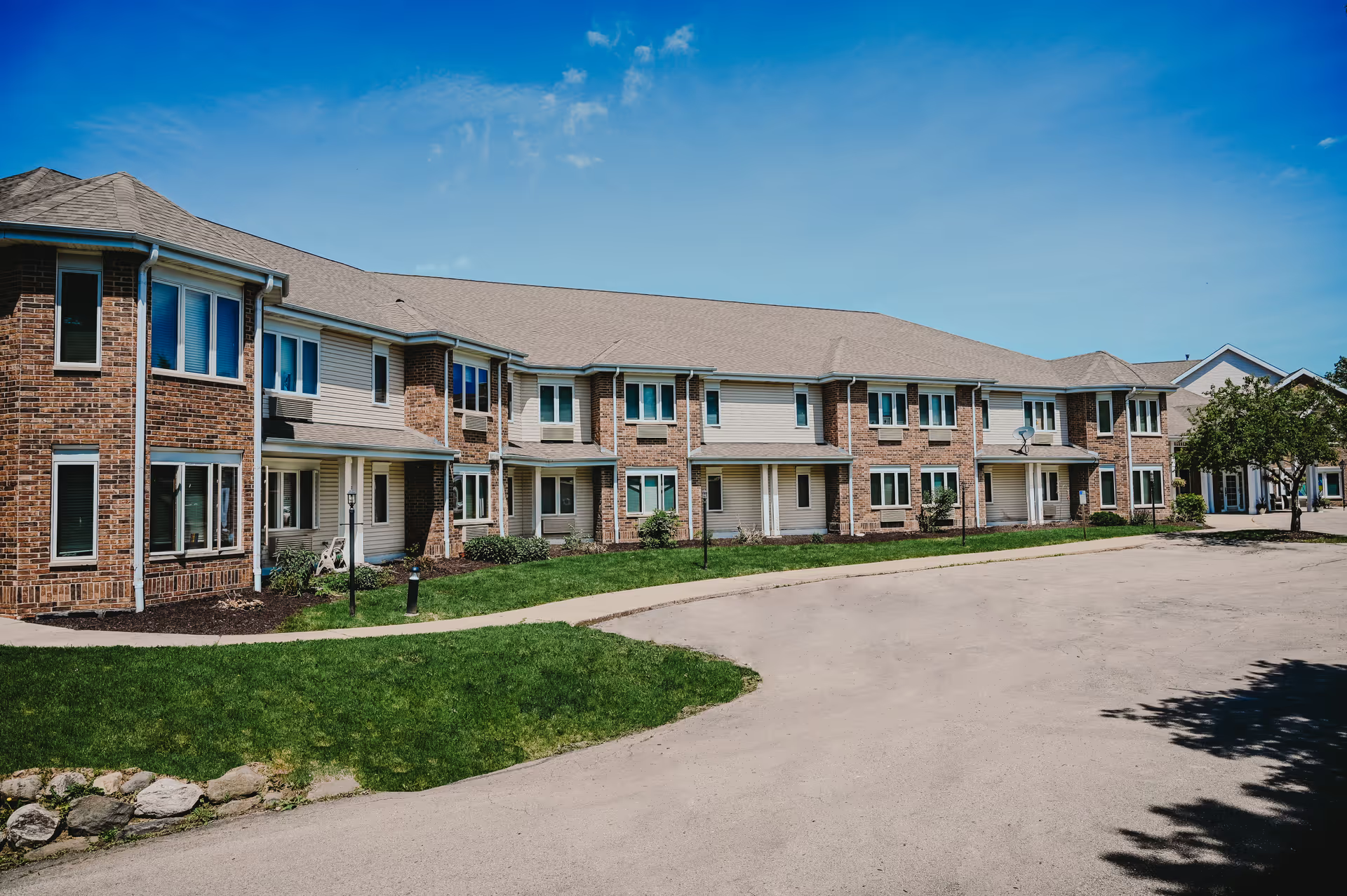
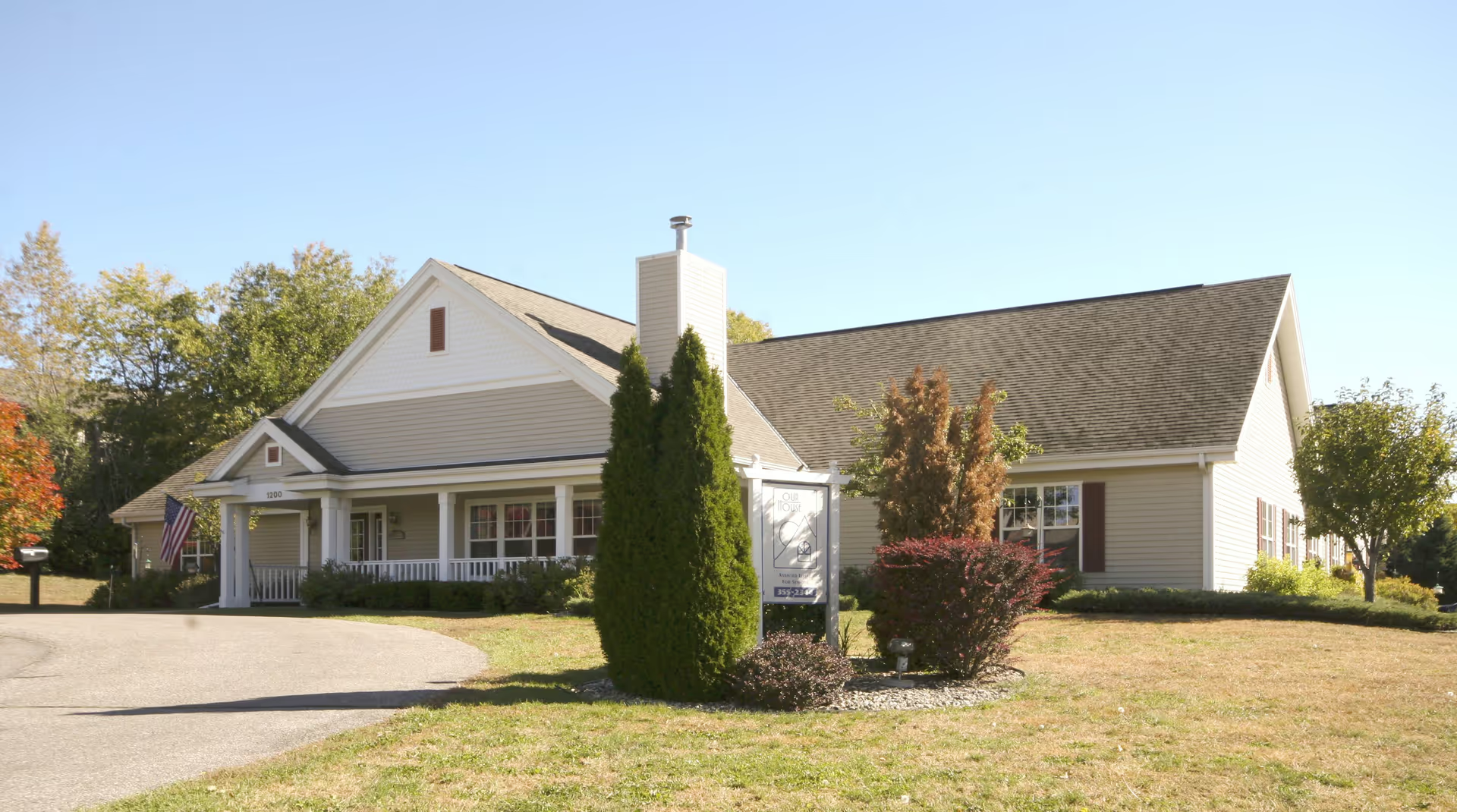
Overall sentiment in the reviews is strongly positive, emphasizing a warm, home-like environment and attentive staff. Multiple reviewers describe the facility as feeling like a home rather than an institution, and repeatedly note a smooth transition for new residents. The small size of the community—around 15 residents—is a consistent theme and is presented as a benefit: it supports close social connections, individualized attention, and an intimate atmosphere that many families and residents appreciate.
Staff and care quality are among the most frequently praised aspects. Reviewers use terms such as supportive, friendly, and wonderful to describe the employees, and several comments indicate that staff helped make moves and transitions easier. That pattern suggests effective admissions support and day-to-day caregiving that leaves families comfortable recommending the facility to others. While the reviews do not provide clinical details, the consistent positive language about staff responsiveness and the smoothness of transitions point to good interpersonal care and operations.
Facility layout and common spaces also receive positive marks. Residents benefit from a shared living room and congregate dining area where games and activities take place, encouraging interaction. Reviewers specifically mention abundant patio space, which is a notable asset for outdoor socializing and fresh-air time. The small size combined with centralized common areas appears to foster a social, active resident culture.
The primary facility-related concern that appears in the summaries is bathroom arrangement and availability. There are no bathrooms inside individual rooms; instead the home has four shared bathrooms, two of which include showers. For a community of about 15 residents, that equates to roughly one bathroom per three to four people. While not presented as an immediate crisis by reviewers, this layout has clear implications for privacy, scheduling of personal care and bathing, and possible waits during busy times. Prospective residents with mobility or privacy needs should evaluate how the shared-bathroom setup would work for them.
Dining is generally described as good, but reviewers point out limitations in variety and freshness. Specific criticisms include a lack of fresh fruit and frequent use of white bread. These are concrete, actionable observations: the kitchen appears capable of preparing satisfying meals but could improve nutritional variety and produce availability. For families concerned about diet, especially for residents with special nutritional needs, this is an area worth discussing with management.
Activities and social life are strengths: the dining room doubles as an activity space with games, and residents are characterized as social. That combination—active programming in shared spaces plus a small population—supports frequent opportunities for engagement. Management and operations earn positive marks through the smooth move-in experiences and the high likelihood that reviewers would recommend the home. The main patterns to watch are the shared-bathroom configuration and some limitations in dining variety. Overall, the reviews paint a picture of a cozy, well-run assisted care home with attentive staff and a strong community feel, with a few manageable areas for improvement around bathroom privacy/access and food variety.