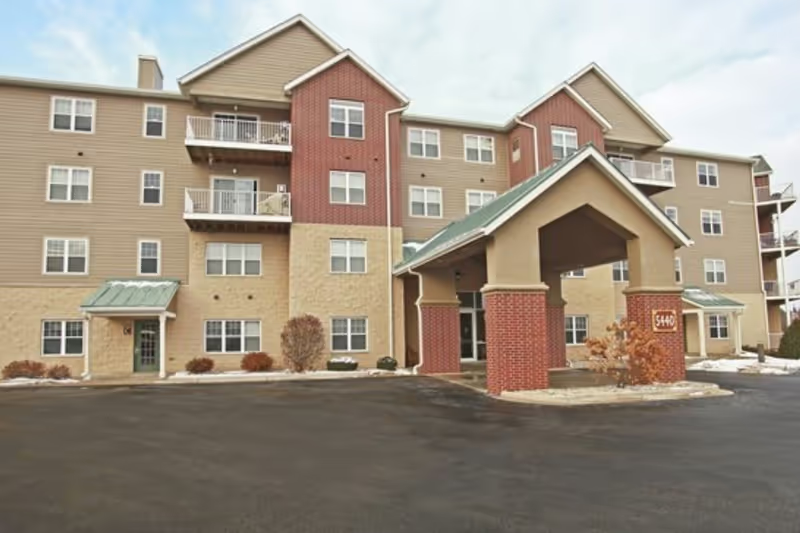
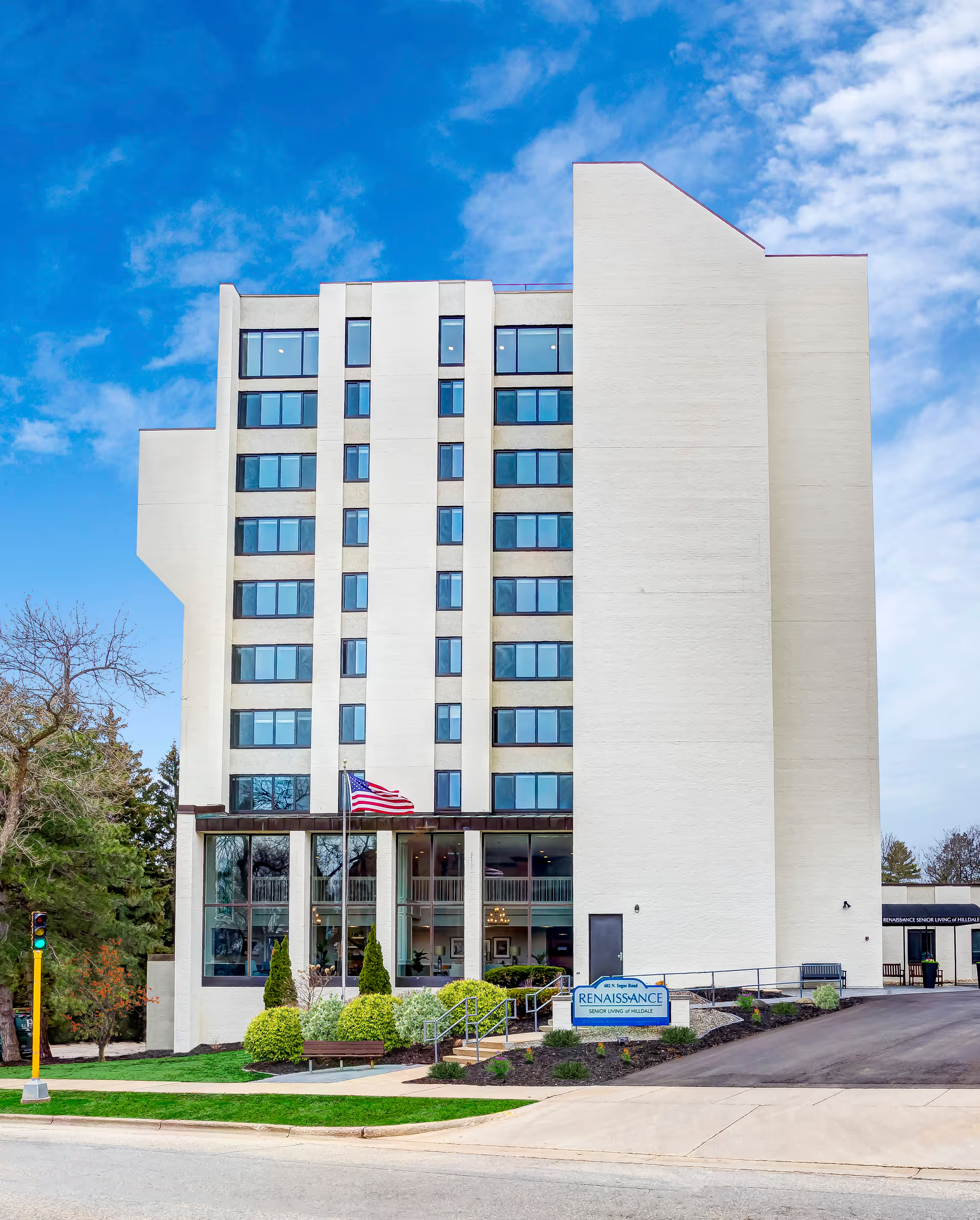
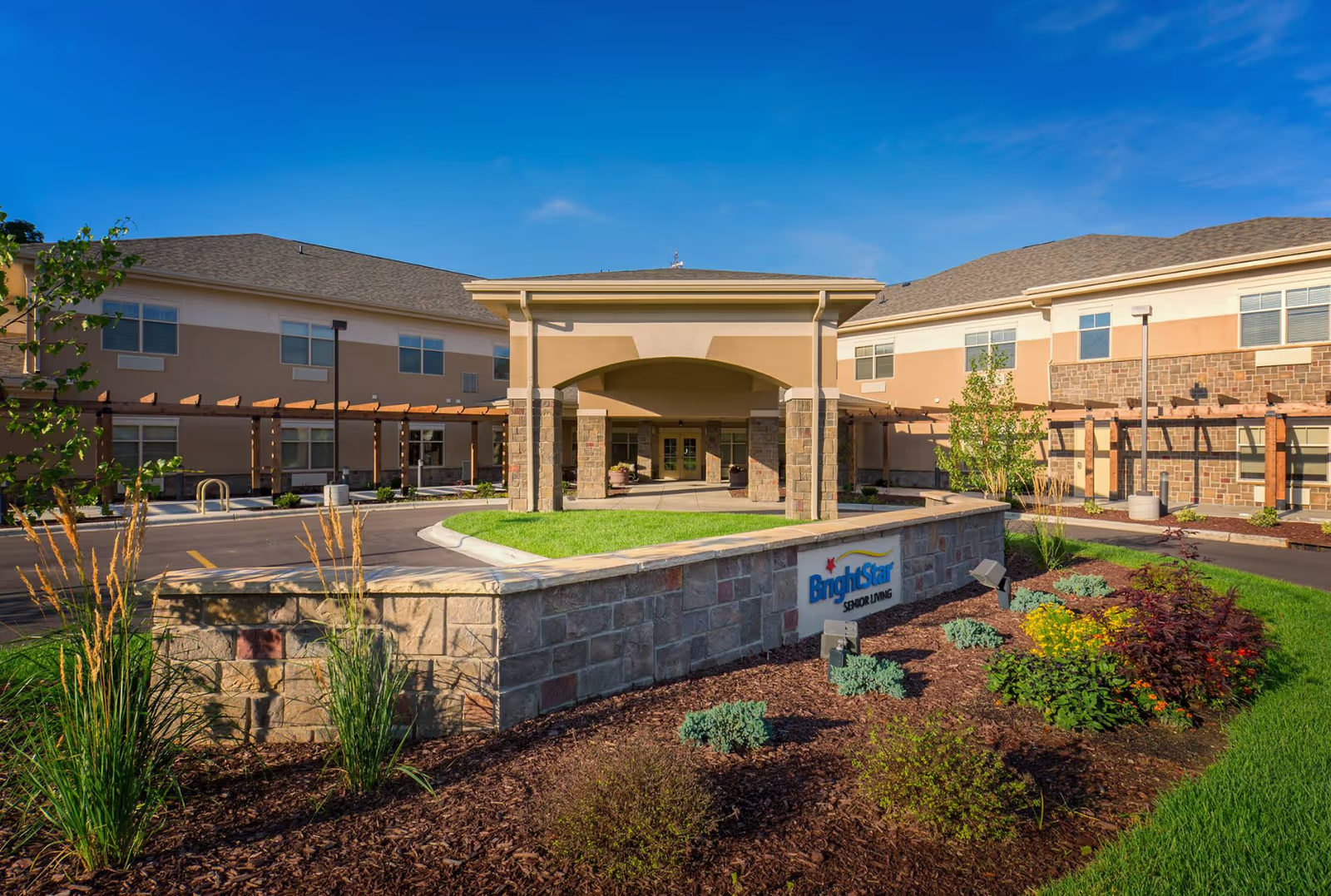
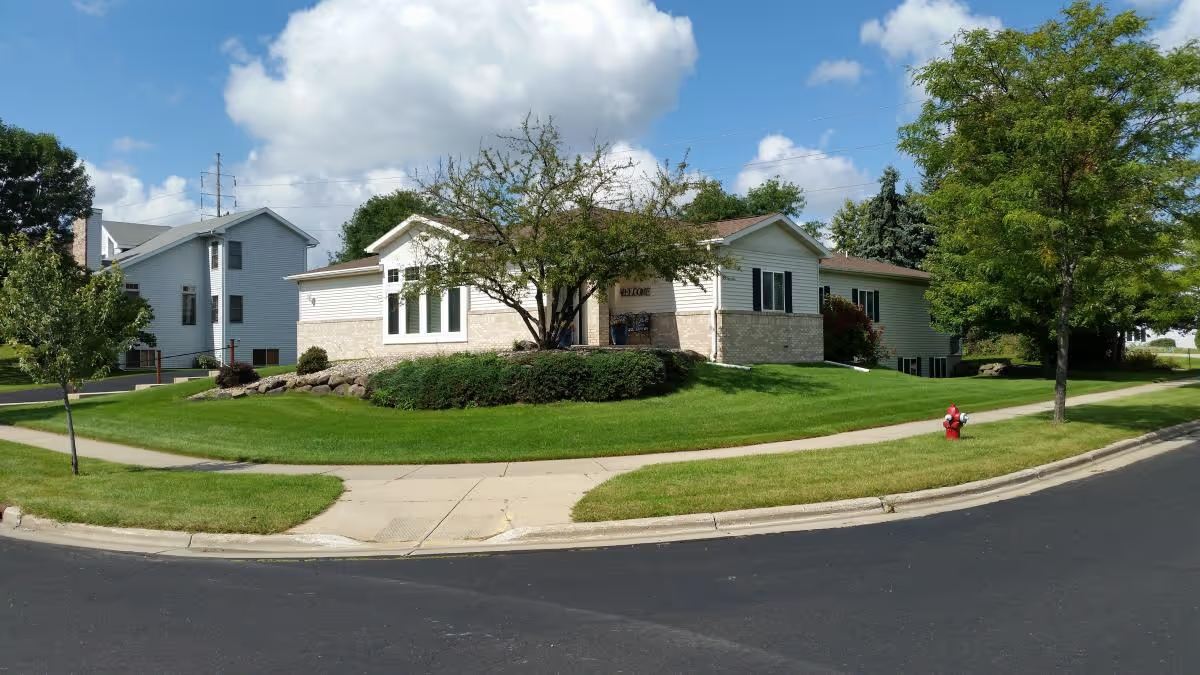
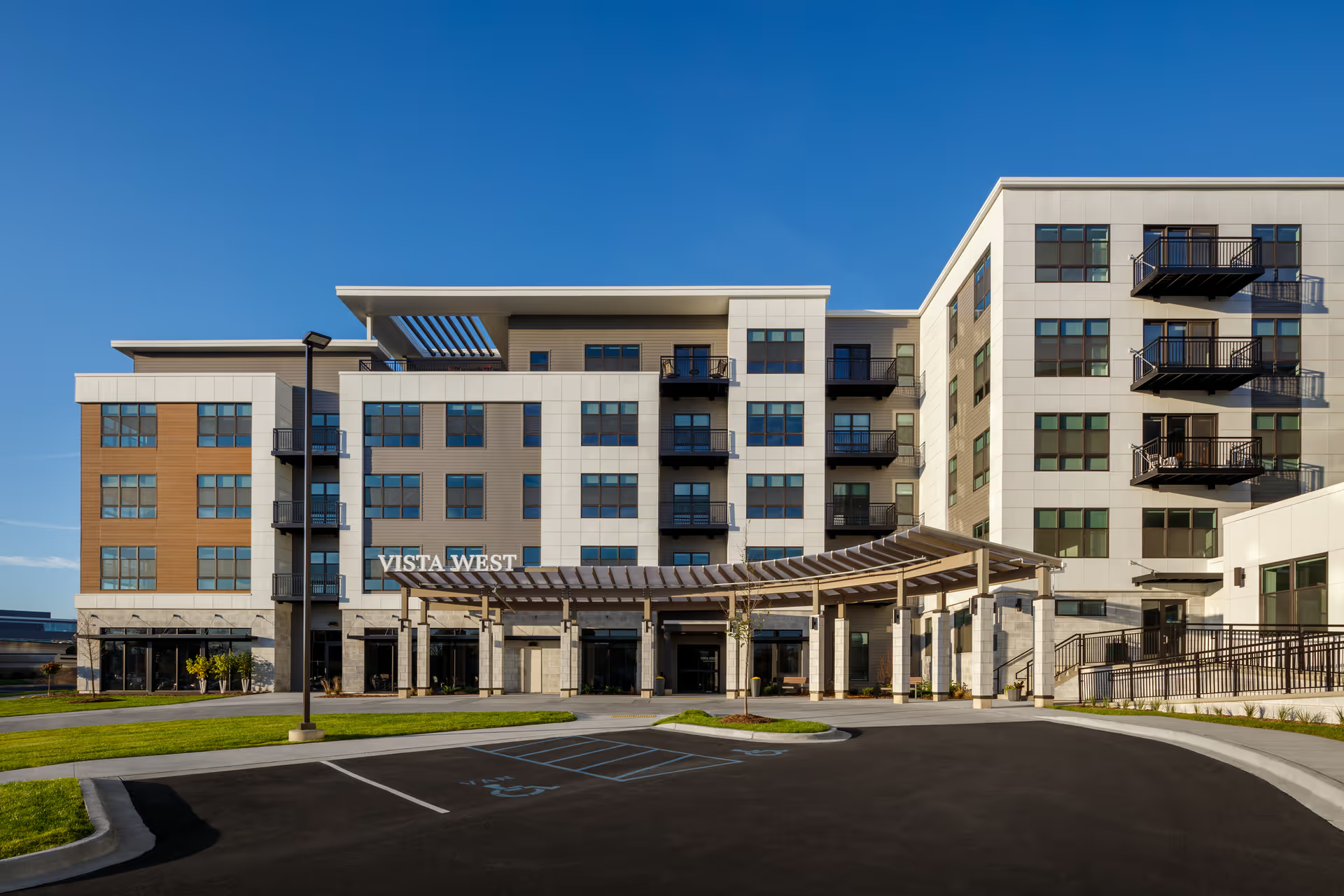
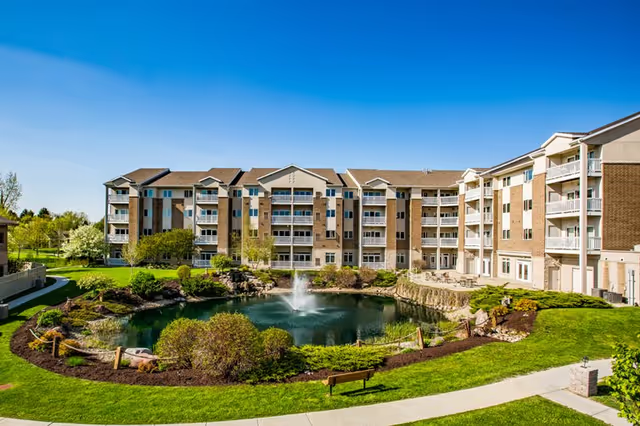
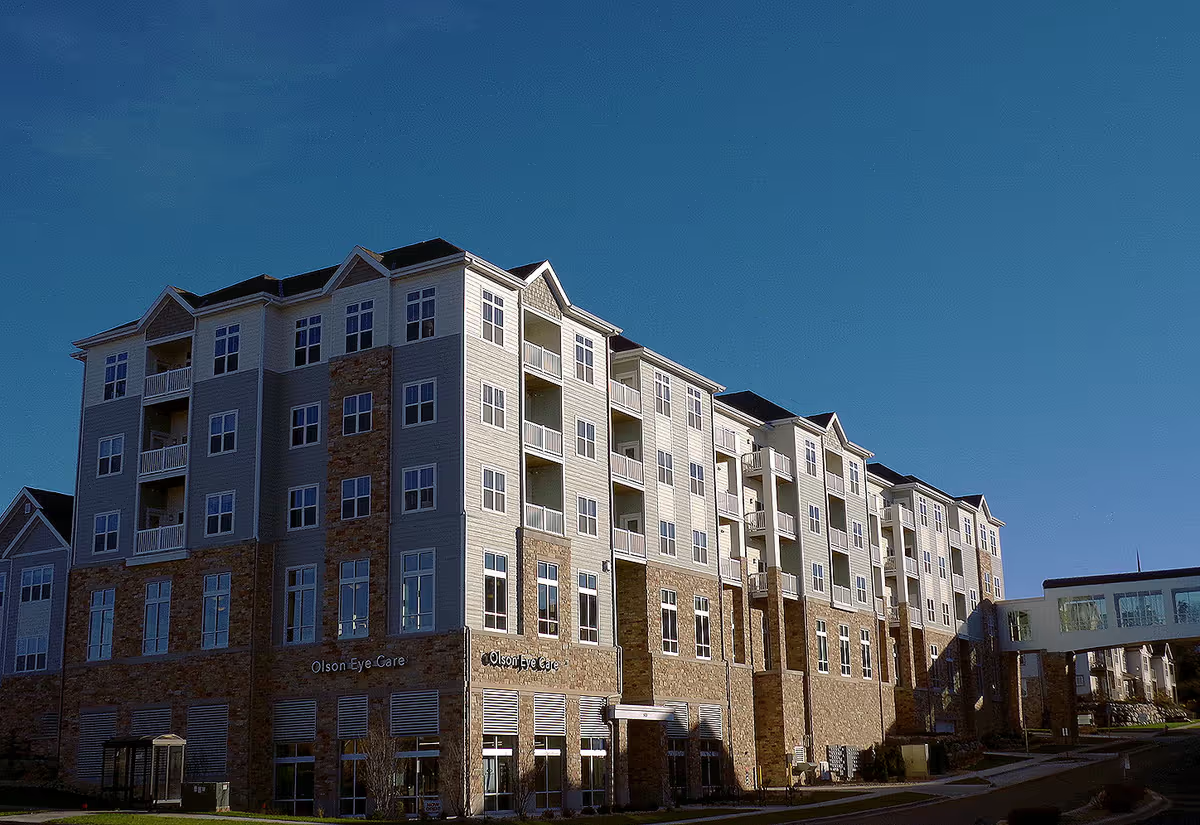
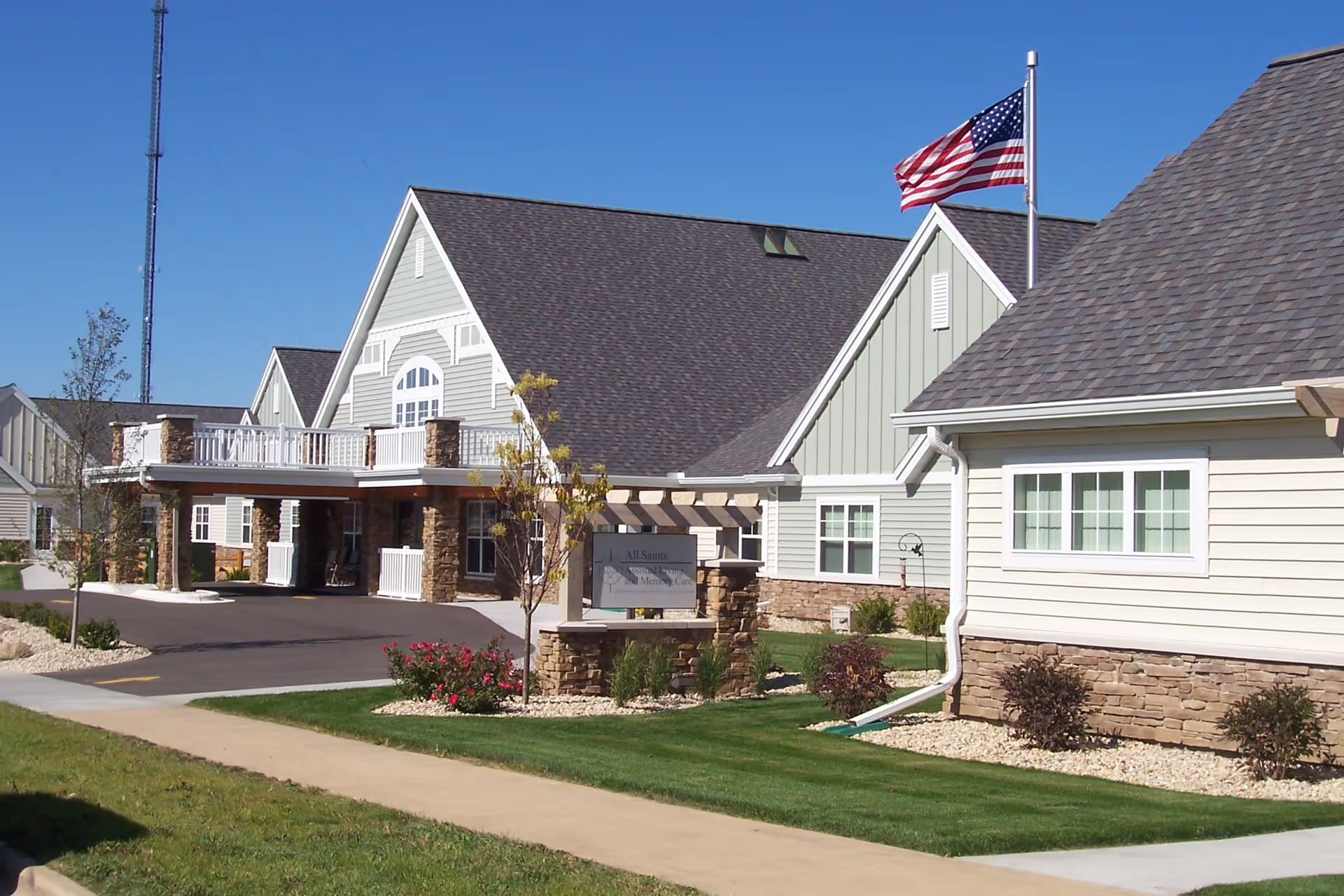
Oak Park Place Nakoma presents a clear split between physical environment and operational consistency. The facility’s campus, recently built and well maintained, is frequently praised: bright lobbies with tall windows, multiple attractive common spaces (library, salon, gym, barbershop, and specialty rooms such as a rathskeller/Orpheum), and generally spacious apartment footprints with adaptive features for mobility aids. Many reviewers highlighted strong rehabilitation services — physical and occupational therapy — and noted that those programs delivered measurable improvement for short-term residents. Several staff members and administrators receive consistent positive mention for being responsive, compassionate, and knowledgeable.
At the same time, a consistent pattern of operational weaknesses appears across reviews. The dominant concern is chronic understaffing and high turnover, which reviewers link to inconsistent caregiver assignments, missed or irregular personal-care tasks (including bathing schedules), delayed responses to call systems, and variable medication administration practices. These staffing issues also affect dining and housekeeping continuity: families describe meal-delivery delays, limited menu adherence, lapses in following dietary restrictions, and inconsistent laundry/room service. Cleanliness of common areas is often rated positively, but room-level sanitation and service reliability show variability.
Dining impressions are mixed. Many residents and families report that food quality can be good and that communal dining is enjoyable; others describe irregular service, reheated meals, or menu limitations and lapses in dietary accommodation. Activity programming and social offerings receive praise in specific areas (music programs, certain activity rooms, and engaged staff-run events), but overall resident engagement is uneven and some families cite limited or infrequent programming for residents with higher care needs.
Management and communication are uneven in reviewers’ accounts. Some families praise individual administrators and front-desk personnel for responsiveness and good follow-through, while others note lapses in care-plan meetings, inconsistent family communication, and promises that were not completed. Clinical oversight concerns — delayed rounding, safety-monitoring gaps, and inconsistent wound or medication follow-up — emerge as operational themes rather than isolated incidents.
For prospective residents and families: the facility’s physical amenities and rehab strengths are clear assets, and many individual staff members provide high-quality, person-centered care. However, documented patterns around staffing levels, staff turnover, and operational consistency have led to variability in day-to-day care, service delivery, and communication. Visitors should ask about current staffing ratios, recent turnover trends, medication-administration protocols, how dietary restrictions are managed, the frequency of care-plan reviews, and what steps management is taking to address staffing and sanitation workflow to understand whether the operational environment matches the expectations set by the facility’s physical appearance and therapy capabilities.