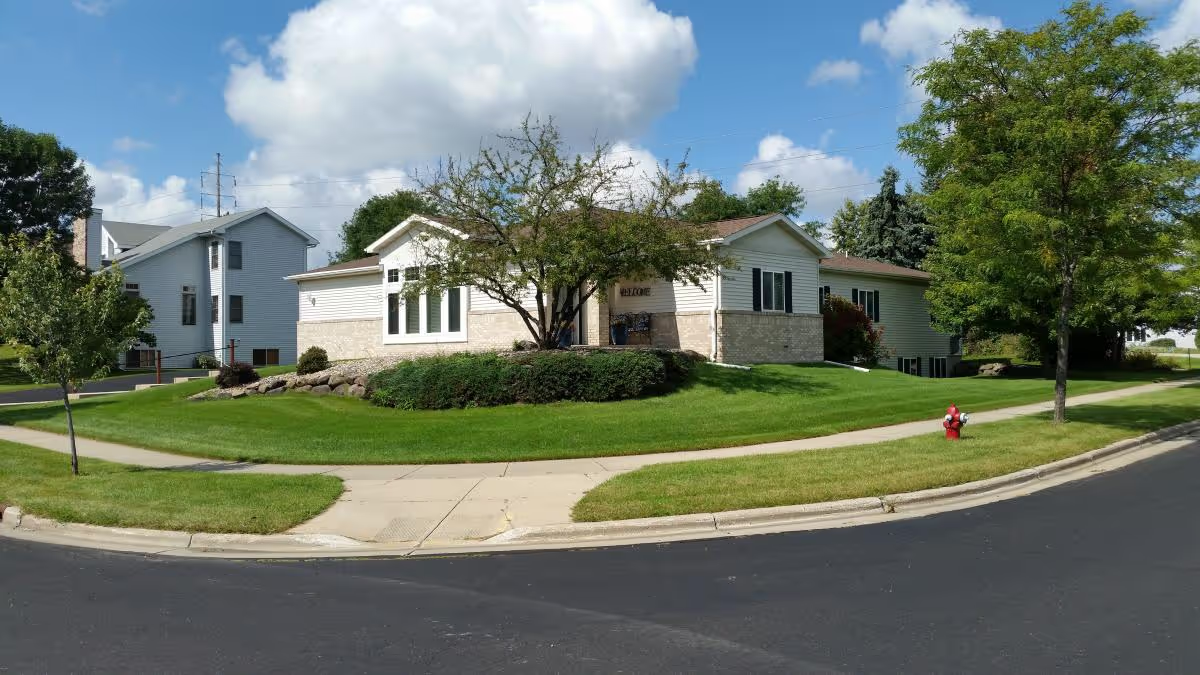
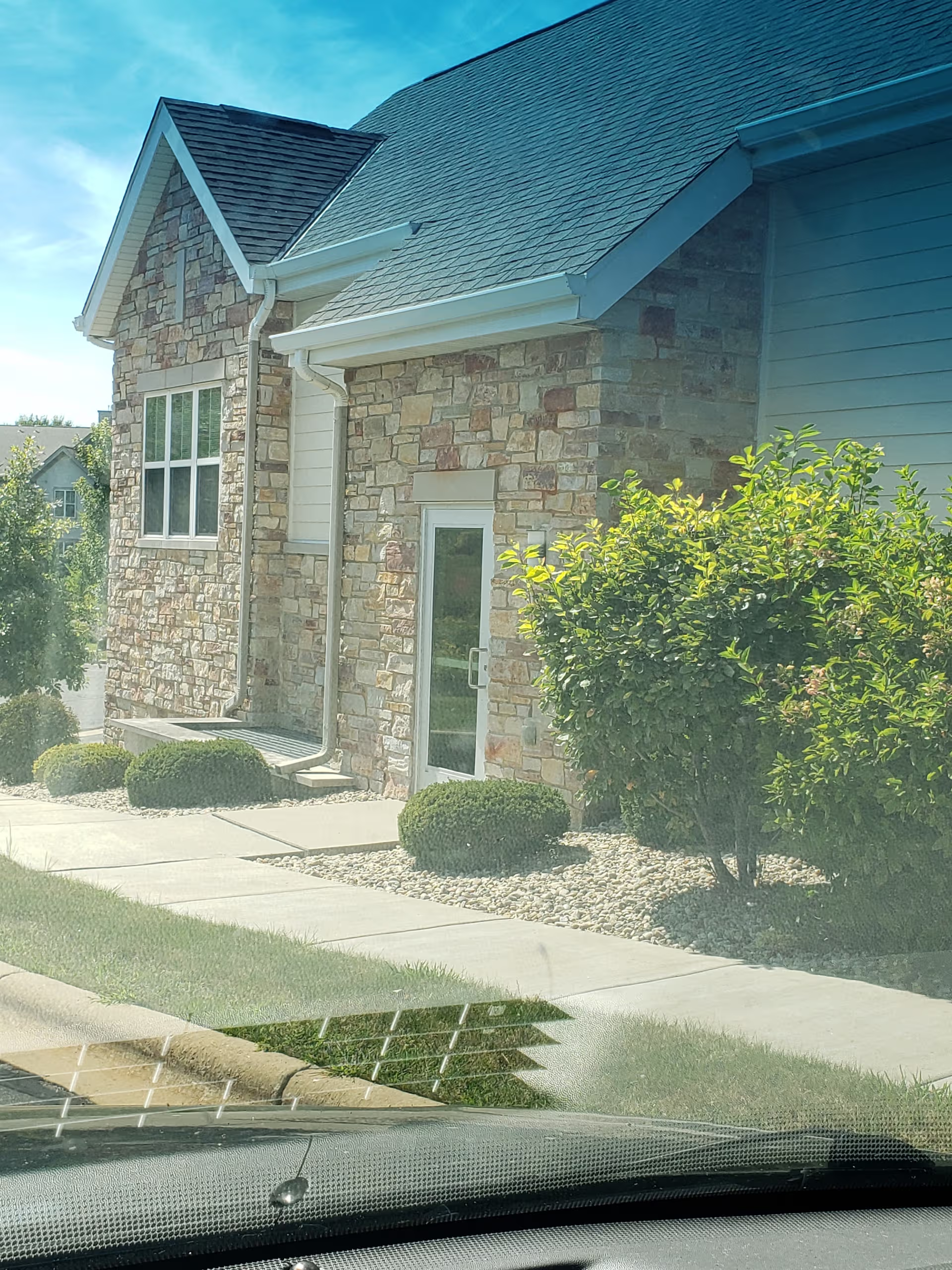
Reviews of St. Mary's Care Center present a generally mixed but instructive picture. Many families and residents praise the facility's clinical strengths: attentive nursing and CNA teams, effective therapy and outpatient rehabilitation, an on-site pharmacy, and staff who provide compassionate end-of-life care. Multiple accounts emphasize a nurturing atmosphere, frequent administrative engagement, and a maintenance staff that keeps the building and grounds well cared for.
The activity program and amenities are consistently cited as strengths. Reviewers highlight a range of stimulating options (writing club, puzzles, bingo, creative events), common-room features such as aquariums and birds, outdoor porches and a gazebo, plus practical conveniences including a hair salon, chapel, and family lounges. These elements contribute to a home-like environment and opportunities for social engagement.
Dining and nutrition receive largely positive remarks—several families described restaurant-style service and meals that meet residents' appetites—though comments about uneven food and beverage quality (including beverage taste) indicate variability in execution. Maintenance and housekeeping are frequently praised for keeping rooms bright and odor-free, but there are intermittent sanitation and follow-through concerns (for example, inconsistent bathing schedules and leftover procedural materials) that suggest occasional lapses in routine completion.
A recurring pattern in the feedback relates to staffing and operational consistency. While many reviewers describe compassionate, professional staff, others report variability in staff attitudes and conduct, heavier reliance on agency nurses, and differences in care quality between shifts. Related operational weaknesses include concerns about medication timing and pain-management practices, delays in responding to call lights and restroom assistance, and gaps in tracking personal items such as hearing aids or dentures. There are also examples of delayed family notification during clinical events; these point to opportunities to strengthen communication protocols and incident-response procedures.
Management and organizational change are additional themes. Several reviewers appreciate visible administrative coordination and individualized care planning, yet others note challenges following corporate or ownership transitions and express concern about privacy practices around recordings. Taken together, the pattern suggests a facility with substantial strengths in clinical capability, activities, and physical environment, paired with operational variability that can affect day-to-day resident experience.
For prospective residents and families, the feedback supports focusing conversations during a visit on current staffing patterns, how the facility manages agency nurse coverage and shift handoffs, medication and pain-management protocols, personal-item tracking, and usual timelines for family notification after clinical events. Those areas appear most likely to explain differences between the very positive experiences and the more critical ones described in the reviews.