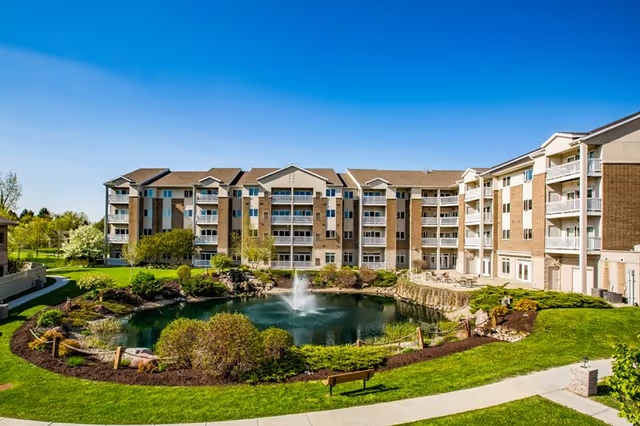
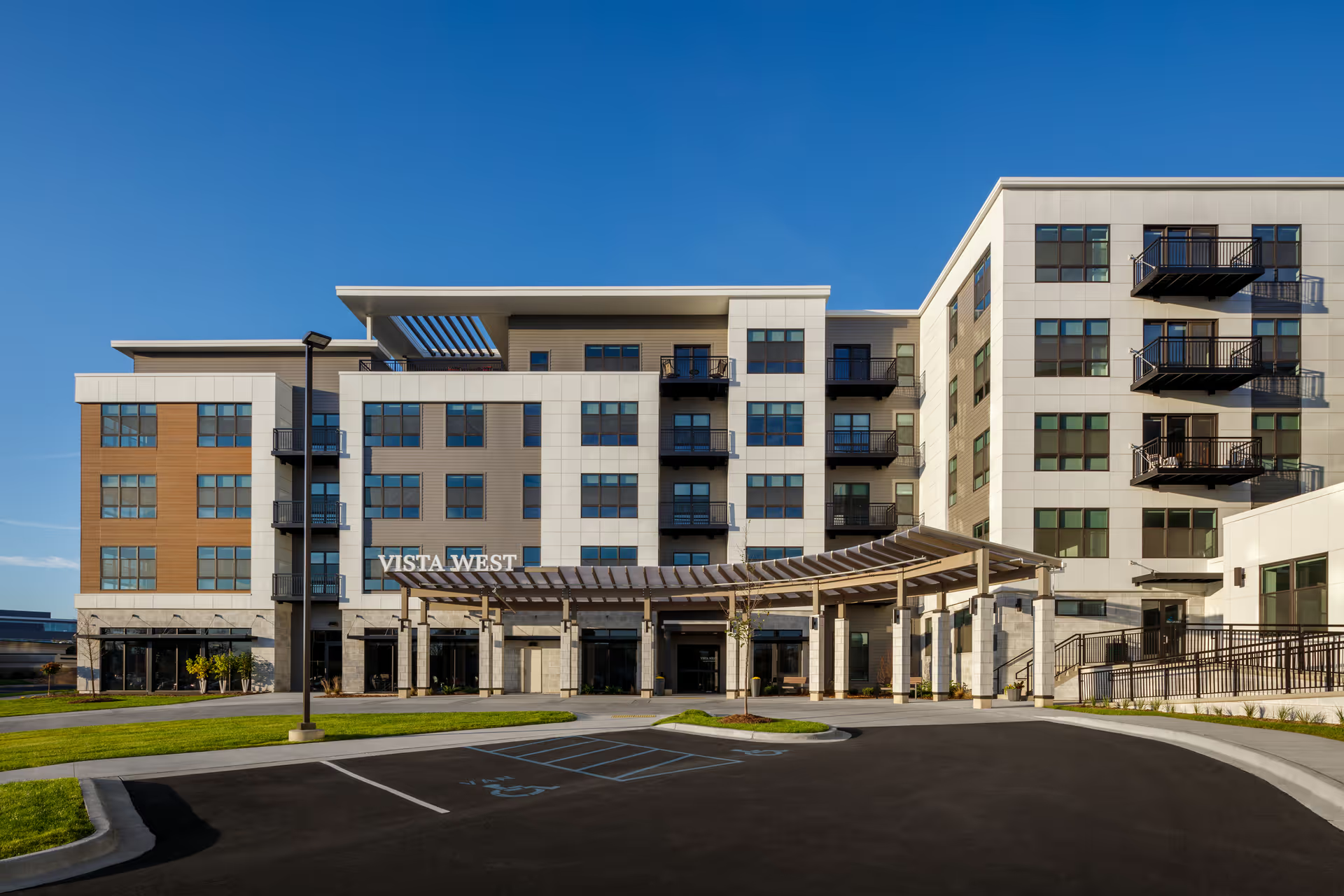
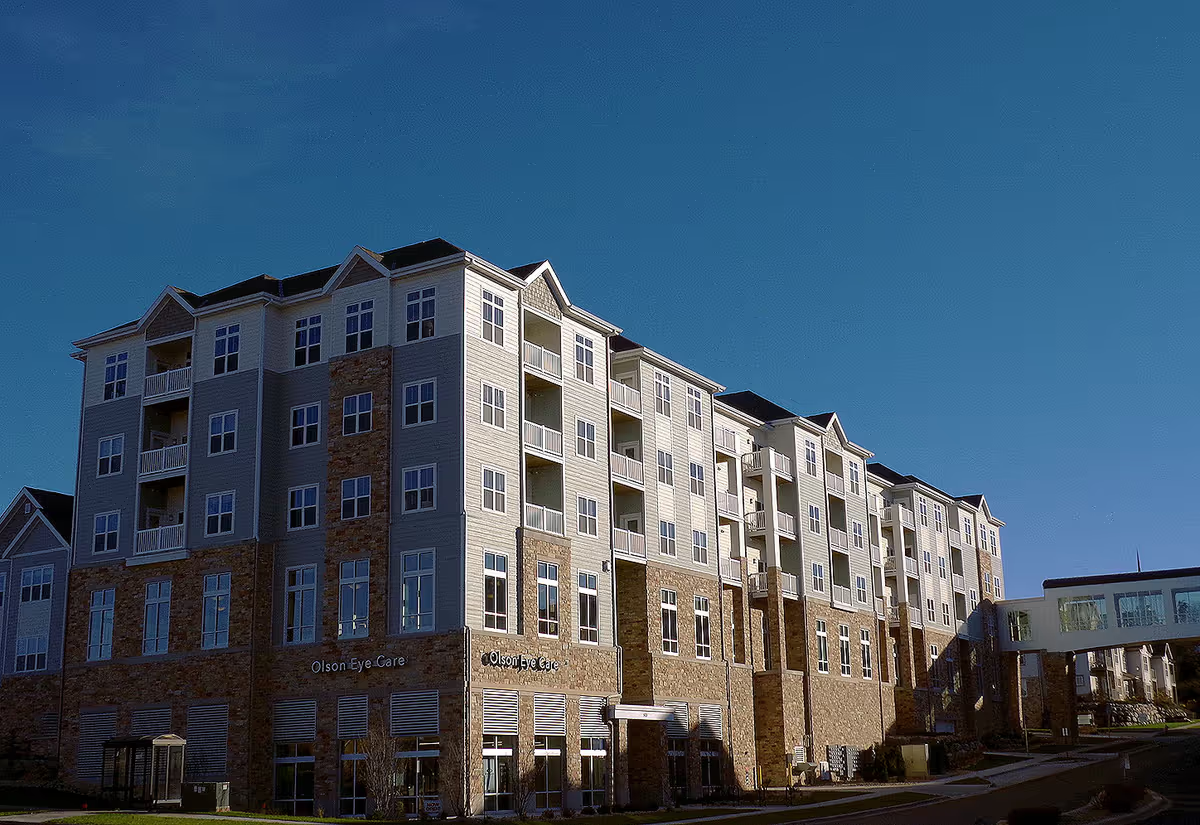
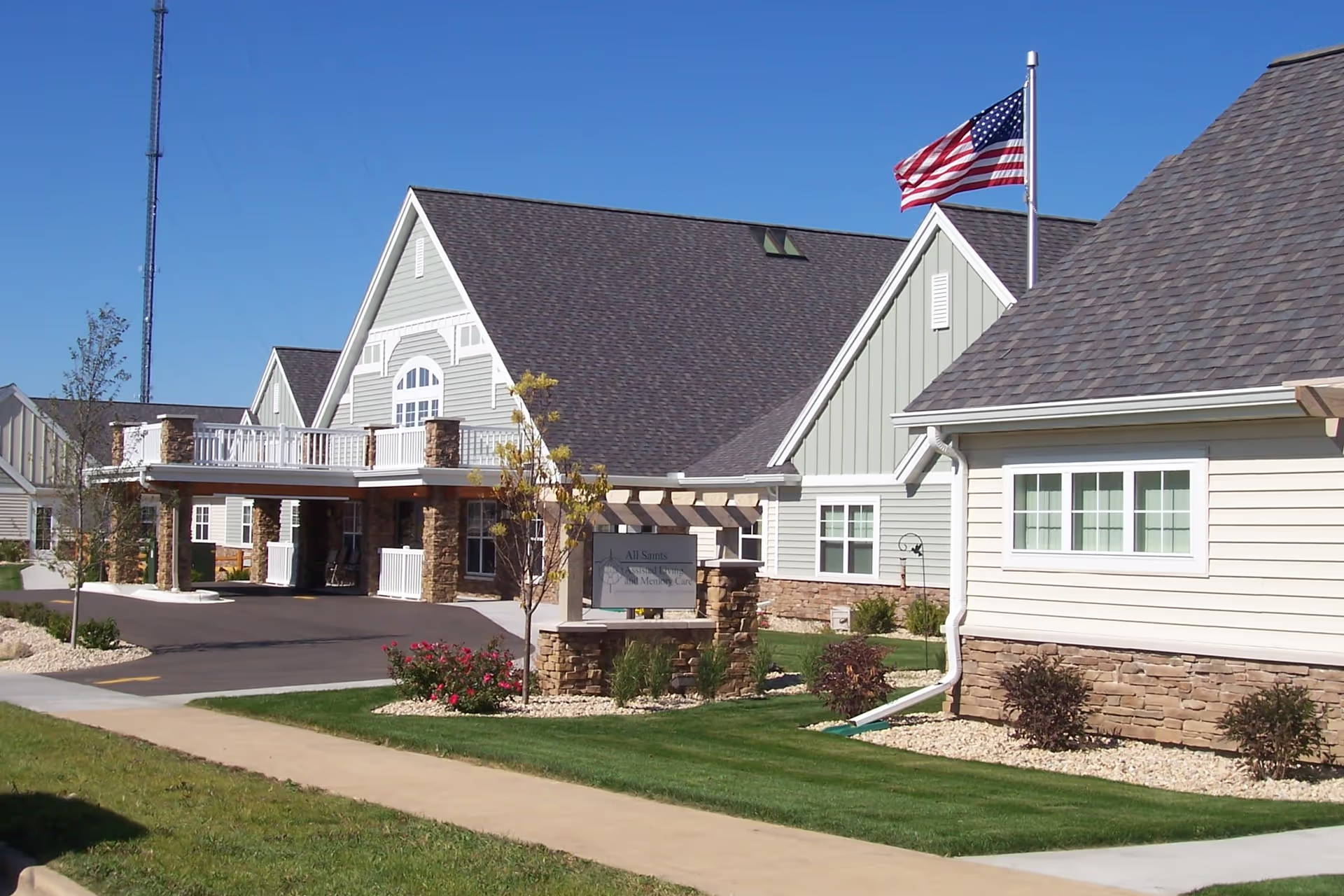
Reviews describe a facility with clear strengths in personal attention, dining, and environment, paired with persistent operational challenges. Many families praised the staff’s compassion and respectful interactions, noting individualized dementia-focused care, support for hospice and end-of-life planning, and active efforts to mobilize and adjust care plans. The community’s small, home-like scale, bright private rooms with en-suite bathrooms, well-kept grounds, and large common areas or cozy parlors were frequently cited as helping residents feel comfortable and known.
Care quality is portrayed as uneven. Numerous accounts highlight attentive, well-trained caregivers who provide thoughtful dementia communication and one-on-one engagement. At the same time a pattern of chronic understaffing and high turnover was reported, which reviewers linked to gaps in supervision, delayed responses to resident needs, and variability in care consistency. Several reviewers raised concerns about medication-management clarity and clinical oversight; while some families experienced effective follow-through from administrators, others found management harder to reach or inconsistent in communication.
Dining is a commonly noted positive: many reviewers described appealing, largely scratch-prepared meals with accommodations for allergies and swallowing issues, and an attentive kitchen staff. However, there are contrasting comments about meal continuity and freshness—some households encountered frozen items or a desire for fresher produce. Prospective residents may want to observe mealtimes and ask about dietary substitution practices and medication timing around meals.
Programming and social opportunities exist and can be meaningful in this small setting—entertainers, bingo, exercise, and individualized activities were mentioned. Conversely, activity availability and participation appear inconsistent: some residents thrive on the offerings while others experienced limited programming or variable engagement depending on staffing and scheduling. The facility’s size supports personalized interactions but may limit breadth and frequency of group events.
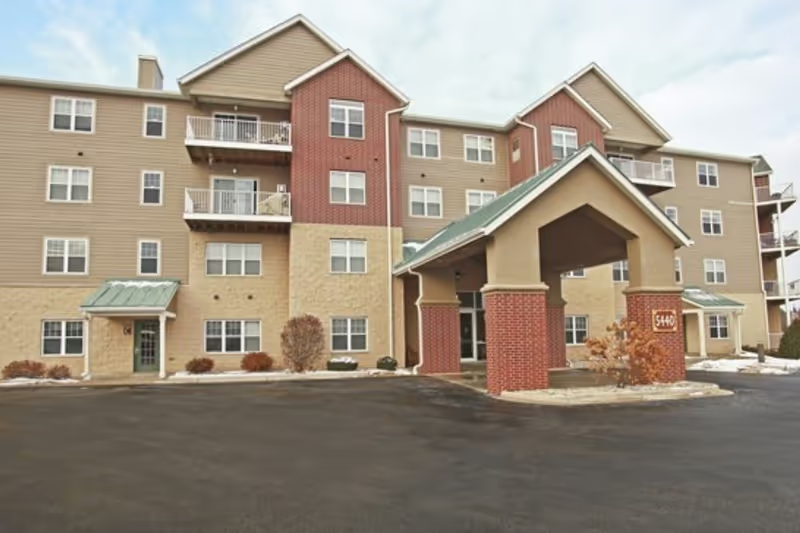
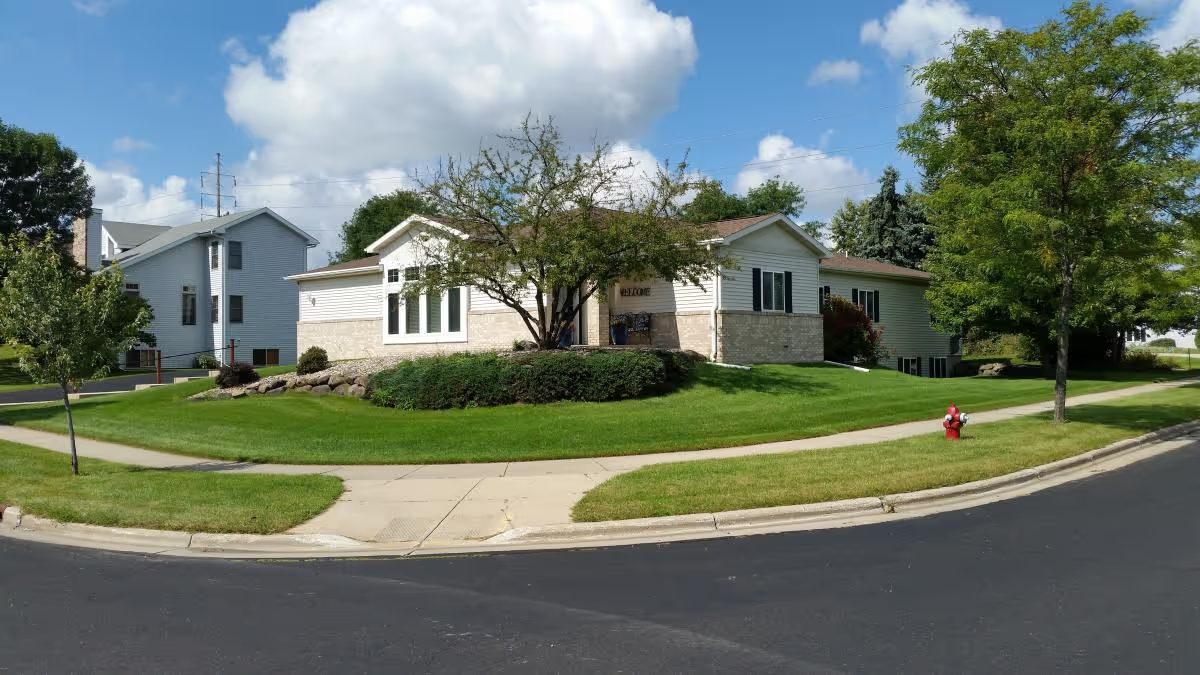
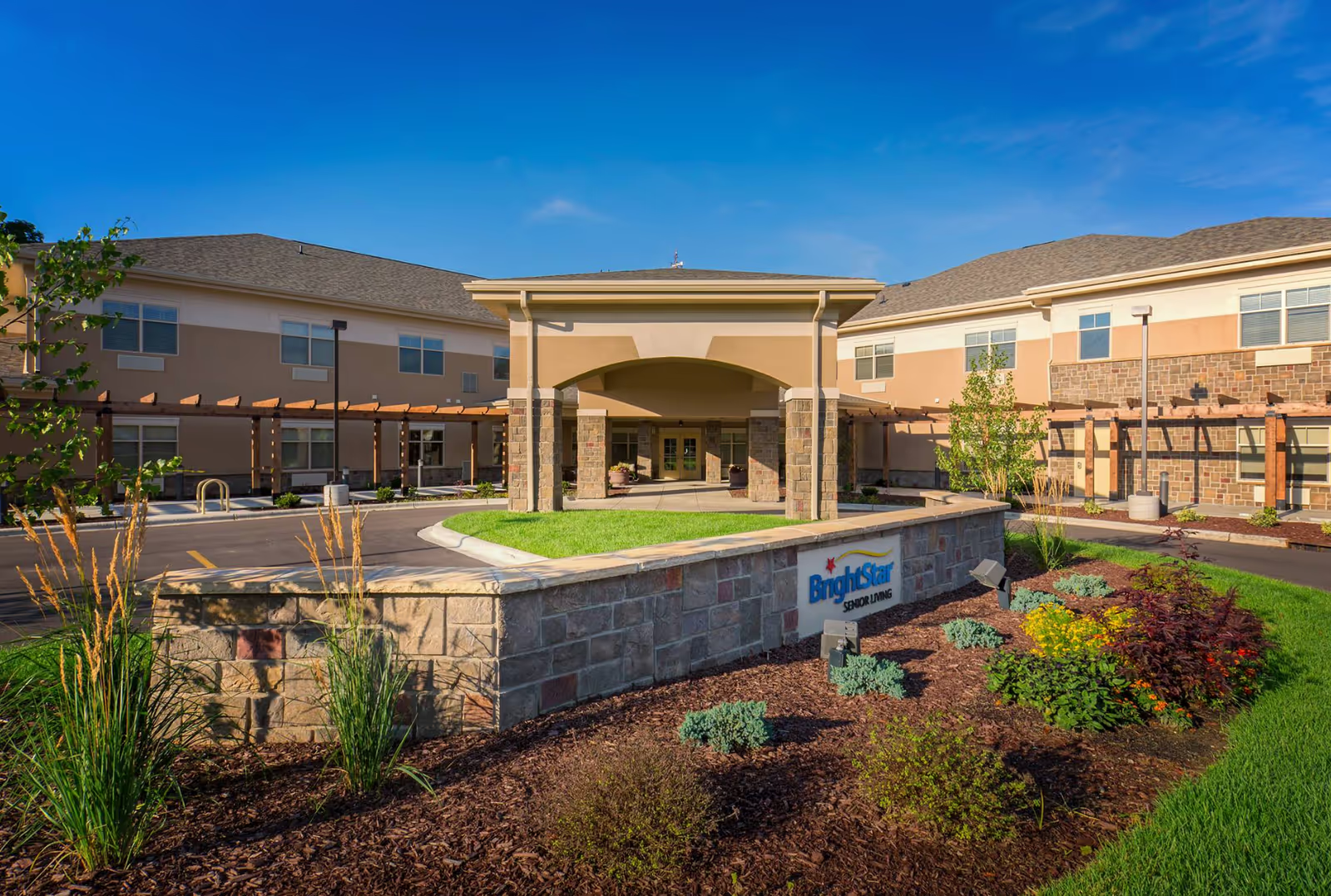
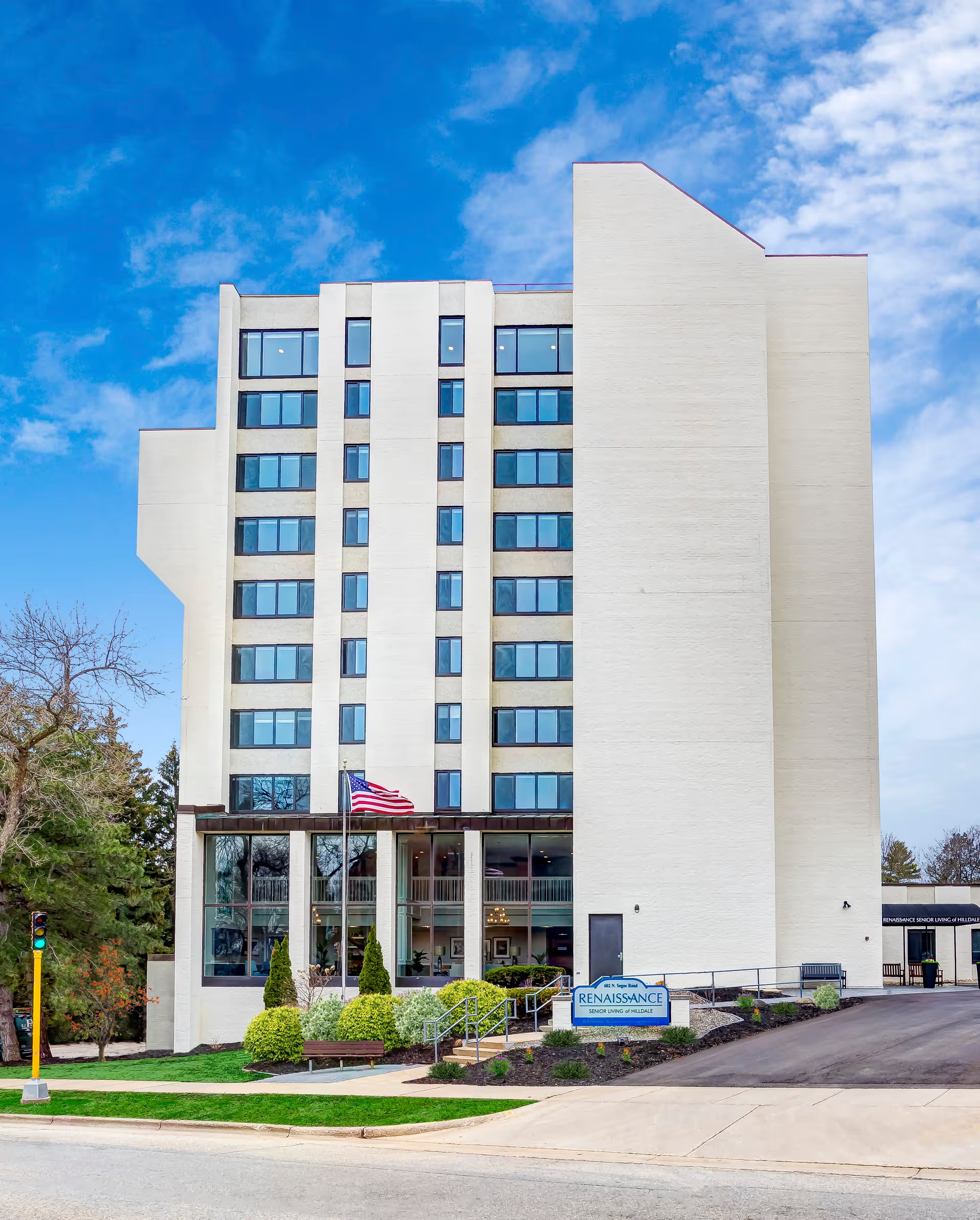
Facility condition and amenities are generally described positively: clean interiors, attractive common spaces, and a layout that many families found comfortable. A few practical limitations were noted, including occasional housekeeping lapses, variability in unit-specific conditions (e.g., a window issue in one unit), a studio-room-focused inventory, and some cramped communal areas. Operational constraints such as lack of medical-transport services and restricted payer options (no Medicaid acceptance) were also mentioned and may affect suitability for some families.
Management and operations present a mixed picture. Several reviewers commended administrators for smooth transitions and responsiveness during move-in, transparent pricing, and an apparent focus on resident comfort. Others reported variable accessibility of leadership, concerns about staffing levels and training, and questions about clinical oversight and regulatory compliance. A few reviews raised sanitation and infection-event outcome concerns; while these accounts appear to be individual instances, they underscore the importance of confirming current staffing ratios, infection-control policies, and housekeeping protocols.
Overall, Sylvan Crossings of Fitchburg appears to be a small, well-maintained community with strengths in personal, dementia‑focused care, food quality, and a home-like atmosphere. Prospective residents and families should prioritize on-site assessments of staffing coverage (including overnight), observe mealtime and activity rhythms, review medication-management and clinical oversight procedures, and confirm payer and transportation options to determine fit with individual care needs.