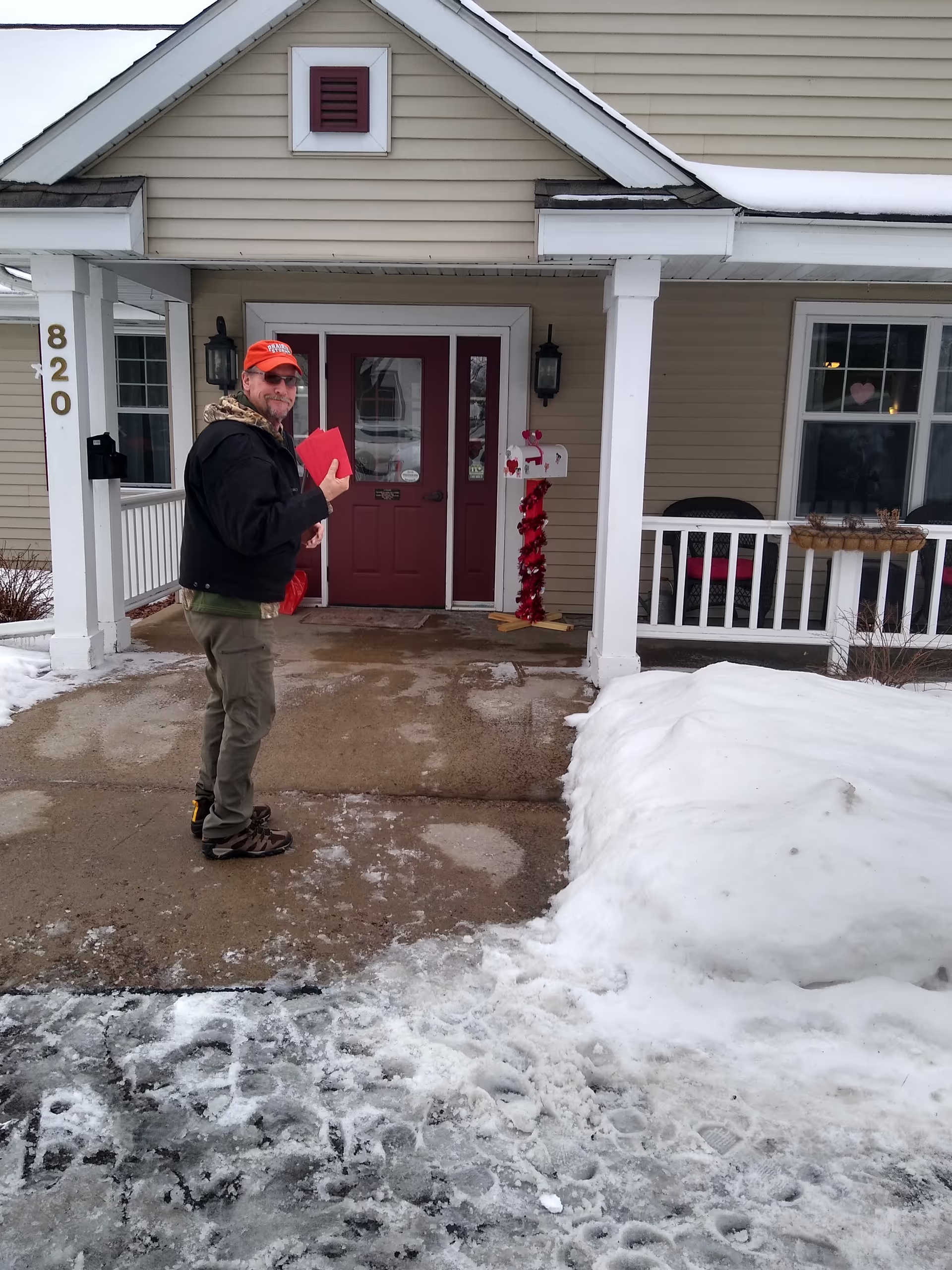
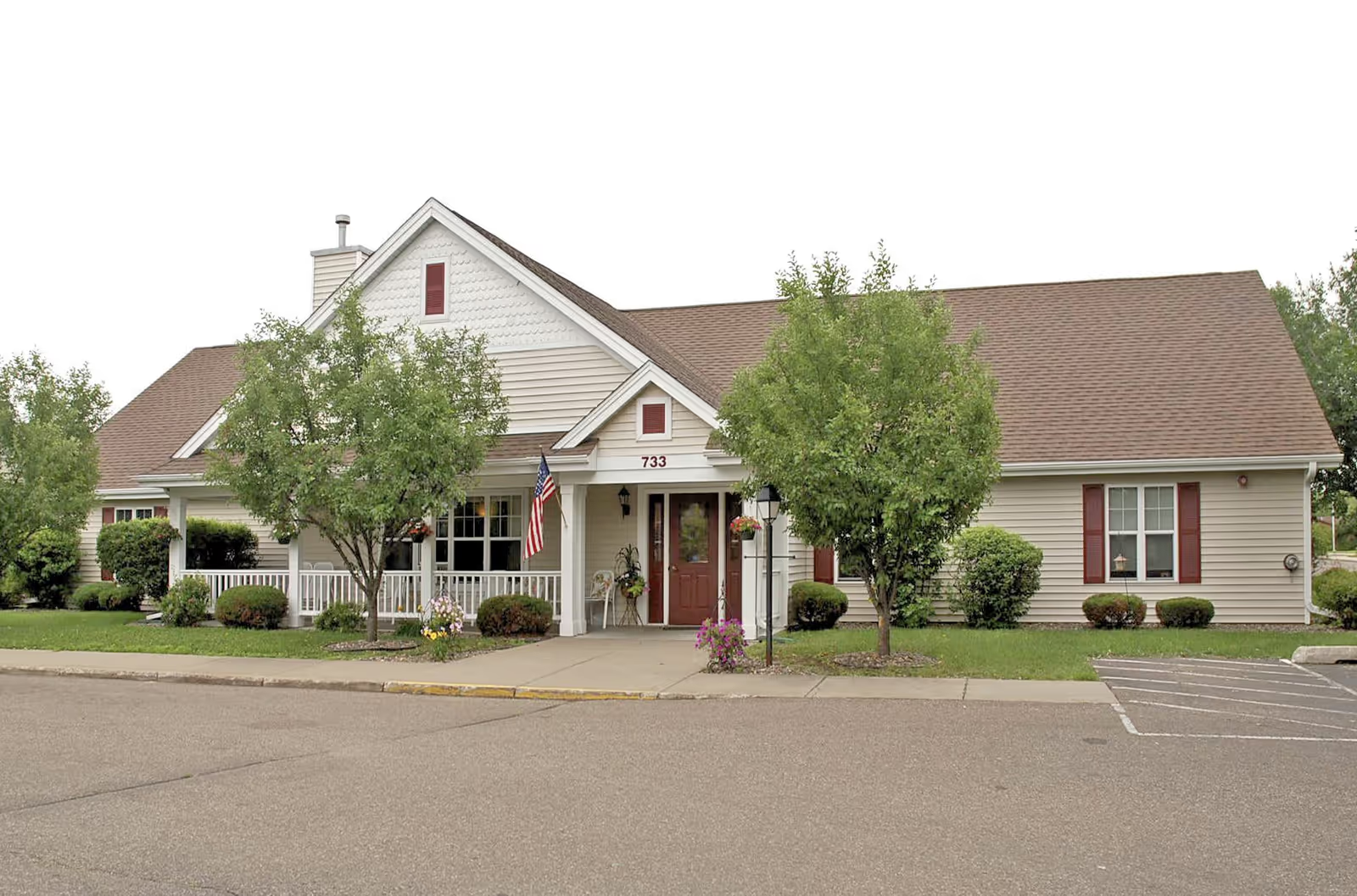
Overall impression: Reviews indicate that The Neighbors of Dunn County delivers a high level of hands-on, person-centered care at the staff level. Many accounts emphasize compassionate, skilled caregivers and licensed nurses, long-tenured CNAs, and an engaged social-work presence that supports families and transitions to hospice. The facility’s small-house or neighborhood layout and central kitchen contribute to a home-like atmosphere; reviewers frequently note homestyle meals, a welcoming setting for visitors, and a sense that residents are treated with dignity and respect.
Care quality and staff: The dominant positive theme is the quality of direct care. Caregivers are commonly described as kind, respectful, and attentive, with examples of strong family communication and effective therapy coordination. Several families highlighted smooth hospice transitions and staff willingness to support families during end-of-life care. At the same time, a subset of reviewers raised serious concerns about clinical responsiveness in specific situations—again framed as gaps in timely pain management and in how certain incidents were handled. These are not the prevailing impressions, but they are significant enough that prospective families should ask about clinical oversight, pain-management protocols, and incident-investigation procedures during a tour.
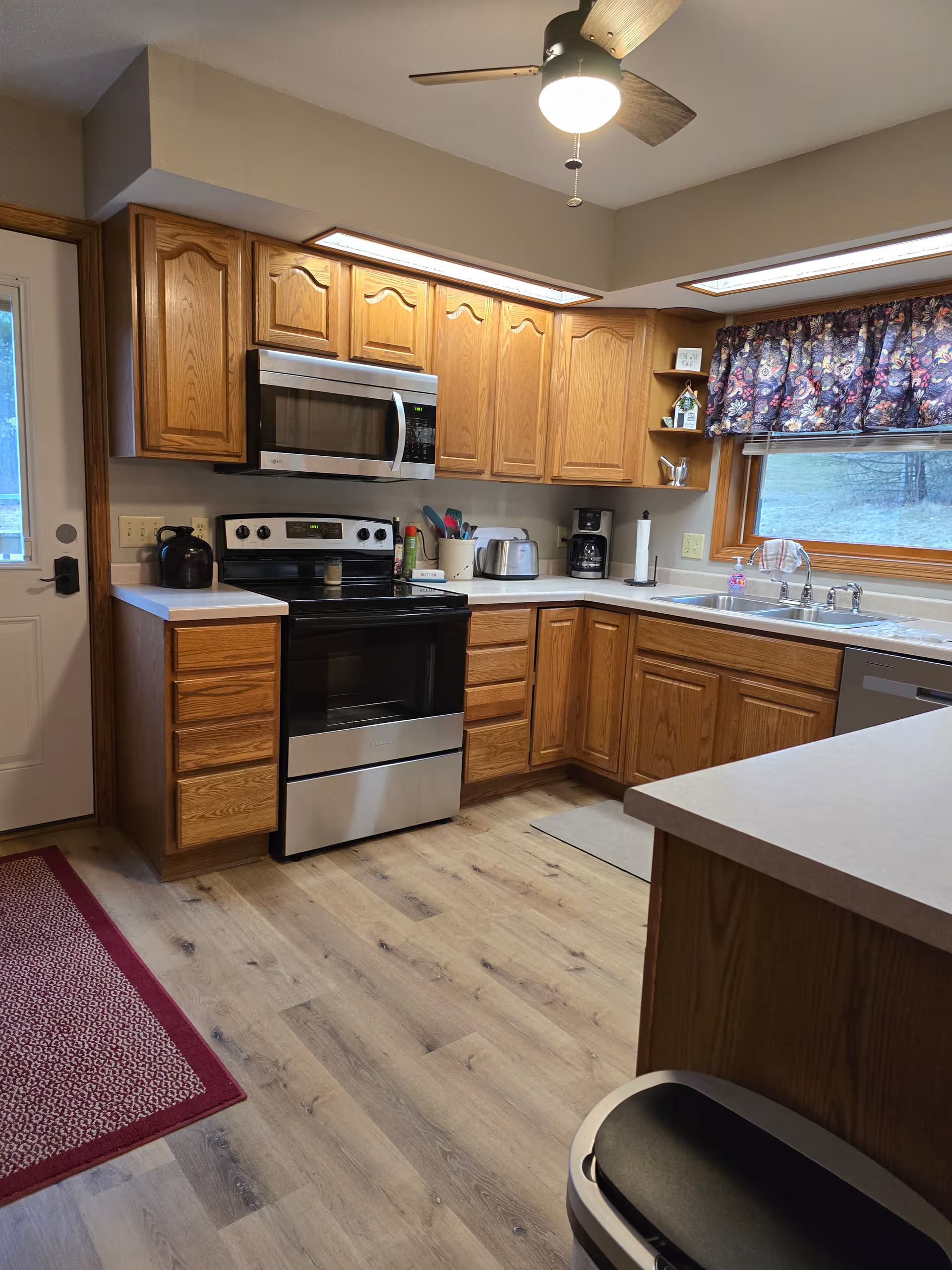
Dining and activities: The central kitchen and small-house concept are frequently praised; meals are described as homelike and comforting rather than institutional. The physical arrangement supports a neighborhood feel that many families appreciated. There is less specific commentary about a formal activities program in these summaries, but positive notes about therapy services and staff engagement suggest rehabilitation and social support are available and effective for many residents.
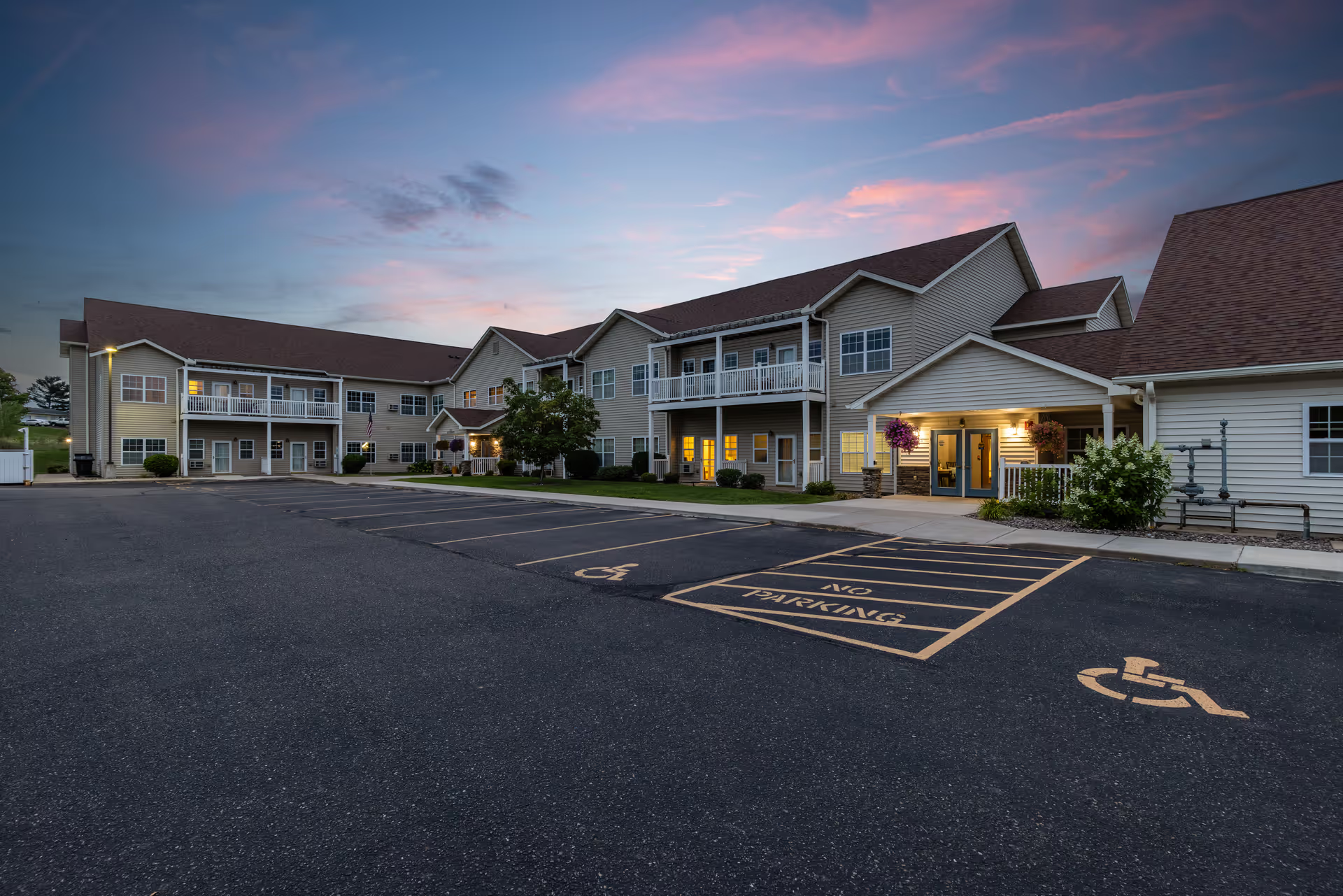
Facilities and cleanliness: Many reviewers describe clean, odor-free interior spaces and well-kept common areas. However, there are also mentions of deferred maintenance tied to tight budgets and at least one sanitation/pest-control concern. The pattern suggests routine housekeeping is generally satisfactory, while capital-maintenance and pest-control issues may be intermittent and linked to facility funding constraints. Prospective families should inspect building condition and ask about recent maintenance work and pest-control records.
Management and operational patterns: Reviews present a mixed picture of leadership. On one hand, families praised communication and the social worker’s involvement; on the other hand, several comments indicate workforce morale problems, claims of management inaction, and concerns about staff workload and compensation. These operational pressures are described as creating environment-level risks: understaffing, high CNA workloads, and expectations that may stretch safe task allocation. Some reviewers also reported inconsistent transparency when incidents occurred. Those are operational traits worth investigating—ask management about staffing ratios, retention initiatives, and formal procedures for incident reporting and family notification.
Notable patterns and guidance for families: The strongest, most consistent strengths are the interpersonal qualities of direct-care staff, the homelike dining and living atmosphere, and support during care transitions. The primary facility-level weaknesses center on deferred maintenance, staffing/ morale pressures, and occasional lapses in clinical responsiveness or incident follow-up. If you are considering The Neighbors of Dunn County, plan an in-person visit focused on (1) observing staff–resident interactions, (2) asking for current staffing ratios and turnover statistics, (3) reviewing maintenance and pest-control logs, and (4) requesting the facility’s protocols for pain management and incident communication with families. These targeted questions will help reconcile the generally positive caregiver reports with the more serious operational concerns noted by a minority of reviewers.