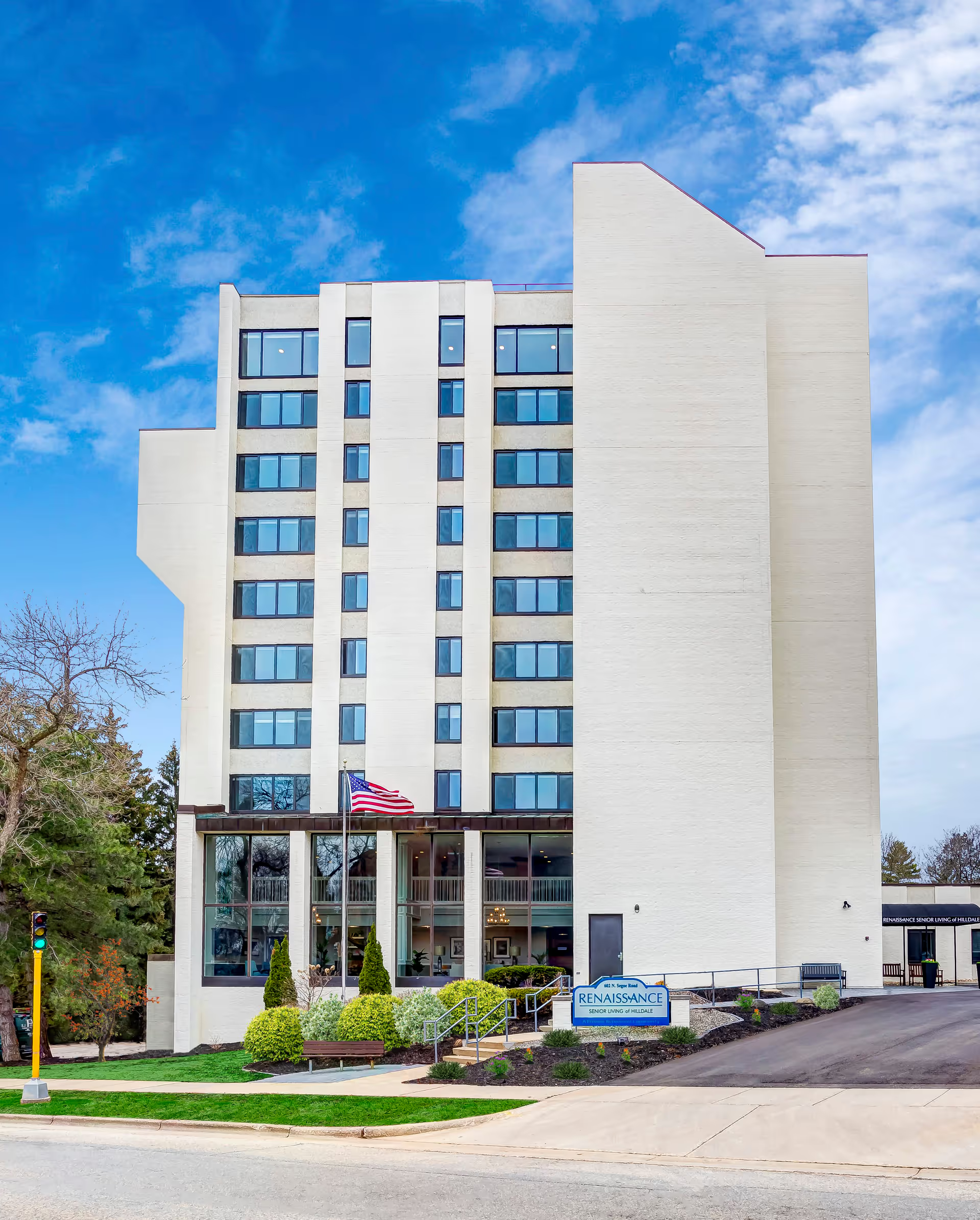
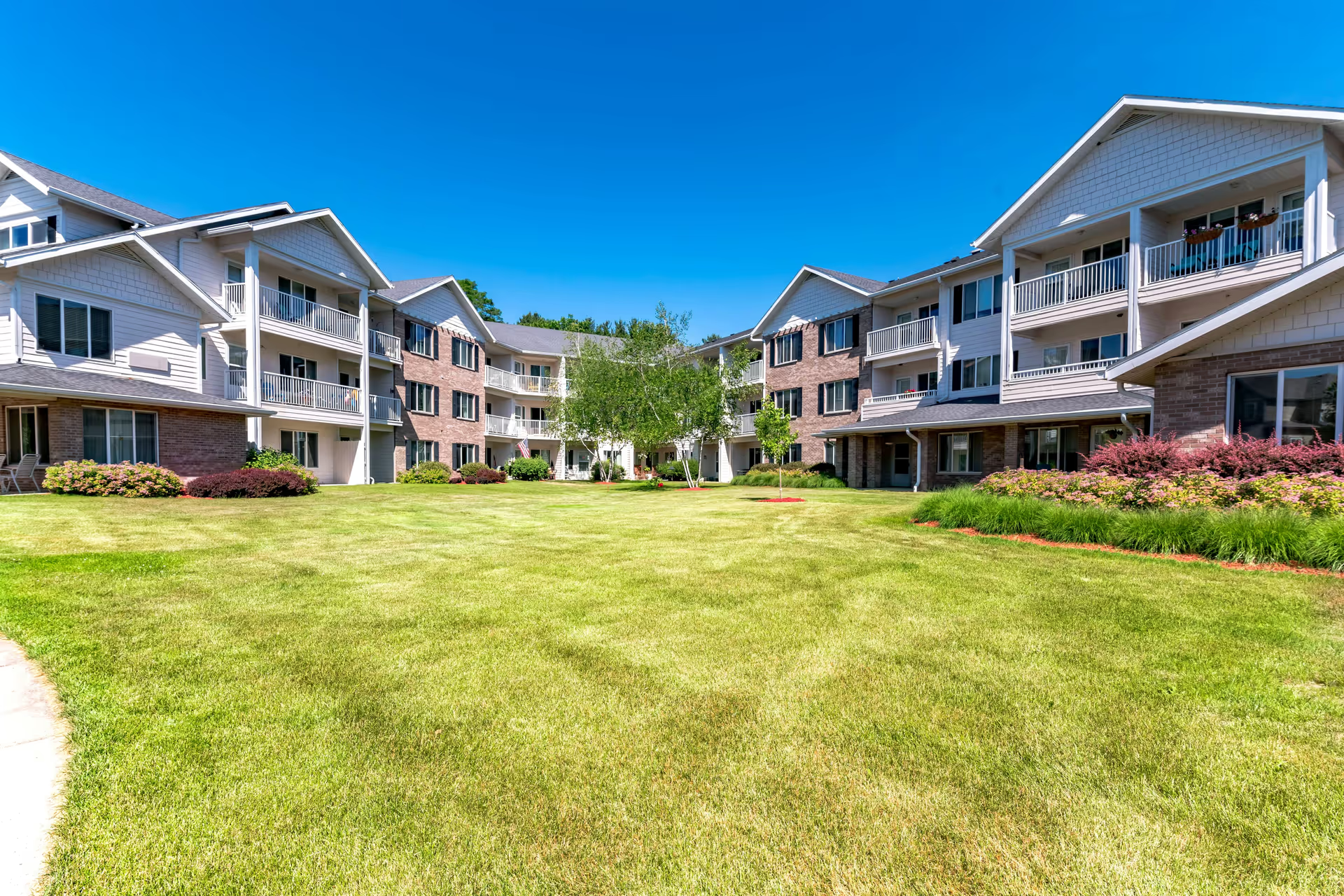
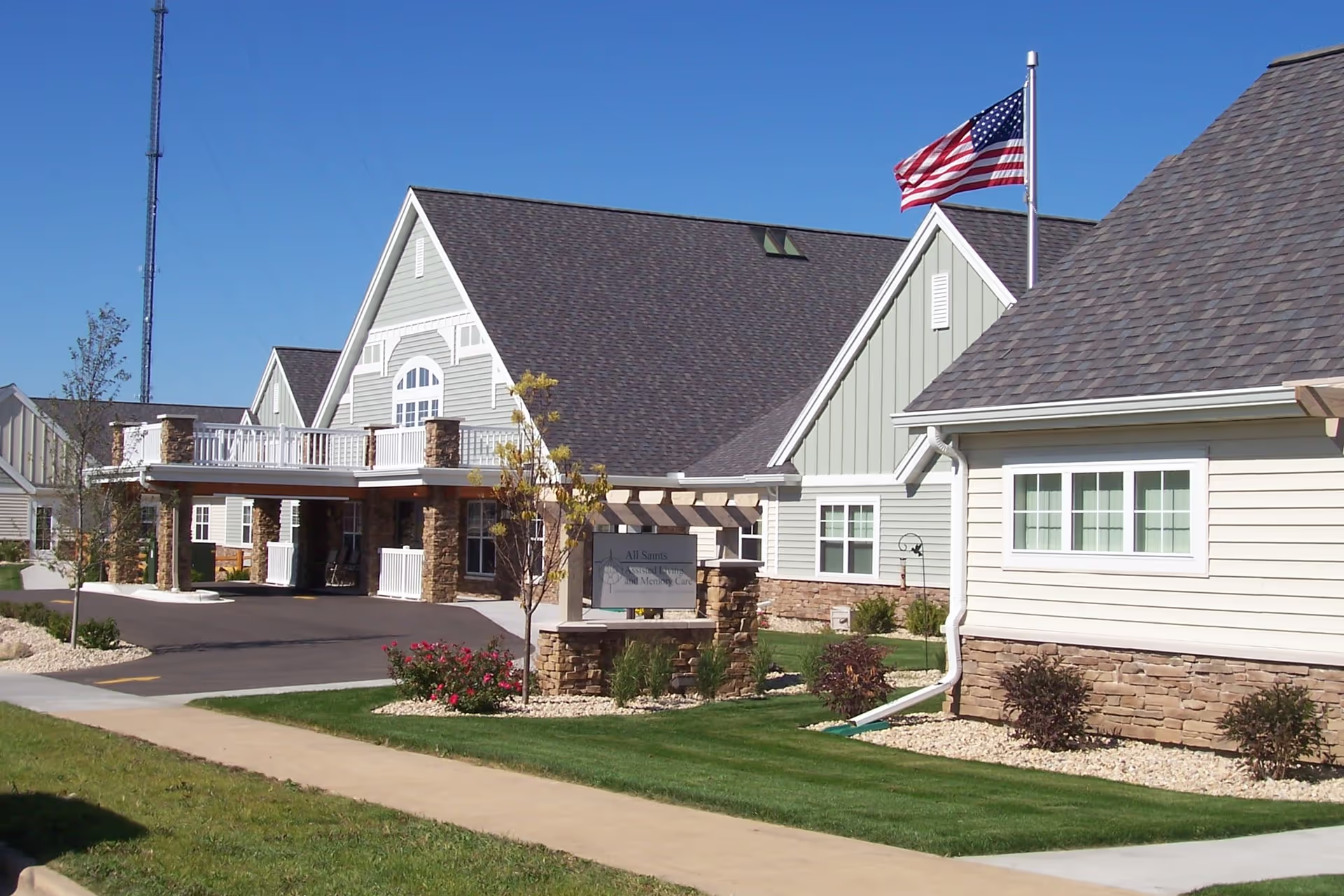
Brookdale Middleton Century Ave appears to be a small, home‑oriented assisted‑living community with a number of clear strengths and some recurring operational weaknesses. Many accounts describe a warm, family-like staff culture supported by long‑tenured caregivers who know residents’ preferences and advocate with health‑care partners. The facility’s physical attributes—an older but well‑maintained building, a sun room, central courtyard, and proximity to a park with front‑porch seating—contribute to a homelike atmosphere. Several reviewers praised meal quality, portion size, and responsiveness from maintenance and administrative staff, and the community offers room‑type variety and hospice partnerships that can support changing care needs.
Care quality and staffing exhibit mixed signals. Positive descriptions emphasize attentive, accommodating staff and cases where care increased appropriately as resident needs grew. Conversely, recurring operational concerns include inconsistent nurse coverage and a perception of insufficient aide staffing on some shifts. Multiple comments imply gaps in supervision and fall‑prevention practices, and there are reports suggestive of medication‑management and documentation weaknesses; one serious medication‑related allegation has been raised, so prospective families should verify incident reporting, corrective actions, and regulatory history prior to placement.
Dining and activities vary by account. Many residents and families consistently praise food quality, meal temperature, and portioning, describing meals as a highlight of the community. However, other accounts describe limited dietary alternatives and occasional dips in meal satisfaction, so meal experience may be variable. Activity programming is described as both engaging and sparse: while there are listed activities, gardens and outings, some families found activity frequency and visibility inconsistent.
The facility layout and physical plant present tradeoffs. The single‑level, small‑community format is appealing to those seeking a quieter, smaller setting; however, the older building layout and multiple hallways were described as confusing for people with memory impairment and less suitable for secure memory care. Room sizes trend modest; some families found certain units small for two people or for residents with larger mobility devices. There are also intermittent comments about cleanliness variability, lighting differences in rooms, and wildlife/pest‑control observations that deserve on‑site review.
Management and transparency are mixed themes. Positive notes include responsive maintenance and cordial admissions staff who handle paperwork expediently. Negative themes include limited administrator visibility on the floor, variable family communication, and concerns about how incidents are handled and communicated—families should ask about incident‑reporting protocols, response timelines, and escalation processes during tours. A few reviewers referenced legal concerns involving the broader provider; prospective families should confirm current regulatory status and any open actions.
Overall, Brookdale Middleton Century Ave may suit families seeking a smaller, homelike assisted‑living option with strong interpersonal continuity and good dining in many cases. At the same time, prospective residents and families should evaluate clinical staffing levels, medication‑management procedures, supervision and fall‑prevention practices, activity schedules, and unit layout during an in‑person visit. Verifying staffing ratios by shift, recent inspection or survey records, incident‑reporting policies, and any corrective action plans will help determine whether the community’s strengths align with a particular resident’s care needs.