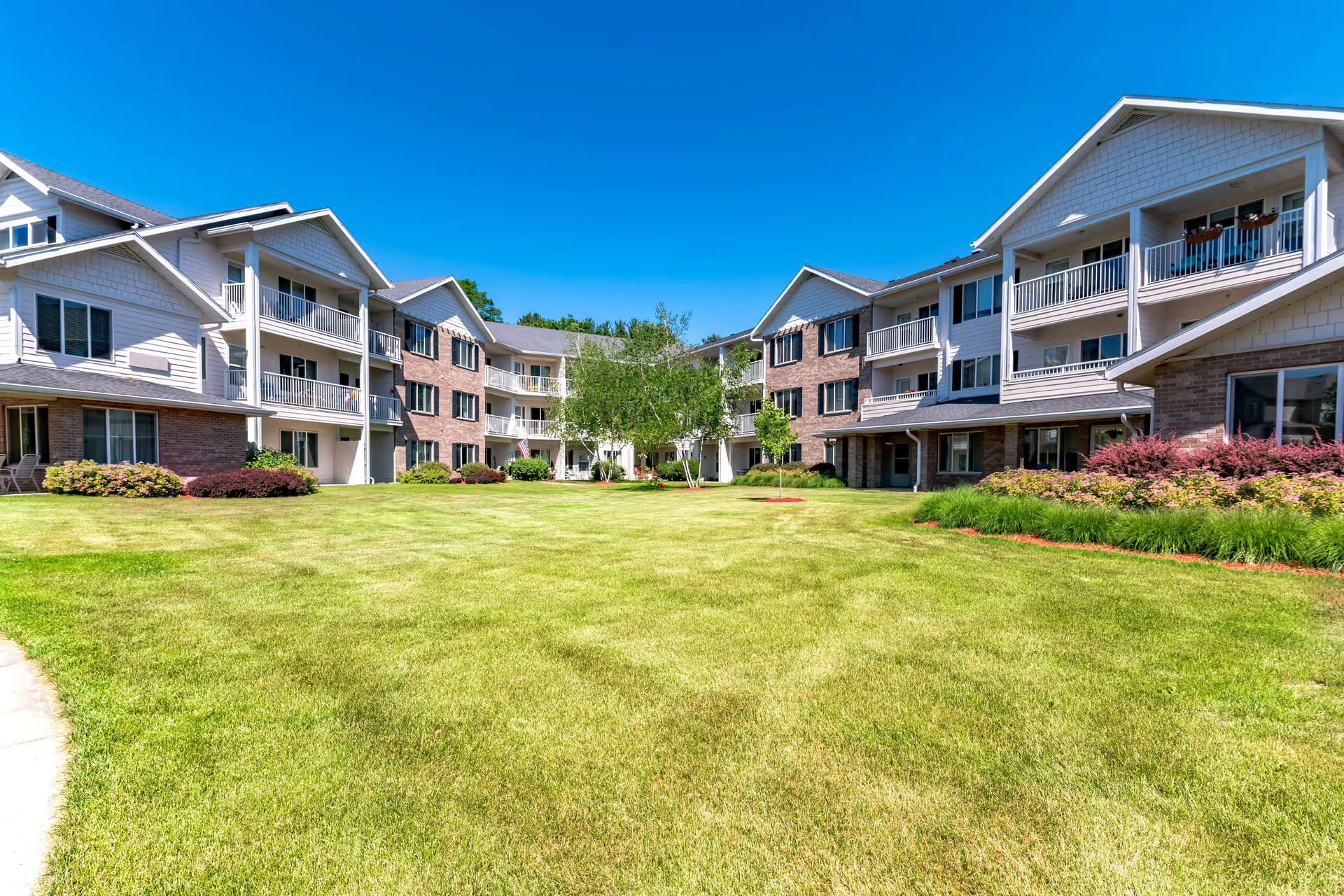
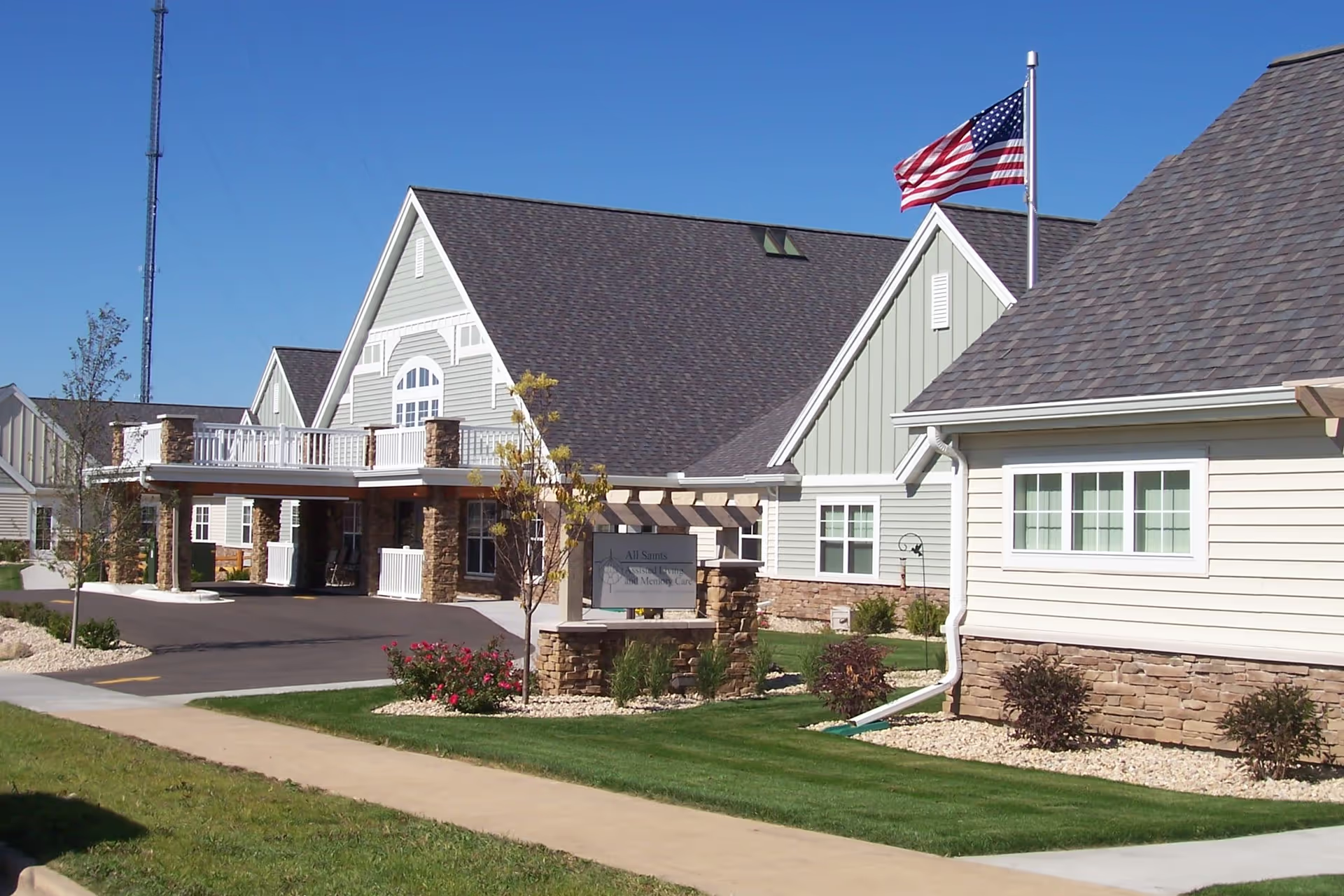
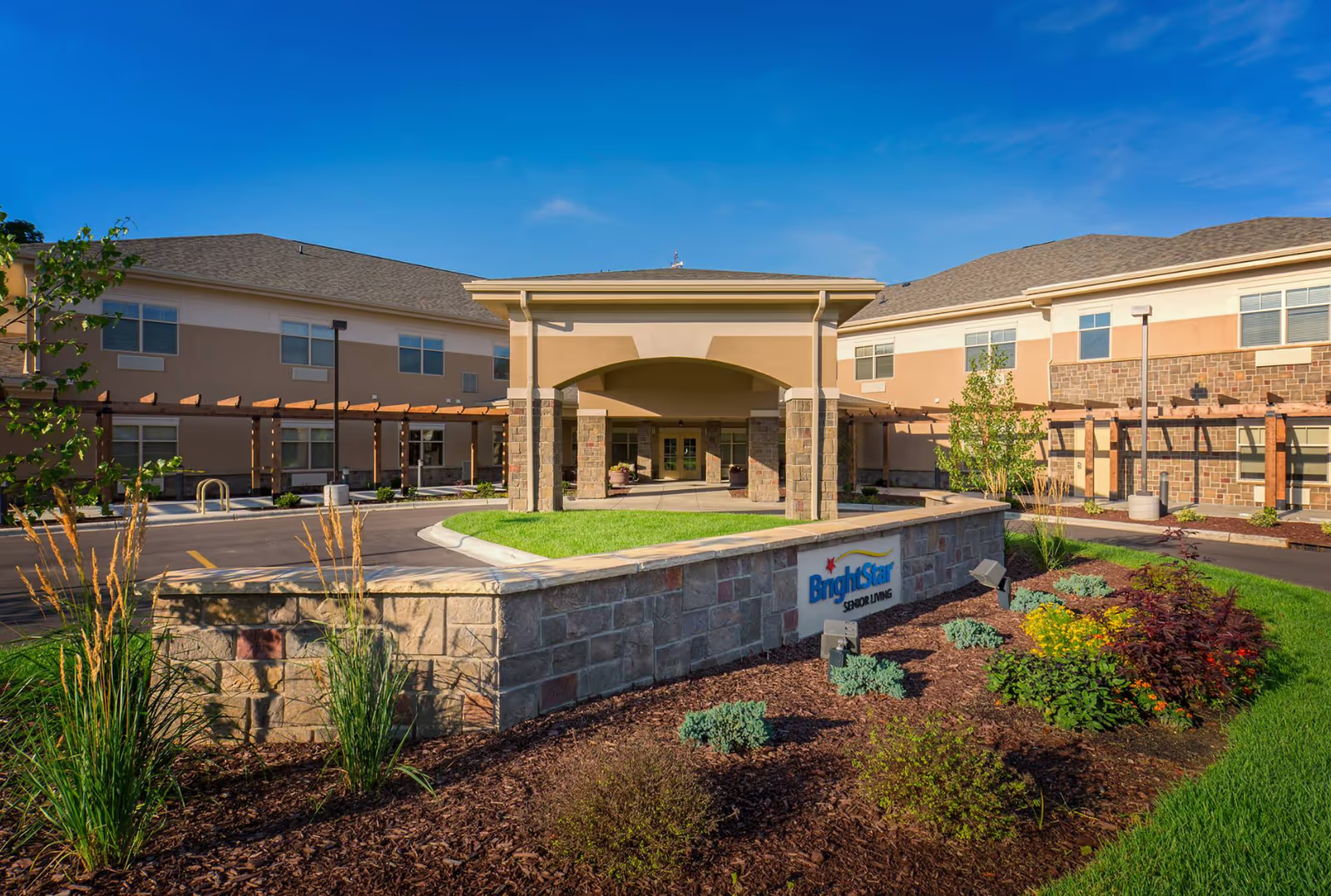
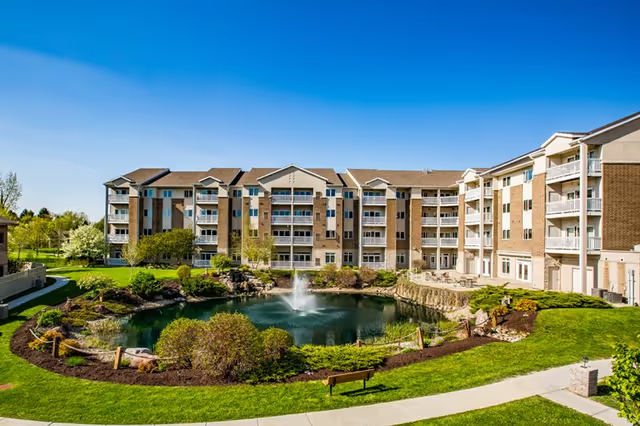
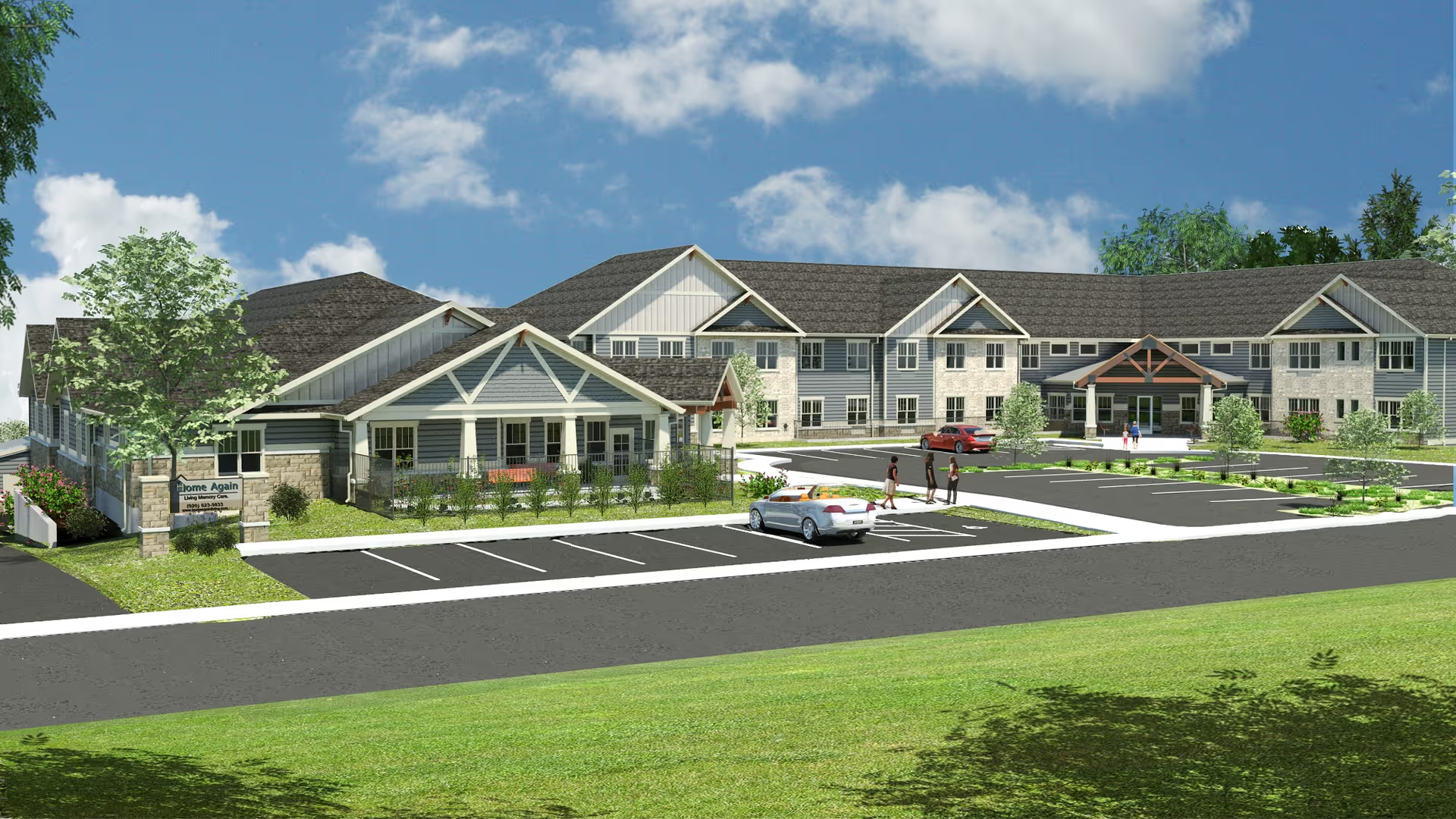
Heritage Middleton presents as a modern, well-appointed senior living community with many features families seek: a new, clean building, attractive common areas, private apartment options with kitchenettes and decks, and a range of on-site amenities such as a movie theater, exercise room, activity room and a secure memory-care courtyard. The activity program is a consistent positive in the feedback — music, crafts, exercise classes and special events receive frequent praise, and several families singled out engaged activity staff who create popular programming. Dining and dietary accommodation are often described positively (including special-event meals), and maintenance and admissions processes are frequently characterized as responsive and helpful. The community is also noted for being pet-friendly and conveniently located near shopping and outdoor space.
Care and staffing patterns are the most mixed and recurring concern. Positive accounts describe compassionate, attentive caregivers, smooth hospice transitions, and staff who coordinate medical appointments and assist thoughtfully with daily needs. However, a substantial pattern of high staff turnover and uneven staffing levels was reported across reviews. That pattern is associated with variable caregiving quality, delays in responsiveness, and uneven completion of routine personal-care tasks. Several families described gaps in training and supervision in dementia care areas, which contributes to inconsistent one-on-one engagement for residents with cognitive impairment.
Clinical and safety-related issues appear as prominent operational weaknesses. Multiple accounts point to gaps in medication-management controls (missed doses, unsecured medications) and concerns about transfer and fall-prevention practices. Housekeeping and sanitation practices are unevenly applied in some units, and there are mentions of odor concerns and inconsistently cleaned rooms—issues that intersect with staff availability and task prioritization. Families also described instances implying weaknesses in personal-property safeguards and in documentation and sharing of clinical information (for example, delayed or insufficient incident reporting and limited electronic access to medication administration records).
Dining and activities present a mixed picture: the facility offers a broad, active calendar that many residents enjoy, but meal-service execution is variable — reviewers noted inconsistent meal temperatures, occasional service lapses, and a lack of predictable meal documentation. Memory-care programming receives varied assessments: the physical design of the memory-care unit is often praised, yet programming and staffing for residents with advanced dementia were described as insufficiently tailored in several accounts.
Management and organizational issues are another recurrent theme. While some families praise approachable unit leadership and helpful admissions staff, others described frequent leadership turnover, decisions driven by corporate rather than local clinical staff, and concerns about contract or billing follow-through. There are also isolated but serious allegations concerning lease enforcement and financial handling; these are significant for prospective families to investigate directly.
Recommendation for prospective families: Heritage Middleton offers strong physical amenities, an active social calendar, and many staff who provide attentive support. At the same time, families should perform focused due diligence around staffing ratios and continuity (particularly for memory care), medication-administration and documentation practices (including availability of electronic MARs), housekeeping schedules, and the facility's policies on property security and billing/lease terms. Ask for staffing rosters, turnover metrics, sample activity calendars tailored to memory care, written guarantees for any verbal commitments, and specific examples of clinical oversight for higher-acuity residents before making a placement decision.