Overall impression: Sage Meadow of Middleton receives strongly polarized feedback. Many families describe a warm, home‑like environment, a visible emphasis on arts and creative programming, and attentive caregivers who establish positive relationships with residents. At the same time, a recurring set of operational weaknesses—especially around staffing, medication administration, and communication—appears repeatedly enough to warrant careful inquiry by prospective families.
Care quality and clinical services: Positive experiences frequently highlight compassionate direct care, effective physical therapy, and attentive end‑of‑life support. Several families praise individualized placement assessments and staff who adapt care as needs change. Conversely, other families describe lapses in clinical oversight: medication-management issues, missed or delayed medication administration, limited bathing assistance, and inconsistent skilled-nursing coverage. These accounts suggest variability in clinical reliability that may be related to staffing levels and turnover.
Staffing and culture: The facility is often described as having caring and helpful frontline staff and an engaged director who connects well with families. However, reviewers also point to chronic staffing shortages, morale challenges, and elevated staff turnover. There are even a few allegations concerning overnight staffing practices that raise questions about supervision and staffing sufficiency during low‑coverage hours. The net effect is uneven performance: strong individual staff members and leaders are counterbalanced by operational instability at times.
Dining and housekeeping: Dining impressions are mixed. Some families describe appealing, varied meals and good value for price, while others note declines in food quality and inconsistent adherence to dietary or meal plans. Housekeeping and facility appearance receive generally positive marks for clean, remodeled interiors and bright common areas, yet there are isolated sanitation and maintenance shortfalls cited (for example carpeting or area maintenance) that suggest variability in environmental services.
Activities and programming: The arts program, including an artist‑in‑residence and exhibitions, is consistently cited as a major strength. Organized offerings such as bingo, crafts, music performances, and local outings are available and appreciated. That said, several reviewers mention a reduction in scheduled activities at times—particularly on weekends—and occasional cancellations of field trips. Prospective residents who prioritize frequent social programming should confirm the current activity calendar and weekend options.
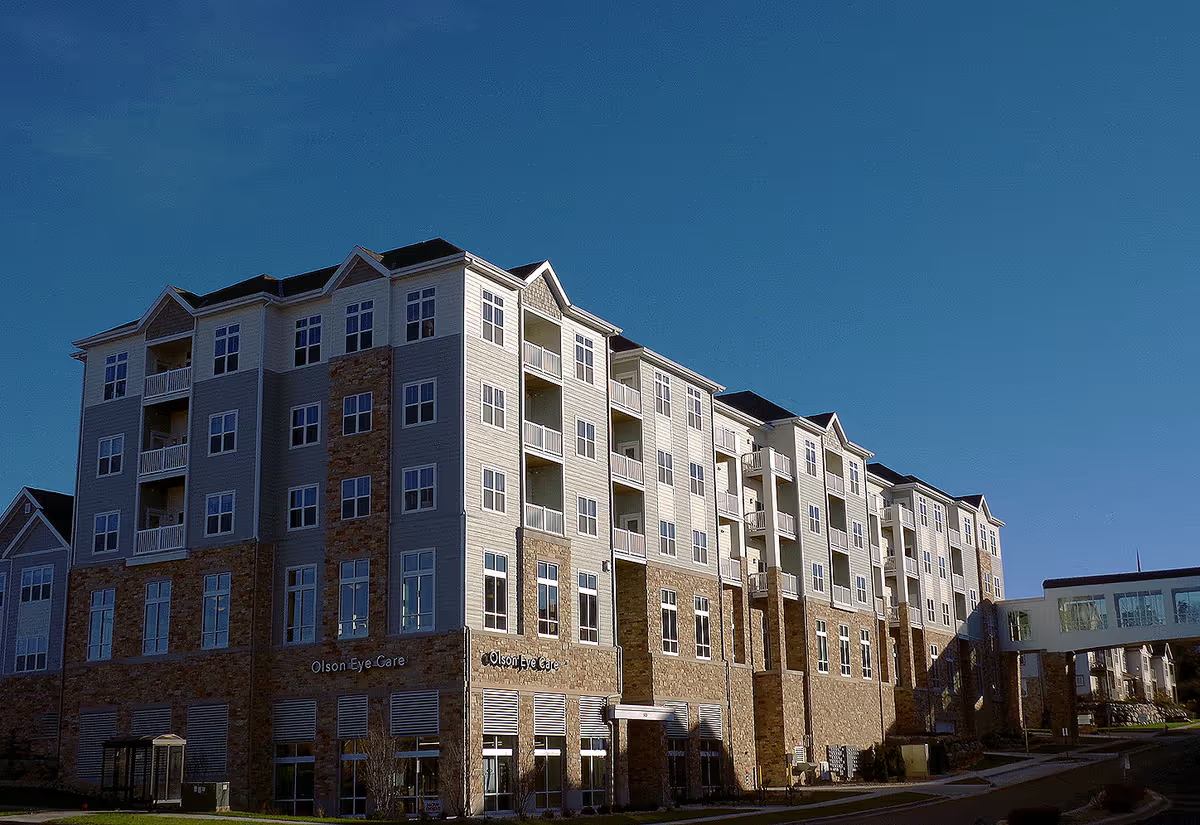
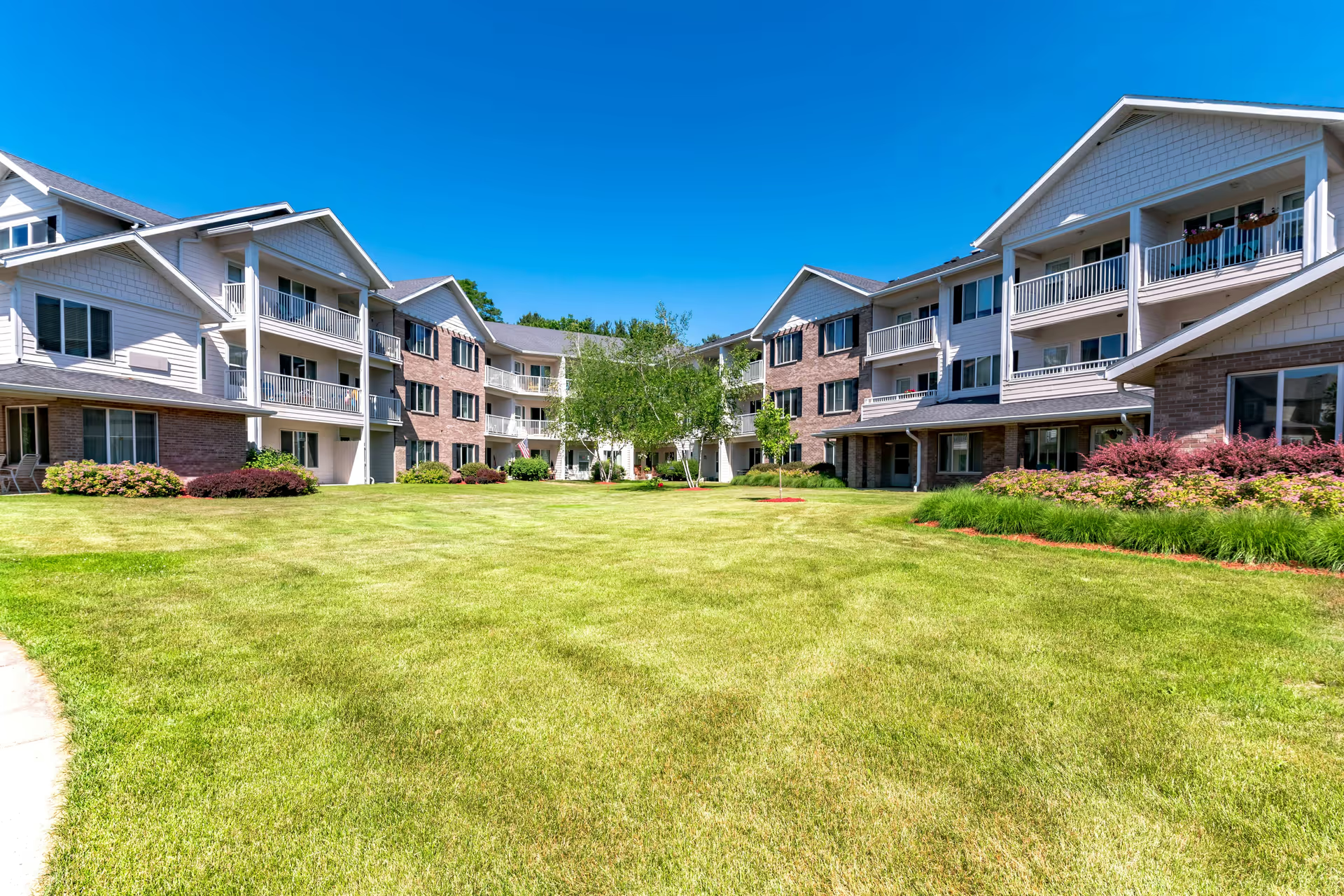
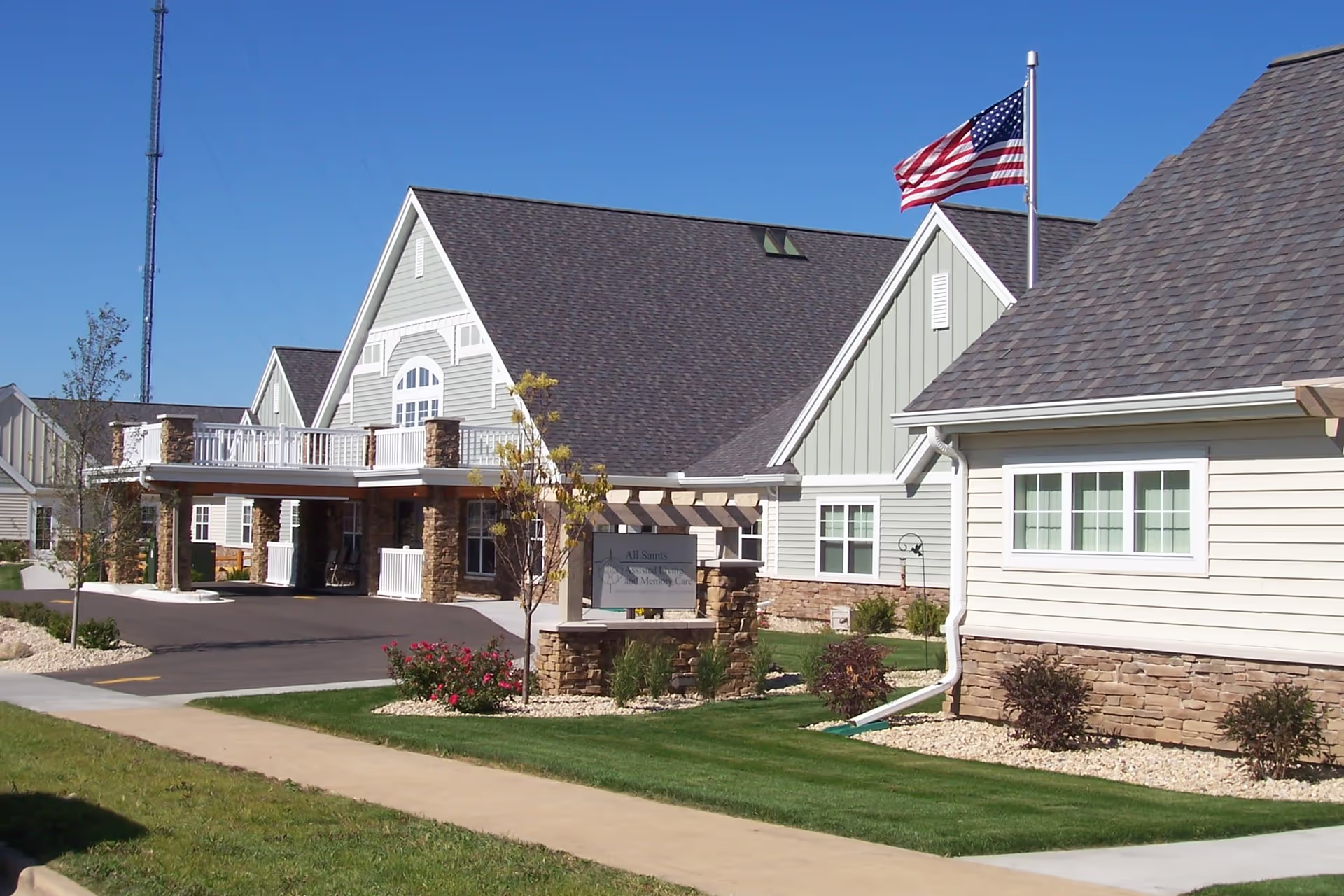
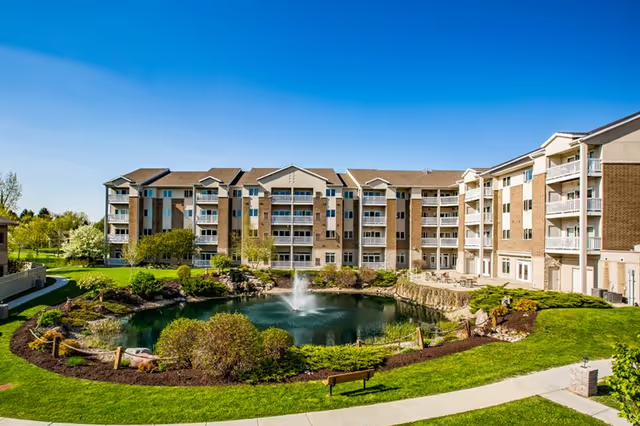
Facilities and location: The physical environment is commonly described as comfortable, bright, and recently updated, with useful common spaces and private-room options. Downsides include limited onsite outdoor green space, lack of sidewalks or walking grounds, and proximity to a busy intersection—factors to consider for residents who value outdoor access or easy pedestrian movement.
Management and communication: Many reviewers commend specific administrative staff and the director for responsiveness and problem‑solving. At the same time, there are repeated comments about inconsistent communication (phone responsiveness, unanswered calls, and poor shift handoffs) and organizational issues following staffing changes or ownership transitions. These management-level inconsistencies appear linked to several operational concerns described above.
Notable patterns and practical guidance: The most consistent positive themes are compassionate caregivers, a strong arts focus, clean and updated communal spaces, and useful clinical services such as therapy. The most consistent concerns are operational—staffing consistency, medication administration, overnight responsiveness, communication, and weekend activity levels. Prospective residents and families should tour during different times of day (including evenings and weekends), observe evening/night staffing and call-light response, request recent staffing ratios and turnover information, review medication‑administration and incident-communication policies, and ask about current activity schedules and outdoor access. These targeted checks will help determine whether the facility’s strengths align with a particular resident’s care priorities.