Reviewer feedback for Oak Crest Villa is highly polarized: numerous families describe warm, attentive care, a strong social program and home-style dining, while other families report operational inconsistencies that raise concerns about reliability of day-to-day care.
Care quality is described in mixed terms. Several accounts emphasize compassionate, respectful caregivers who know residents well, with on-time medication delivery and active care coordination when additional services are needed. Conversely, there are recurring criticisms indicating uneven clinical controls—most notably variability in medication-management processes, inconsistent bathing and personal‑care schedules, and nutrition or weight concerns in isolated cases. These contrasting descriptions suggest that clinical practices may perform well under some staffing configurations but can degrade when staffing or supervision is inconsistent.
Staff performance also shows a bifurcated pattern. Positive comments highlight caring, dementia‑knowledgeable staff who form personal connections with residents and go beyond routine duties. Negative observations cite frequent staff turnover, staffing shortages, lapses in professionalism (for example, distracted staff behavior and concerns about night-shift attentiveness), and gaps in staff training or role clarity. This variability appears to affect resident experience across different shifts and teams.
Dining and activities are strong selling points for many families: homemade meals, family dinners, cookouts, and regular programs such as bingo, spiritual time, art classes, gardening and offsite outings were praised. At the same time, other reviewers describe inconsistent meal quality and concerns about nutrition or food sourcing. Activity availability is generally robust but not uniformly experienced by all residents; some families felt their relative had limited participation.
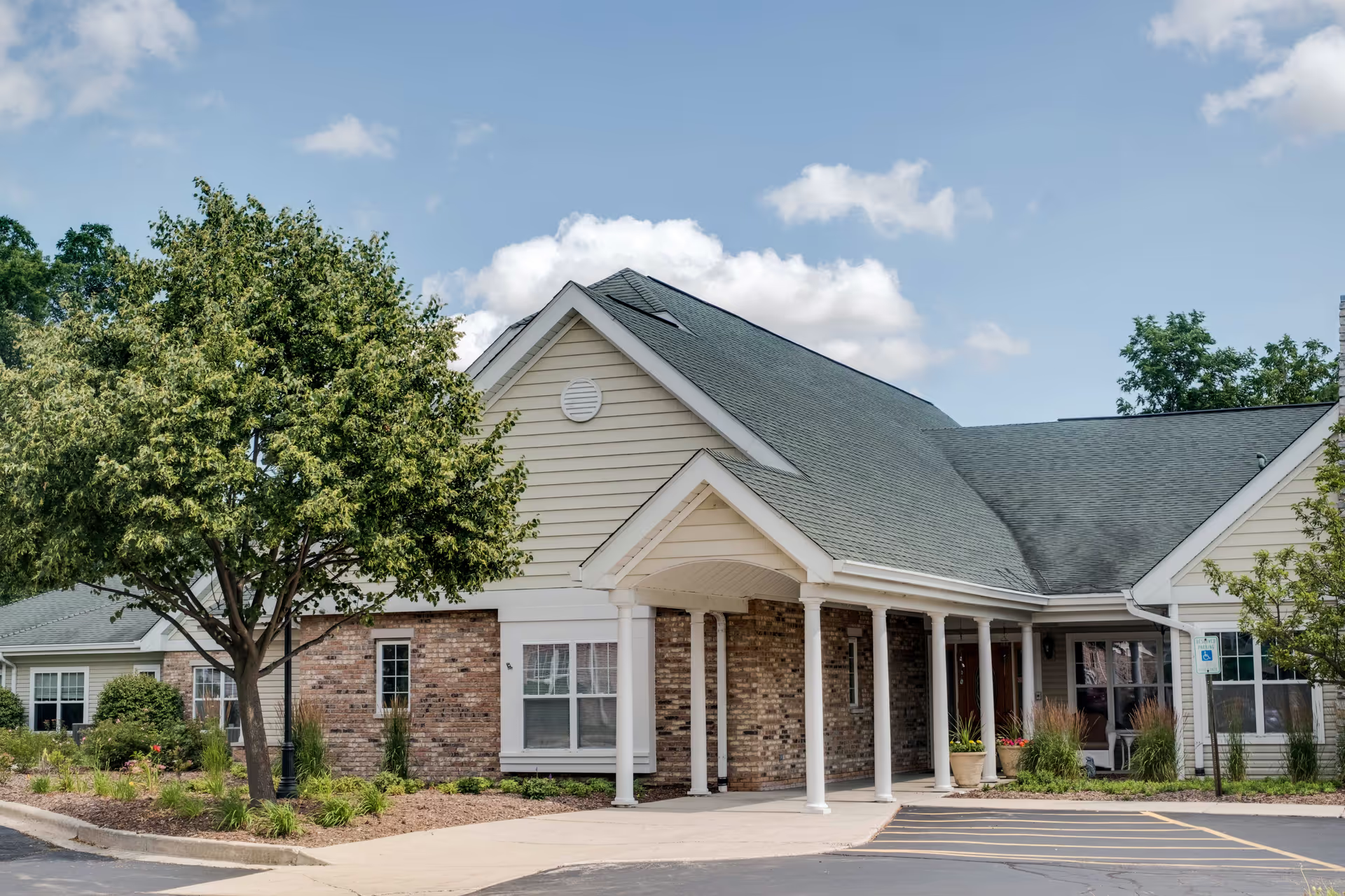
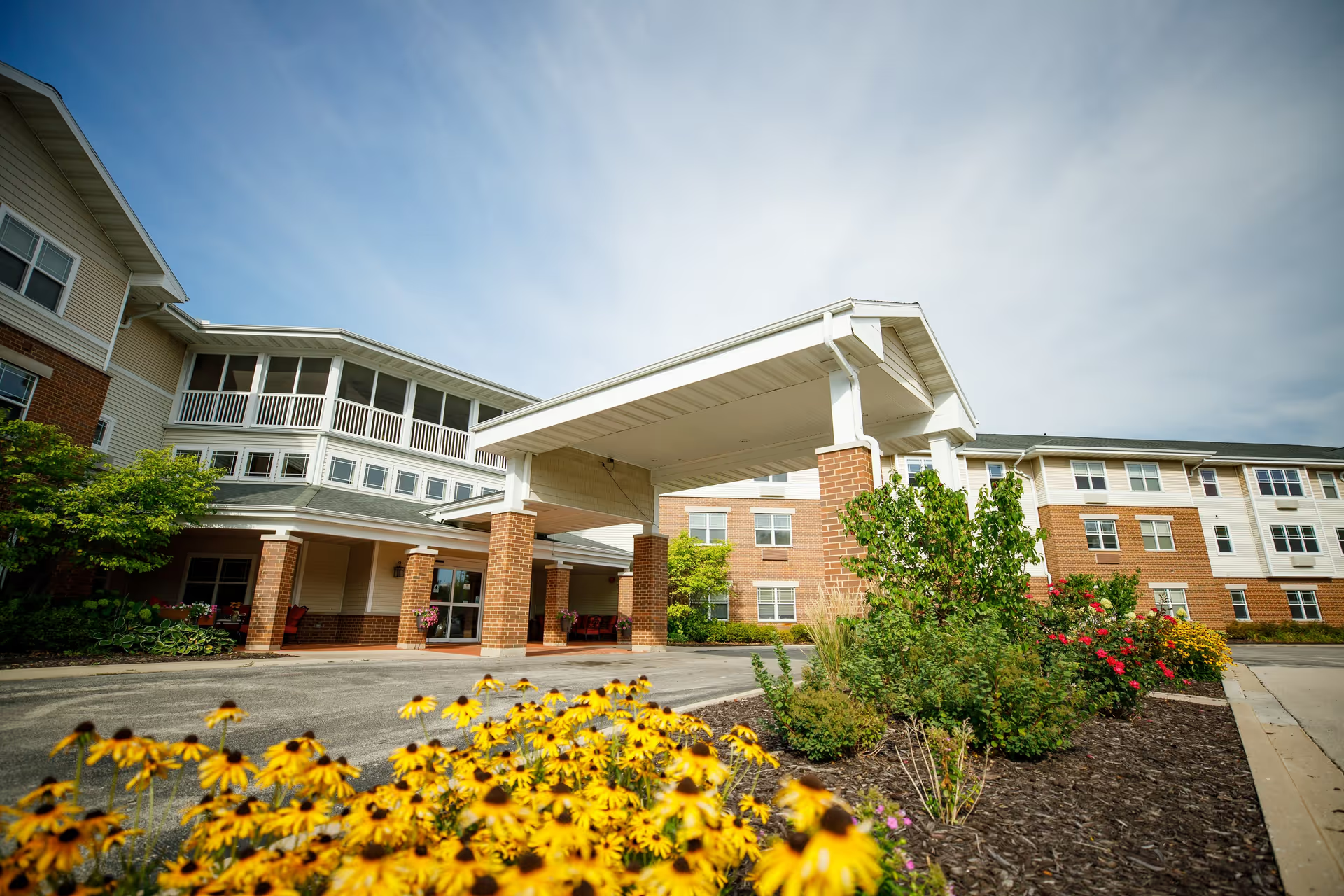
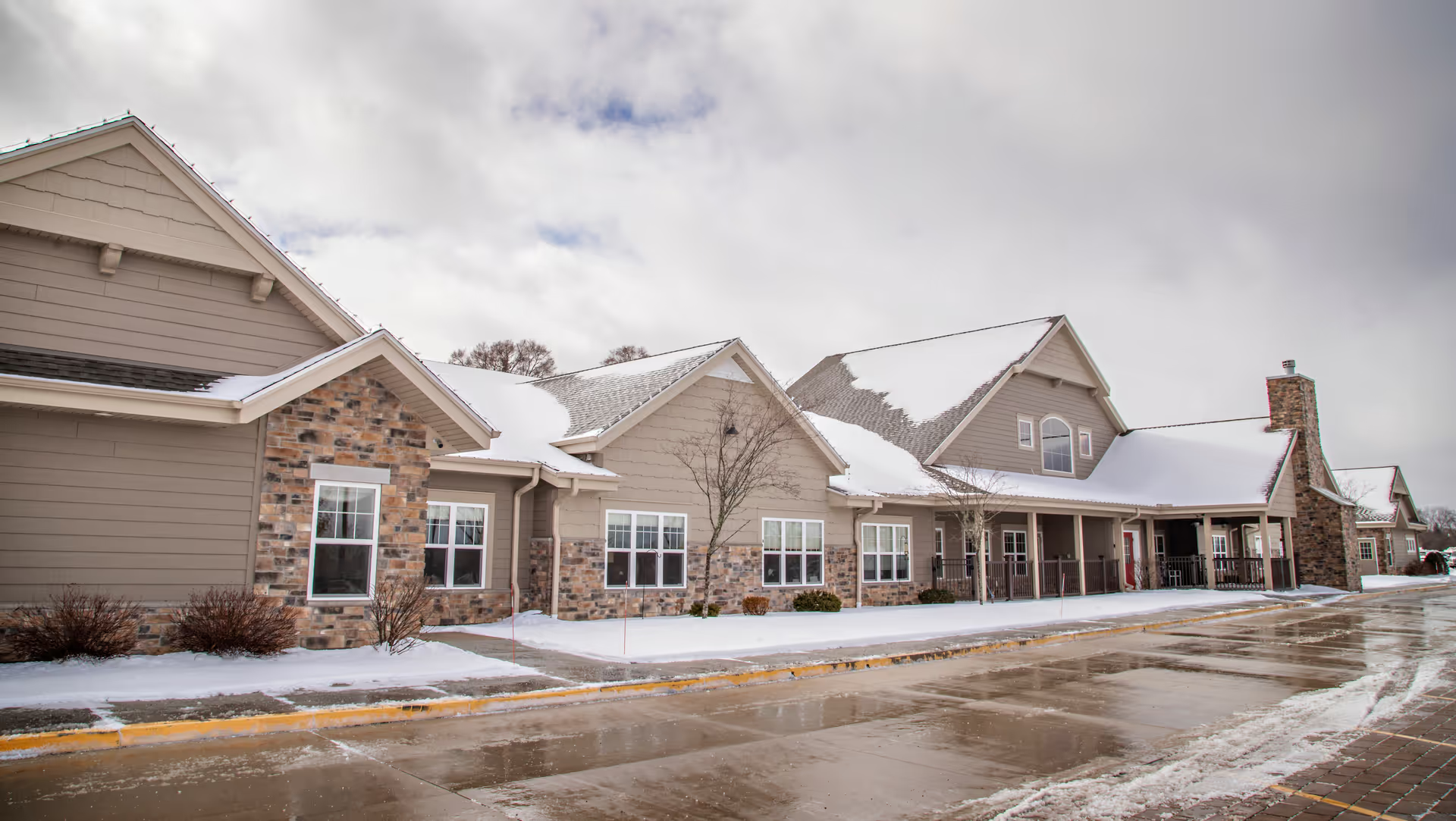
Facility observations are similarly mixed. Positives include bright, updated rooms, sunny common areas, and a homey small-community feel. Areas of concern include sanitation and housekeeping variability, odor and pest-control issues in some areas, and limited in-room amenities in certain rooms (for example, small rooms or lack of televisions). A house pet and an open layout were appreciated by some and raised allergy or preference concerns for others.
Management and communication received contrasting feedback: several reviewers praised a warm, helpful admissions process and responsive administrators, while others described difficulty reaching leadership, unanswered questions after incidents, and interpersonal concerns involving management style. A few reviewers raised serious concerns about post-incident communication and follow-up that families should probe further.
Notable patterns: experiences appear to be highly dependent on staffing levels, time of day/shift, and recent personnel changes. Prospective residents and families should plan an in-person visit that includes observation across multiple areas of the facility and, if possible, across shifts. Key items to verify include current staffing ratios and turnover, medication and documentation procedures, bathing/personal-care schedules, sanitation routines and pest-control measures, activity calendars and dining menus, and how management communicates about incidents and care changes. Checking recent state inspection reports and asking for references from current families can help assess whether operational weaknesses have been addressed.