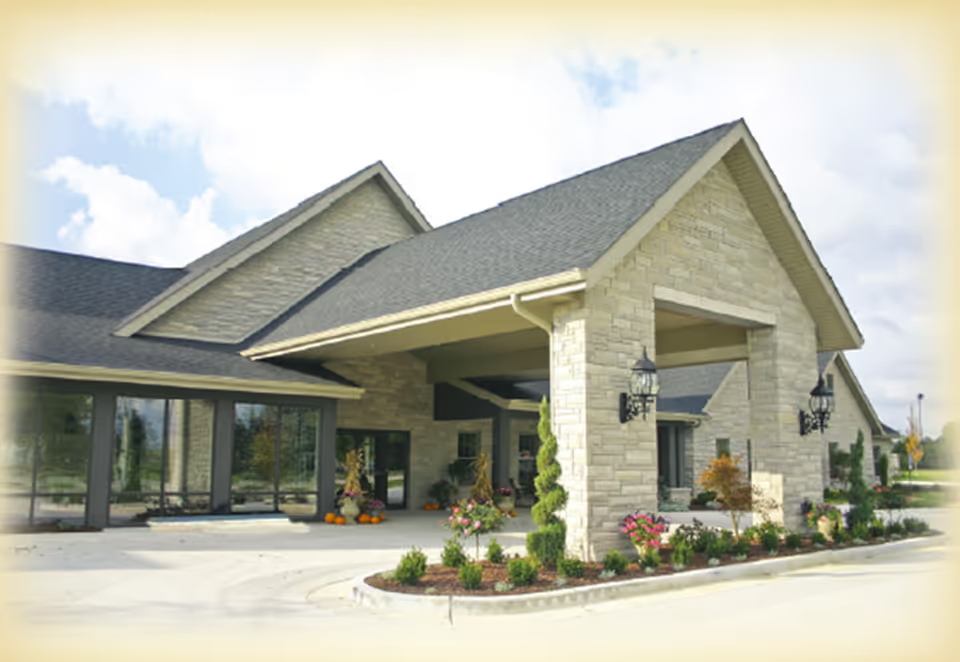
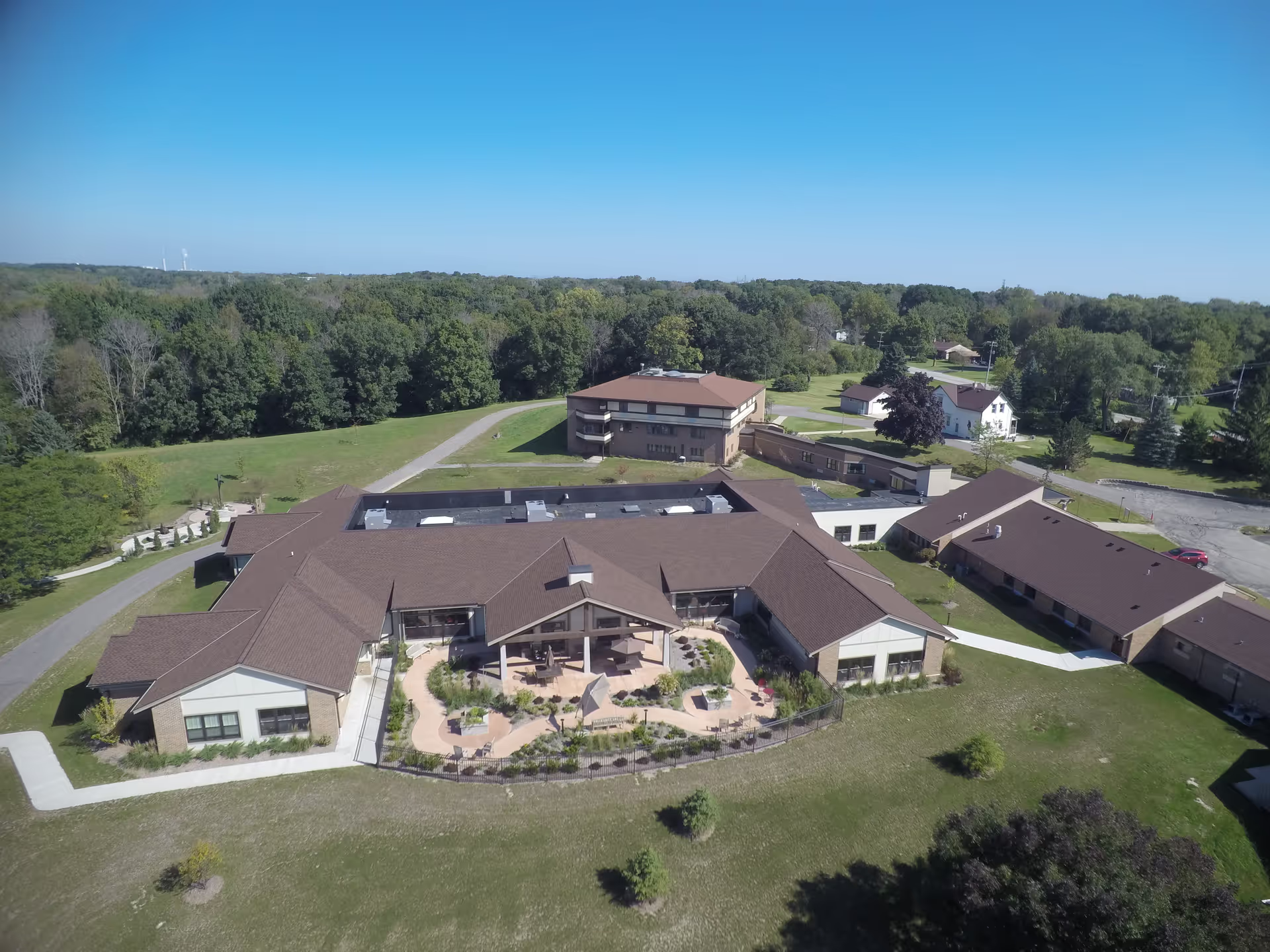
Harvest Home Assisted Living is portrayed overall as a small, home-like facility with many strengths in direct care and facility presentation. Reviewers commonly highlight a personable atmosphere, compassionate caregivers, and staff who create a family-like environment. The physical plant is described as new or well-maintained, with private rooms that include ensuites, attractive grounds and gardens, and on-site maintenance support. These elements contribute to family members reporting peace of mind and reduced stress after placement.
Care quality and staffing appear mixed but skew positive in direct-contact interactions. Many families praised attentive, quick-acting caregivers and staff trained for memory-care needs; several described the team as kind, supportive and responsive to daily needs. At the same time, there are repeated comments about variability in staff performance and training — some shifts are described as notably stronger than others. This pattern suggests relatively strong direct-care practices when experienced staff are present, with occasional lapses tied to staffing consistency and training gaps.
Dining and activities are frequently noted as strengths. Meals are described as fresh and well-liked by residents, with multiple daily snack offerings and robust portioning; a few families commented that portions can be large for some residents. Programming is characterized as engaging, with a wide range of activities and an active social calendar that supports memory-care engagement. Prospective families may wish to ask about portion-size flexibility and menu adjustments to match individual dietary needs.
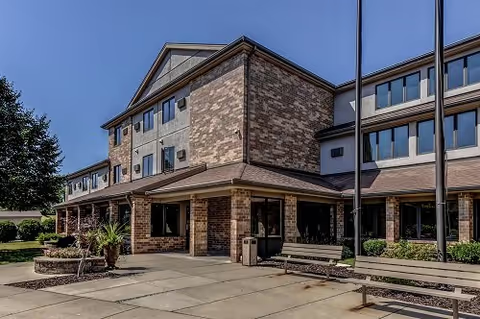
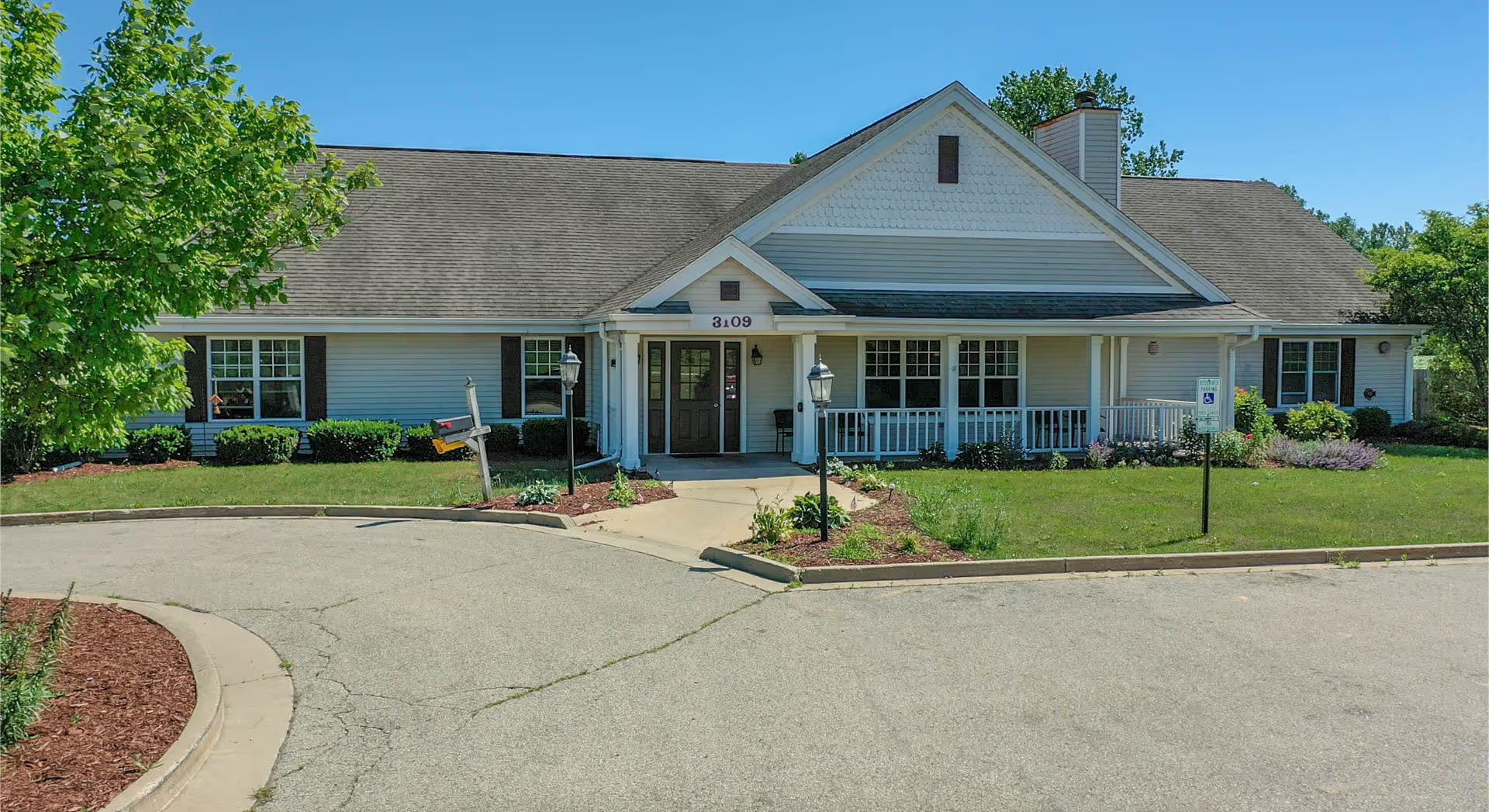
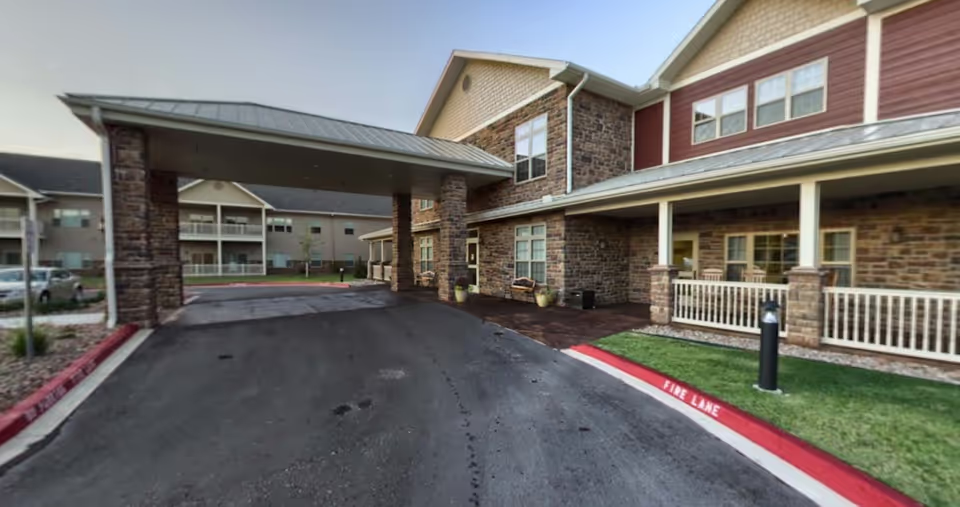
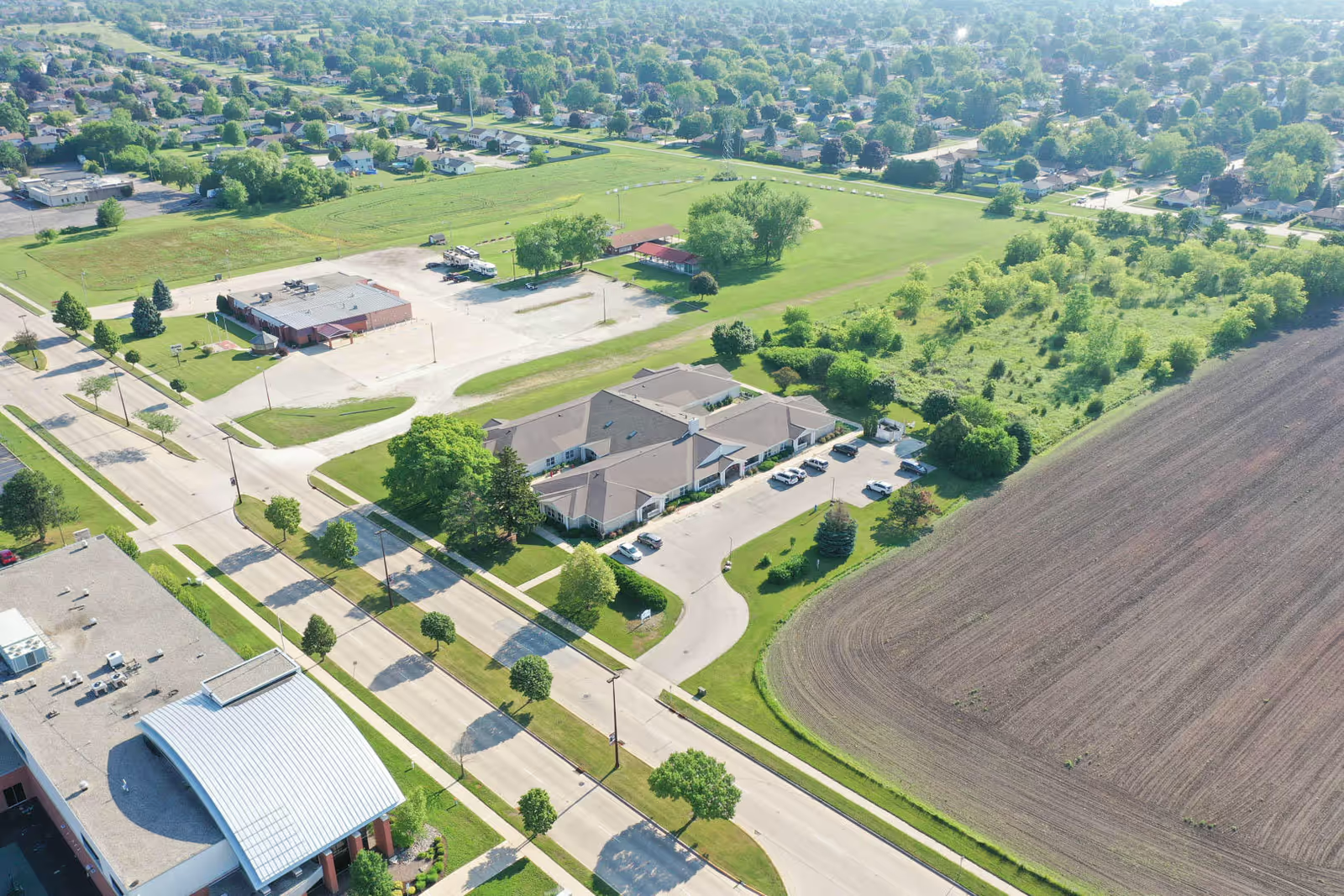
Facility upkeep and ambiance receive consistently positive remarks. The building is often called immaculate, clean and organized, and the grounds and gardens are attention-getting features. The layout and scale — a smaller community — are identified as conducive to personalized attention and a home-like feel.
Management and operational issues are the primary area of concern. Multiple reviewers raised issues about limited manager availability, delayed or unreturned calls, and uneven communication with families, which can complicate care coordination and admissions. Related concerns include perceived staff-management tensions and inconsistencies in how clinical incidents are handled and communicated to families. These patterns suggest the facility would benefit from more consistent leadership presence, clearer communication protocols for clinical events, and standardized staff training and handovers.
In summary, Harvest Home appears to offer strengths in environment, direct caregiving, dining, and activity programming that many families find comforting. However, prospective residents and their families should evaluate management accessibility, staffing consistency, clinical incident procedures, and meal customization during a visit. Asking for specifics about manager on-site schedules, staff training programs, incident escalation protocols, and sample menus or portion options will help clarify whether the facility’s operational practices match a family’s expectations for safety and communication.