Reviews of Edenbrook Oshkosh present a polarized portrait: many families and residents praise the facility’s rehabilitation strengths and the compassion of direct-care staff, while a substantial set of concerns focuses on operational and clinical consistency. Positive accounts emphasize strong PT/OT outcomes, supportive CNAs, engaging activities, a recently remodeled interior with bright rooms, and individual staff members and administrators who were responsive and helpful. Several reviews describe long-term residency satisfaction, effective laundry services, and an active resident council as consistent strengths.
Care quality appears uneven. Therapy services are frequently cited as a core strength, with measurable progress toward discharge and staff known for firm but effective rehabilitation expectations. Direct-care staff such as CNAs receive repeated praise for attentiveness and dignity in assistance. At the same time, there are ongoing concerns about nursing-level consistency, including medication-management issues, unclear documentation practices, and gaps in clinical oversight. These operational weaknesses are associated with delayed or inconsistent delivery of clinical interventions, fragmented charting of therapy, and questions about staff preparedness for certain clinical tasks and transfers.
Staffing and conduct observations are mixed. Many accounts highlight compassionate individual caregivers and helpful front-office personnel; others describe episodes of unresponsiveness from supervisory staff, limited managerial follow-through, and concerns about the tone of staff–family interactions. Leadership and complaint-resolution processes are cited as inconsistent, with some families experiencing difficulty obtaining timely responses or meaningful remediation. Training and supervisory gaps are a recurrent theme where clinical tasks and safe-transfer practices are described as variable across shifts.
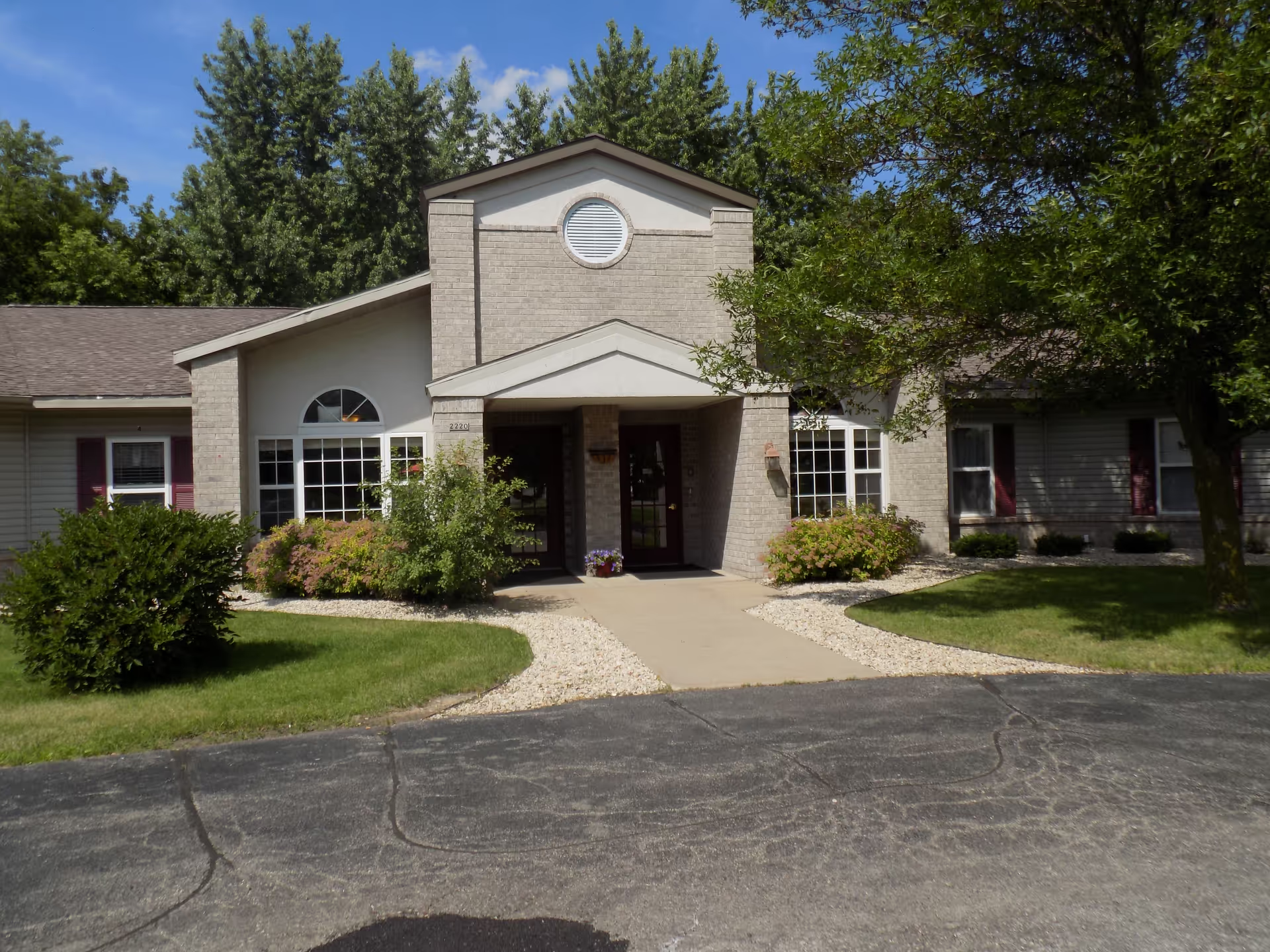
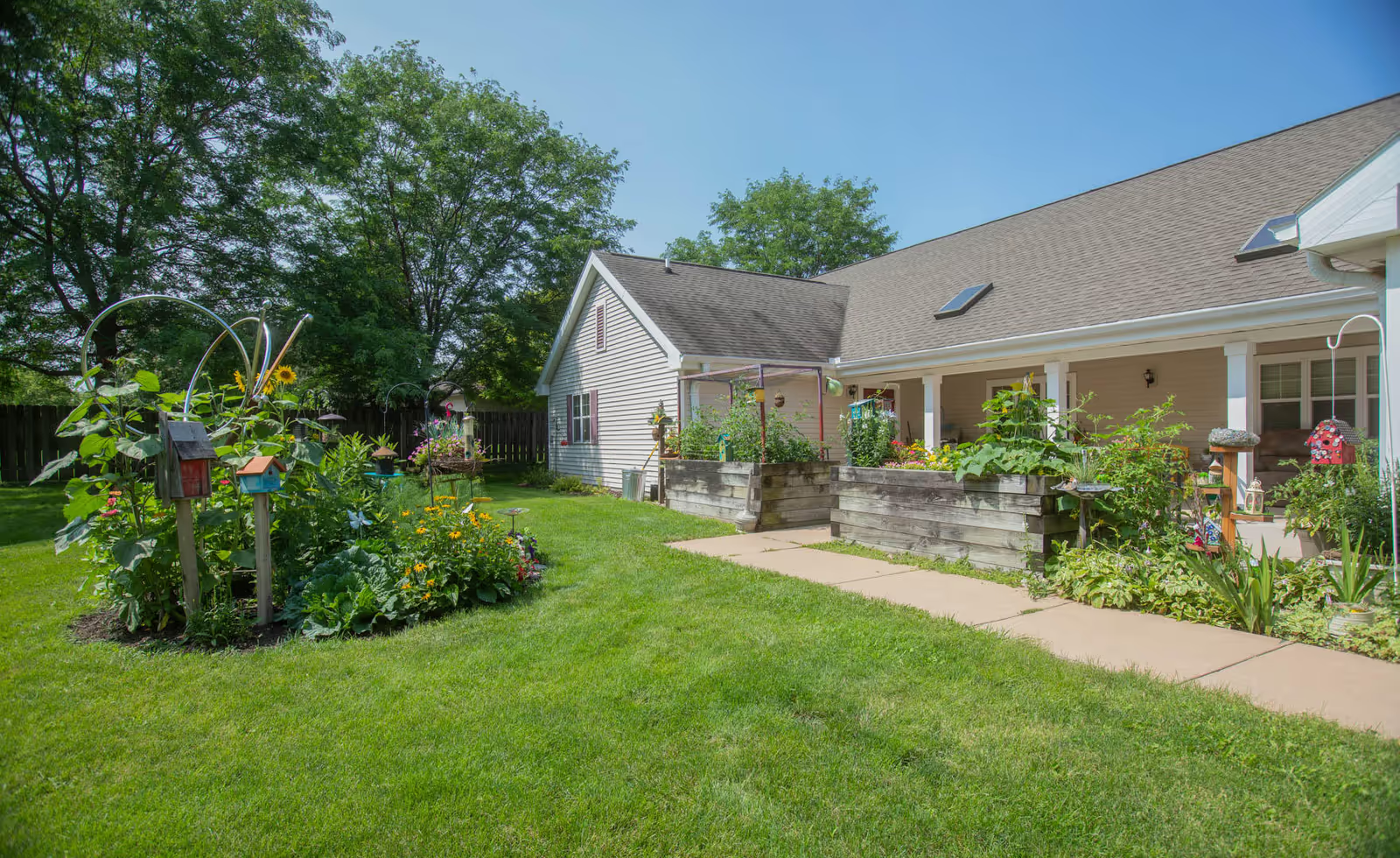
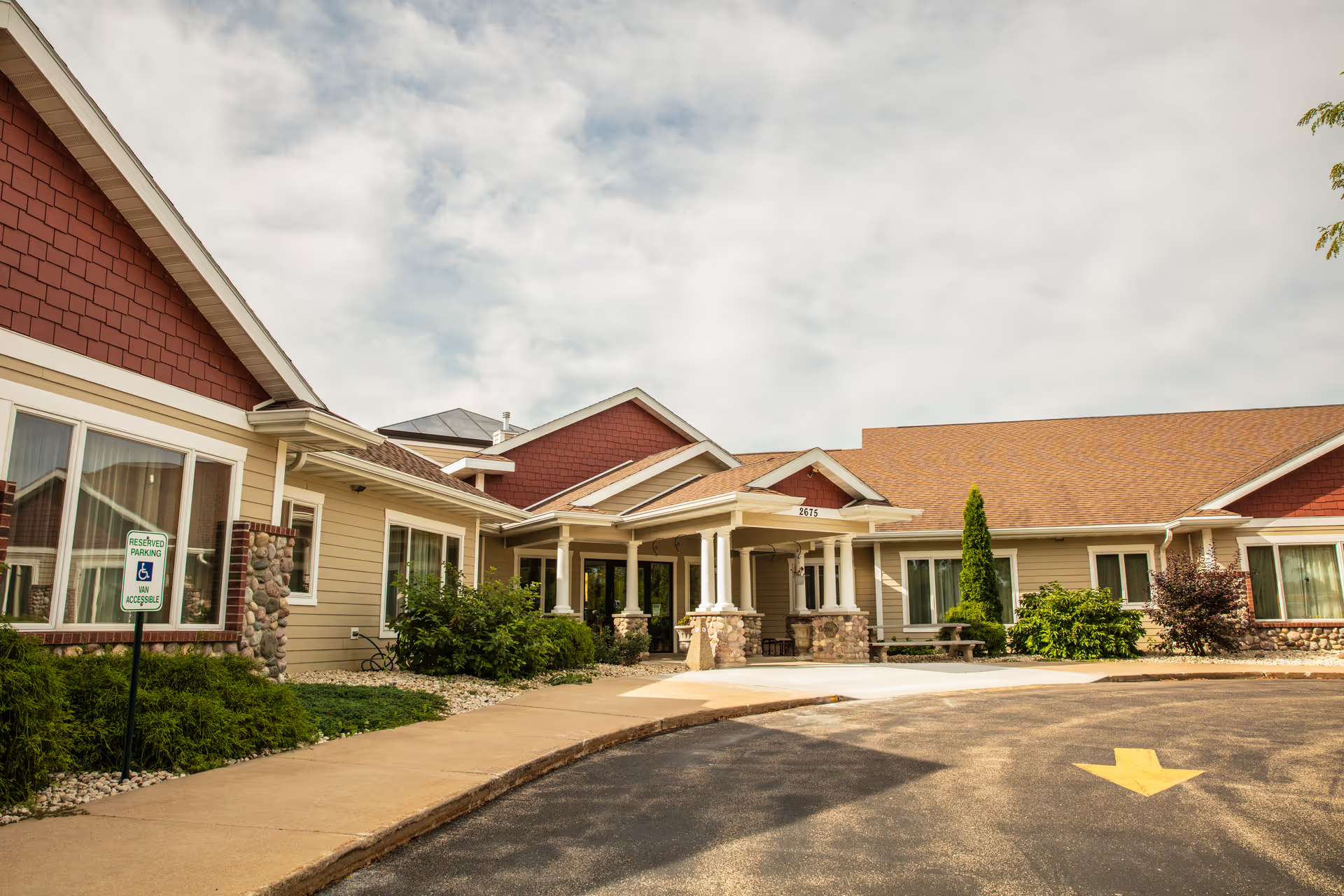
Dining, housekeeping, and facility maintenance show variability. Positive comments note a pleasant physical environment, accessible outdoor areas, and remodeled common spaces. Negative reports indicate irregularities in meal quality and portioning, late or incorrect trays, and inconsistent housekeeping or room-turnover practices. Related sanitation and pest-control concerns are mentioned in multiple accounts, and there are reports of challenges with property accountability. These operational areas appear to differ between the facility’s rehab side and its long-term nursing side, with the rehab area described as more consistently maintained.
Logistics and transitions present additional patterns. Families describe unreliable transportation and pick-up delays for appointments, limited ancillary services such as salon availability, and an absence of clear re-entry planning after discharge. Discharge planning and transition coordination are frequently cited as areas needing improvement. A small number of reviews raise serious concerns, including end-of-life care questions and alleged clinical incidents; these accounts suggest a need for careful follow-up and, where appropriate, review by oversight entities.
For prospective residents and families, the key takeaway is mixed performance: strong rehabilitation expertise and many compassionate frontline caregivers coexist with operational and clinical inconsistencies that can affect safety, cleanliness, and continuity of care. When evaluating the facility, consider asking targeted questions about medication reconciliation and administration procedures, staffing levels and training, housekeeping schedules and pest-control measures, transportation availability, discharge-planning protocols, and the facility’s formal complaint-resolution process. These inquiries can help clarify whether the aspects valued most by your family are reliably met at the time of placement.