The reviews for Grande Prairie Health and Rehabilitation Center present a highly mixed picture, with a clear split between substantial praise and serious operational concerns. Positive accounts consistently highlight the facility’s rehabilitative strengths: physical and occupational therapy programs are frequently described as effective and outcome-focused, staff members in therapy are characterized as knowledgeable and motivating, and many families credit therapy with meaningful functional gains. Reviewers also commonly praise individual staff members across nursing, dietary, housekeeping, and activities who provide personalized attention, friendly interactions, and helpful discharge coordination.
Care quality and staffing present the largest area of variability. Numerous reviewers describe compassionate, attentive nursing and aide care; others identify patterns consistent with understaffing, especially at night and on weekends, that lead to long waits for assistance, missed or delayed personal care tasks, and inconsistencies in bathing and toileting support. Medication-management and documentation concerns appear repeatedly as a theme: families cite timing irregularities, charting disputes, and examples that raise questions about medication-safety processes. These accounts point to variability in competence and performance across shifts and staff assignments rather than uniformly poor or uniformly excellent practice.
Dining and nutrition are another area of polarized feedback. Many reviewers single out dietary staff as friendly and accommodating, with accurate meal preparation for restrictions and helpful personal interactions. At the same time, other accounts note inconsistent meal quality, temperature issues, limited protein content for certain therapeutic diets, and occasions when assistance during meals was not provided. These observations suggest the kitchen and dining teams are capable and engaged but that meal-service continuity and dining-assistance practices can be inconsistent.
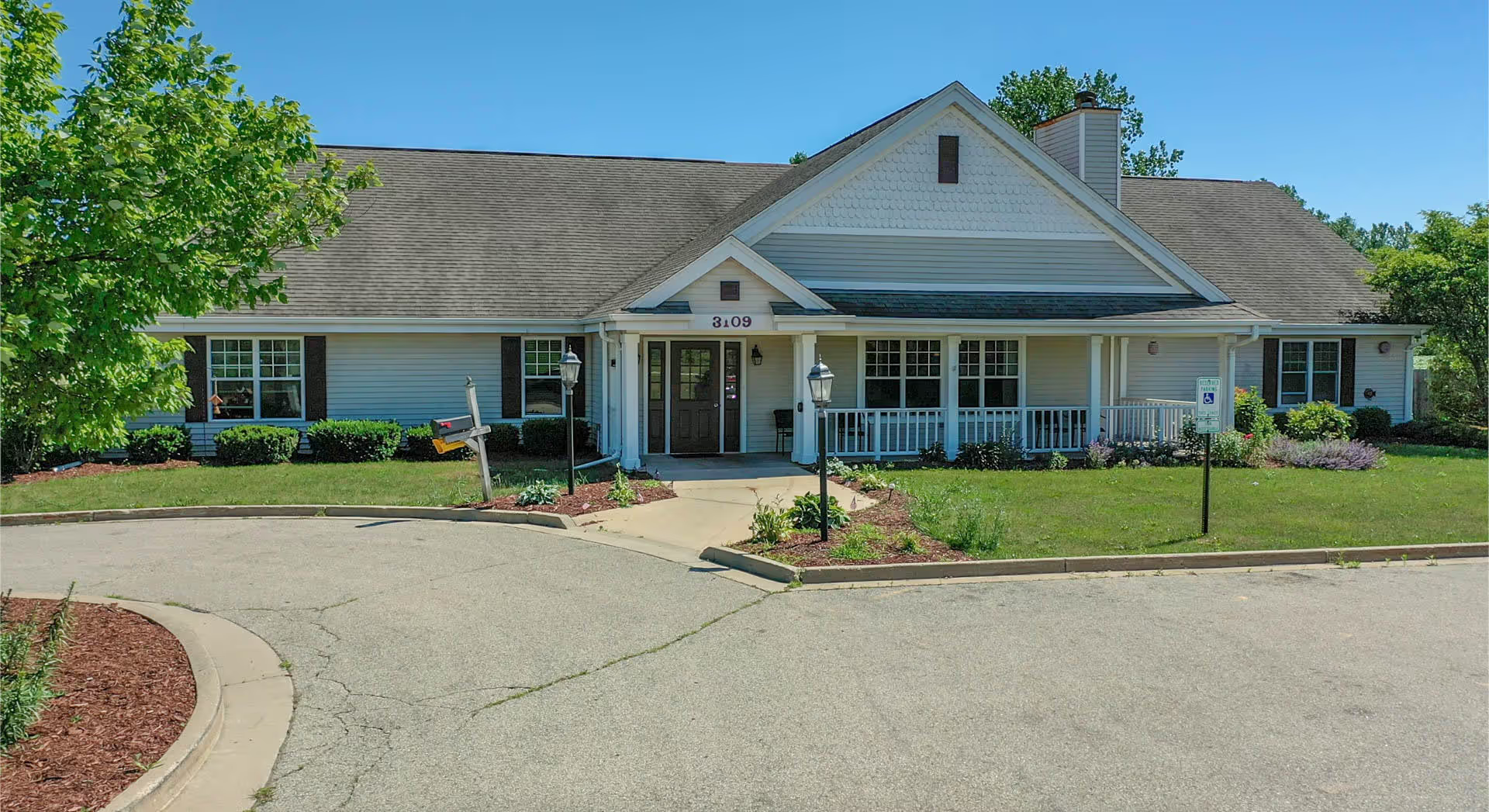
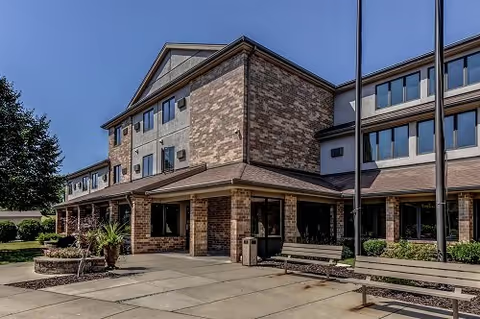
Activities programming, communal spaces, and outdoor areas receive broad positive comment. The facility is often described as having a home-like feel in public areas, with active event programming, holiday activities, and therapy-related social opportunities (including therapy-dog visits and holiday events) that contribute to resident engagement. However, facility maintenance and room-level cleanliness are uneven: while common areas are frequently praised for cleanliness and presentation, there are also reports of environmental disrepair, broken fixtures, and room-level sanitation issues. Pest-control and odor-management concerns are mentioned in multiple accounts and merit specific inquiry.
Management and communication show both strengths and weaknesses. Several reviewers commend individual leaders, social work staff, and managers who are responsive and effective in coordinating admissions, therapy goals, and discharges. Conversely, others describe communication failures, unresolved family concerns, perceived cost-cutting decisions, and dissatisfaction with incident follow-up. There are also serious, high-severity accounts — including allegations of adverse clinical events and concerns following resident deaths — that families should consider carefully; these reports are distinct from pattern-of-care complaints and would warrant direct discussion with facility leadership and review of state inspection/complaint records.
For prospective residents and families: expect a facility with strong rehabilitative capacity and many dedicated staff members, but also plan to assess operational consistency during your tour. Recommended queries and observations include staffing ratios and coverage (including nights and weekends), medication-safety and incident-reporting processes, how dietary needs and meal assistance are handled, examples of recent maintenance and housekeeping actions, and turnover rates for nursing and aide staff. If possible, visit across different shifts, request copies of facility policies (staffing, incident notification, infection control), and ask for references from recent families whose care goals match yours. This balanced approach will help distinguish the facility’s rehabilitative strengths and engaged staff from the operational variability noted in a number of accounts.