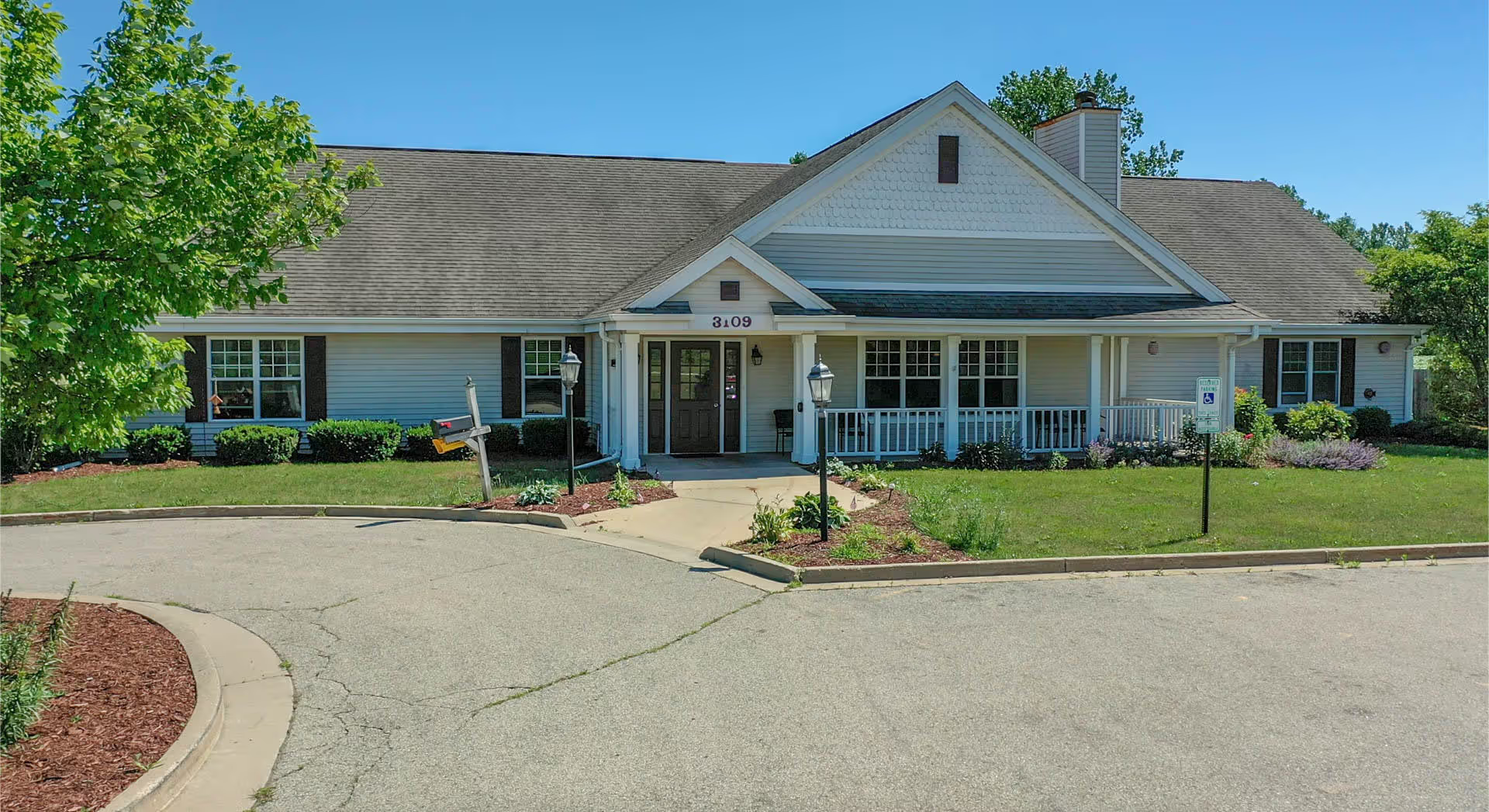
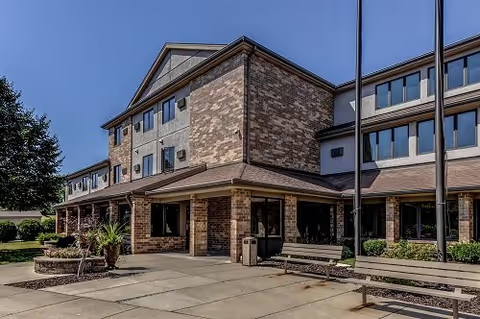
The reviews present a polarized picture of Primrose Retirement Community of Pleasant Prairie. Many families and residents praise the physical plant and community amenities: a new, attractive building with apartment-style units and kitchenettes, thoughtful landscaping, a welcoming, pet-friendly culture, and restaurant-style dining with menu options. Housekeeping, laundry, and utilities included in monthly fees, visible concierge gestures, and opportunities for family inclusion were also cited as strengths. Several accounts highlight an active social calendar with adult-focused programming, on-site therapy services, and a generally clean, well-kept environment.
Care quality and staff performance are the areas with the widest variation in experience. Numerous reviews describe staff as friendly, attentive, and caring; these accounts note personalized attention, strong rapport with visitors, and supportive caregiving that helped residents adjust. However, a substantial set of concerns centers on staffing levels and training: understaffing, frequent turnover, and a number of inexperienced CNAs were described as contributing to delayed assistance, unanswered call lights, slow responses after falls, and inconsistent incontinence-care processes. There are also recurring accounts of medication-administration errors and delays in medication delivery. A few serious individual accounts raised concerns about clinical-incident response and notification to families and regulators; these indicate the need for clarity on incident protocols and escalation procedures.
Dining experiences are similarly mixed. Some reviewers praised the dining room atmosphere and food quality, calling the service restaurant-like with varied menus and healthy options. At the same time, many families described inconsistent meal quality — examples included undercooked or overcooked items, late arrival of alternate or bedside trays, and inadequate accommodation of specific dietary needs. Several notes indicate that family engagement with dining staff has led to local improvements, but overall consistency appears to be an ongoing issue.
Activities and social programming are generally seen as strengths. Numerous residents enjoy exercise classes, arts and music programming, outings, and regular social events. Several reviews also referenced meaningful improvements in activities after leadership changes; earlier complaints about boredom were described as mitigated by new programming. Still, a few families felt the activity offerings were not always matched to their loved one’s needs.
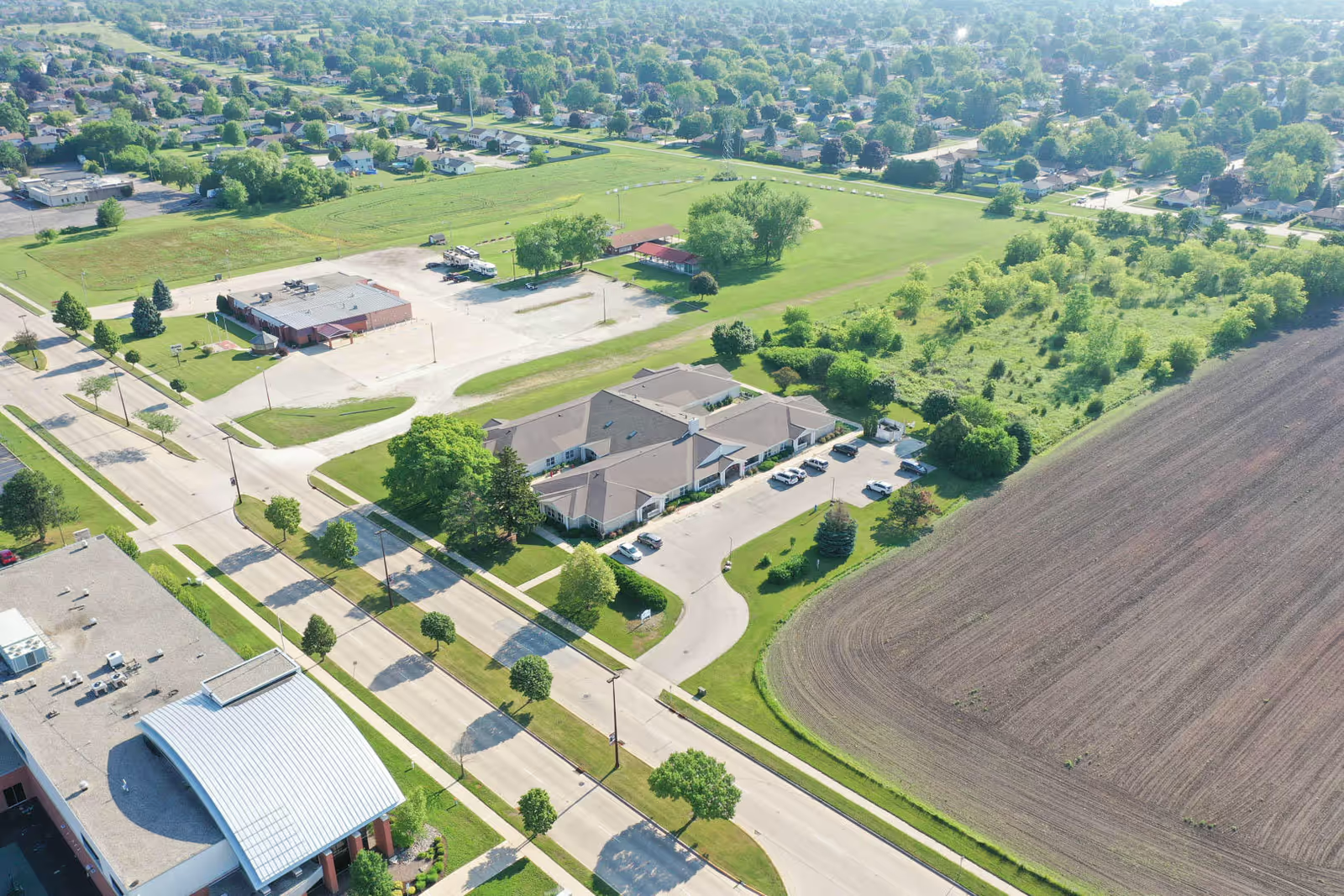
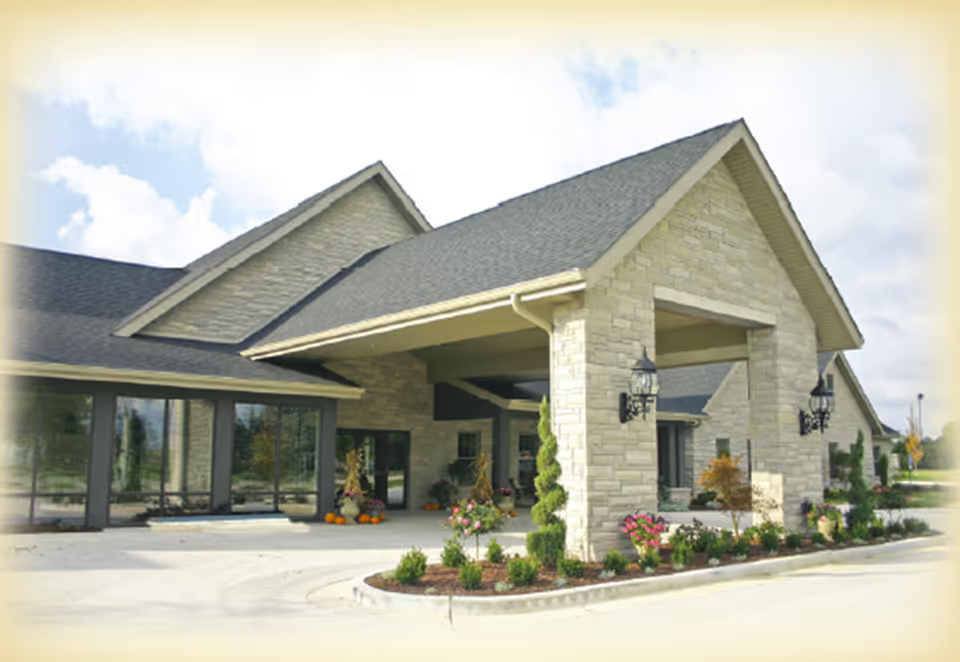
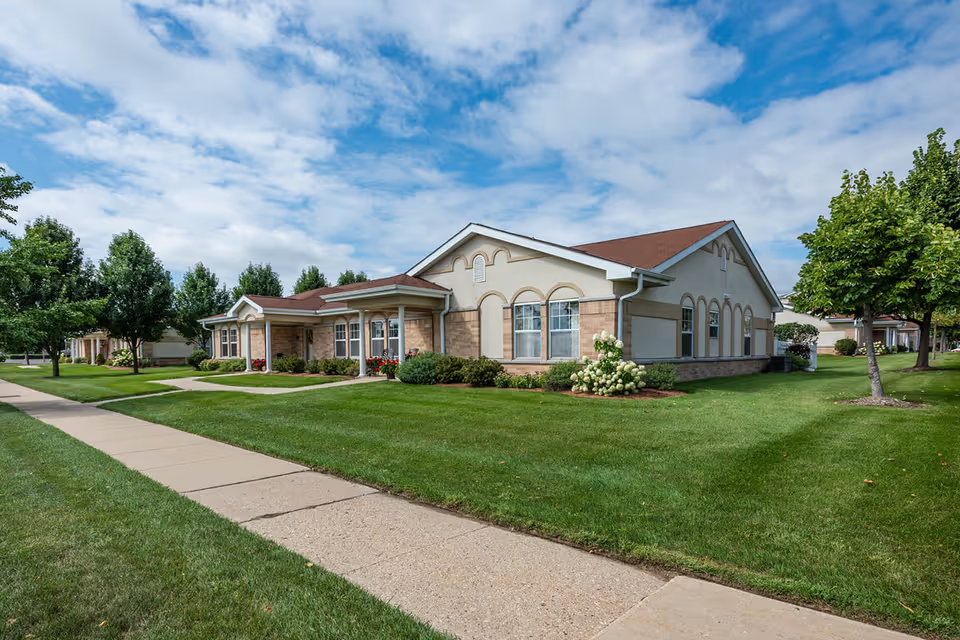
The facility itself is frequently described positively in terms of exterior appearance, apartment size, and common-area cleanliness, though some internal finishes and furnishings (noted for a particular floor) were identified as needing updates. Accessibility to medical resources and an on-site or nearby therapy presence were positive factors for many. Transportation services and bus safety, however, were flagged as areas needing review by prospective families.
Management and administrative practices show mixed reviews. Positive accounts describe helpful admissions staff and smooth move-ins. Conversely, concerns include inconsistent executive communication, complaints about billing accuracy and frequent rate increases, and an ineffective resident-advisory mechanism in some instances. Therapy services and rehabilitation received conflicting appraisals — some reviewers praised on-site therapy while others described the therapy department as inadequate.
Bottom line: Primrose of Pleasant Prairie offers many of the amenities prospective residents seek — new facilities, apartment-style living, pet-friendliness, and active programming — and numerous families report positive relationships with caregivers. At the same time, recurring operational issues (staffing stability and training, medication-management controls, meal consistency, response times to resident needs, and administrative transparency) represent important areas to investigate during a tour. Prospective residents and families should ask specific questions about current staffing ratios and turnover, staff training and supervision (especially for memory care), medication-safety protocols, dining sample availability and special-diet handling, incident-reporting procedures, billing practices, transportation policies, and how family feedback is incorporated. Observing mealtimes, visiting during off-hours, and speaking with current families can help clarify whether the community’s strengths align with a given resident’s needs.