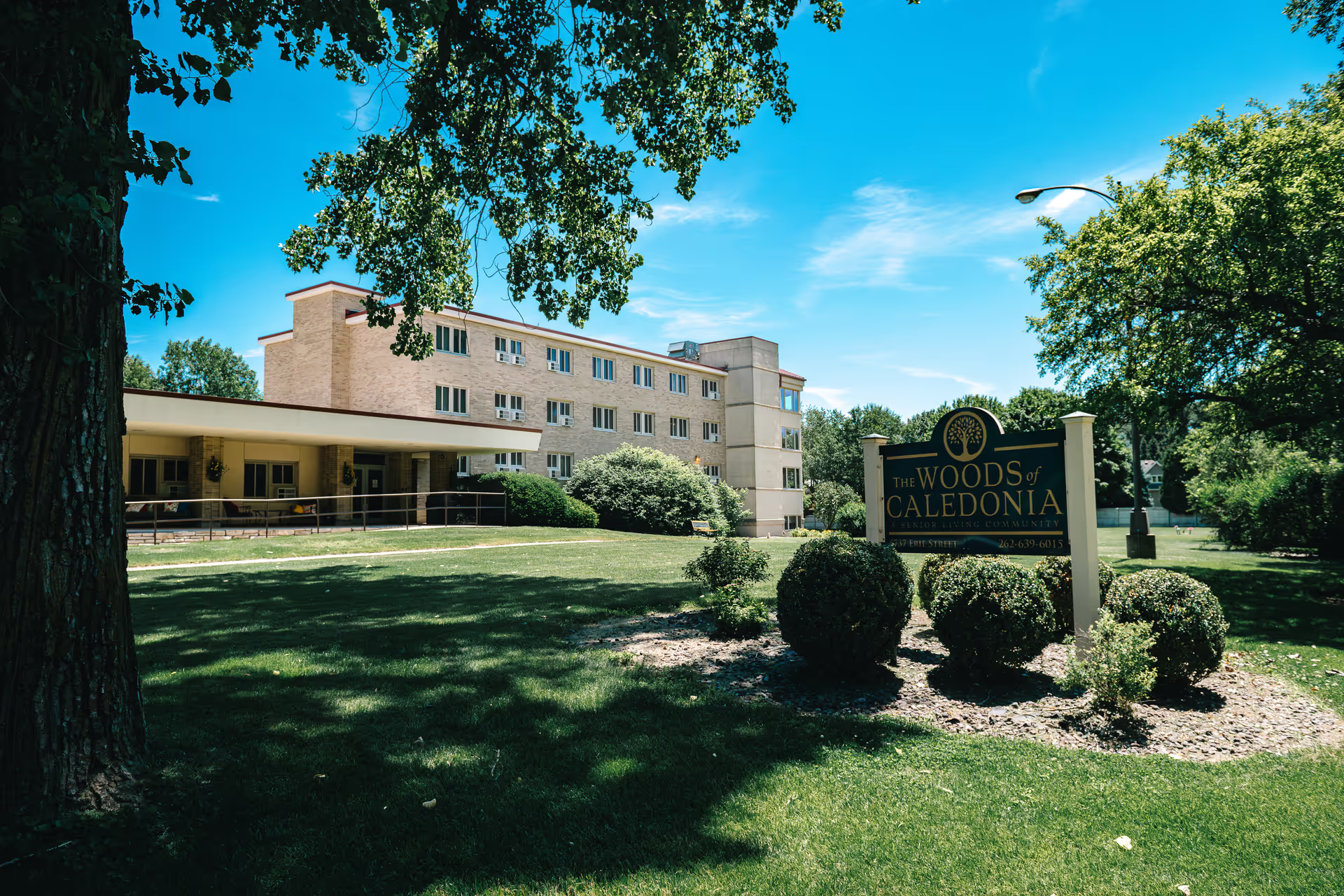
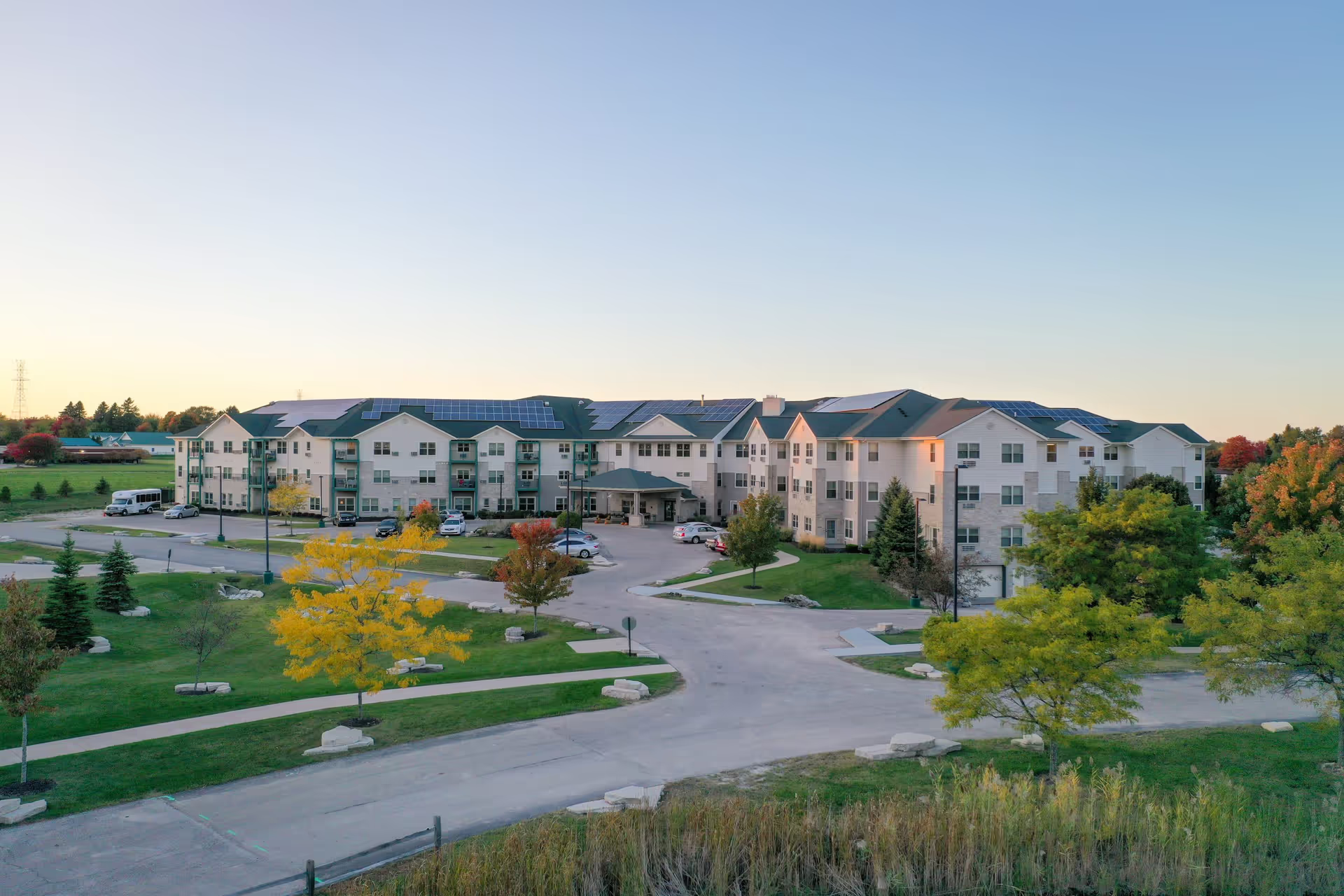
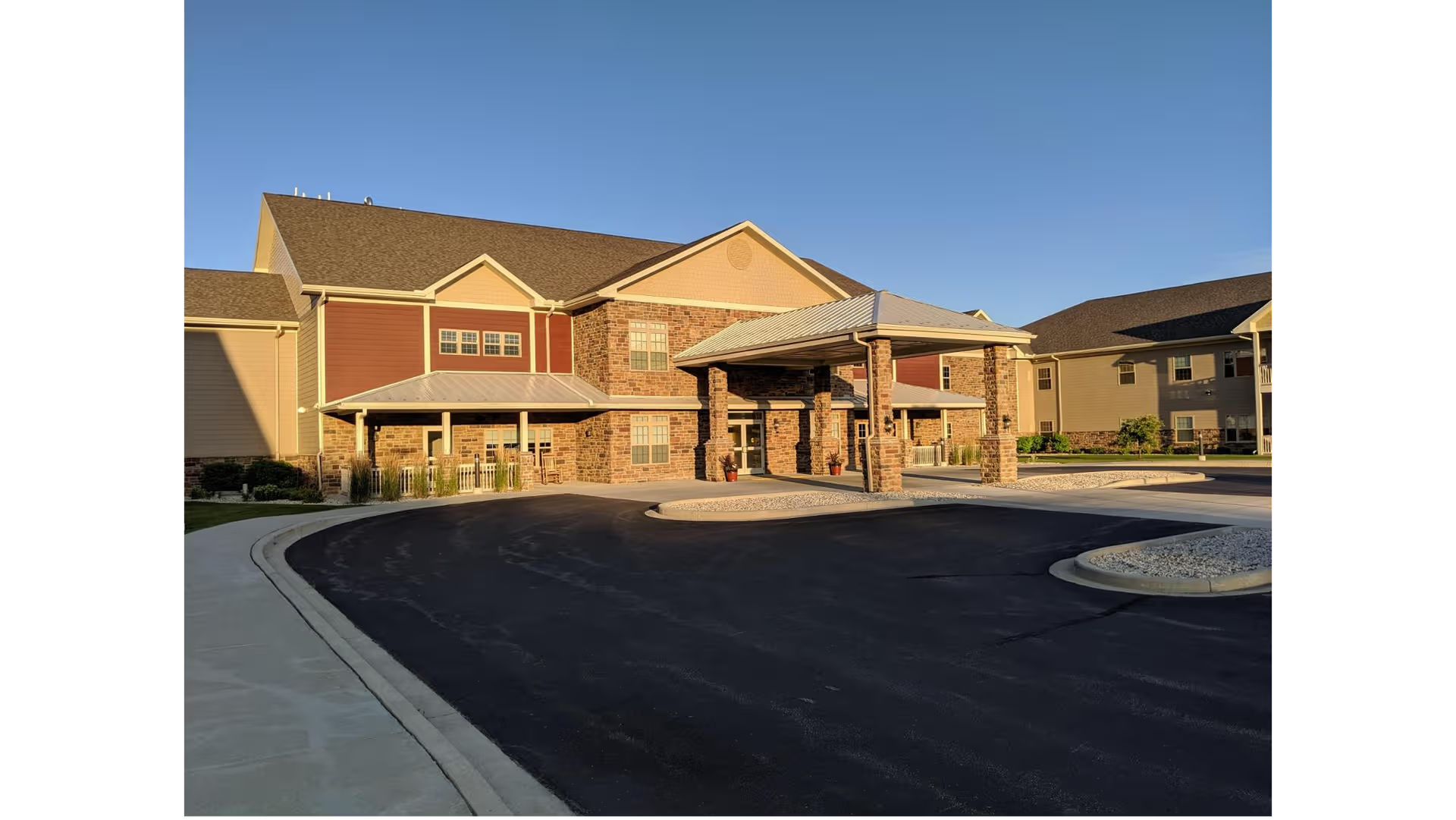
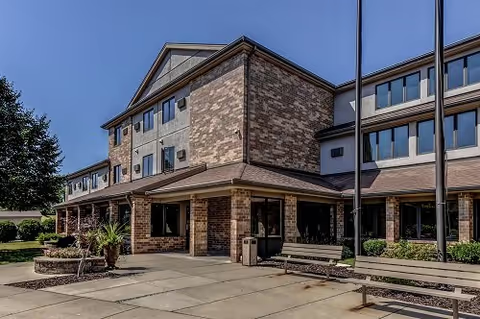
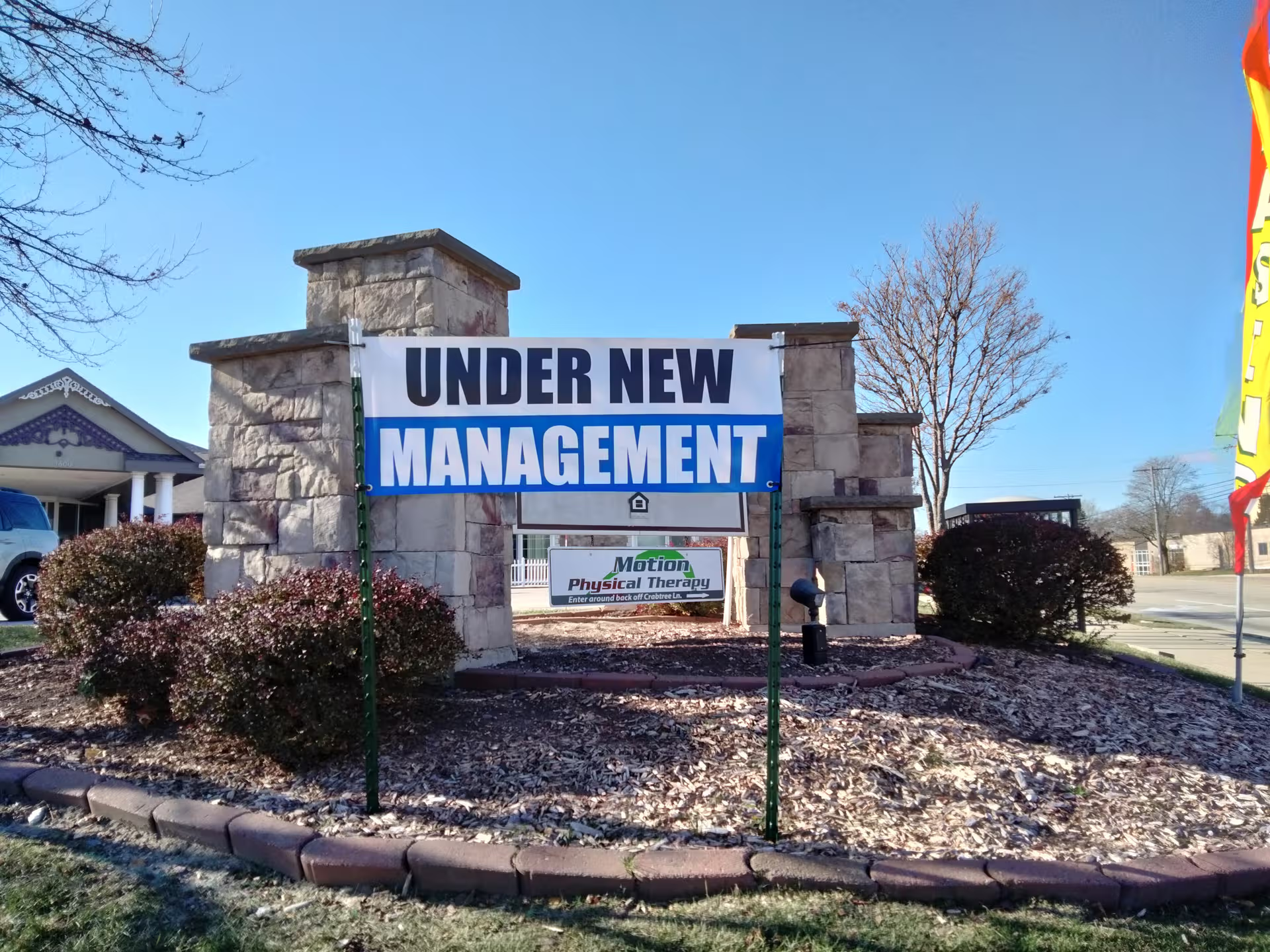
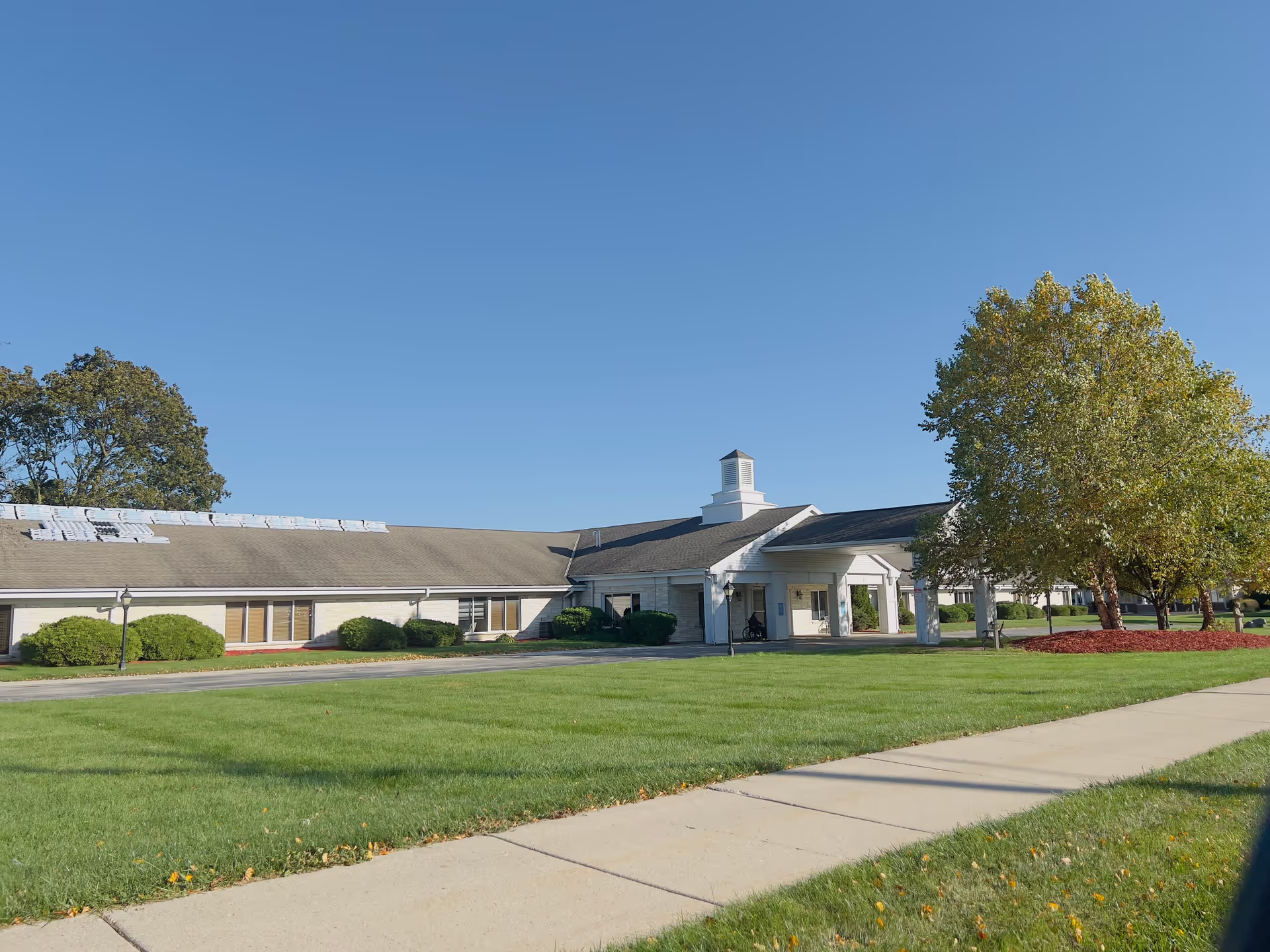
Feedback for this facility is markedly mixed, with a clear pattern of strong praise for certain staff and the physical environment alongside substantial operational concerns. Many families highlighted the facility's attractive, home-like setting — notably the lakefront location, walkable outdoor areas, and comfortable family spaces — and they described warm, accessible front-desk reception and individual caregivers who provided compassionate hands-on care. Rehabilitation therapists and some nurses received specific positive mention for effective therapy and attentive assistance, and several accounts described measurable improvement in resident condition after the initial admission period.
At the same time, there are recurring operational weaknesses that families should weigh carefully. Staffing levels and shift coverage were frequent issues, described as producing delays in responding to call requests, inconsistent bathing and meal assistance, and gaps in supervision. These staffing inconsistencies appear to affect clinical processes as well: reviewers identified problems with medication administration and clinical oversight, variable availability of therapy services (notably speech therapy in some reports), and concerns about incontinence-care practices that were associated with urinary tract infection risk for some residents. Several accounts also pointed to weaknesses in fall-monitoring and post-fall response procedures.
Communication and management practices emerged as another theme. Reviewers described lapses in communication during transitions of care, delays or failures to notify families about hospital transfers, and frustrations with billing and discharge processes. A number of comments characterized leadership as slow to address issues or insufficiently responsive when problems arose. Conversely, a subset of families reported that response times and service quality improved after the first few days, suggesting variability by shift, unit, or time period.
Dining and activities received mixed comments. Group meals and social dining were cited as positive communal features, and some families praised meal quality. However, assistance with meals and the consistency of programming were uneven; several reviews noted a missing activities director or gaps in scheduled activities. The facility's secured memory-care features were seen as beneficial for residents at risk of wandering.
Overall, the facility's strengths are concentrated in its environment, certain therapy programs, and individual compassionate caregivers. Its operational vulnerabilities center on staffing consistency, clinical oversight (medication and therapy availability), sanitation and incontinence-care practices, fall monitoring, and management communication. Prospective residents and families would be well advised to tour the facility, ask specific questions about staffing levels (including weekend coverage and use of contracted staff), medication-administration protocols, fall-monitoring systems, infection-prevention practices, activity leadership, and recent quality or inspection records to better understand how current operations align with their care expectations.