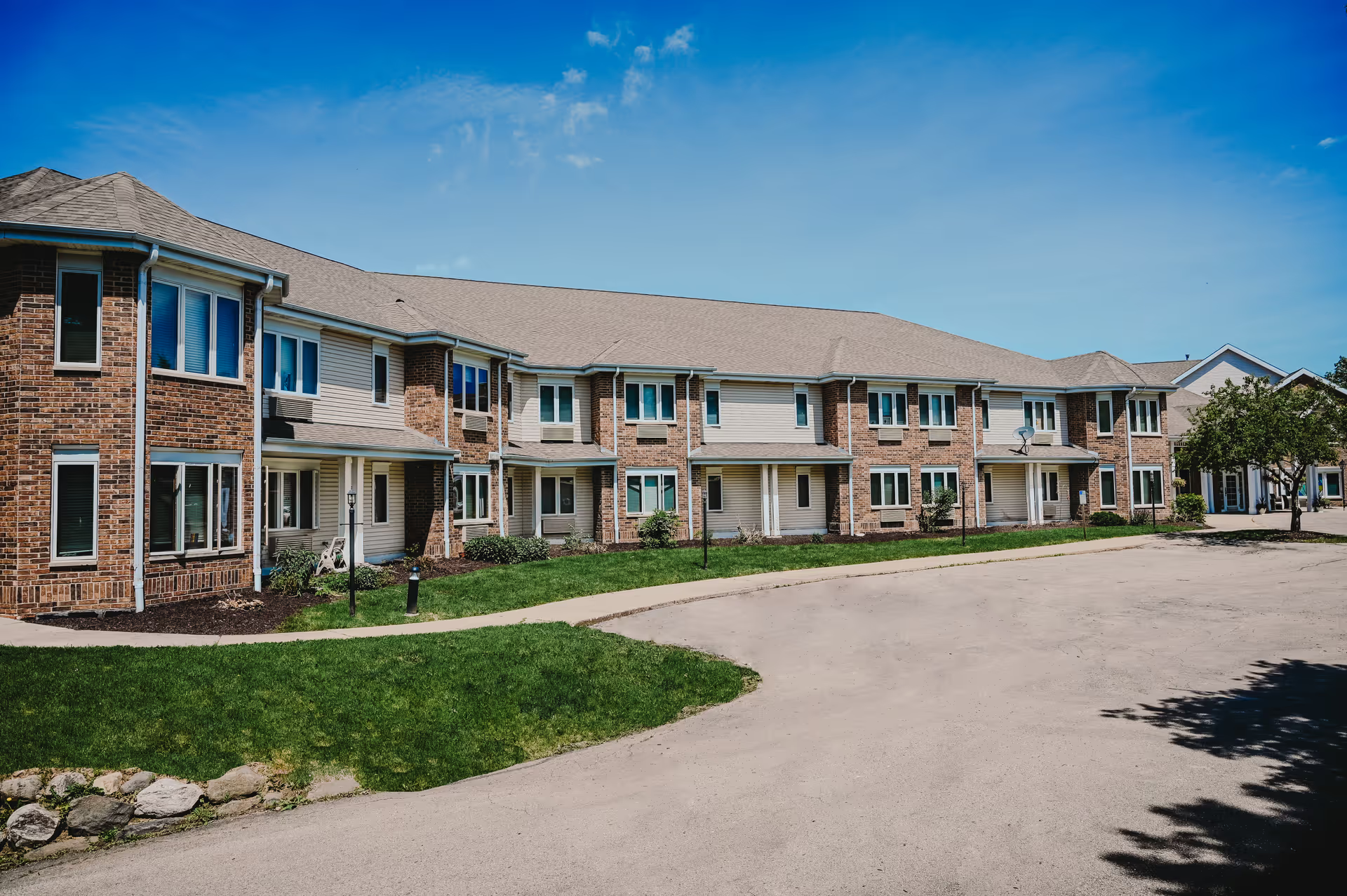
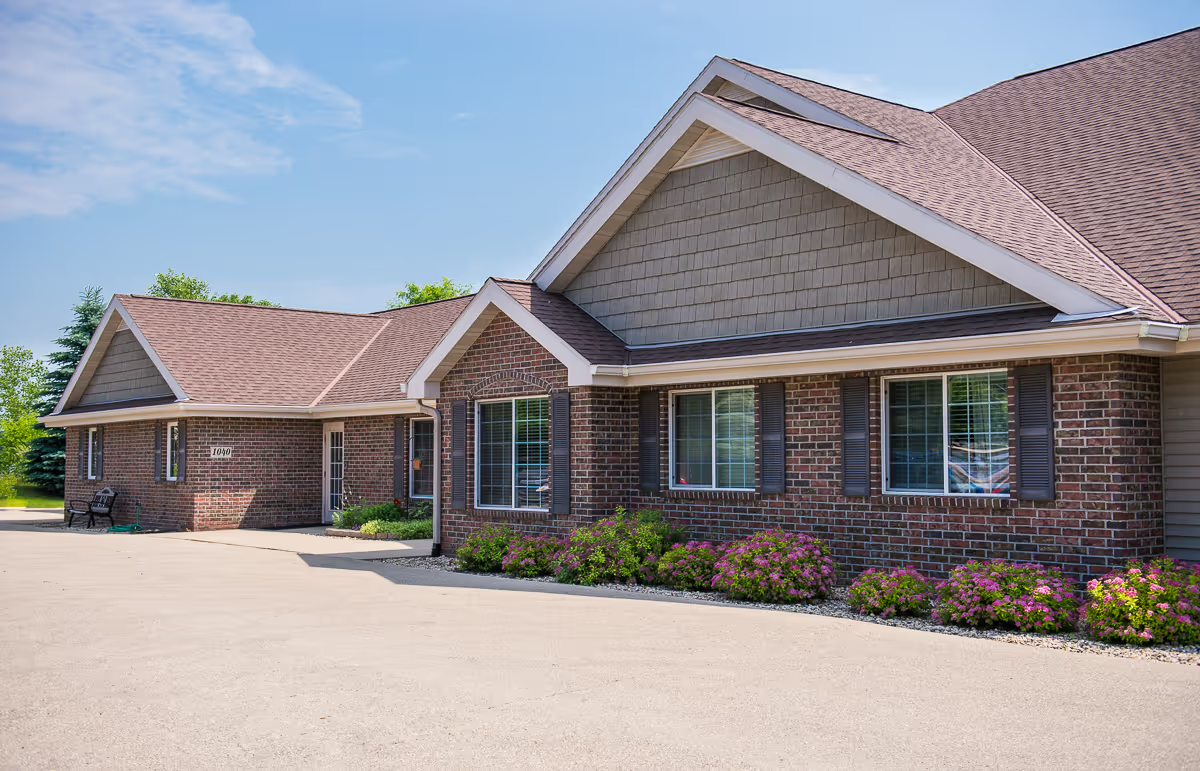
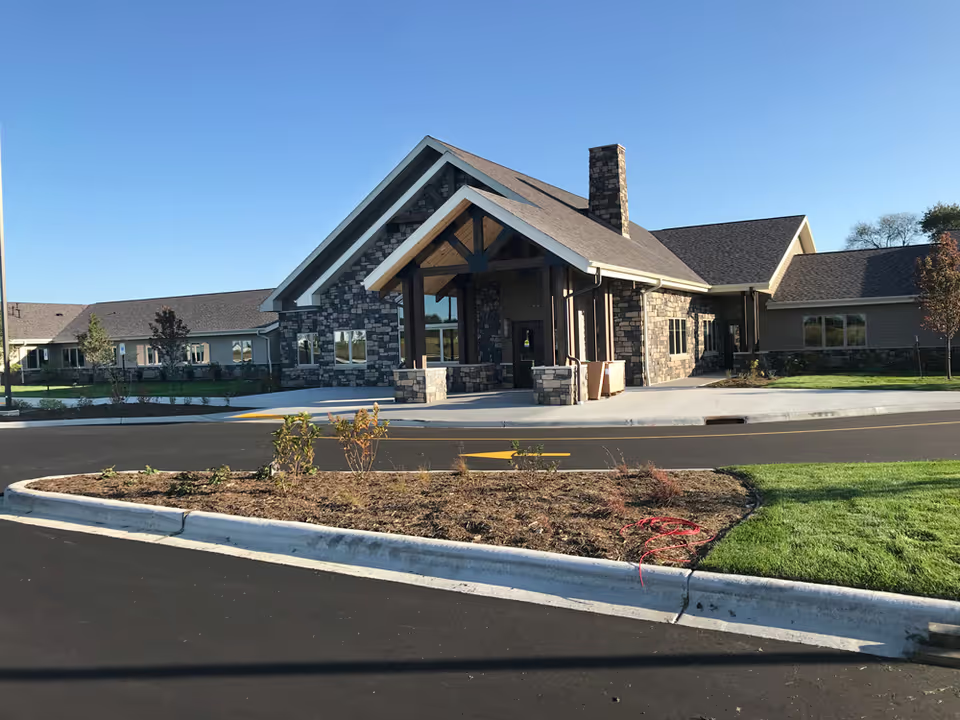
Sylvan Crossings at Westshire elicits strongly mixed impressions. Many reviewers highlight the facility’s physical attributes and atmosphere: a small, personal community housed in recently renovated spaces with bright, well‑lit private rooms and one‑bedroom suites. Common areas are attractively furnished, outdoor grounds include walking paths and a gazebo, and the building is generally described as clean and wheelchair accessible. These environmental strengths are frequently linked to a home‑like feel and positive social opportunities during dining.
Direct care receives similarly mixed but specific feedback. CNAs and several direct‑care staff are regularly described as caring, patient and attentive; families describe staff who coax residents into personal care, provide hands‑on aftercare in rooms, and maintain good bedside interactions. At the same time, there are recurring operational concerns: staffing shortages, frequent turnover, and language barriers that can affect day‑to‑day consistency and communication. Reviewers cite variability in responsiveness to requests, delays in bathing or checks, and uneven follow‑through on care plans. For residents with cognitive impairment some families found staff knowledgeable and supportive, while others noted gaps in programming and consistency.
Dining and activities are uneven. Some accounts praise a pleasant dining room and meals made from scratch, and social lunchtime opportunities; others describe unappetizing presentation, cold food, reliance on processed items, and inconsistent meal availability. Activity offerings range from posted morning exercise and occasional walking groups to reports of very limited programming and few group activities—particularly for memory care residents. Prospective families should review the current activity calendar and sample menus to assess fit with a resident’s needs.
Safety, medication, privacy and housekeeping concerns appear as recurring themes. Several reviewers noted falls or weaknesses in fall‑prevention practices, and some described unreliable alarm or pull‑cord responses. There are also documented concerns about medication ordering and family notification processes, privacy breaches and personal‑property security, and episodic sanitation or maintenance issues (for example, dish cleanliness and temporary hot‑water outages). These items point to operational consistency issues rather than solely isolated incidents.
Management and organizational stability are mixed. While some families describe prompt, communicative leadership and helpful directors, others report frequent managerial turnover, inconsistent follow‑up, and communication practices that felt unsatisfactory or coercive (including pressure around move‑out notices and requests to limit public feedback). There are references to regulatory citations and compliance questions; prospective families should review the facility’s inspection history and ask management for corrective‑action documentation.
In summary, Sylvan Crossings at Westshire offers many of the environmental and interpersonal qualities families seek in a small assisted‑living community: clean, renovated rooms, inviting common spaces, accessible grounds, and several staff who are genuinely caring. However, significant operational variability—around staffing stability, meal service consistency, activity programming, safety systems, communication practices, and property security—creates a polarized set of experiences. Prospective residents and families would benefit from targeted questions during a visit: current staffing levels and turnover, fall‑prevention protocols and alarm testing, medication‑notification policies, examples of recent corrective actions from inspections, activity schedules, language‑access supports, and a meal sampling. Those checks will help determine whether the facility’s strengths align with a specific resident’s care and lifestyle needs.