Overall impression Alternative Care, Inc. is described predominantly in positive terms, particularly around staff interactions, social opportunities, and the facility's homelike character. Many reviewers emphasize accommodating and accessible staff, consistent availability of caregivers, and friendly interpersonal exchanges. These qualities appear to support resident socialization and an overall improvement in mood for some residents compared with experiences at larger facilities.
Care and staff Care-oriented comments focus on staff responsiveness and a welcoming approach. Reviewers often use words such as accommodating and friendly to describe caregiving personnel, suggesting a staff culture oriented toward personal attention. This is reinforced by references to residents forming friendships and participating socially; those patterns indicate active support for communal engagement and daily supervision. At the same time, the presence of sanitation-related concerns in a limited number of reviews points to possible operational gaps tied to personal-care routines and environmental maintenance that management should monitor.
Dining and activities Dining is a prominent theme. Several reviewers praise home-cooked, daily meals and a homely dining experience, while at least one reviewer raised concerns about food quality. This pattern suggests variability in meal consistency: the facility often delivers home-style meals that families value, but there may be occasional lapses in culinary standards or meal execution. Activities programming is consistently described as robust, with frequent daily options that facilitate social interaction and engagement for residents.
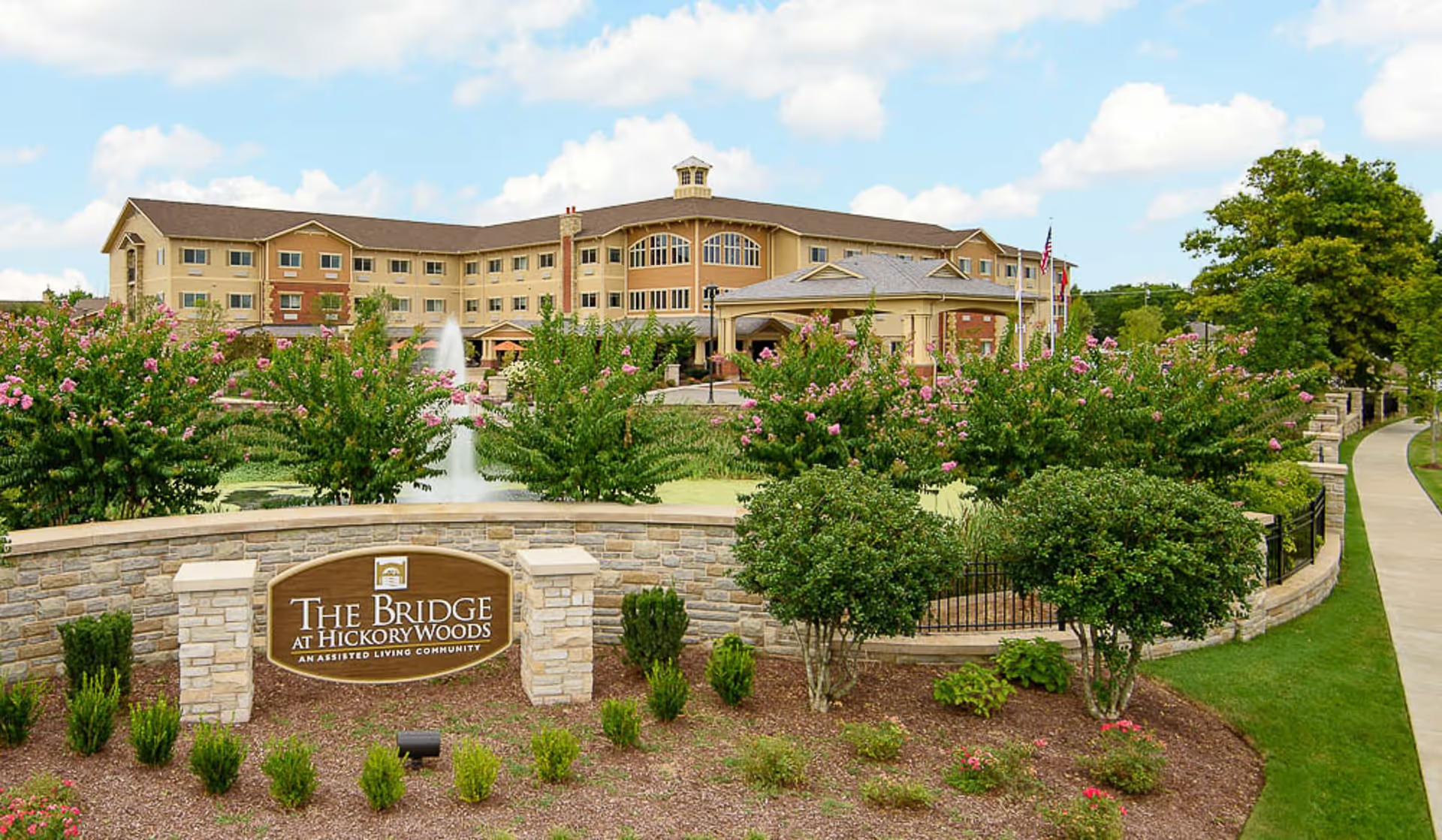
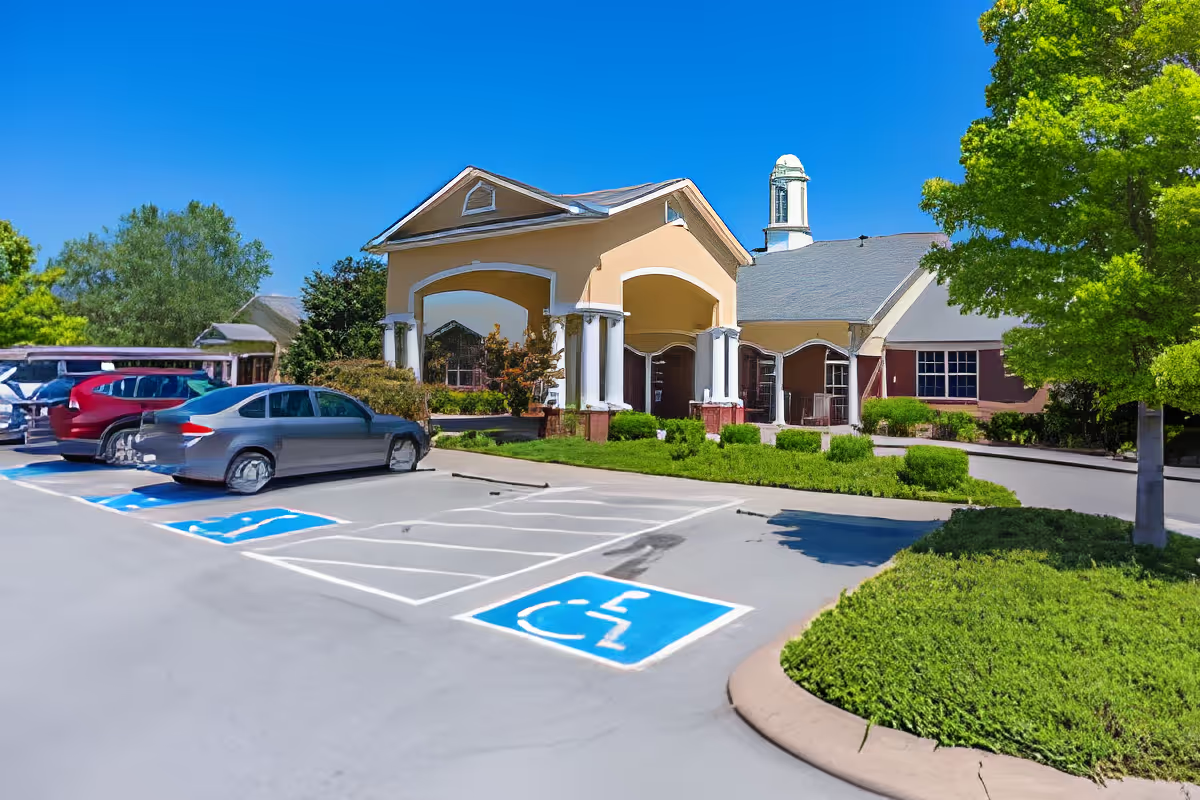
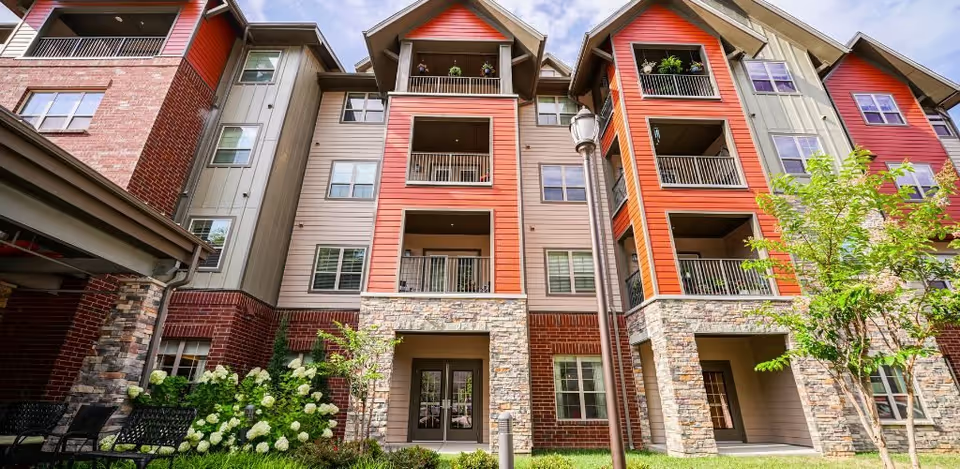
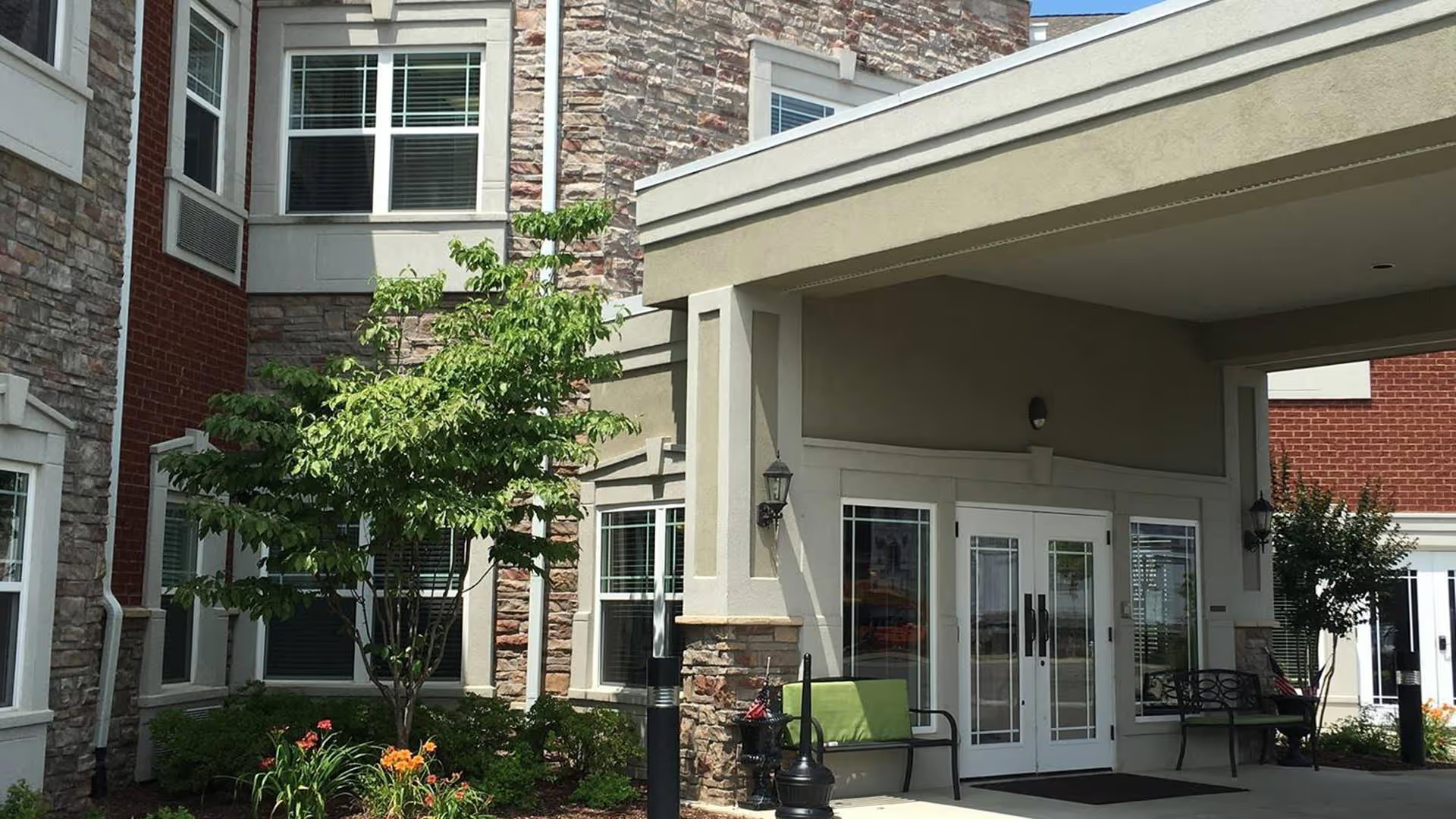
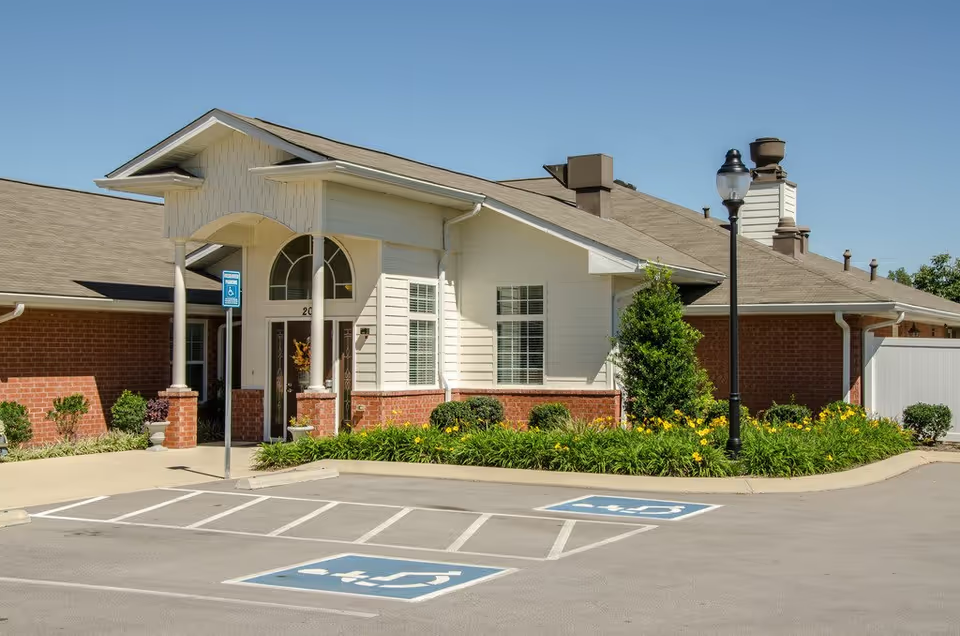
Facilities and management The facility is generally characterized as comfortable, homelike, and safe. Positive commentary about pricing and the atmosphere indicates perceived value and a residential feel rather than an institutional one. However, isolated comments about odor and sanitation in shared areas indicate a need for attention to environmental controls and housekeeping processes. Those observations point to potential operational weaknesses in odor control and incontinence-care management rather than to pervasive facility-wide failure.
Notable patterns and considerations In summary, the dominant themes are strong staff–resident relationships, active social programming, and a home-style dining environment that many families appreciate. Counterbalancing that are intermittent concerns about sanitation/odor control and inconsistent meal quality, which imply operational areas for quality assurance. Prospective residents and families may benefit from touring the facility, sampling a meal, and asking specific questions about housekeeping schedules, odor-management protocols, and incontinence-care procedures to assess alignment with their expectations.