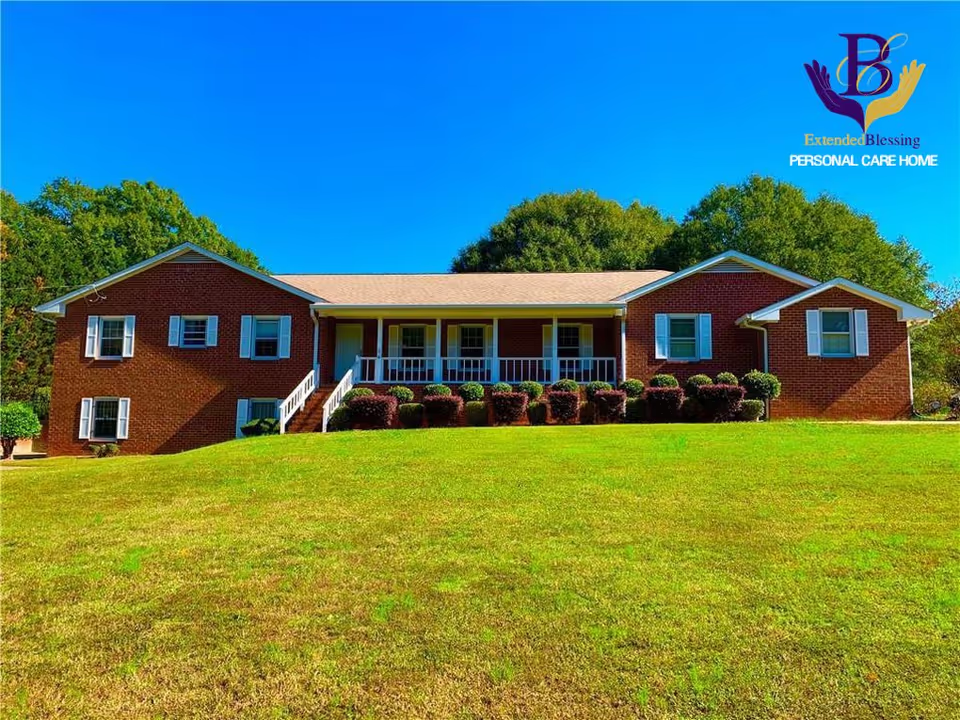
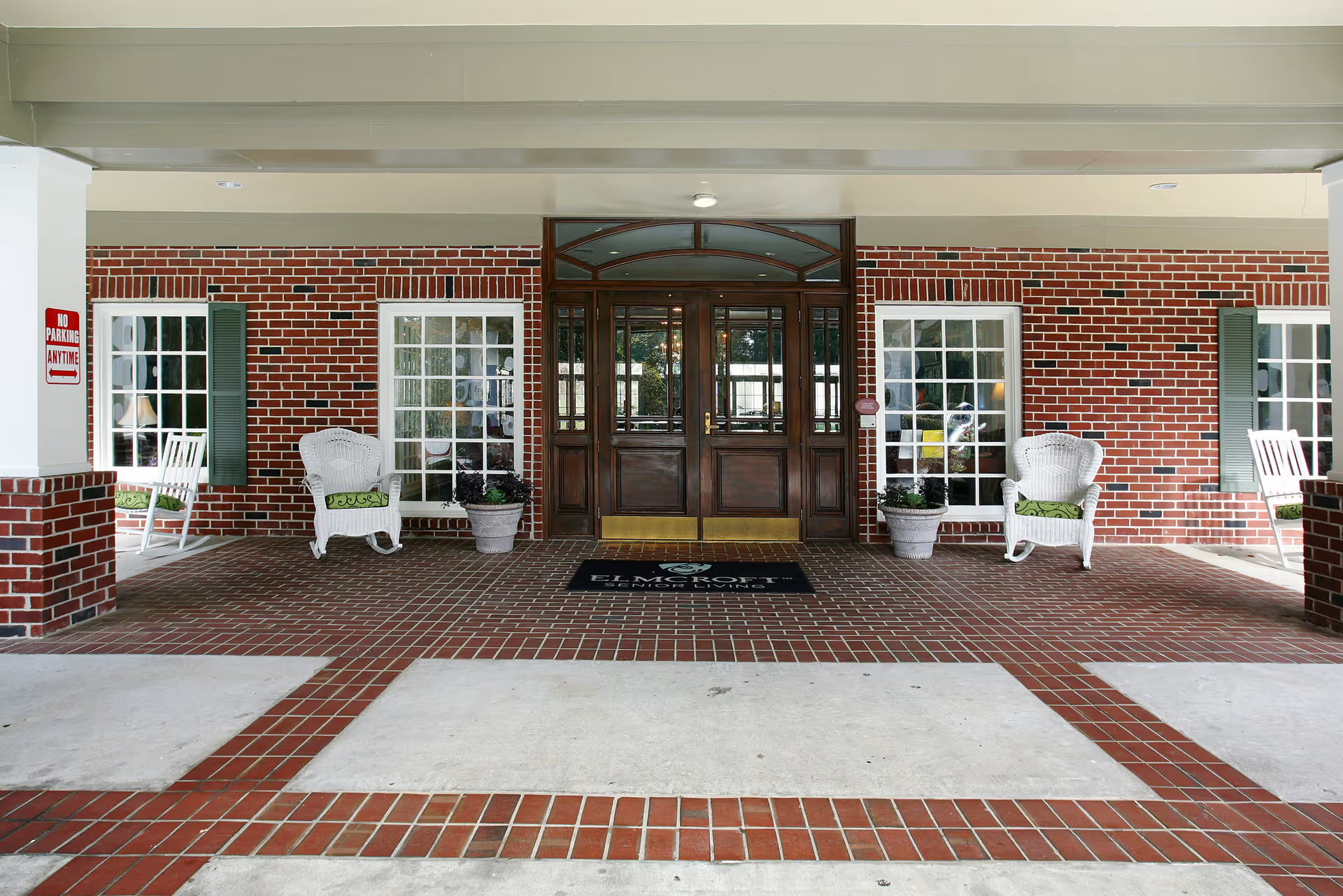
The reviews reflect a facility that has undergone a visible transition. Several accounts describe operational and environmental problems under prior management, while more recent comments highlight a change in ownership or administration that has resulted in building-wide renovations and a clearer two-bedroom unit inventory. Prospective residents should weigh the apparent physical improvements against lingering operational concerns.
Care and staff: There is limited direct commentary about clinical care or organized caregiving programs in the submitted summaries. More prominent are concerns about staff responsiveness and management tone: reviewers described interactions as uncaring and noted delays or gaps in responsiveness. Those indicate potential issues with customer-service orientation and family communication rather than documented clinical-quality metrics. Prospective families should request specific staffing ratios, staff training information, and examples of caregiver response times during a tour.
Dining and activities: The summaries do not provide substantive information about meal quality, dining services, or recreational programming. Absence of commentary in these areas suggests reviewers focused largely on safety, maintenance, and leasing experiences. Visitors should ask for menus, sample activity calendars, and opportunities to observe or participate in activities when evaluating the community.
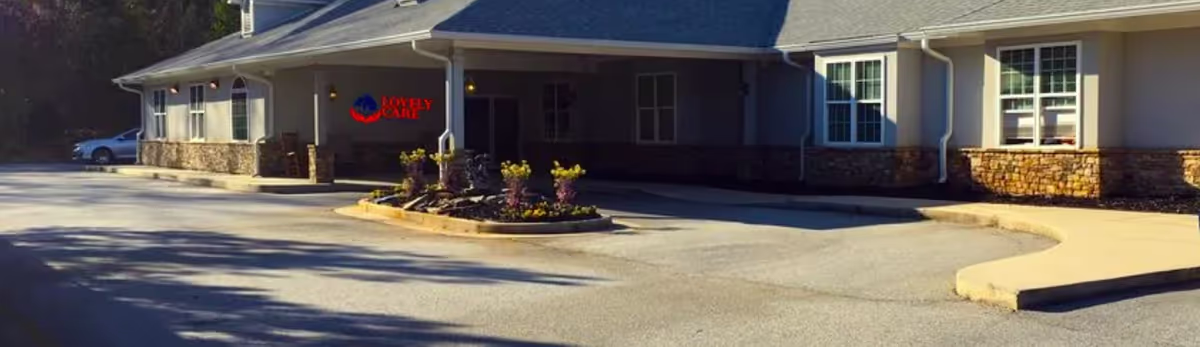
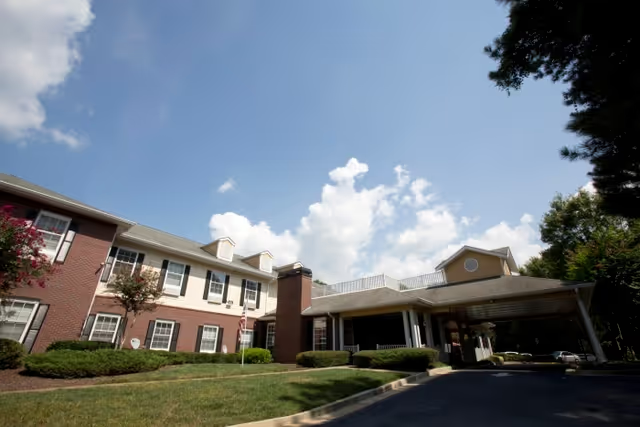
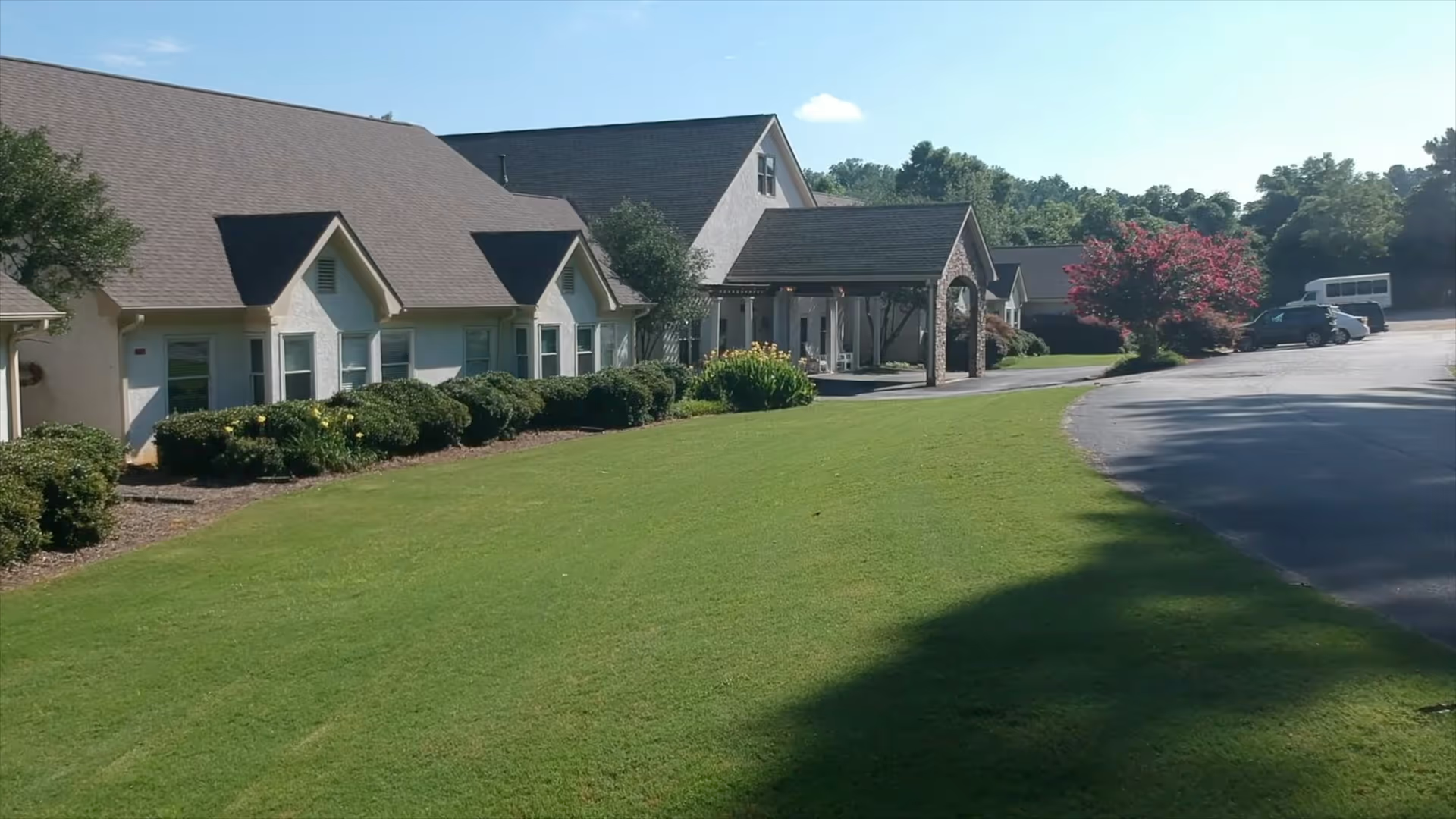
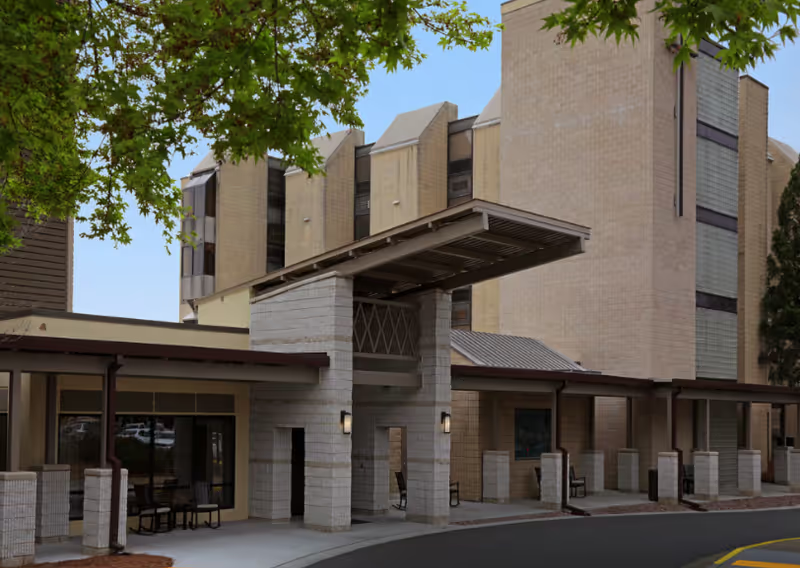
Facilities: Review content points to two competing themes. On one hand, recent management has invested in extensive renovations and emphasizes distinct aesthetics by unit, and there is advertised availability of two-bedroom units. On the other hand, reviewers raised sanitation and odor concerns (including mothball-like odors), broken washers and dryers, and general maintenance shortfalls. These items suggest that while some units or common areas have been upgraded, other operational systems and routine maintenance may not have been consistently addressed.
Management and operations: The summaries indicate a history of problematic leasing and move-in coordination, such as showing incorrect unit types or units not ready for occupancy. Security and access control are a recurring operational weakness—comments about unauthorized non-resident presence, lack of visible surveillance, and perceived safety vulnerabilities point to gaps in perimeter control, access procedures, or on-site security practices. Several reviewers characterized management as unresponsive or uncaring prior to the recent transition; new management and renovations are noted but it may take time to fully resolve process-level issues.
Notable patterns and recommendations: Overall, the pattern is of a community that has had safety, cleanliness, maintenance, and leasing-process weaknesses, with new management actively pursuing renovations and tighter unit offerings (two-bedroom focus). Prospective residents should verify current security measures, inspect recently renovated units in person, confirm the operational status of laundry and building systems, and seek written commitments on move-in readiness and communication protocols. Where dining, activities, and clinical staffing are priorities, request specific documentation and on-site observation, as the reviews do not provide substantive information on those areas.