Overall impression: River's Edge by Barclay House elicits strongly mixed feedback. Many reviewers praise the frontline staff, activity programming, dining structure, and the campus amenities, while others describe recurring operational and administrative problems that affect resident experience. The community positions itself mainly as an independent-living option with a range of apartment types and shared amenities; it may not be appropriate for residents who require progressive or assisted-level care.
Care and staff: Numerous reviewers highlight compassionate, attentive caregiving and supportive dining and cleaning staff. Tour and leasing personnel are frequently described as professional and helpful, and several family members noted active follow-up and checks on residents. At the same time, there are consistent concerns about leadership instability and high staff turnover, which reviewers tie to service inconsistencies, delayed responses, and periods when scheduled services (housekeeping, activities, or dining) were reduced or disrupted. Prospective residents should ask about staffing stability, shift coverage, and staff-to-resident ratios.
Dining: The facility offers three daily meals and multiple entree options; many people compliment the variety, presentation, and an engaged executive-chef model at times. Others describe variable food quality tied to kitchen staffing changes and note sanitation-related worries in some food-service settings. Reviewers reported both excellent culinary experiences and occasions of decline; this suggests dining quality may depend on current kitchen staffing and management oversight. Ask about chef continuity, menu rotation, special-diet accommodations, and food-service sanitation protocols during a visit.
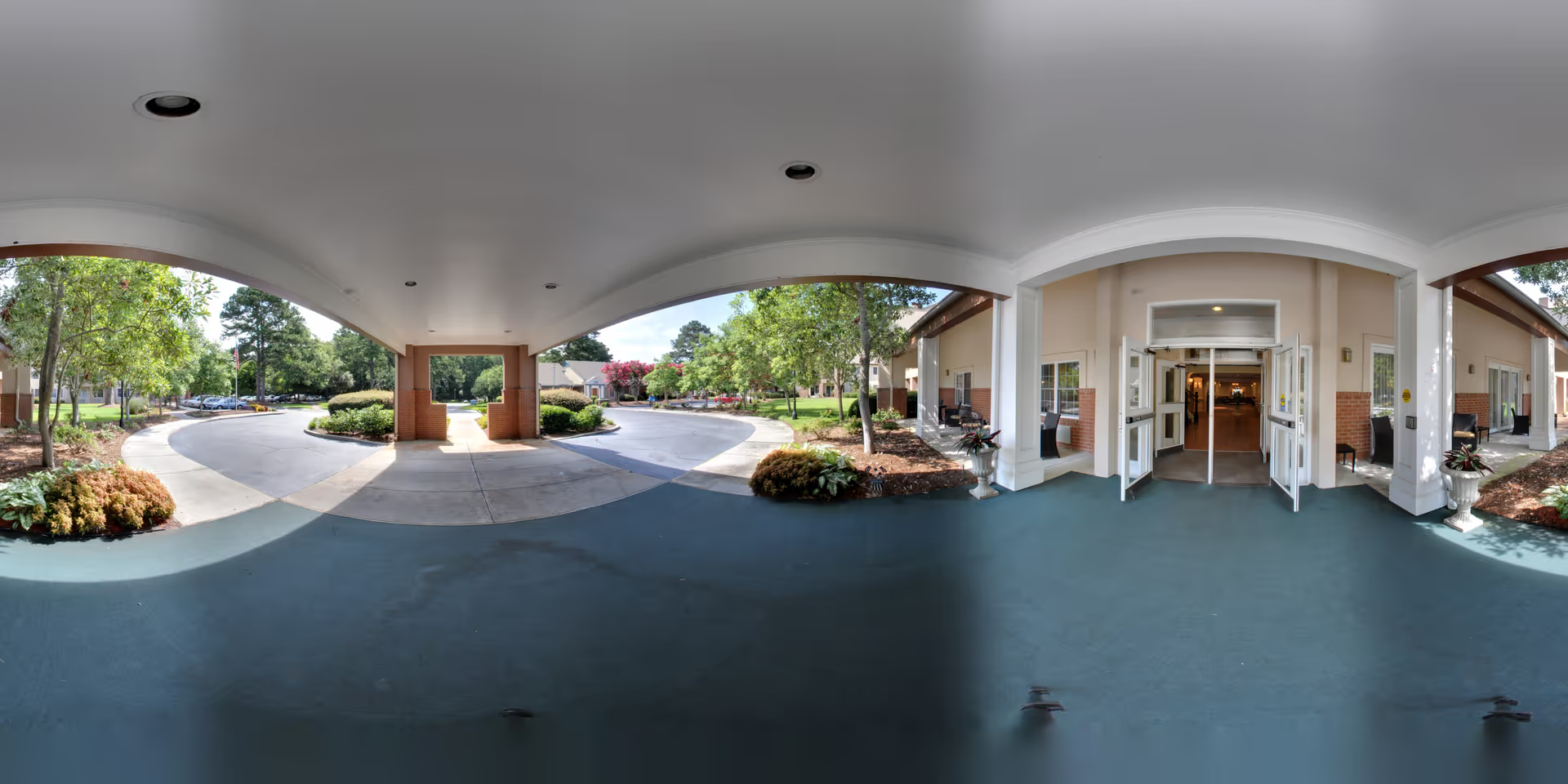
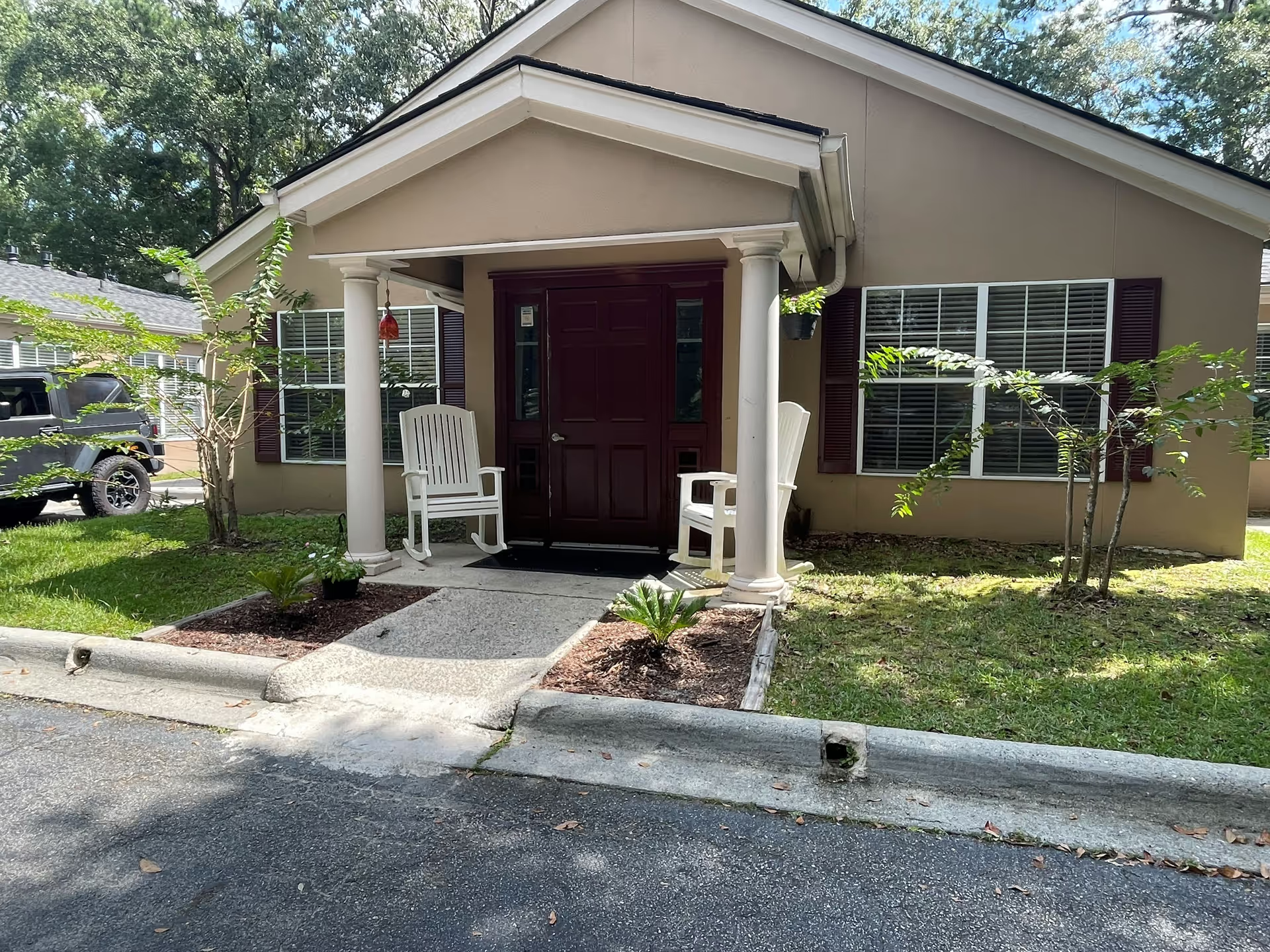
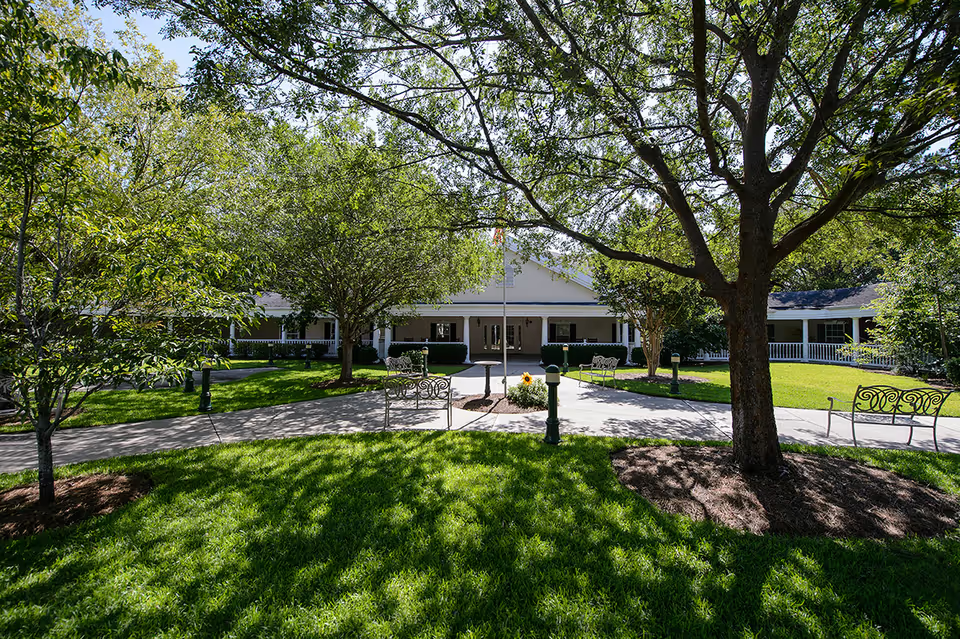
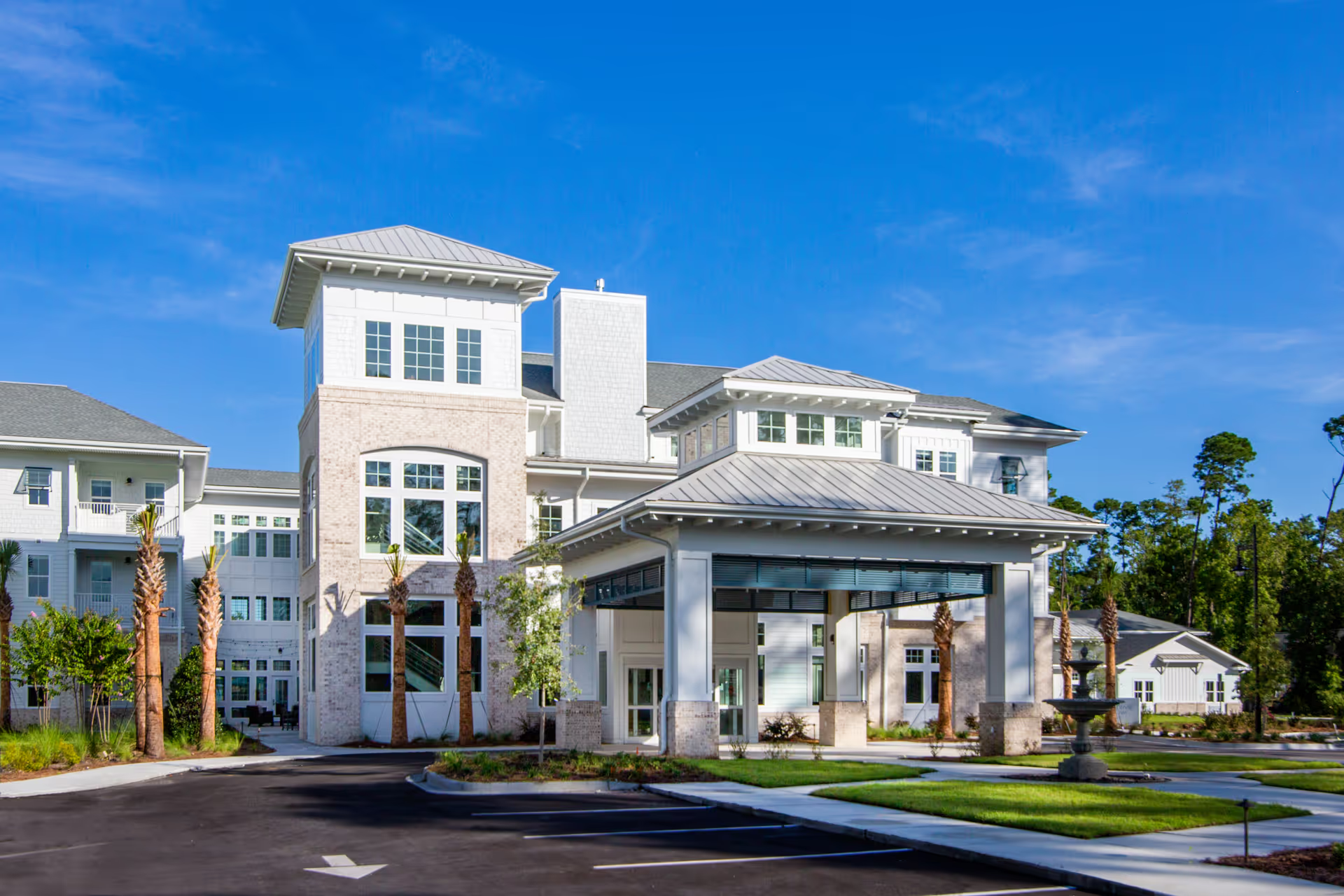
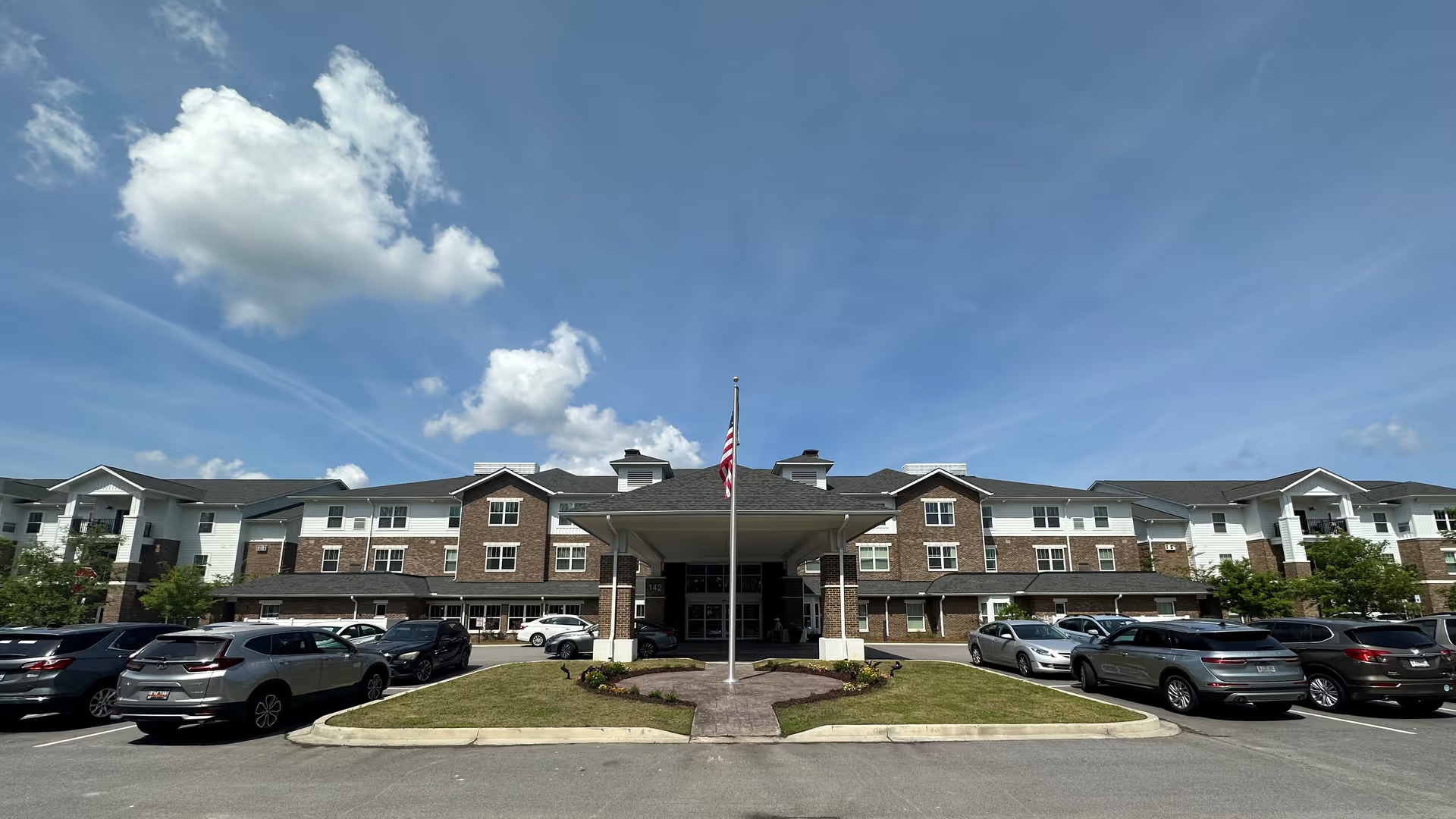
Activities and amenities: Activity programming is a consistent strength. Residents and families cite a broad schedule (arts and crafts, exercise classes, bus outings, music programming, chapel services, and more) and an active, visible activities director. Physical-therapy services, an on-site salon, library, exercise rooms, and outdoor spaces (patios, ponds, gardens) are repeatedly noted. Renovations and remodeled common areas are ongoing in many parts of the property, and cottages provide an alternative layout for those seeking private home–like units.
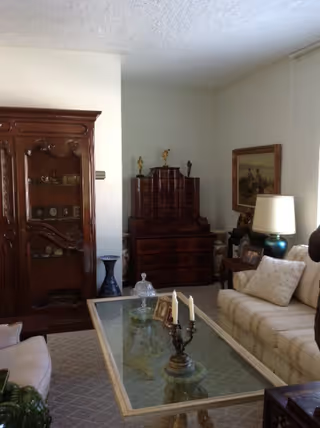
Facilities, maintenance, and safety: Several reviewers praise remodeled units, clean common areas, and attractive grounds, but others describe slow maintenance response times and intermittent cleanliness or sanitation issues in particular areas. Specific operational concerns include pest-control problems in some units and food-service zones, utility-outage handling (including lack of generator backup in at least one instance), and occasional safety or patio upkeep concerns. Transportation service is available but has been described as unreliable by some families. Verify maintenance service-level expectations, pest-control plans, and emergency preparedness procedures during your tour.
Management and administrative issues: A recurring theme is inconsistent management and administrative processes—frequent leadership changes, unclear contract or deposit handling, and communication gaps between corporate/sales teams and on-site staff. These issues are described as affecting move-in experiences, billing, and the timely fulfillment of promised services. Prospective residents should review the housing and care contracts closely, confirm deposit and refund policies in writing, and ask for written timelines for planned refurbishments or service guarantees.
Bottom line: River's Edge offers many attributes that appeal to independent-living residents—engaged staff, robust activities, on-site services, and varied apartment options. However, operational weaknesses (leadership turnover, maintenance and pest-control inconsistencies, dining variability, and administrative gaps) have had tangible effects on some residents' experiences. Families considering River's Edge should conduct an on-site visit focused on current staffing, pest-control and sanitation measures, dining leadership, maintenance response times, contractual terms, and emergency plans to determine whether the community's strengths align with their loved one's priorities and care needs.