Overall impression: Reviews for Grandhaven Manor present a mixed but informative picture. Many reviewers describe a bright, well-kept community with attractive grounds, spacious apartments, and a strong social program. At the same time, a subset of reviews documents operational concerns that prospective residents and families should weigh when touring or making a placement decision.
Care and staff: A frequent strength cited is staff kindness and approachability—front-office personnel, caregiving staff, and long‑tenured employees are described as caring and helpful. The activities team, especially a noted activities director, receives consistent praise for creativity and resident engagement. However, reviewers also describe high staff turnover and frequent management changes, which correlate with concerns about inconsistent service delivery, gaps in communication, and uneven responsiveness. Some families expressed worry about the facility’s ability to meet higher-acuity needs and about coordination with outside home‑health providers.
Dining and activities: The community offers scheduled meals, a monthly menu, and optional dinner service; transportation to grocery runs and regular outings is also part of the program. Many residents enjoy bingo, parties, and group trips, and the activity calendar and daily reminders are viewed positively. Conversely, several accounts describe inconsistent food quality, limited dining choices for some residents, and variability in how reliably social programming is delivered—particularly for adults seeking more frequent or varied offerings.
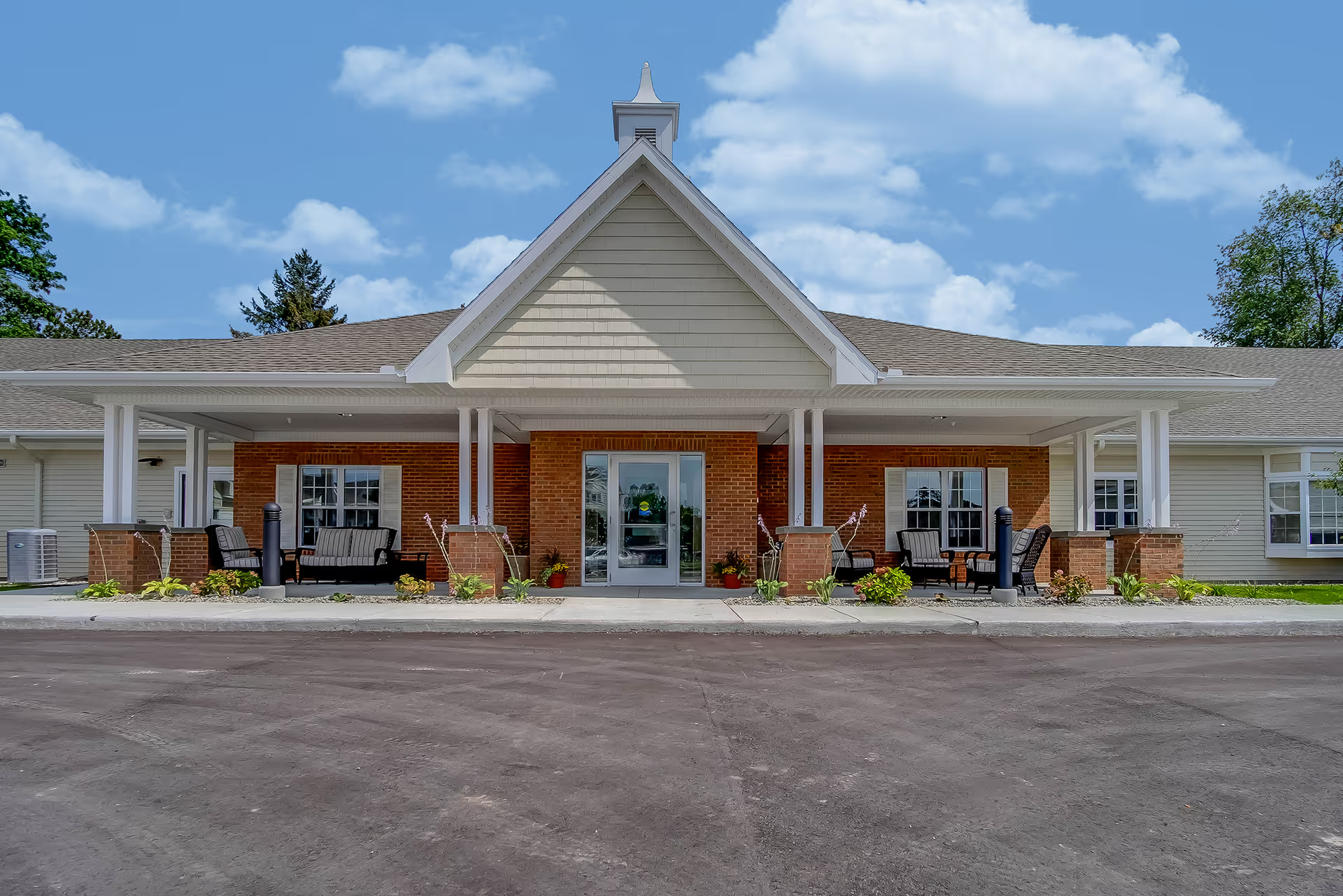
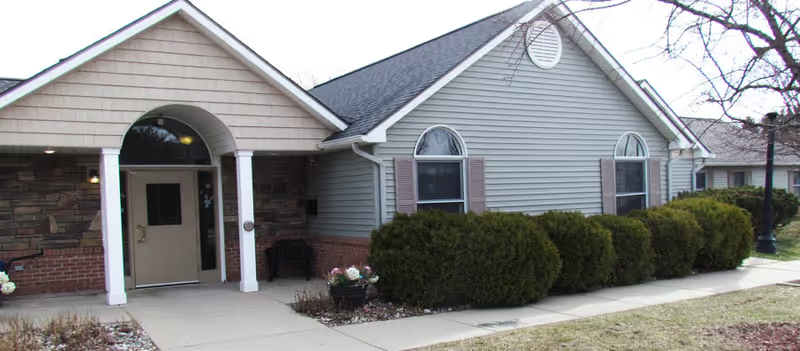
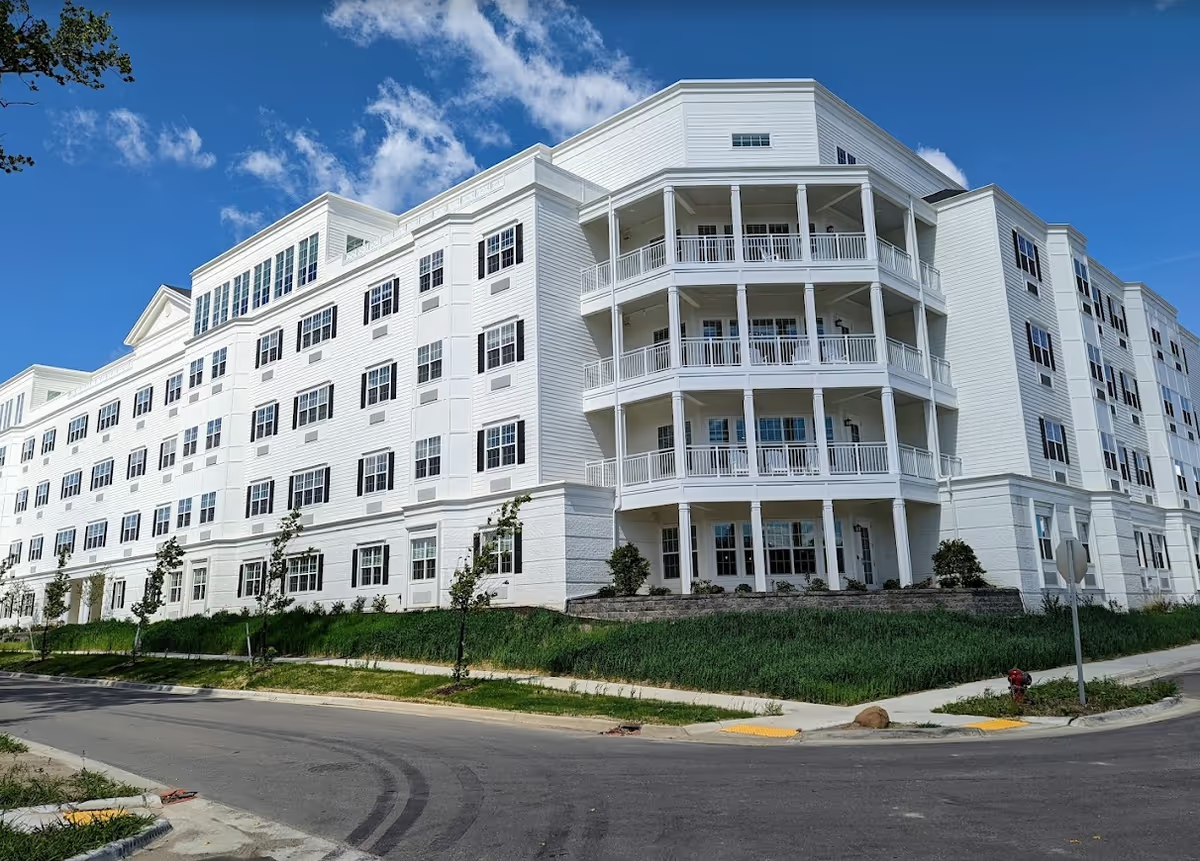
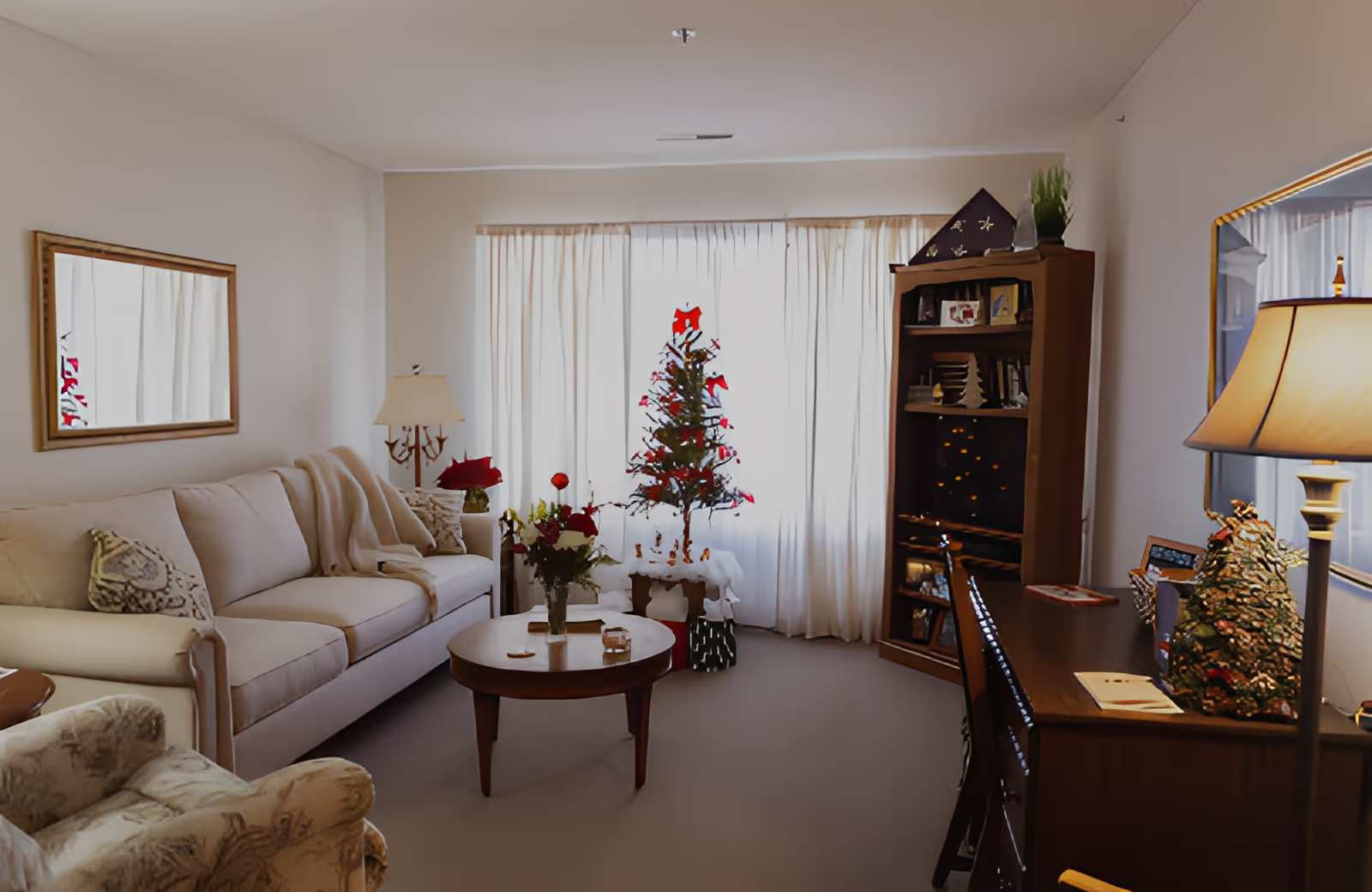
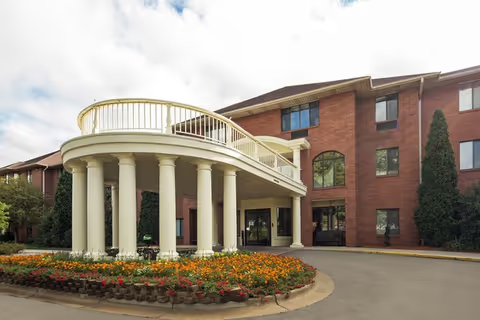
Facilities and maintenance: The physical plant and grounds are commonly highlighted as attractive and well-maintained: clean common areas, natural light, elevators, and on‑site amenities such as an exercise room, theater, and laundry on each floor. Maintenance staff are frequently described as willing and capable, and many repairs are completed quickly. Yet others report inconsistent execution—unfinished repairs, peeling paint, occasional power outages, and sanitation control problems in some apartments. Persistent pest-control concerns are also cited as an ongoing operational issue.
Management, safety and operations: Reviews indicate mixed performance in management and corporate responsiveness. Positive comments note professional tours and welcoming lease processes, while negative accounts point to communication lapses, unexpected changes to services, and concerns about billing transparency. Safety-related issues include inconsistent emergency preparedness (notably the absence of backup power for residents who rely on electric medical devices) and serious allegations of staff theft and privacy breaches. These latter items, when present in family accounts, are significant and warrant direct questioning during a tour and review of facility policies.
Notable patterns and decision guidance: The data suggest a polarized experience where many residents thrive—citing friendly staff, active programming, and attractive facilities—while a discernible minority experiences operational problems that affect daily living (cleanliness, pest control, maintenance completion, management communication, and emergency readiness). Prospective residents should: 1) tour multiple apartments and common areas at different times of day; 2) ask for recent pest-control records and maintenance completion logs; 3) review dining options, sample a meal if possible, and clarify what is included versus extra cost; 4) confirm staffing stability and on‑site clinical/home‑care availability if higher-acuity needs are anticipated; and 5) inquire about emergency power plans and documented policies for resident privacy, property security, and billing practices. These steps will help determine whether the facility’s strengths align with an individual resident’s needs and risk profile.