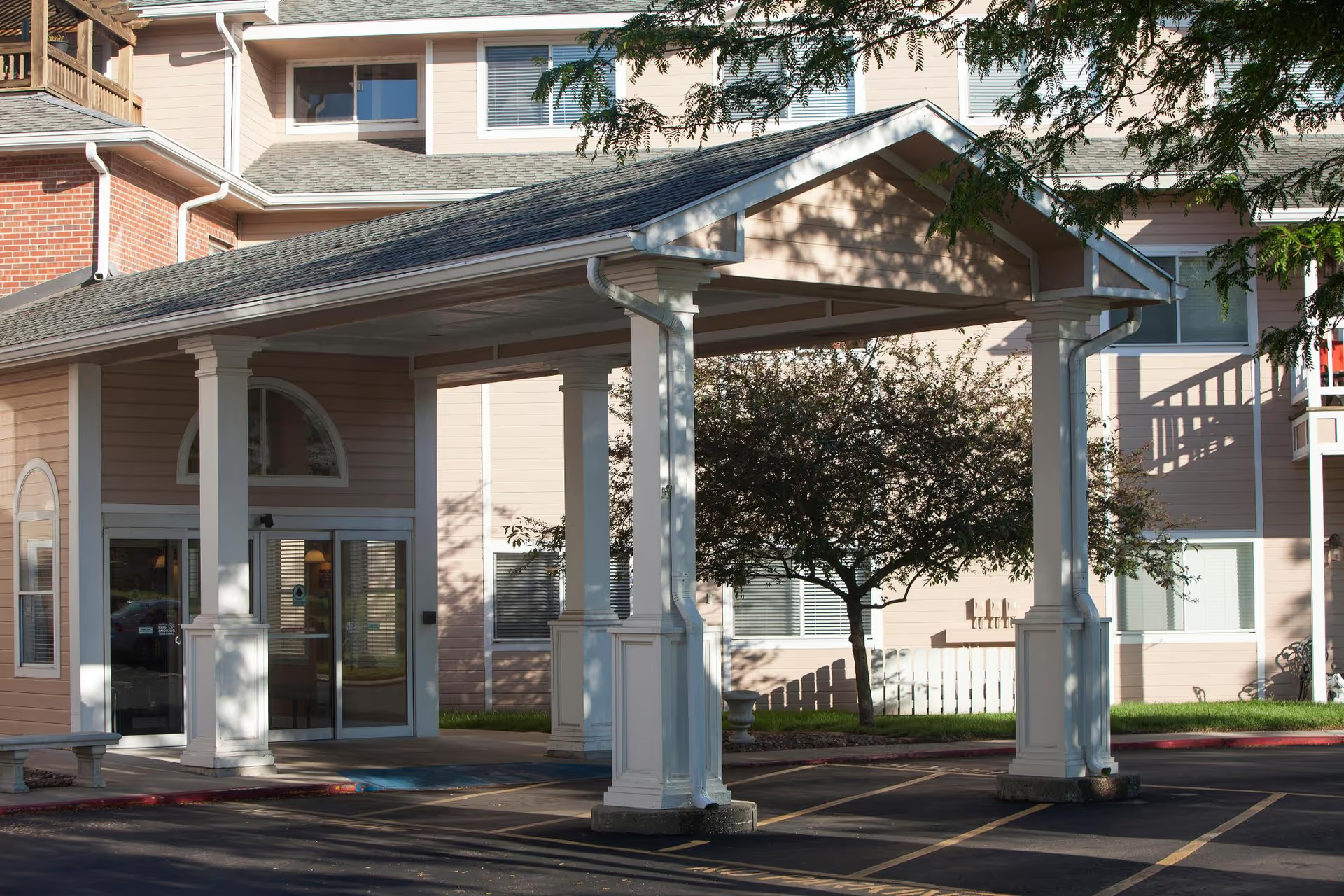
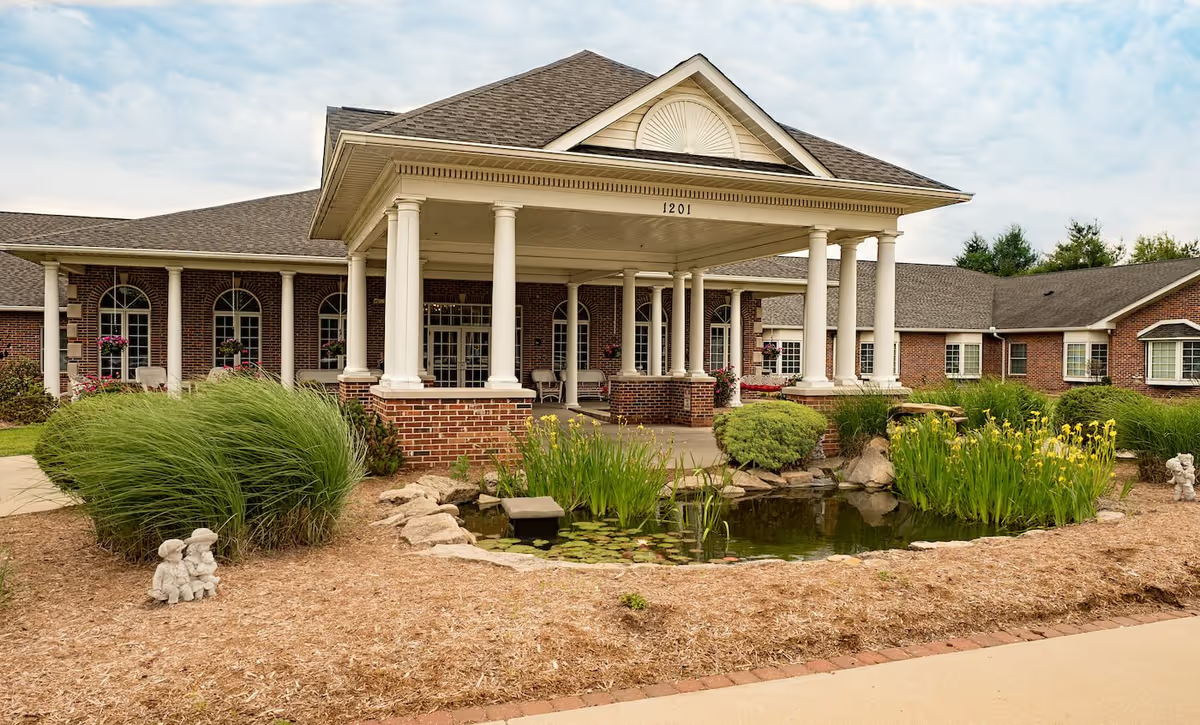
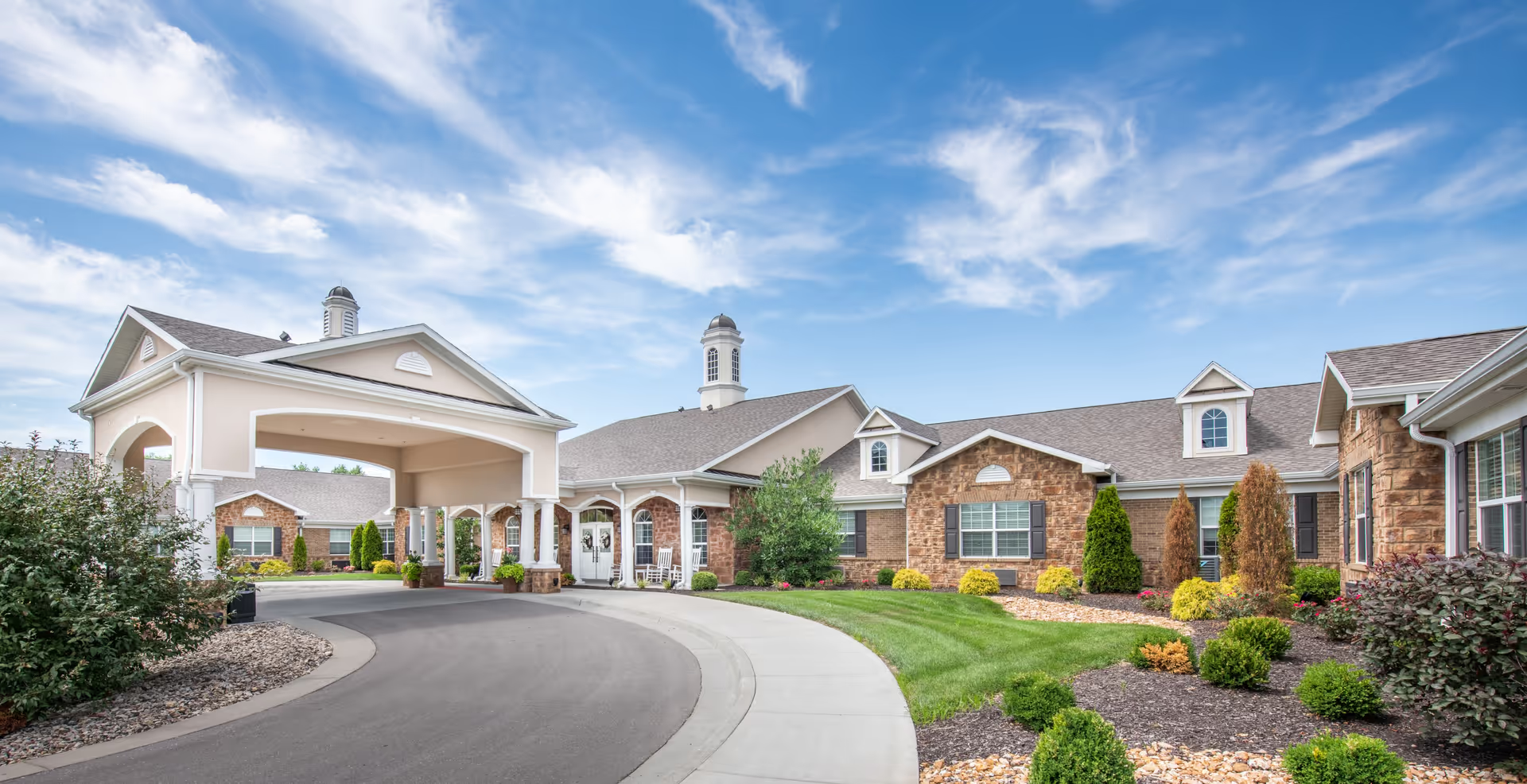
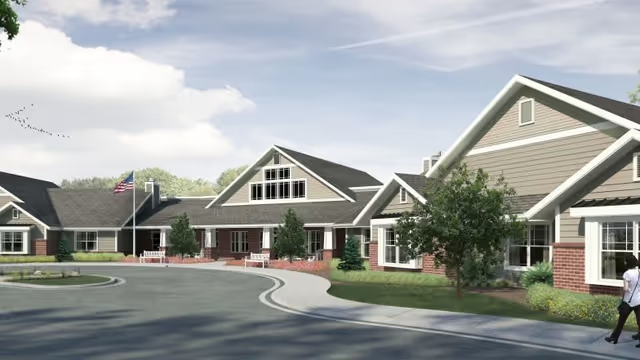
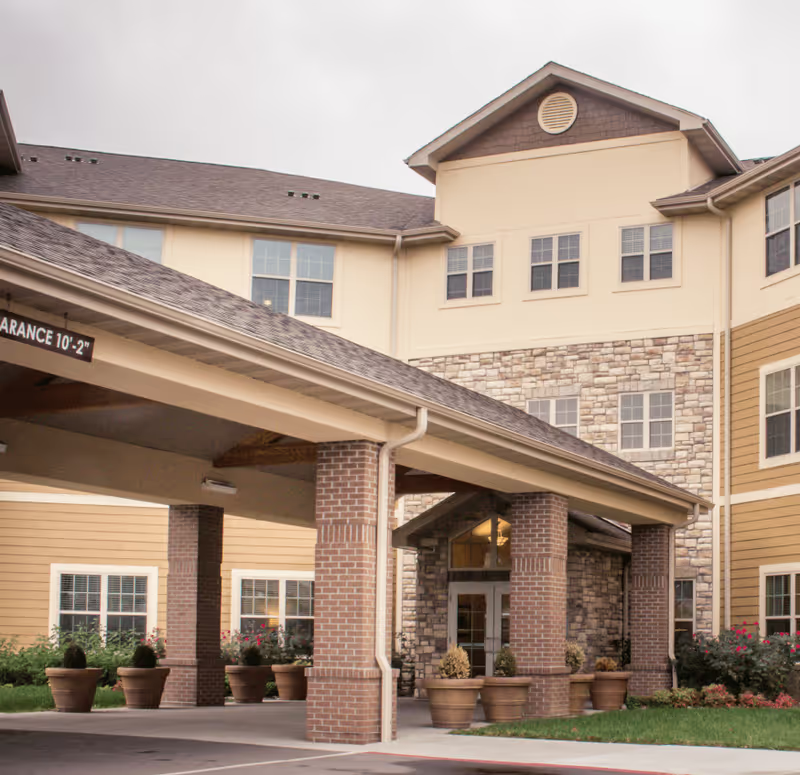
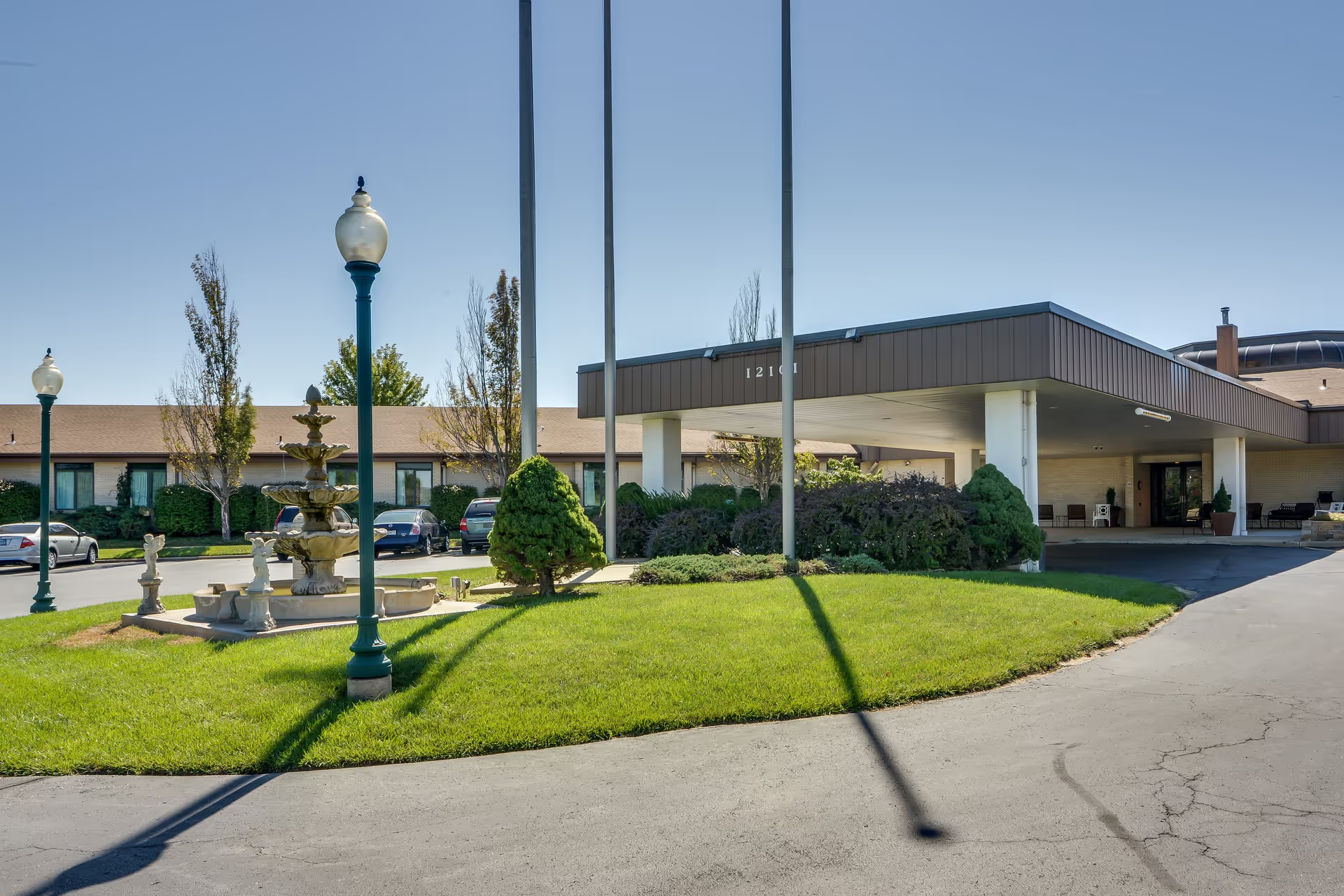
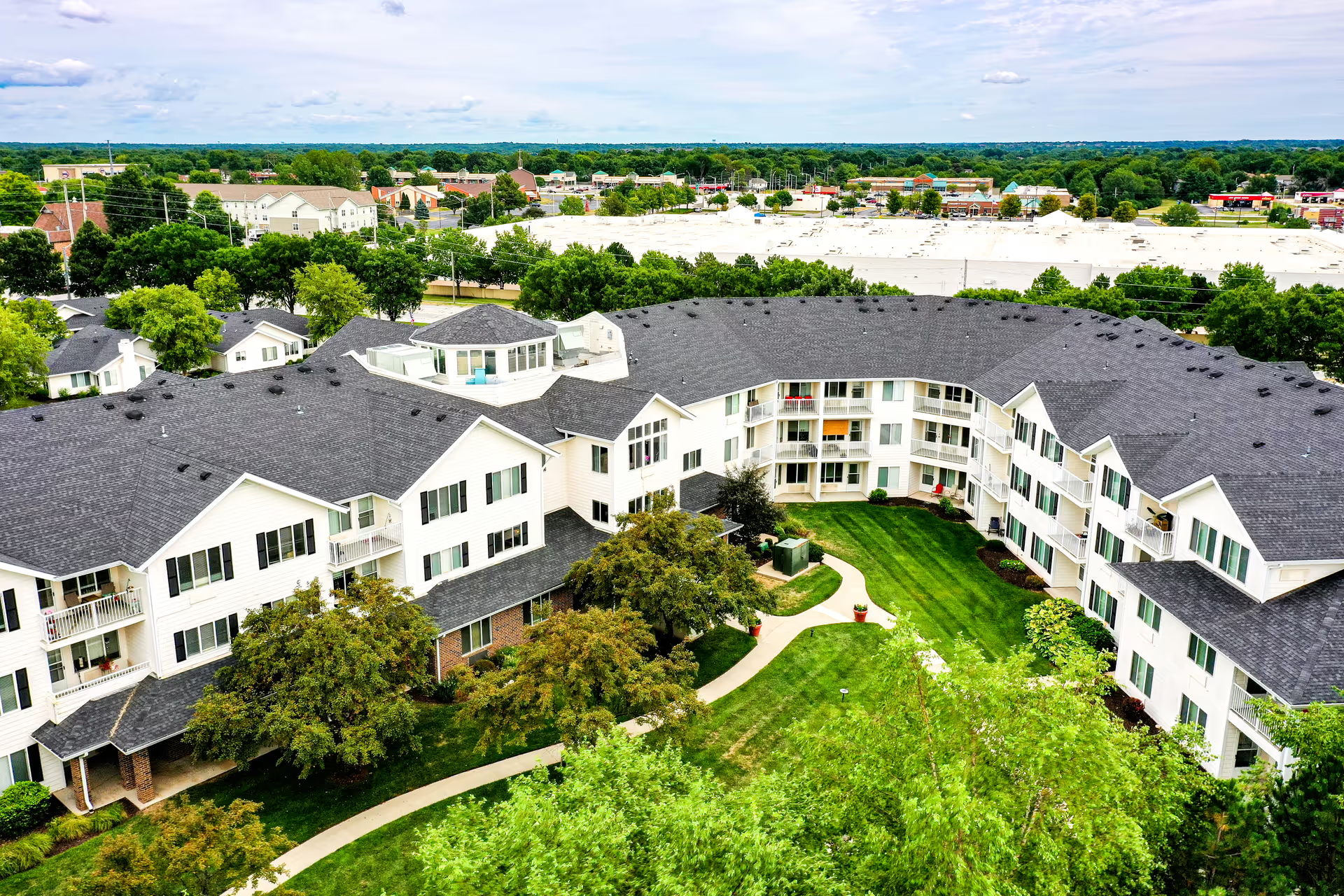
Glendale at the Mansion Senior Apartments functions primarily as an independent-living community with a broad set of physical amenities and an active social environment. Units are described as spacious and clean, many with full kitchens and elevator access; building features include a swimming pool, fitness room, two libraries, a computer area, an inside mailroom, in-building laundry, and a community/gathering room with a large TV and meeting kitchen. Residents and families frequently cite affordable rent and proximity to shopping and medical services as strengths.
The community offers an extensive activities program and visible resident engagement. Monthly newsletters, recurring events (bingo, movie nights, Bible study, card and board games, potlucks, coffee hours, birthday celebrations, chair exercises), and resident-led clubs contribute to a strong sense of socialization and neighborhood connection. Reviewers commonly described enjoyment of organized and informal gatherings, and several noted improvements in programming after management changes.
Care and services align with an independent-living model: there are no formal clinical or nursing services on-site, and residents are expected to manage their personal care needs. Dining is resident-driven — there is no institutional meal service; instead, the community organizes potlucks, breakfasts, and shared meals. Ancillary services exist (for example, grocery-delivery options), but logistics sometimes require residents to move items from a delivery location to their apartment.
Staff quality and management practices are mixed across accounts. Many reviewers characterized staff as friendly, helpful, and prompt with maintenance when responsive, and some described recent management improvements. Conversely, other reviewers described inconsistent responsiveness, slow resolution of maintenance issues, and instances where communication tone or reminders were perceived as insensitive. Operationally, staffing levels for housekeeping and maintenance have been cited as insufficient at times, which appears to affect cleaning frequency in stairwells and the timeliness of repairs.
Several recurring facility-level concerns may be relevant to prospective residents. The building shows signs of aging in places — reviewers noted intermittent HVAC problems, temporary fixes rather than long-term repairs, and renovation work underway. There are also vehicle-related security concerns: multiple accounts mention car break-ins and limited outside lighting or perimeter security, although the building interior is generally described as secure. Policies around in-unit accessibility modifications (for example, requiring medical justification and potential resident-paid hardware) create procedural barriers for some tenants.
Overall, Glendale at the Mansion offers a range of amenities, an engaged social environment, and affordable independent-living options. Prospective residents should weigh those strengths against the community’s independent-care model, periodic maintenance and staffing variability, parking/security conditions, and any accessibility-modification policies. Visiting in person, observing current renovation progress, and asking for specifics about maintenance response times and exterior security measures would help families determine fit for their needs.